A buyer-oriented, luxury editorial guide to evaluating South Florida oceanfront condos under Florida’s post-Surfside rules, with emphasis on inspections, reserves, insurance, resilience, livability, and rental constraints.
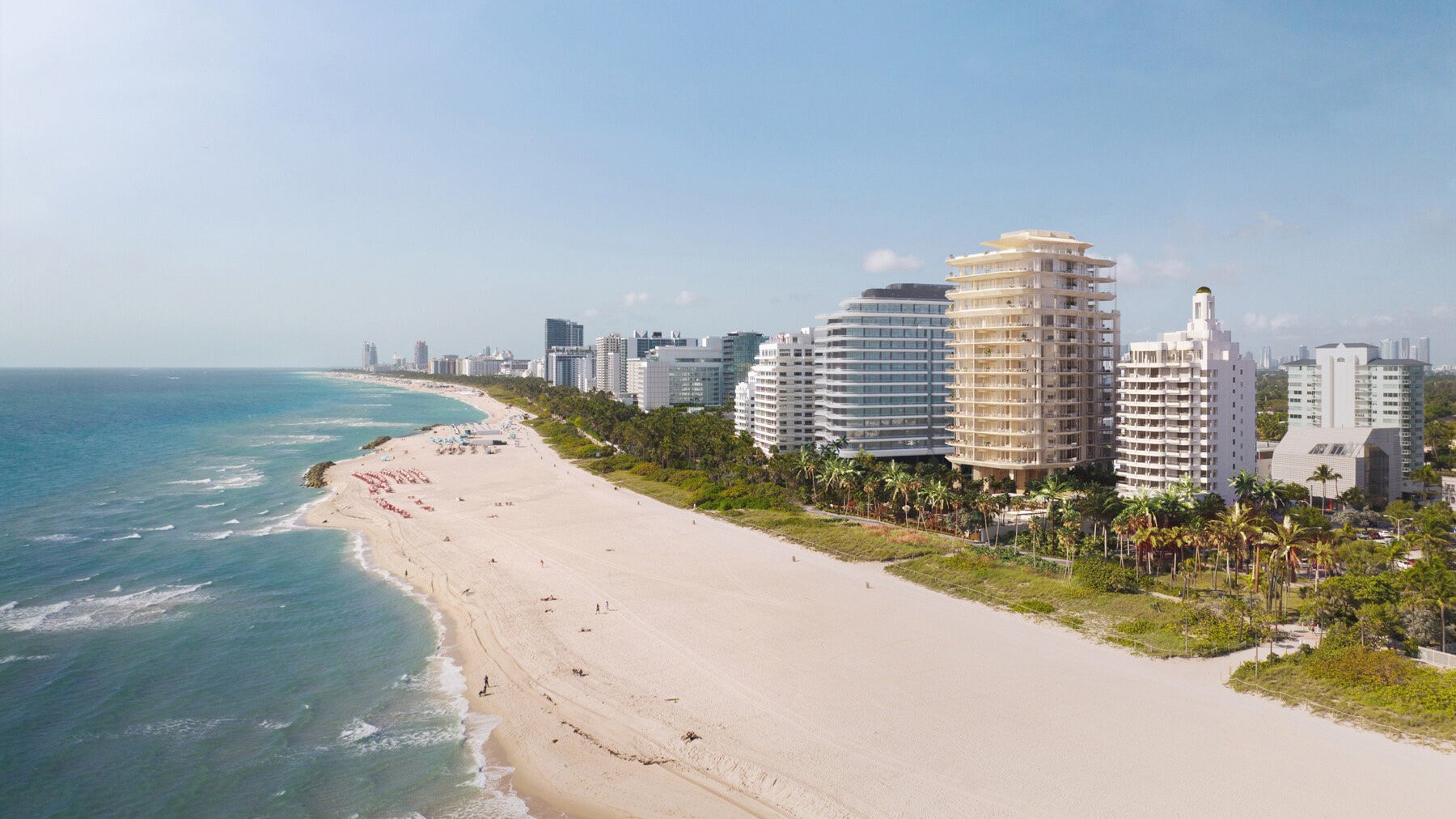
Oceanfront in South Florida remains a rare blend of lifestyle and liquidity: the shoreline is finite, the views are daily, and the strongest buildings still trade like blue-chip assets. But today’s oceanfront purchase is no longer purely aesthetic. It’s an underwriting exercise that blends governance, engineering, insurance, and day-to-day livability. For buyers who live in these residences rather than simply hold them, the objective is clear: secure the vista while minimizing expensive surprises. That means understanding how Florida’s post-Surfside framework reshapes older towers, how the current insurance market intersects with flood zones and wind exposure, and how salt air turns minor deferrals into major capital work. In markets like Miami-beach, Bal-harbour, and Sunny-isles, the best negotiations now begin with documents, not design boards.
Florida’s milestone inspection regime generally applies to condominium buildings of three or more stories. Timing is typically tied to age, commonly around 30 years, or 25 years if the building sits within roughly three miles of the coast. The first step is usually a Phase 1 visual examination performed by a licensed engineer or architect. If Phase 1 finds “substantial structural deterioration,” a Phase 2 inspection can be triggered, moving into deeper evaluation and testing to define repair scope. For buyers, the relevance is less about headlines and more about budgeting reality: inspections can lead to repair programs, reserve recalibration, and special assessments that reset the true cost of ownership. The luxury takeaway is not to avoid older buildings. It’s to price them precisely, and to confirm the building’s repair culture matches its architecture. A beautifully detailed lobby is not proof of disciplined structural stewardship.
Post-reform condo governance has become more formalized in Florida. Certain condo associations, generally those with 25 or more units, are required to maintain online access to records. Boards must meet at least quarterly, and newly elected directors face training requirements. None of this guarantees quality. It does, however, create more visibility for sophisticated buyers. Before you commit to a view line, request enough material to answer four questions:
Is the budget realistic, or cosmetically low?
Are reserves funded in a way that reflects the building’s age and exposure?
Are insurance costs rising sharply, and how is the board responding?
Do board minutes show maintenance momentum, or an ongoing pattern of deferral?
Minutes are often where the truth sits in plain sight: recurring discussions of spalling, waterproofing, window failures, elevator modernization, or contractor disputes can foreshadow the next assessment long before it’s formally framed as one.
Oceanfront ownership is inseparable from insurance strategy. Flood zones matter because they can drive lender requirements. For federally backed mortgages, flood insurance is typically required in high-risk FEMA zones such as A, AE, AH, AO and V, VE. Equally important: standard homeowners policies often exclude flood coverage. Many coastal owners therefore carry separate flood insurance, either through the National Flood Insurance Program or private markets. Depending on the policy and local market, windstorm coverage may also be a distinct line item rather than a simple checkbox. For a luxury buyer, the practical playbook is to model insurance as part of your total housing cost early, well before contract. Ask what the association carries for the building, what unit owners must carry individually, and how deductibles behave in named storms.
South Florida’s built environment is defined by wind loads. Florida Building Code requirements address structural and opening-protection considerations, and buyers should confirm the year of construction and whether meaningful retrofits have been completed. If you are evaluating impact protection, note that product approvals in Miami-Dade and Broward frequently align with Miami-Dade Notice of Acceptance standards in addition to statewide code requirements. In plain terms: not all “impact” is equal, and the documentation matters. This is where new or recently delivered product can feel especially compelling. Contemporary systems can reduce unknowns, even if they trade at a premium. In Brickell, for example, 2200 Brickell sits within a buyer conversation that often centers on modern envelopes, service expectations, and the predictability that comes with newer construction.
The view may be ocean. The living experience depends on orientation. West-facing units tend to carry stronger afternoon heat and glare, while other exposures can deliver more consistent light and lower heat gain depending on layout and glazing. On the water, that can be the difference between a terrace that functions as an all-day room and one that becomes a late-afternoon endurance test. Flow-through layouts can mitigate some issues, but they also introduce others: wind pressure at openings, salt intrusion at sliding systems, and sound patterns that shift by season. Tour at different times of day if you can. If you cannot, be conservative in your assumptions.
Salt air and coastal humidity accelerate corrosion and material wear, particularly on exterior metals, fasteners, railings, balcony components, and opening systems. Oceanfront maintenance isn’t simply “more”, it’s different. Protective coatings, waterproofing cycles, and hardware replacement schedules tend to arrive sooner than inland owners anticipate. That’s why the best oceanfront buildings can feel obsessively maintained: it’s not vanity, it’s survival. When evaluating a property, look past the finishes. Ask what has been replaced, when it was done, and what’s scheduled next. Buildings with disciplined cycles typically deliver fewer dramatic surprises. In ultra-prime neighborhoods, boutique buildings can sometimes feel easier to manage, but only when governance is disciplined and reserves are realistic. That is as true in Bal-harbour as it is further north along the sand.
Amenity packages have evolved. Buyer preferences increasingly elevate 24/7 concierge service for security and convenience. At the same time, wellness features like spa and sauna environments, yoga-forward spaces, cold plunge elements, and fitness-centric design have grown in importance, while some traditional social rooms have become less decisive. For buyers comparing buildings, translate amenities into daily utility:
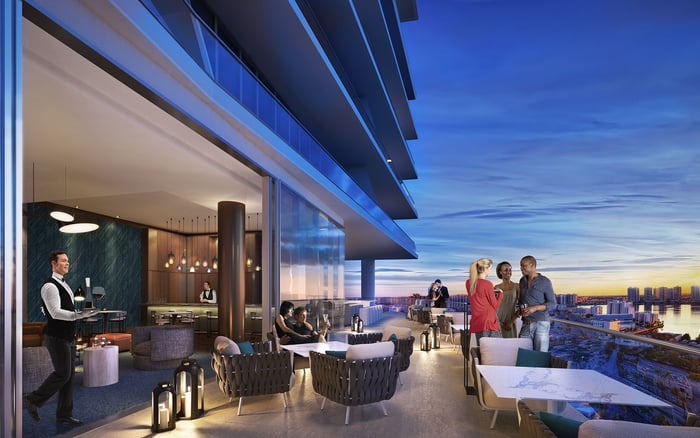
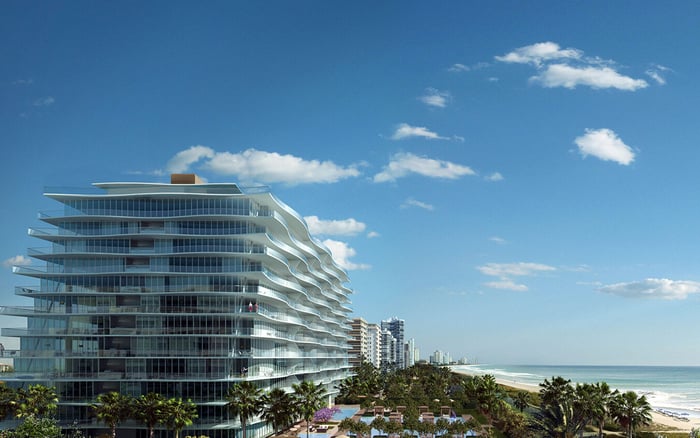
In Miami Beach, the conversation often gravitates to buildings where service is core to the identity. In that context, The Perigon Miami Beach tends to appear in shortlists alongside other highly serviced concepts, particularly for buyers who want the ease of a managed lifestyle rather than a DIY condo experience.
Luxury buyers frequently plan a renovation, even in an already beautiful unit. Condo and HOA rules can materially shape what’s possible. Associations may restrict renovations through architectural review processes, approved specifications, and designated contractors. Even something as “simple” as replacing windows and doors can become a time-and-standards exercise. The best approach is to request the alteration agreement and architectural guidelines early. If your vision depends on opening changes, terrace system modifications, or specialized equipment, verify the pathway before you commit.
Short-term rental rules are commonly restricted or prohibited in many condo buildings. Even when a city allows certain use cases, the condo declaration and bylaws can be stricter. If rental income is part of your holding strategy, confirm both layers before purchase. Where short-term rentals are feasible, performance can be highly variable by season, building, and unit type. In Miami Beach, typical short-term rental performance is often discussed around approximately 51% occupancy and roughly $364 average daily rate, with top performers materially higher. Treat that as a starting point for scenario planning, not a pro forma. If you do rent, be mindful that federal tax rules generally allow depreciation of residential rental real estate over 27.5 years, which can reduce taxable rental income. Depreciation claimed can be subject to depreciation recapture when you sell, potentially increasing tax due depending on your situation.
Pet policies can be a deal-breaker, particularly for full-time owners. It is also important to understand that emotional support animals can be protected under fair-housing rules; condo and HOA pet restrictions may need to allow reasonable accommodation when properly documented. The prudent buyer reads the rules as written, then plans around how they’re enforced. In luxury buildings, consistency of enforcement is often a better predictor of quality of life than the strictness of the rule itself.
Seawalls and related coastal protection measures are common in South Florida and require ongoing inspection and maintenance. While an oceanfront condo buyer is not maintaining a private seawall in the same way a single-family owner might, the surrounding shoreline protection and local infrastructure approach still matter in long-term risk. Sea-level rise is a long-horizon consideration that can increase nuisance flooding and amplify storm-surge impacts over time depending on elevation and local adaptation. In a luxury context, this does not eliminate the allure of oceanfront. It simply reinforces the value of resilient design, strong management, and careful location selection. In Sunny Isles, for instance, buyers often benchmark newer luxury towers for a combination of elevation, envelope performance, and service. Within those conversations, Turnberry Ocean Club Sunny Isles is frequently evaluated through the lens of full-service living and modern building systems. Further north, Fort Lauderdale’s beachfront corridor appeals to buyers who want walkability and a resort cadence with a different scale than Miami. In that vein, Auberge Beach Residences & Spa Fort Lauderdale often enters the dialogue for its hospitality-forward lifestyle and wellness emphasis.
Oceanfront condo due diligence is most effective when you separate building-level verification from unit-level verification. Building-level: milestone inspection status and findings, reserve posture, insurance summaries, recent and pending capital projects, and board minutes that reveal whether the association acts early or late. Unit-level: orientation and heat behavior, sound and wind patterns, condition of openings and hardware, signs of corrosion at balcony components, and any renovation restrictions that could affect your planned improvements. Do this work before you negotiate and you’ll negotiate from strength. Do it before you close and you’ll own with clarity.
What is a milestone inspection and why does it matter to buyers? It is a structural inspection framework for many condo buildings that can lead to repair scopes, reserve changes, and special assessments.
When are milestone inspections typically required in coastal areas? Many qualifying buildings face the requirement around age 30, or around 25 if located within roughly three miles of the coast.
What triggers a Phase 2 milestone inspection? A Phase 2 may be required when the initial Phase 1 visual exam finds substantial structural deterioration.
Which documents best reveal special-assessment risk? Prior-year budgets, reserve schedules, insurance summaries, and board minutes are the fastest way to spot deferred maintenance and funding gaps.
Will my homeowners policy cover flood damage in an oceanfront condo? Often no; flood coverage is commonly excluded and may require a separate policy.
When is flood insurance typically required by lenders? Federally backed mortgages generally require flood insurance in high-risk FEMA zones such as A and V designations.
Are short-term rentals allowed in most luxury condos? Many buildings restrict or prohibit them, so you must confirm both local rules and the condo’s governing documents.
How does unit orientation affect comfort on the water? West-facing exposures often bring stronger afternoon heat and glare, while other exposures can feel more consistent depending on layout.
Can a condo association limit my renovation plans? Yes; HOAs commonly require architectural review and may mandate approved specifications or contractors, affecting costs and timelines.
If I rent my condo, is depreciation a benefit or a future cost? Depreciation can reduce taxable rental income, but depreciation recapture may increase tax due when you sell depending on your situation.
For tailored guidance, speak with MILLION Luxury.
If branded residences are on your mind — as a home or as an allocation — we would be glad to share what we are seeing, privately.
Begin a quiet conversation