In South Florida’s fast-moving luxury market, remote offers and even fully remote closings have become a practical tool for out-of-state and international buyers. This editorial lays out an expert, Florida-specific playbook: how to evaluate a property through high-fidelity virtual assets, where remote diligence tends to fail, and how to reduce exposure to building, HOA, climate, and fraud risks when you cannot be physically present.
Remote buying is no longer a niche behavior reserved for investors. A meaningful share of luxury buyers now say they would consider purchasing after only a virtual tour, and pandemic-era dynamics normalized sight-unseen offers at scale. In South Florida-where competition can be intense and schedules are global-the appeal is clear: fewer trips, fewer delays, and a cleaner path to securing a scarce asset in a preferred neighborhood.
Still, the decision is not simply about convenience. A sight-unseen purchase is a trade: you gain speed and access, but you must replace what your senses would have caught in person with a more deliberate system. The objective is not to “feel” confident. It is to build verifiable confidence through layered evidence, disciplined contingencies, and professionals who understand Florida’s most common failure points.
In a heated market, a sight-unseen offer can be a competitive weapon because it removes the bottleneck of travel and compresses decision time. That matters in Miami, Brickell, and Miami Beach, where a well-priced trophy residence can draw immediate attention. It also matters for buyers running businesses elsewhere, splitting time between homes, or moving capital on a timetable.
Remote buying can also reduce friction for international households: fewer visas and logistics, fewer repeated showings, and fewer coordination problems. For the right buyer, it can be the difference between participating in the market and watching it move on.
But speed does not justify softness. In Florida, the most expensive surprises are rarely cosmetic. They are environmental, mechanical, governance-related, or legal in nature. Remote offers work when they are fast-and conditional in the right ways.
A defensible remote decision typically rests on three pillars: immersive tours, exterior context, and interactive verification.
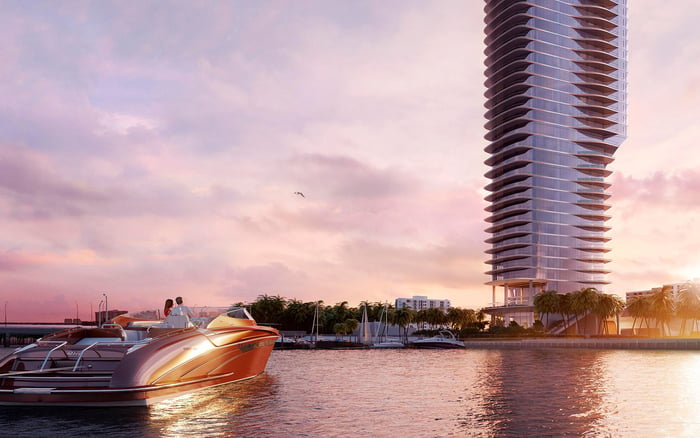
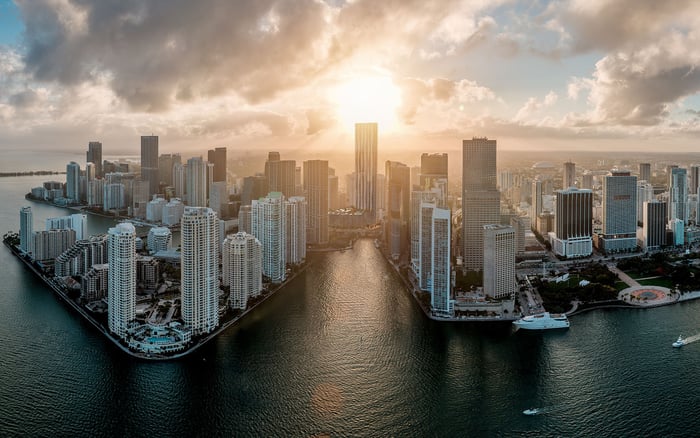
First, high-quality 3D virtual tours clarify layout and flow in a way static photography cannot. You can evaluate adjacency, circulation, and whether the floor plan aligns with how you actually live. Second, drone footage provides the context luxury buyers care about: orientation, setbacks, neighboring structures, proximity to water, and the street-level “read” that interior photos never capture.
Third, live video walkthroughs let you direct the camera in real time. Used well, they are less a tour and more an interrogation: open every closet, pan slowly across ceilings, show under-sink cabinetry, run water, open sliders, and hold the lens steady at corners and baseboards. Used poorly, they become a curated highlight reel.
What none of these tools consistently capture are the quiet deal-breakers: persistent odors, sound transmission, traffic patterns at peak hours, wind exposure at height, or subtle condition issues that only surface when someone touches, tests, and measures. Virtual assets should narrow the field and justify a trip-or justify a strong set of contingencies-not replace diligence.
Florida’s humidity is not an abstract climate note. It is a systems test. Over time, moisture can contribute to deterioration that presents as staining, peeling finishes, musty odors, or mold risk. Remote buyers should treat HVAC performance, dehumidification, window and door integrity, and evidence of past water intrusion as primary concerns-not secondary checkboxes.
A disciplined approach includes a thorough inspection and, when appropriate, specialized evaluations that go beyond the basic. Remote or virtual inspections can help, but they have limits: some conditions require physical access, probing, and testing. If you cannot be present, your proxy must be detail-oriented and willing to document flaws without hesitation.
In luxury condos, diligence is not only about the unit. It is about the building’s operational health and governance. Special assessments can create substantial, unexpected costs. Reviewing HOA documents, reserves, budgets, and pending matters can be as important as verifying finishes and views.
When considering a lifestyle-driven tower environment in Brickell, for example, buyers often gravitate to branded or design-forward offerings like 888 Brickell by Dolce & Gabbana. The aesthetic may be the hook; the risk management lives in documents, rules, and long-term capital planning.
Remote transactions often involve some form of appraisal process. When an appraisal is performed without an interior visit, it can lean heavily on records and comparable sales. For distinctive, highly customized homes, that approach may miss the nuance that drives value in the ultra-premium tier.
Luxury buyers should plan for friction here: the residence you are buying may be genuinely singular, but the valuation process can be standardized. The practical takeaway is to align early with your lender or advisory team on what type of appraisal will be required, what access is needed, and how to present the home’s features in a way that fits the valuation framework.
South Florida’s appeal is inseparable from its coastline, but coastal living carries location-specific risk that can be difficult to judge remotely. Measurable subsidence has been highlighted in parts of the Miami area over a multi-year period, and broader climate and flood challenges remain a long-horizon factor for owners.
A remote buyer should treat resilience as a design constraint. That means asking pointed questions about flood exposure, elevation context, building maintenance posture, and insurance dynamics. It also means recognizing that two properties a short distance apart can carry materially different risk profiles.
This is where neighborhood knowledge matters. A residence in Miami Beach, such as a boutique oceanfront concept like 57 Ocean Miami Beach, may deliver a particular lifestyle promise, but remote buyers should still validate the practical realities: access routes during heavy rain, wind exposure, and building-level preparedness.
Florida’s disclosure framework generally requires sellers to disclose known facts that materially affect value and are not readily observable. That matters, but it is not a substitute for inspections. Disclosures are constrained by what is known, what is remembered, and what is deemed material. Your real protections are contractual.
Remote buyers should focus on three levers:
Inspection window and scope. Ensure the timeline is workable for coordinating specialized professionals.
Financing and appraisal contingencies. If financing depends on valuation, do not let the process become a last-minute surprise.
Document diligence for condos. Confirm your review rights cover HOA materials and building disclosures relevant to assessments and governance.
For buyers seeking newer boutique inventory in a quieter island setting, Alana Bay Harbor Islands can be the kind of product that attracts remote interest. Regardless of the building, the document review is where comfort is actually earned.
Fully remote closings are increasingly common, and Florida allows Remote Online Notarization for certain real-estate-related signing and notarization steps through secure audio-video communication. In practice, availability can vary by lender and by transaction structure, so remote buyers should confirm early what can be executed remotely-and what cannot.
The larger risk in remote closings is not logistical. It is security. Wire fraud remains a known threat in real estate transactions. The operational rule is simple: never rely on emailed wire instructions alone, and verify details through a trusted, independently confirmed channel.
Title and deed fraud is another concern, with vacant properties often targeted by fraudsters attempting to manipulate ownership records. Title insurance is commonly used as a protective layer against covered title defects and certain ownership disputes discovered after closing. Remote transactions benefit from a belt-and-suspenders posture: tight identity verification, cautious communication protocols, and professional oversight.
Remote success comes from sequencing, not bravado.
Start with filtration: pursue only homes with exceptional visual documentation and a cooperative listing side that will accommodate a rigorous live walkthrough. Then move to verification: a live video session directed by you, plus independent inspections and targeted specialists when indicated. Next comes governance: if it is a condo, review HOA documents with the seriousness you would apply to a business acquisition. Finally, close with security: confirm all instructions, identities, and signing protocols early, and keep communication channels disciplined.
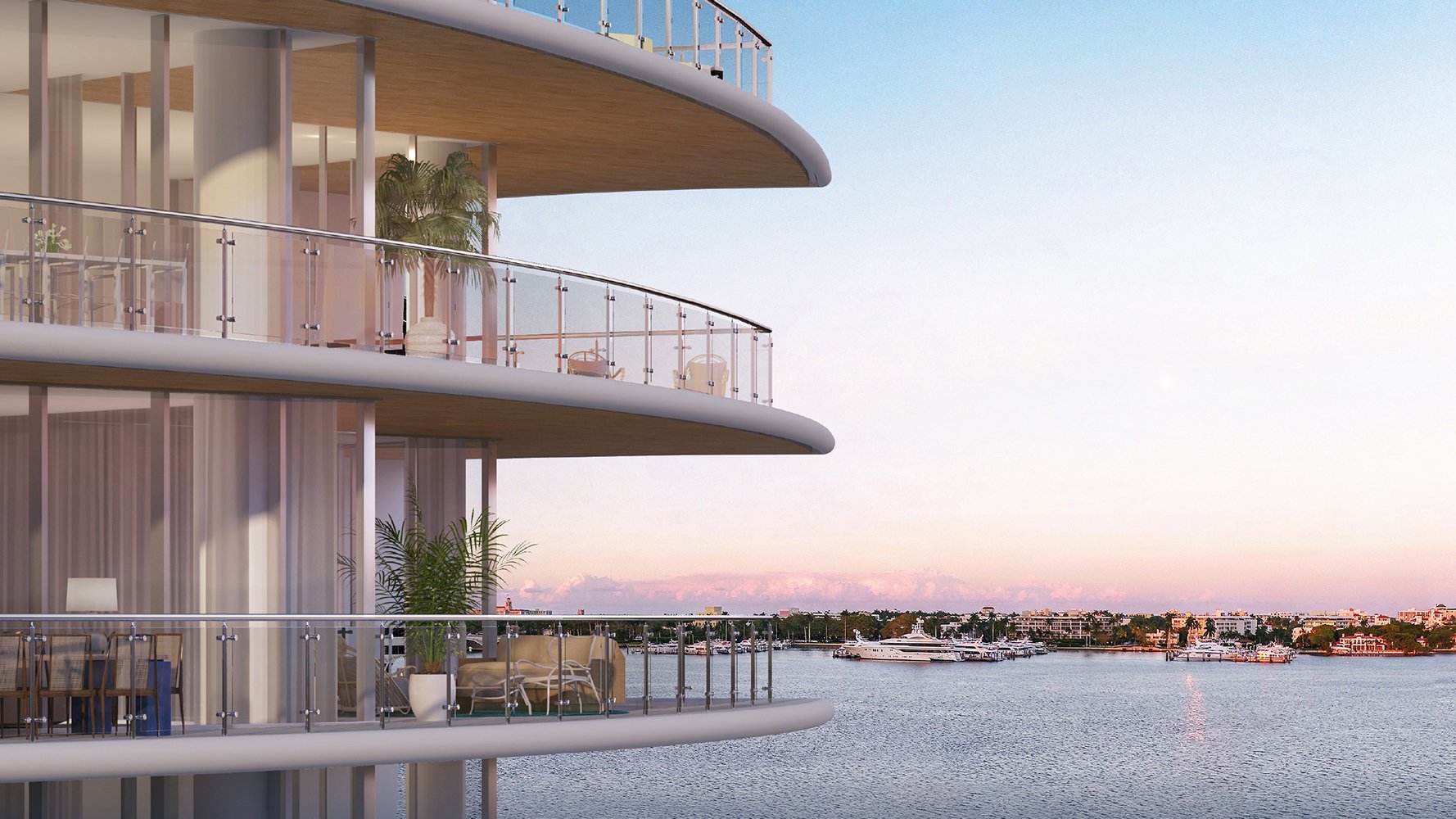
If your target is a vertical, views-driven lifestyle where every orientation choice matters, a building like 2200 Brickell illustrates why remote buyers must scrutinize light, noise exposure, and balcony usability through a combination of 3D tours, drone context, and live video verification.
Is it common to buy a luxury home sight-unseen in South Florida? Yes. Many buyers now consider purchasing after a virtual tour, especially when travel is difficult.
What is the biggest advantage of making a sight-unseen offer? Speed. It can help you compete more effectively when the market is moving quickly.
What should I insist on seeing during a live video walkthrough? Ceilings, baseboards, under-sink areas, windows and doors, and any signs of water intrusion.
Can virtual tours replace an in-person visit? They help you understand layout and flow, but they cannot fully replicate sensory cues like odors or noise.
Are remote or virtual home inspections reliable? They can be useful, but some defects require physical access and testing to evaluate properly.
What Florida-specific issues deserve extra attention? Humidity and moisture risks, which can contribute to deterioration and mold-related concerns.
If I am buying a condo, what documents matter most? HOA budget, reserves, rules, and any indicators of special assessments or major upcoming expenses.
Can I close remotely in Florida? Often yes, including using Remote Online Notarization for certain signing steps, depending on the transaction.
What are the biggest fraud risks in remote closings? Wire fraud and title or deed fraud; verify instructions through trusted channels and use proper safeguards.
How do I reduce regret when buying sight-unseen? Use layered diligence: strong virtual assets, rigorous inspections, and clear contingencies that protect you.
For a confidential assessment and a building-by-building shortlist, connect with MILLION Luxury.
If branded residences are on your mind — as a home or as an allocation — we would be glad to share what we are seeing, privately.
Begin a quiet conversation