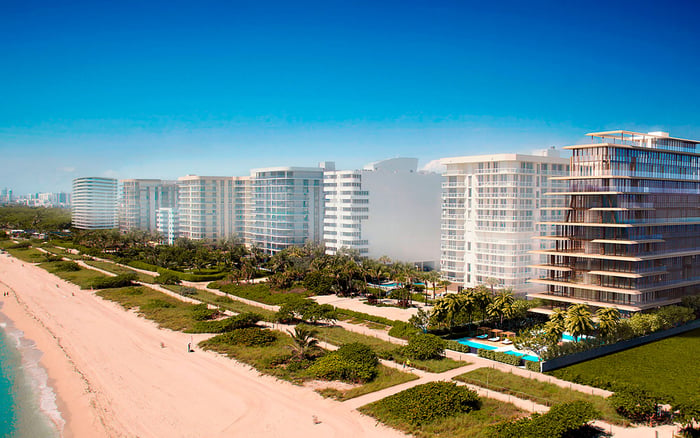
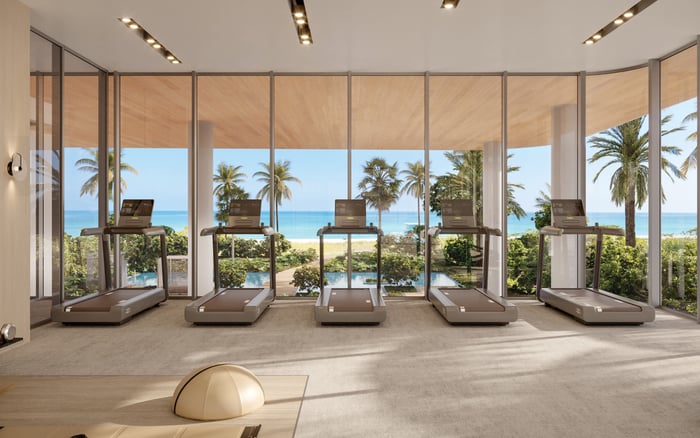
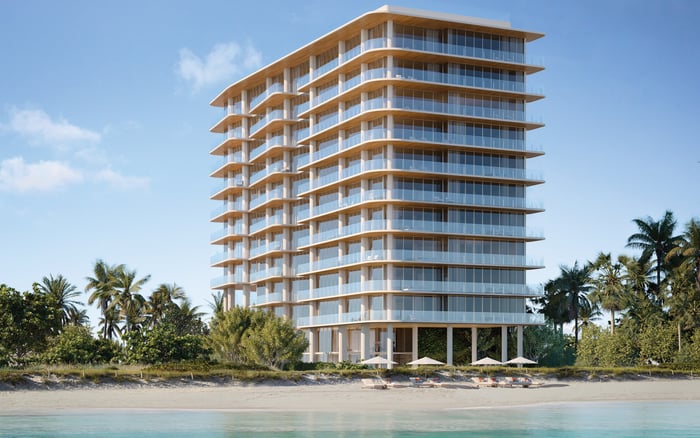
A buyer-focused look at Ocean House Surfside and the quieter, more private ownership model that distinguishes boutique oceanfront residences from larger beach towers.
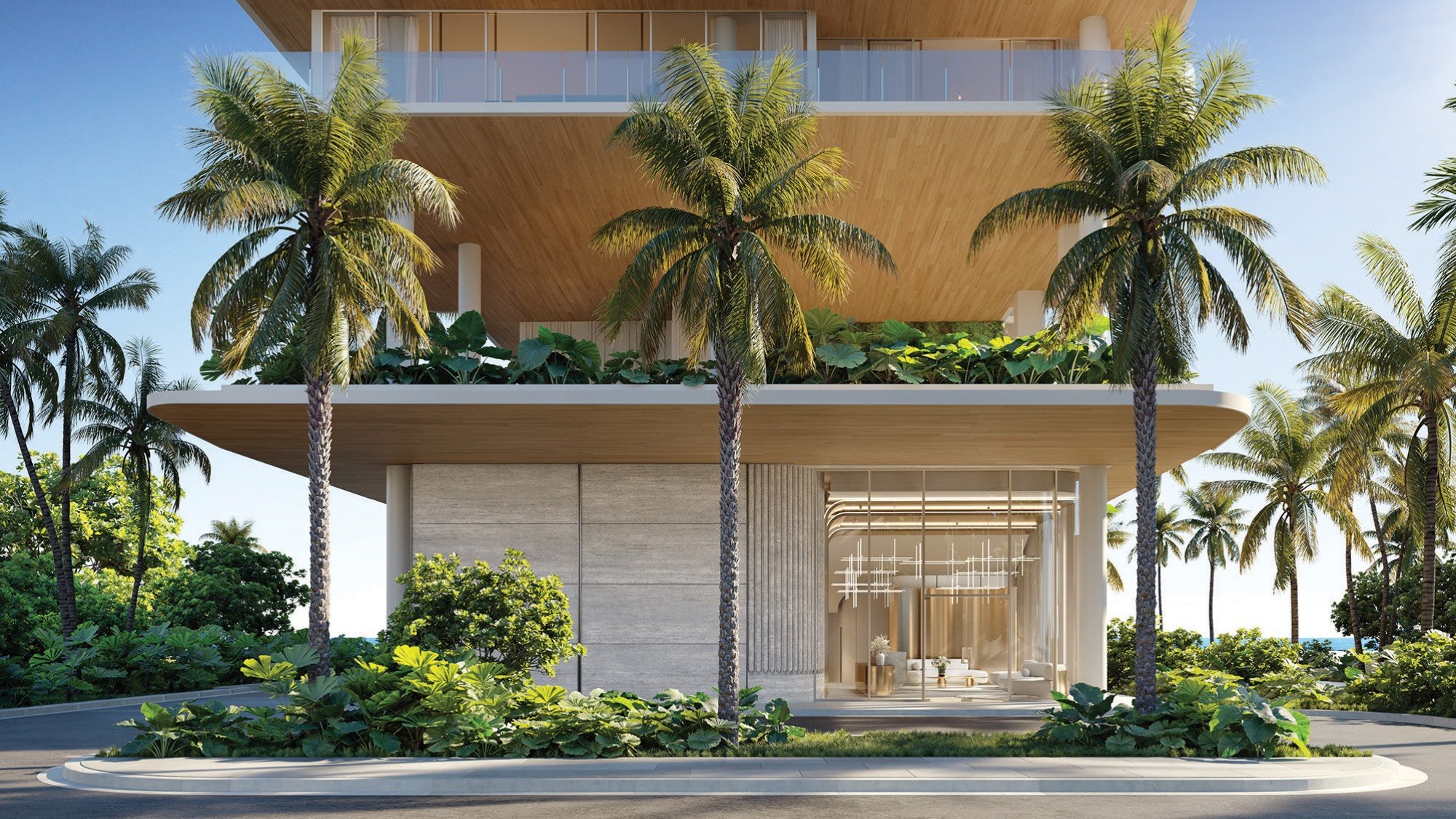
Ocean House Surfside sits at the center of a highly specific luxury conversation: what it means to own on the ocean when the goal is not height, volume, or spectacle, but privacy, calm, and control. In a market where beachfront towers can feel increasingly resort-like, Ocean House Surfside represents the quieter side of oceanfront ownership, shaped by a smaller residential environment and a more discreet rhythm of daily life.
The distinction is not about declaring one model superior. It is about fit. Some buyers want a full-service vertical resort with extensive shared facilities, layered staffing, and broad social energy. Others want the ocean without the sense of throughput, where arrival, elevator use, pool time, and beach access feel more residential than institutional. Boutique ownership appeals to that second profile.
In Surfside, where oceanfront land is finite and lifestyle expectations are highly refined, the difference between a private oceanfront residence and a larger beach tower can influence everything from how a home feels at 8 a.m. to how an association operates over time.
Boutique does not simply mean smaller. In the luxury context, boutique means the resident experience is shaped around limited volume, discretion, and a more controlled sense of place. The most important amenity may be what is absent: crowded common areas, constant movement through lobbies, and the feeling that a building functions like a hotel.
At Ocean House Surfside, the essential positioning is boutique oceanfront ownership. That framing matters because buyers at this level are often acquiring more than square footage or a view. They are acquiring privacy as part of the architecture of daily life.
Larger beach towers can offer an impressive amenity menu, often with resort-style infrastructure and extensive professional operations. For many owners, that is precisely the appeal. Yet greater scale can also mean more residents, more guests, more staff layers, and more operational complexity. In a boutique setting, the value proposition narrows and intensifies: fewer touchpoints, calmer circulation, and a quieter relationship with the shoreline.
Beach access is only one part of the equation. Two buildings can both sit near the sand yet produce entirely different ownership experiences. The question is not only whether the beach is close. It is how private, fluid, and effortless the path to it feels.
Large oceanfront towers often compete through breadth. They may be designed around expansive amenity decks, service infrastructure, branded hospitality cues, and a more visible sense of arrival. That model can be highly attractive for buyers who want energy, convenience, and a recognizable resort-like environment.
The tradeoff is that scale becomes part of the lifestyle. More amenities can require more coordination. More residents can alter the feel of shared spaces. More staff layers may bring efficiency, but they can also create distance between owner and building. For some buyers, that professionalized structure is reassuring. For others, it can make home feel less intimate.
This is where oceanfront ownership becomes personal. A buyer choosing Surfside may be seeking the Atlantic view, the sound of the water, and the prestige of a coastal address. But the built environment determines whether that address feels like a private residence or a managed destination.
Surfside buyers often evaluate this spectrum across a small set of highly recognized names. A buyer considering the quieter proposition of Ocean House Surfside may also look at the local language of privacy around The Delmore Surfside, the architectural intimacy associated with Arte Surfside, or the established beachfront identity of The Surf Club Four Seasons Surfside. The point is not that these buildings are interchangeable. It is that Surfside rewards a close reading of scale, service, and atmosphere.
Governance is one of the least glamorous parts of condominium ownership, yet it can be one of the most consequential. In a smaller building, owners may feel a more direct connection to decisions affecting the property. Conversations about maintenance, service priorities, reserves, and building culture can feel closer to the ownership base.
In larger associations, governance can be more layered. That may provide structure and institutional continuity, especially in buildings with complex amenities and broader operations. It can also mean individual owners feel further removed from decision-making. Neither model is automatically better. The difference is whether a buyer values direct influence and simplicity or prefers the operational depth of a larger residential machine.
For high-net-worth buyers, this is not a minor issue. A residence may be used seasonally, full-time, or as part of a broader portfolio. The ability to understand how a building is run, how decisions are made, and how resident priorities are balanced can be as important as the view itself.
The most telling comparison between boutique ownership and a beach tower is often found in ordinary moments. How many people are in the lobby on a weekday morning? Does the elevator ride feel private or shared? Is the pool deck a retreat or a social platform? Does the building disappear into the background of daily life, or does it announce itself constantly?
Boutique oceanfront ownership is less about spectacle and more about ease. It is for buyers who want the building to protect the residential experience rather than perform for it. The atmosphere is typically quieter, more controlled, and more personal.
A larger tower, by contrast, may satisfy buyers who enjoy a fuller amenity ecosystem and a greater sense of activity. The resort tower model can deliver convenience at scale, with the energy of a destination property. It may suit owners who entertain frequently, appreciate visible service infrastructure, or want a broader range of shared facilities.
The private residence model is more restrained. The full-service resort tower is more expansive. Both are luxury, but they express luxury differently.
Investment logic should be handled carefully in this category. Boutique oceanfront buildings may emphasize scarcity, privacy, and a limited ownership environment. Larger towers may emphasize broader buyer recognition, amenity scale, and potential liquidity because more buyers immediately understand the resort-style proposition.
That distinction does not create a universal winner. It creates different risk and reward profiles. A boutique buyer may be prioritizing long-term scarcity and the emotional value of discretion. A tower buyer may be prioritizing market familiarity, service breadth, and the confidence that comes with a larger ownership ecosystem.
For Surfside, the key is alignment. If a buyer’s definition of value is rooted in privacy, controlled daily movement, and a quieter residential identity, a boutique property like Ocean House Surfside may feel more compelling than a larger building with a longer amenity checklist. If the buyer defines value through breadth, energy, and resort infrastructure, a larger tower may be the better fit.
The best comparison begins with lifestyle rather than finishes. A buyer should consider how often the residence will be used, how much privacy is desired, and whether shared spaces should feel social or serene. From there, the building’s scale, service model, and governance structure can be measured against that lifestyle.
Walk the arrival sequence. Consider the lobby, elevator cadence, pool environment, and path to the beach. Ask whether the building feels calm at peak times. Study how service is delivered, how many layers exist between owner and decision-maker, and whether the property’s culture feels personal or institutional.
In Surfside, this level of nuance matters. The address may be oceanfront, but the ownership experience is created by details that do not always appear in marketing language. The right building is the one whose daily rhythm matches the owner’s private expectations.
What is the main difference between Ocean House Surfside and a larger beach tower? Ocean House Surfside is positioned around boutique oceanfront ownership, emphasizing privacy, discretion, and a calmer residential experience rather than maximum building scale.
Does boutique mean fewer amenities? Boutique ownership often prioritizes privacy and ease over the widest possible amenity menu. Larger towers may offer more shared facilities, but with more resident traffic.
Is a larger beach tower better for buyers who want full-service living? It can be, especially for buyers who value resort-style infrastructure, broader staffing, and a more active building environment.
Why does governance matter in a boutique building? Smaller buildings can give owners a more direct sense of influence over decisions, priorities, and long-term residential culture.
Is Ocean House Surfside more about privacy than spectacle? Yes. Its boutique positioning is best understood through control, calm, and a discreet oceanfront lifestyle.
Can both boutique buildings and larger towers offer beach access? Yes. The difference is often how private, effortless, and low-traffic the beach experience feels from day to day.
Are boutique oceanfront residences always better investments? Not always. Boutique buildings may emphasize scarcity and privacy, while larger towers may benefit from broader recognition and amenity-driven demand.
Who is the best fit for boutique oceanfront ownership? Buyers who value discretion, limited resident volume, and a quieter setting are typically the strongest fit for this ownership model.
Should buyers compare Ocean House Surfside with other Surfside properties? Yes. Comparing scale, service, atmosphere, and governance across Surfside properties helps clarify which residence best matches the buyer’s lifestyle.
What should buyers evaluate during a private showing? They should focus on arrival, lobby flow, elevator privacy, shared-space traffic, beach access, and whether the building feels calm at the times they expect to use it.
If you'd like a private walkthrough and a curated shortlist, connect with MILLION.
If branded residences are on your mind — as a home or as an allocation — we would be glad to share what we are seeing, privately.
Begin a quiet conversation