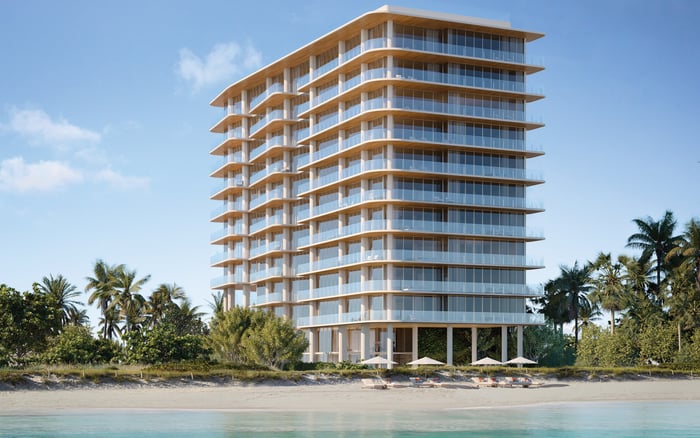
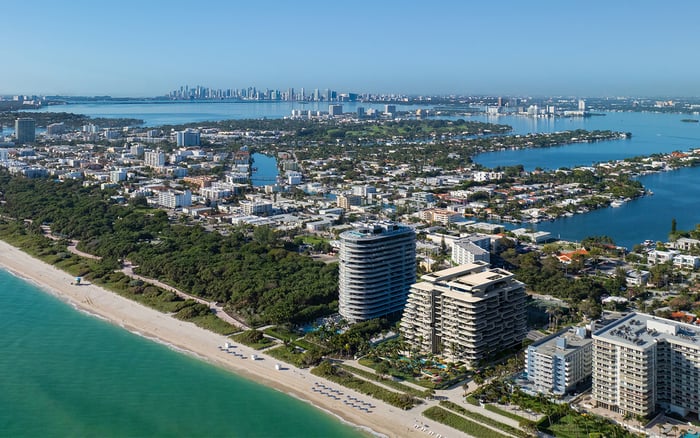
A practical luxury buyer guide to comparing Continuum on South Beach and Ocean House Surfside through pet movement, service access, renovation rules, privacy, and daily livability.
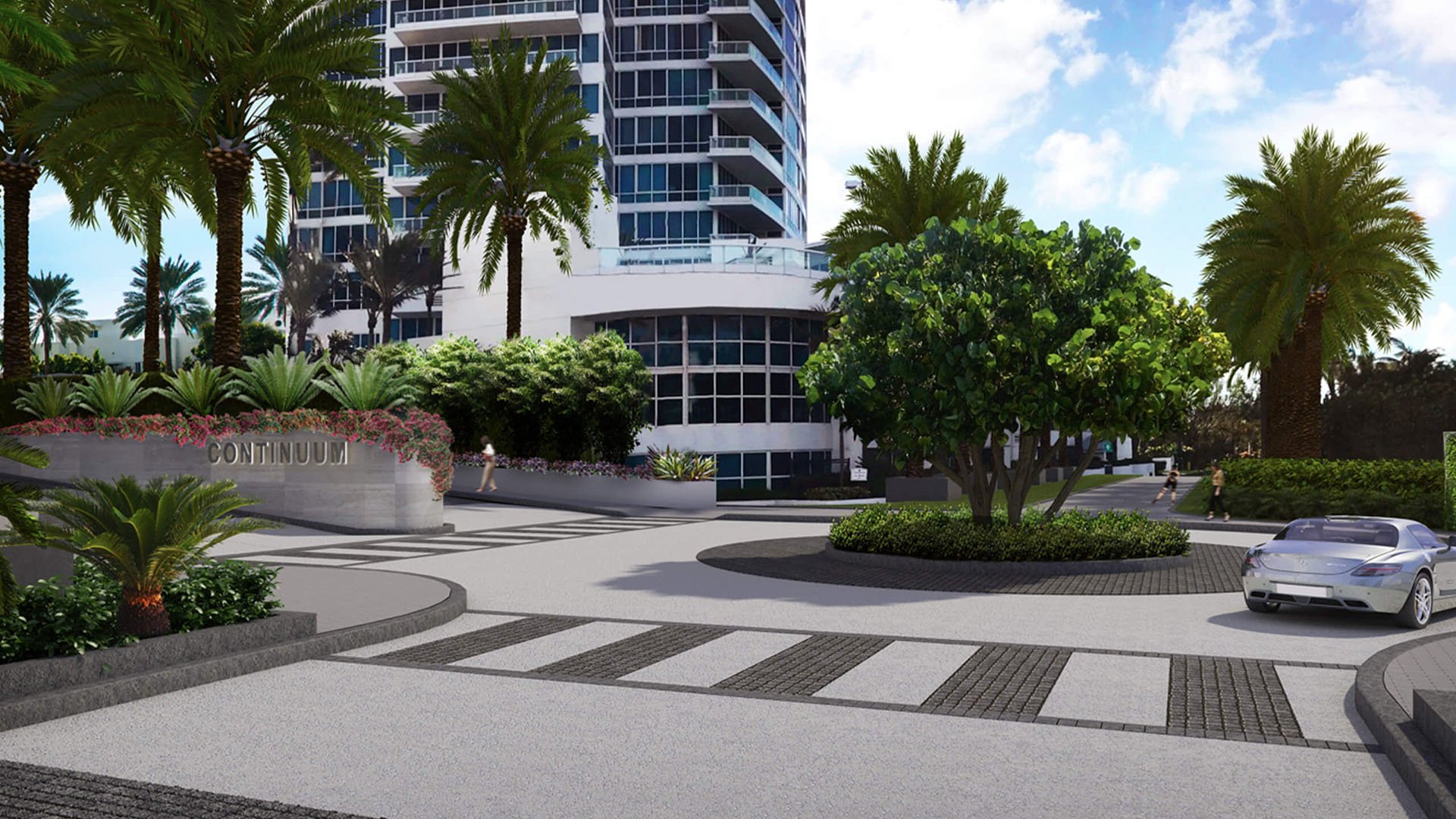
For a South Florida buyer who wants an oceanfront residence to function like a true home, the comparison between Continuum on South Beach and Ocean House Surfside should begin below the amenity deck. The glamorous questions are obvious: beach, views, pool, lobby, neighborhood, and prestige. The more valuable questions are quieter: how the dog exits the building on a windy morning, how a private chef enters without crossing the main lobby, how a furniture delivery is staged, and how quickly a renovation request can move through the association process.
Continuum on South Beach is the South Beach option in this comparison: a large-scale, amenity-rich oceanfront tower environment where operational choreography matters. Ocean House Surfside is the Surfside option, positioned as a boutique oceanfront building where buyers may expect a more residential feel. Neither should be reduced to a simple winner. The better decision is the one that matches a household’s rhythms, tolerance for rules, staff needs, pets, and plans for improvement.
Scale is not inherently better or worse. It changes the way a building lives. At Continuum, the appeal is tied to the full-service oceanfront tower lifestyle in South of Fifth, with infrastructure suited to buyers who want significant amenities and a recognizable Miami Beach address. In that context, due diligence should focus on how the building manages volume: residents, guests, staff, pets, vendors, deliveries, and contractors.
A larger tower can feel seamless when its operations are disciplined. It can also feel less private when the paths for residents and service providers are not clearly separated. Buyers should understand the practical circulation diagram: where household staff enter, which elevators they use, how deliveries are logged, where vendors wait, and whether resident-facing spaces are insulated from daily back-of-house traffic.
Ocean House Surfside invites a different inquiry. Its boutique positioning may appeal to buyers who prefer a quieter residential atmosphere, but boutique scale should not be mistaken for automatic operational ease. Smaller buildings can feel intimate, yet they may have fewer redundant routes for pets, staff, deliveries, and renovations. The question is not whether the building is large or small. The question is whether its rules and physical layout support the household without constant friction.
Pets are often discussed as a yes-or-no amenity, but sophisticated buyers should treat pets as an operational category. The most important review is not whether a building is generally described as pet-friendly. It is how pets move through the building, which elevators they may use, where they exit, how quickly they can reach exterior relief areas, and whether the route feels discreet during peak lobby hours.
At Continuum on South Beach, scale makes this especially important. A buyer with one or more dogs should ask how pet movement is handled in daily practice, including elevator access, lobby protocol, and exterior relief routes. If the residence is high in the tower, elevator policy matters even more. The distance from front door to outdoors is part of daily livability, not a minor inconvenience.
At Ocean House Surfside, the boutique context may suggest a more residential cadence, but the same document-level review is essential. Confirm pet rules in writing. Ask about size or number limits if relevant, visiting pets, service animals, common-area restrictions, and whether the policy has changed over time. For oceanfront owners, the pet route should also be tested in real conditions: after rain, during high wind, at night, and when the building is active.
Buyers who are also considering other Miami Beach or Surfside comparables, such as Apogee South Beach or Eighty Seven Park Surfside, should use the same standard. A beautiful residence can lose daily comfort if the pet path feels improvised.
Service-elevator access is one of the clearest distinctions between a resort-like condominium and a residence that functions as a private home. It affects household staff, caterers, housekeepers, dog walkers, drivers, deliveries, move-ins, art handlers, designers, and contractors. For high-net-worth buyers, this is not a secondary issue. It is the infrastructure of discretion.
At Continuum, the size and amenity depth make service protocols central to ownership. Buyers should understand how elevator reservations work, what advance notice is required, which entrances vendors use, and how the building separates service movement from resident movement. If the residence will be staffed, even part time, the buyer should walk the exact route staff would use from arrival to unit entry.
At Ocean House Surfside, the same questions apply through a boutique lens. A smaller building may offer fewer layers between public and private space, making back-of-house circulation even more consequential. If a delivery, service provider, or contractor must pass through resident-facing areas, the owner should know that before closing, not after move-in.
The most refined buildings in South Florida increasingly understand that service is not only about attentiveness. It is about invisibility. That is why buyers looking across Surfside references, including The Surf Club Four Seasons Surfside, often focus on circulation, access, and protocol as much as finishes.
House-rule flexibility is crucial for buyers who plan to personalize a residence. Oceanfront homes are often acquired with a vision: new floors, millwork, lighting, kitchens, closets, baths, smart-home systems, terrace furnishings, or art lighting. In a condominium, that vision must pass through rules.
For Continuum, buyers should review current association procedures for contractor access, elevator reservations, work hours, insurance requirements, approvals, deposits, noise restrictions, and blackout periods. In a large-scale building, the process may be formal and structured, which can be positive if expectations are clear. The risk is assuming that a renovation timeline is controlled only by the owner and design team.
For Ocean House Surfside, the same review should be equally rigorous. Boutique buildings may feel more personal, but house rules still govern the work. A buyer should ask how many projects may run simultaneously, how construction materials are brought in, where debris is removed, and whether approvals are handled by management, board review, or another process.
The essential point is simple: a residence is not truly flexible unless the building’s rules allow the intended lifestyle to happen. Before a buyer pays for views, they should understand the operational permissions behind the walls.
The phrase wind-exposed compromises is not only about terrace comfort. It is about whether oceanfront living feels graceful on ordinary days. South Beach offers energy, skyline presence, and immediate access to a more animated urban resort environment. Surfside offers a calmer residential register, with a lower-key neighborhood character and a different skyline profile.
A buyer choosing Continuum may value the drama and amenity richness of South Beach, accepting that a larger oceanfront setting requires more attention to rules and circulation. A buyer choosing Ocean House Surfside may be prioritizing a quieter daily experience, while still needing to confirm that boutique scale supports the household’s logistics.
The best comparison is therefore not tower versus boutique, or South Beach versus Surfside. It is a lifestyle audit. How often do you travel with pets? How many people service the residence each week? Do you entertain with caterers? Will you renovate immediately? Do you want the building to feel active, discreet, intimate, or highly staffed? The answers will reveal which building works more like home.
Is Continuum on South Beach better for buyers who want full-service amenities? It should be evaluated as a large-scale, amenity-rich oceanfront tower. The right fit depends on whether its operational rules support the buyer’s daily routine.
Is Ocean House Surfside more residential in feel? Ocean House Surfside is positioned as a boutique oceanfront building. Buyers should still confirm the rules and service logistics rather than relying on scale alone.
What pet questions should buyers ask first? Ask which elevators pets may use, where they exit, how relief routes work, and whether any limits or restrictions apply in current documents.
Why do service elevators matter so much? They shape how staff, vendors, deliveries, move-ins, and renovations move through the property. Strong service circulation protects privacy.
Should buyers rely on pet-friendly marketing language? No. Pet policies should be reviewed at the rule level, including access routes, common-area restrictions, and any approval requirements.
How do house rules affect renovations? Rules can control work hours, contractor access, elevator reservations, approval timing, deposits, and insurance requirements.
Is a boutique building always easier to live in? Not always. Boutique scale can feel intimate, but it may offer fewer service routes or less operational redundancy.
Is a larger tower always less private? Not necessarily. A larger tower can feel highly private when service circulation, elevator management, and access protocols are well organized.
Should neighborhood character influence the decision? Yes. South Beach and Surfside offer different daily rhythms, skyline profiles, and levels of activity around the oceanfront experience.
What is the most important diligence item before buying? Review current condominium documents, pet policies, elevator rules, renovation procedures, and association rules before making assumptions.
To compare the best-fit options with clarity, connect with MILLION.
If branded residences are on your mind — as a home or as an allocation — we would be glad to share what we are seeing, privately.
Begin a quiet conversation