A discreet, buyer-oriented 2026 field guide for high-net-worth households weighing a move from Los Angeles or New York City to Miami, focused on inventory, pricing thresholds, time-to-sell dynamics, insurance realities, and lifestyle catalysts shaping South Florida’s luxury market.
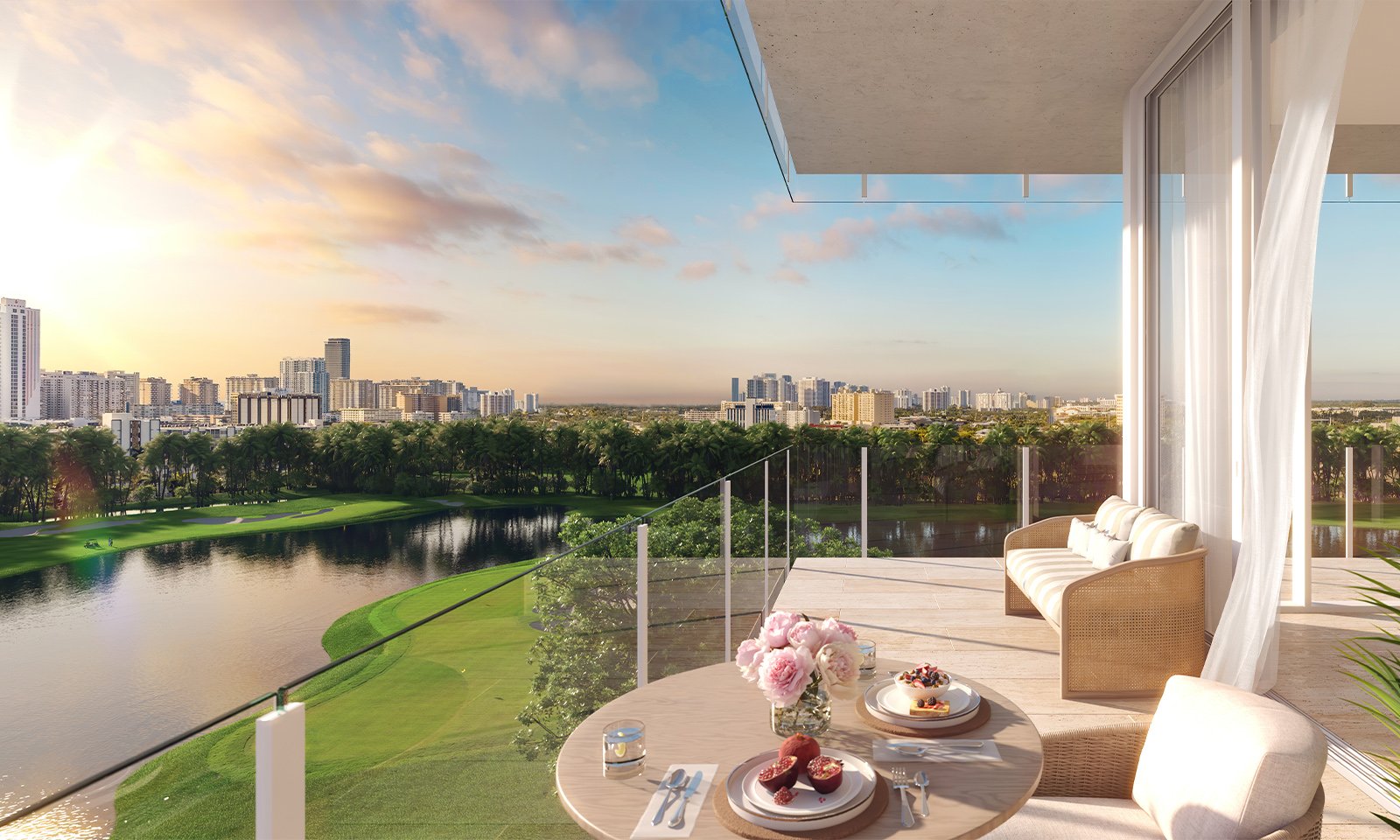
For ultra-premium buyers, the LA- or NYC-to-Miami conversation has shifted from novelty to strategy. The market is no longer defined by scarcity alone. In late 2025, Miami posted 10,591 active listings priced at $1M+ versus New York City’s 10,176-a symbolic inversion that matters because choice changes negotiating posture. At the same time, demand remains deeply tied to the Northeast: 26.3% of Miami-area home-shopping demand originated from the New York metro, outweighing the combined share of the next eight source metros.
The result is a luxury arena where Miami can feel both more plentiful and more contested. Inventory may be deeper than New York’s, yet buyers arrive with sophisticated expectations, tight underwriting, and a clear preference for turnkey outcomes. Median time-to-sell at the high end reflects that selectivity: top-tier listings in Miami-Fort Lauderdale-West Palm Beach have taken a median 93 days to sell.
1. Miami has more $1M+ listings than NYC, but not all inventory is equal Miami’s $1M+ active inventory has edged past New York City’s, a shift that signals breadth. The practical takeaway: you can comparison-shop views, floor plans, and building governance more easily than in a tight-supply market.
However, more choice demands a sharper filter-separating “available” from “compelling.” In a selection-driven environment, the best residences still trade on specificity and execution.
2. The luxury entry point in South Florida is meaningfully higher than most buyers assume By a 90th-percentile definition, the luxury threshold nationally sat around $1.19M in late 2025. In Miami-Fort Lauderdale-West Palm Beach, it was about $2.44M-one of the widest luxury-to-median gaps in the country.
If you are arriving from Manhattan or prime LA, that number may not feel daunting. But it matters for underwriting: it is the line where “nice” becomes “luxury” in market terms, and it can shape appraisal sensitivity, condo fee tolerance, and resale liquidity.
3. Plan for longer decision cycles at the top of the market A median 93 days to sell for luxury listings signals that buyers are taking time-not rushing. That is healthy, and it favors disciplined purchasers who negotiate based on comparables, carrying costs, and governance rather than urgency.
If you are selling in NYC or LA first, structure timelines accordingly. If you are buying first, consider bridge strategies that preserve optionality without forcing a rushed close.
4. New York’s pull remains real, and it shapes Miami’s competitive set Over a quarter of Miami-area demand has come from the New York metro. That concentration tends to raise expectations around building services, privacy protocols, and the full-time livability of a residence.
It also means you are often up against buyers who know what concierge-level operations look like-and will pay for them when the product is aligned.
5. Insurance is an underwriting line item, not a closing-day surprise Florida homeowners face the nation’s highest average home insurance premiums-more than triple the U.S. average-with coastal and waterfront properties often carrying additional cost pressure. For luxury buyers, insurance is not just a bill; it is a constraint that influences property selection, renovation scope, and long-term hold strategy.
This is where building choice becomes a form of risk management. In Brickell, for example, newer luxury towers can read as a finance-forward alternative to maintaining a waterfront single-family home-especially for global households that value predictability. A residence at 2200 Brickell speaks to that lock-and-leave logic while keeping you close to the city’s executive and cultural core.
6. LA buyers should treat environmental risk and insurance volatility as part of the trade-off In Southern California, homeowners insurance costs have been expected to climb amid wildfire losses and insurer pullbacks in higher-risk areas, with many seeking significant increases over one to two years. That pressure has been one more factor in out-migration from Los Angeles, where high costs and environmental risk have influenced household decisions.
Miami is not a risk-free alternative. It is a different risk profile, and buyers tend to do best when they accept that the underwriting work doesn’t disappear-it simply shifts categories, from fire to wind and water.
7. Miami may cool in places, but cooling is not the same as collapsing Forward-looking market expectations have flagged coastal Florida, including Miami, as likely to cool, citing natural disasters, insurance costs, and a partial return-to-office dynamic. For luxury buyers, a cooler tape can be an advantage: it can create cleaner negotiations, fewer bidding wars, and a tighter match between price and product.
Cooling also rewards selectivity. If your plan includes discretionary resale within a few years, prioritize buildings and locations that protect scarcity through governance, design, and enduring neighborhood appeal.
But the same data implies segmentation. There is a difference between a “million-dollar listing” and a residence that reads as truly prime in its micro-market.
9. Months of supply suggest leverage, but only if you buy the right line Active $1M+ inventory has been associated with approximately 19 months of supply in Miami-Dade and Broward, about 13 months in Palm Beach, and roughly 22 months in Martin County. That is the language of buyer leverage-particularly for homes overexposed to layout compromises, dated finishes, or weaker building governance.
Leverage, however, is not universal. Best-in-class beachfront and boutique product can remain quietly firm. For buyers who want a more intimate oceanfront experience in Miami Beach, 57 Ocean Miami Beach captures the appeal of boutique scale paired with a highly specific shoreline address.
10. Lifestyle catalysts are real, but your residence still has to function daily The decision to relocate is often framed around lifestyle: weather, tax posture, and access to the water. Yet for many households, the decisive variable is daily functionality. Multigenerational living has been a meaningful driver nationally, with one in five U.S. purchases tied to households seeking to live with extended family.
That reality changes the brief. You may need more bedrooms, better separation, and stronger sound and privacy planning than a pied-à-terre mindset provides. In Hallandale, a full-service coastal building such as 2000 Ocean Hallandale Beach can suit buyers who want beachfront ease and enough space to host family without turning the home into a project.
The strongest South Florida outcomes often come from matching neighborhood identity to prior-city behavior.
Brickell can feel familiar to Manhattan buyers who want vertical living, walkability, and a finance-forward rhythm. Miami Beach speaks to those who prioritize morning ocean time and a sense of arrival, but it demands sharper attention to building quality and resiliency. Palm Beach County can appeal to buyers who want a more residential cadence while still remaining connected to airports and cultural institutions.
If your intention is to balance city access with a quieter residential feel, Bay Harbor Islands is often evaluated for its scale and proximity to the beach. A wellness-oriented concept like The Well Bay Harbor Islands can be compelling for households that value health programming as part of the building’s operating identity rather than as an amenity add-on.
In a slower luxury market, the sharpest wins are often achieved through terms, not theatrics. Buyers can seek clarity on association health, special assessments, insurance posture, and building capital plans-then calibrate price accordingly. Sellers, for their part, will often respond to certainty: strong deposits, clean contingencies, and a credible closing timeline.
For cash buyers, the advantage is flexibility. For financed buyers, the advantage is preparation. Market expectations have pointed to easing mortgage rates toward roughly 5.8% by the end of 2026, which can improve affordability at the margin. But in the luxury tier, the bigger differentiator is underwriting readiness and the ability to move decisively when the right unit appears.
Is Miami really larger than NYC in $1M+ inventory now? Yes. Miami had 10,591 active $1M+ listings versus NYC’s 10,176 in December 2025.
What is the practical luxury entry price in South Florida? About $2.44M by a 90th-percentile definition for Miami-Fort Lauderdale-West Palm Beach.
Are luxury homes taking longer to sell in Miami? At the top 10% of listings, the median time-to-sell has been about 93 days.
How influential are New York buyers in Miami demand? New York metro accounted for 26.3% of Miami-area home-shopping demand in late 2025.
Does a cooler market mean prices will drop everywhere? Not necessarily. Cooling typically expands negotiation room, but prime product can remain firm.
Should buyers prioritize condos over single-family for risk control? Often, yes. Condos can concentrate maintenance and insurance decisions at the building level.
How big a factor is home insurance in Florida? It is significant. Florida has the highest average premiums nationally, often higher near water.
Is insurance volatility only a Florida issue? No. In California, many homeowners have faced expectations of notable increases amid wildfire risk.
Is multigenerational living affecting luxury buying decisions? Yes. A meaningful share of buyers are purchasing with extended family living in mind.
What is the single best way to avoid buyer’s remorse? Underwrite the building and the balance sheet as rigorously as the view and the floor plan.
If you'd like a private walkthrough and a curated shortlist, connect with MILLION Luxury.
If branded residences are on your mind — as a home or as an allocation — we would be glad to share what we are seeing, privately.
Begin a quiet conversation