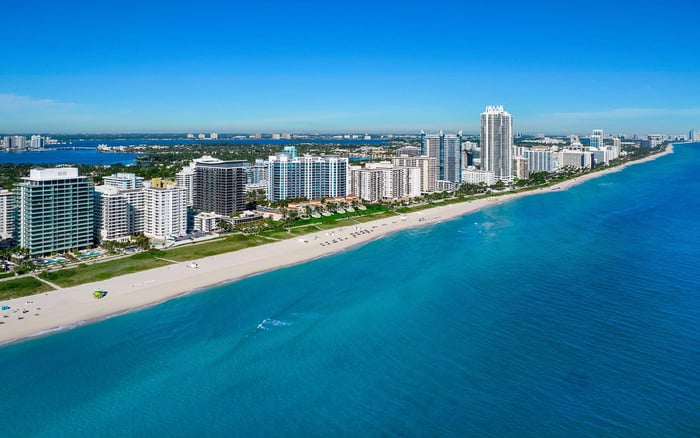
A discreet, buyer-forward guide to the real carrying costs behind South Florida’s luxury homes and condos in 2026: taxes, insurance, fees, maintenance, and staffing.
In South Florida’s top tier, the purchase is often framed as a capital decision: an address, a view, a lifestyle. But the day-to-day reality of ownership is shaped by a second number-the operating budget that begins the moment you close. It’s where taxes, insurance, HOA obligations, preventive maintenance, staffing, and major replacements either feel seamless or quietly reduce your flexibility.
For 2026 planning, many buyers treat a home like a private asset with a working pro forma. Not because they are cost-sensitive, but because they are time-sensitive. Predictable carrying costs protect the only irreplaceable luxury: ease.
Florida transactions can include one-time expenses that sit above the contract price. Even for cash purchases, it’s best to treat closing costs as a deliberate budget line item-not an afterthought.
One cost to understand early is Florida’s documentary stamp tax on deeds. Closing costs can also include title and settlement fees, and if financing is involved, lender fees. The nuance isn’t whether these costs exist-it’s when they hit. Many are due immediately, arriving before the first year of operating expenses even begins.
Property taxes may not be glamorous, but they’re among the more dependable annual outflows. In practice, buyers often do two things: model taxes for the specific location, then stress test the result against their assumptions.
The goal is less about chasing “the exact number” and more about ensuring the purchase budget reflects a realistic annual obligation-especially when a property is used as a second home where exemptions may not apply.
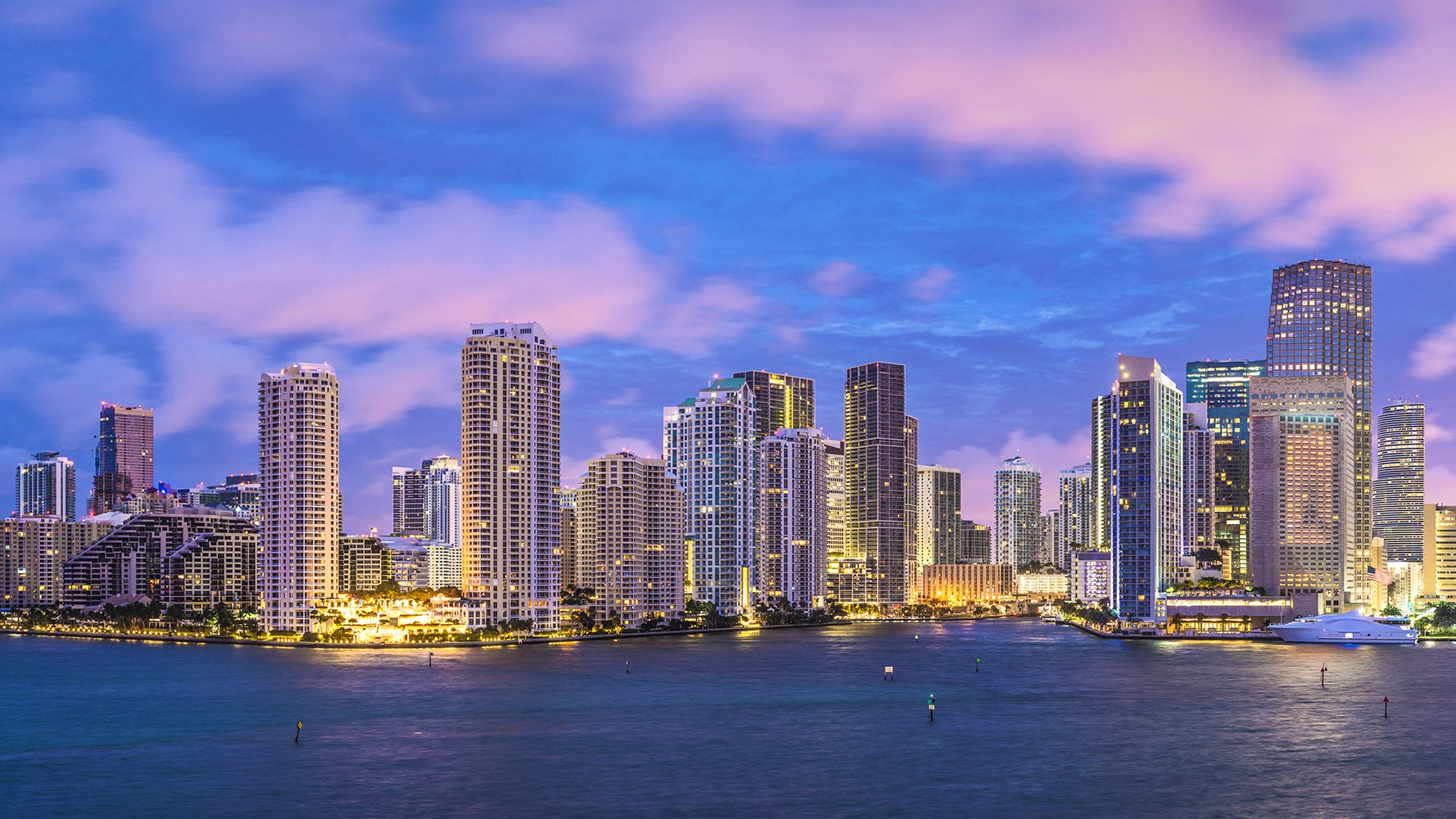
In luxury corridors like Brickell, where residences often come with a full-service tower lifestyle, taxes sit alongside HOA costs as baseline fixed spend. A buyer comparing a new condo at 2200 Brickell to a single-family alternative should weigh both taxes and common-charge structures as core decision factors.
Insurance is where South Florida’s beauty turns into a line item. Buyers should expect underwriting nuance tied to catastrophe risk.
Two mechanics matter disproportionately at the luxury level:
First, hurricane deductibles are commonly structured as a percentage of insured value rather than a flat amount. On a high-value home, that can translate into significant out-of-pocket exposure after a named storm, even when coverage is otherwise strong.
Second, standard homeowners policies typically do not cover flood damage. Buyers commonly evaluate a separate flood policy to close the gap. For waterfront and near-water addresses, flood coverage is foundational.
Condo buyers face a different insurance profile: the building’s master policy is commonly embedded in HOA fees, while individual unit policies cover interiors and personal liability. A premium oceanfront lifestyle at 57 Ocean Miami Beach may shift costs from “write the check yourself” to “pay through the association,” but the core reality remains the same: catastrophe risk is priced into ownership.
In Miami’s high-rise market, the carrying-cost headline is often the HOA or condo fee. These fees commonly bundle building operations, staffing, amenities, and building insurance. For buyers coming from a single-family maintenance model, the fee can feel high until they account for what it replaces: doormen, security, engineers, common-area climate control, elevators, concierge services, and a professionalized maintenance program.
There is also a structural reality in Florida: increased focus on reserves and building integrity can contribute to higher condo fees and greater assessment risk in many buildings. For luxury buyers, the key question isn’t whether costs can rise-it’s whether the building has a coherent capital plan behind them.
A practical approach is to ask for clarity on reserves, planned projects, and the cadence of major replacements. In an amenity-driven tower such as Aston Martin Residences Downtown Miami, operating complexity is part of the value proposition. Your job is to confirm that complexity is properly funded.
Beyond monthly bills, many ownership surprises come from “big cycles”-capital events that can define a year.
Roofing, HVAC replacement, pool resurfacing, exterior paint, waterproofing, and building-envelope care vary widely by property type, exposure, and design complexity. Large homes may require multiple systems and zones, so “an HVAC replacement” can mean several coordinated replacements.
If you want condo-like simplicity without giving up residential scale, consider communities where the building absorbs many of the maintenance variables while you focus on interiors and lifestyle. In Bay Harbor Islands, a wellness-forward approach at The Well Bay Harbor Islands can appeal to owners who value predictability in operating costs and vendor coordination.
Waterfront properties deliver a singular South Florida experience, but they also introduce infrastructure that behaves like a private marina.
Seawalls, dockage, and shoreline systems can become major long-term cost categories. Beyond contractor work, waterfront projects can require permitting and engineering coordination, which adds time and administrative overhead. The implication is straightforward: buyers should evaluate not only current seawall condition, but also the ownership timeline-and the likelihood of a major project within that window.
When a purchase includes dockage, a lift, or significant shoreline exposure, the right mindset is preventive: inspections, documentation, and a reserve plan for water-facing infrastructure.
In luxury homes, contents can rival the structure. Yet standard policies often carry lower sub-limits for categories like jewelry and fine art. High-value owners frequently consider scheduled personal property or similar coverage to insure these items appropriately.
Scheduling valuables typically requires appraisals and itemization. For buyers entering South Florida’s luxury market, this is a common surprise: the insurance work extends beyond the house and into the collection. Done correctly, it reduces friction in a claims scenario and ensures terms match the actual value at risk.
Domestic staffing and household operations can materially change annual carrying costs, particularly for second-home owners who depend on staff and vendors year-round. This isn’t just about payroll-it’s about continuity. A property that’s occupied seasonally still needs ongoing oversight: preventive maintenance, storm preparation, package handling, and vendor management.
For buyers weighing a staffed, full-service condo lifestyle against a single-family estate, staffing is often the hinge variable. A tower can externalize much of the labor through the association, while a standalone home offers privacy and land at the cost of building your own operational ecosystem.
A disciplined budget is less about minimizing expenses and more about choosing which expenses you want to own.
Start with fixed obligations: property taxes, baseline insurance, and HOA fees where applicable. Then price the controllables: staffing and service cadence, landscaping complexity, pool care, and technology. Finally, reserve for the cycles: roof, HVAC, seawall, and exterior maintenance.
This framework also helps you compare neighborhoods and product types without forcing a false equivalency. Brickell’s vertical ease, Miami Beach’s oceanfront exposure, and Bay Harbor Islands’ boutique calm each come with a distinct cost structure.
What costs should I budget for after closing on a South Florida luxury home? Plan for property taxes, insurance, maintenance, and (if applicable) HOA/condo fees as the baseline operating budget.
Are closing costs meaningful even for cash buyers? Yes. One-time taxes and settlement-related charges can still be material and should be budgeted before you close.
Why do hurricane deductibles feel especially large on high-value homes? Because they’re often calculated as a percentage of insured value rather than a flat dollar amount.
Does a standard homeowners policy usually include flood coverage? Typically no. Buyers often evaluate a separate flood policy, especially for waterfront or near-water properties.
What does a Miami condo HOA fee typically cover? Many associations bundle building operations, staffing, amenities, and portions of building insurance into the monthly or quarterly fee.
How do reserves relate to special assessment risk in condos? Strong reserves and a clear capital plan can reduce the likelihood and severity of future special assessments, though they can’t eliminate risk entirely.
What are the most common “big cycle” maintenance items to plan for? Roofs, HVAC systems, pools, exterior paint, waterproofing, and other building-envelope items are common long-term planning categories.
Why does waterfront ownership require a longer planning horizon? Seawall, dock, and shoreline projects can involve engineering, permitting, and contractor lead times, so they often require advance budgeting and scheduling.
Do art, jewelry, and other high-value items need separate insurance planning? Often yes. Standard policies may have lower sub-limits, so owners may consider scheduling valuables with appraisals and itemization.
How should I compare a full-service condo to a single-family home on total cost? Compare taxes, insurance, and fees, then add the “labor model”: HOA-provided staffing and maintenance versus privately managed vendors and household operations.
For a tailored shortlist and next-step guidance, connect with MILLION Luxury.
If branded residences are on your mind — as a home or as an allocation — we would be glad to share what we are seeing, privately.
Begin a quiet conversation