A buyer-oriented guide to planning a discreet, enterprise-grade smart-home package in South Florida new-construction condos, from structured wiring and managed Wi‑Fi to lighting, access control, wellness, and resilience.
In South Florida’s newest towers, “turnkey” increasingly means more than finishes and furnishings. Buyers now expect an invisible layer of technology that performs like exceptional staff: anticipatory, quiet, and dependable. The point is not to accumulate gadgets. It’s to create a residence that responds through scenes, schedules, and a single control experience-not a phone crowded with unrelated apps.
In practical terms, that expectation has shifted luxury condo planning toward professional, whole-home automation ecosystems designed to integrate lighting, shading, climate, audio, video, and access into one coherent system. That’s the line between a space with smart devices and a home that feels intentionally composed.
The highest-end smart home is rarely successfully “added on.” Planning should start pre-build so wiring, equipment locations, and the control system are coordinated before drywall-rather than retrofitted and patched later. In a condo, that early coordination matters even more because ceilings, risers, and service spaces come with shared constraints, and post-close modifications can be slower and more expensive.
A buyer’s best leverage is timing. During pre-construction and early buildout, you can often influence low-voltage rough-in, equipment-closet layouts, and the placement of keypads, sensors, and shade power. Once walls are closed, you’re typically left negotiating surface solutions that may function, but rarely look or perform like the original intent.
Luxury condos commonly standardize on professional automation platforms such as Control4, Crestron, or Savant because they’re built for whole-home integration-not isolated, single-device control. These ecosystems can differ meaningfully in positioning and typical installed cost, with higher cost generally tracking deeper customization and the ability to support more complex system capability.
For buyers, the decision is less about brand signaling and more about lifestyle fit and serviceability. Ask how the building and your integrator handle updates, remote support, and long-term maintenance. Your platform should also align with what the building is prepared to support-especially when shared infrastructure or building-wide policies apply.
A truly turnkey system supports scene-based control, where one action coordinates multiple subsystems instead of forcing separate controls. In a well-planned residence, “Good Morning” might raise shades, set lighting to a clean, flattering level, and cue audio in the kitchen. “Evening” might soften downlights, close shades for privacy, and shift audio to the terrace.
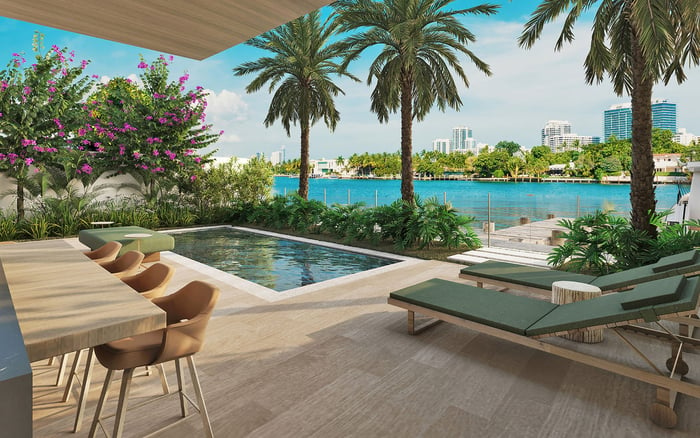
Scene design is where discretion lives. The best systems minimize interaction. Keypads stay consistent, and the home’s behavior feels natural rather than theatrical. In South Florida-where indoor-outdoor living is constant-scenes should also account for exterior lighting, terrace zones, and how glare shifts as sun angles change.
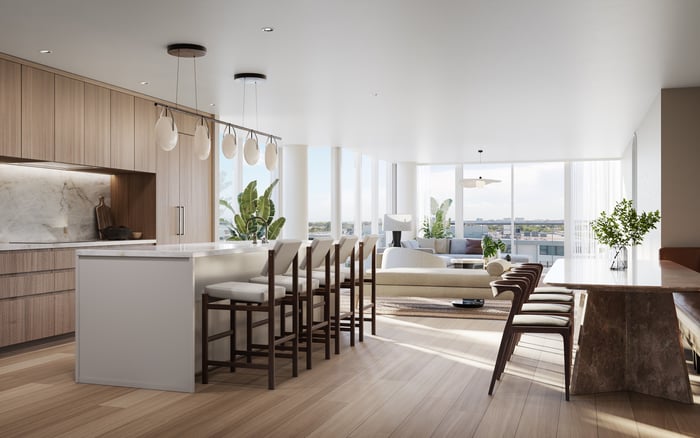
In a Brickell lifestyle where entertaining can move from kitchen to balcony in minutes, a residence such as 2200 Brickell naturally lends itself to a scene strategy that moves with open-plan living. The objective is continuity: lighting and audio that track the evening without you managing it.
Lighting is the most emotionally legible technology in a home-and the fastest way a smart-home package either reads as expensive or feels improvised. In the luxury segment, Lutron’s residential shade systems are a common standard for lighting and shading packages, supporting motorized shades that can be automated into scenes and schedules.
Shading isn’t only about convenience. It’s about privacy, glare control, and the way art and furnishings read in daylight. In oceanfront and high-floor homes, shades become an architectural instrument: they set the mood, protect interiors, and make a glass-walled residence feel composed.
In Miami Beach, where the line between public glamour and private retreat is thin, a project like Five Park Miami Beach suits a lighting and shading approach that prioritizes privacy and softness over brightness. The luxury move isn’t more light-it’s better light, placed correctly, with dimming that flatters skin tones and finishes.
A premium smart home is only as stable as its network. Structured wiring is the foundation for reliable performance, and professional structured cabling design is central to enterprise-grade deployments. For in-residence runs, Cat6A is positioned as a future-ready cabling choice, commonly recommended to support higher bandwidth requirements than older copper categories.
In many new towers, managed Wi‑Fi is deployed to deliver professionally operated connectivity-closer to enterprise service than residents self-managing routers. For buyers, the question isn’t whether managed Wi‑Fi exists, but how it’s implemented. Clarify what’s included, what’s optional, and how support is handled when you’re away.
This is also where a luxury buyer should be exacting. Network design touches video calling, streaming, multi-room audio, intercom, and cloud-managed access. If you want the home to feel effortless, treat cabling pathways, equipment closets, and Wi‑Fi coverage the way you’d treat mechanical systems: planned, documented, and serviceable.
Whole-home audio in luxury installs is typically multi-zone, enabling different rooms or zones to play different sources with centralized control. That matters in larger residences where entertaining, working, and quiet time overlap. It also matters in condos where you may want refined background audio without pushing volume.
For video, the luxury approach is integration without clutter: concealed sources, consistent remotes or touch interfaces, and a theater experience that doesn’t require a collection of visible boxes. When audio and video live inside the same control ecosystem as lighting and shades, the home gets simpler-not more complicated.
Smart locks in condo operations are often used for remote access and operational control, including issuing and managing access without physical keys. For owners who travel, that’s a meaningful quality-of-life upgrade: you can coordinate service visits or guest arrival without handing out copies.
Video intercom systems increasingly integrate mobile access and cloud management, making them well-suited to multifamily visitor and delivery workflows. In a well-run building, this becomes part of the overall arrival experience: the right people get in smoothly, and everyone else does not.
Your checklist should include governance: who administers access, how permissions are audited, and what happens during outages. Luxury isn’t just the feature set. Luxury is control.
Wellness has become a serious design priority, and smart-home planning is now expected to support it with restraint. Circadian lighting describes light that shifts intensity and color over the day to support human sleep and wake rhythms. In practice, this is often delivered through tunable or dynamic lighting planned around wellbeing outcomes across different times of day.
Indoors, continuous awareness can matter as much as automation. Indoor air-quality monitoring products commonly track key metrics and are marketed for ongoing monitoring to inform healthier indoor environments. For condo buyers who spend significant time in-residence-or who want peace of mind when the home is unoccupied-this type of monitoring can be a quiet addition that supports comfort without changing the aesthetics.
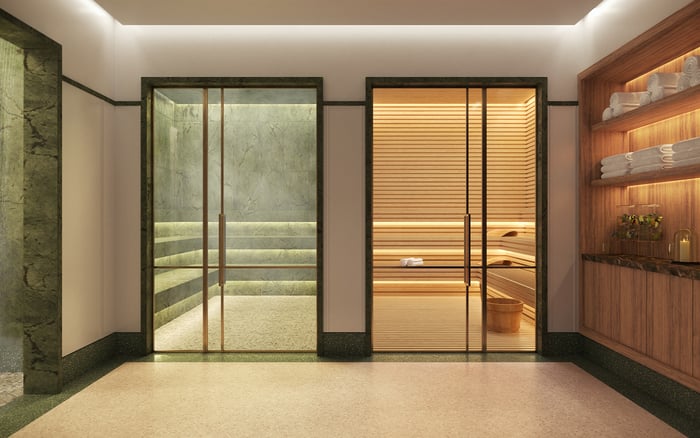
In Bay Harbor, where discretion and calm are part of the appeal, a wellness-forward environment aligns naturally with The Well Bay Harbor Islands. The point isn’t to turn the home into a laboratory. It’s to keep the residence feeling stable and restorative, day after day.
In South Florida, resilience is part of the luxury conversation. Battery storage brands such as sonnen are used in home energy systems to provide backup power capability and energy management as part of resilient home design. Beyond emergency readiness, many owners also view smart energy management as part of luxury living, tying automation and monitoring to comfort optimization and efficiency.
For condo buyers, feasibility can depend on building rules and available space. Still, the mindset holds: prioritize systems that degrade gracefully. If the internet goes down, what still works locally? If power is interrupted, what comes back first? A true premium build addresses these questions early.
Your in-residence technology is only one layer of the stack. Digital resident concierge platforms have become a luxury-building expectation because they centralize resident services, communication, requests, and amenities into a single experience layer.
For buyers, this matters because it reduces friction. Reserving amenities, coordinating packages, communicating with management, and managing building notices can move from email chains into one consistent channel. In the best buildings, this layer feels like hospitality rather than administration.
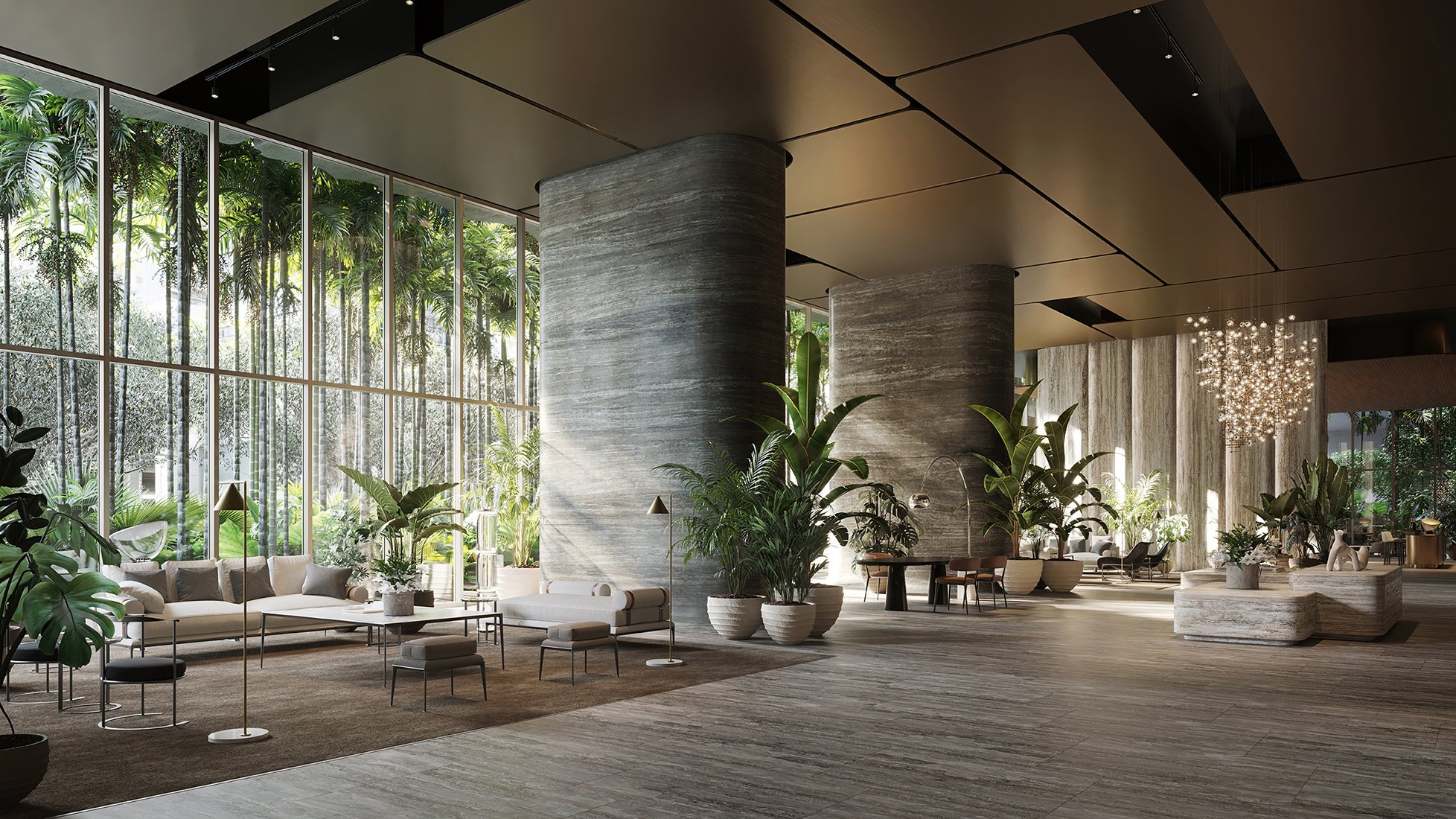
In Downtown Miami, where global owners may be in and out, that service layer can be a decisive comfort. It’s one reason lifestyle-branded towers such as Waldorf Astoria Residences Downtown Miami can feel compelling when technology, staffing, and resident experience are treated as one continuum.
Interoperability is improving, but it’s not a substitute for professional system design. Matter is an interoperability standard intended to let devices work across ecosystems, and it remains an evolving cross-vendor platform. For luxury buyers, the practical takeaway is to avoid painting yourself into a corner.
A balanced approach:
Do this well, and the home can accept change without being defined by it.
Before you sign, upgrade, or close, pressure-test the details that determine whether the technology disappears into daily life:
Pre-build planning: low-voltage rough-in, equipment closets, shade power, keypad locations.
Control ecosystem: one platform, scenes that coordinate subsystems, consistent interfaces.
Network: structured wiring, Cat6A where appropriate, and a clear Wi‑Fi support plan.
Privacy and access: smart locks and intercom with strong permissioning and auditability.
Wellness: circadian-capable lighting strategy and indoor air awareness.
Resilience: backup and energy management options that match building constraints.
A smart home in this segment should be felt, not seen.
When should a smart-home plan begin for a new-construction condo? Ideally before drywall so wiring, equipment locations, and control components are integrated cleanly.
Why do luxury condos favor Control4, Crestron, or Savant? They’re designed for whole-home integration rather than one-off devices managed in separate apps.
What is the benefit of scenes versus controlling devices individually? Scenes coordinate multiple systems with a single action, making the home simpler and more elegant.
Are motorized shades a true luxury essential or just a convenience? In glass-forward condos they manage privacy and glare while integrating into lighting and daily routines.
What does “structured wiring” mean in a condo context? It’s a planned low-voltage cabling system that improves reliability for networking and smart-home gear.
Why is Cat6A discussed so often in new builds? It’s commonly positioned as a future-ready option that supports higher bandwidth needs than older cabling.
Is managed Wi‑Fi better than setting up my own router? Managed Wi‑Fi can deliver enterprise-like support and consistency, but you should confirm what is included.
How does whole-home audio differ from typical speaker setups? Multi-zone systems let different rooms play different sources while staying centrally controlled.
What should I look for in smart locks and intercom for a luxury building? Prioritize secure remote access management, clear permissioning, and smooth guest and delivery workflows.
Is Matter enough to future-proof a luxury smart home? It can help with interoperability, but a robust primary control ecosystem and strong infrastructure still matter more.
For a confidential assessment and a building-by-building shortlist, connect with MILLION Luxury.
If branded residences are on your mind — as a home or as an allocation — we would be glad to share what we are seeing, privately.
Begin a quiet conversation