A buyer-oriented look at how privacy changes across South of Fifth, Surfside, and Mid-Beach, from arrival sequence and building scale to oceanfront rhythm, social exposure, and the quiet cues that matter most in Miami Beach luxury living.
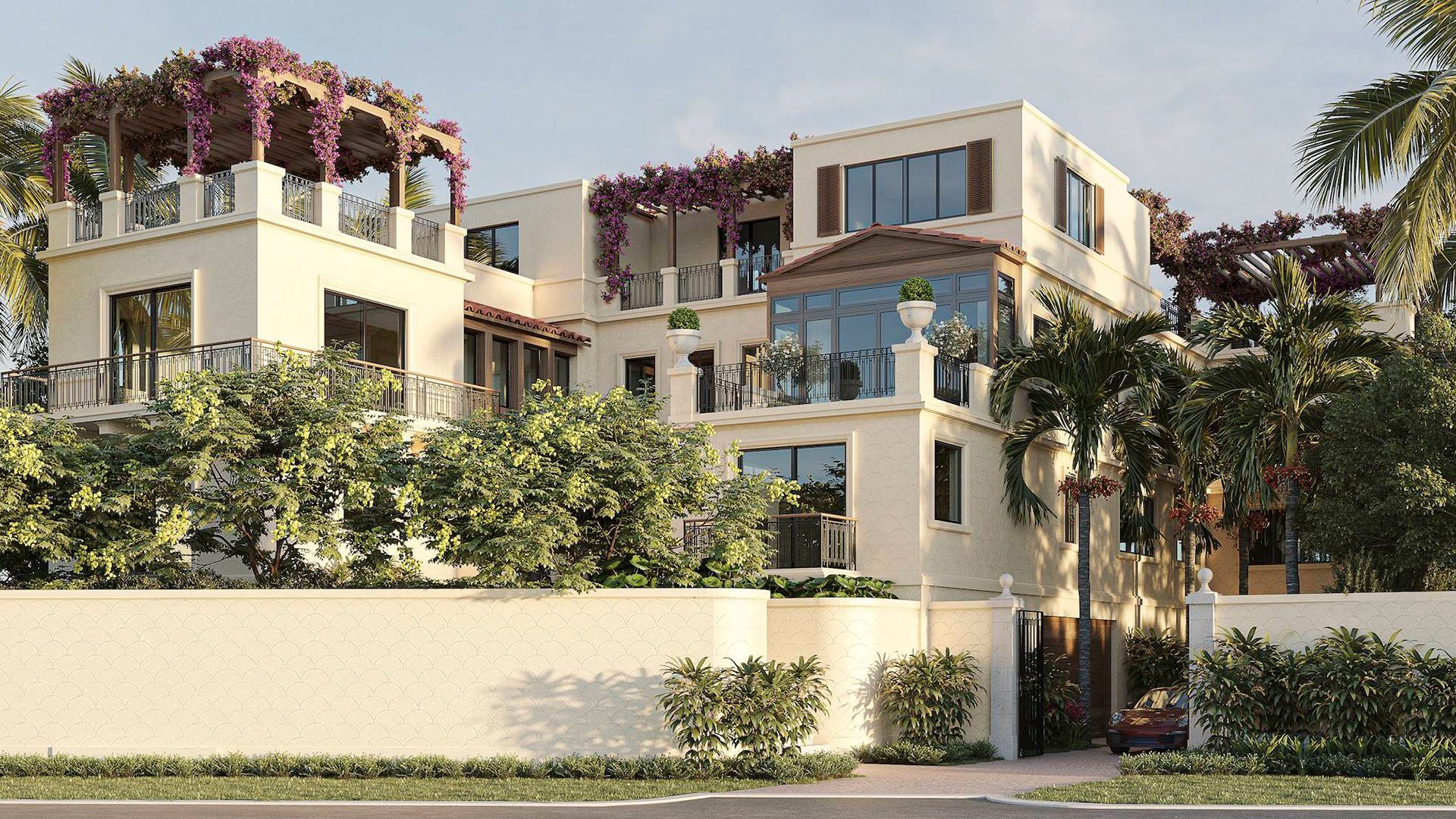
Privacy in Miami Beach is rarely a single feature. It is a feeling shaped by arrival, sightlines, staff culture, building scale, beach rhythm, parking choreography, elevator access, and the way a neighborhood behaves at 9 a.m. and 9 p.m. For luxury buyers comparing South of Fifth, Surfside, and Mid-Beach, the central question is not simply which area is more exclusive. It is which version of discretion fits daily life.
South of Fifth feels intimate because it sits at the southern tip of Miami Beach and carries a clear neighborhood identity. Surfside feels protected because it is calmer, more residential, and less performative. Mid-Beach feels composed because its best addresses can deliver space, service, and resort-grade polish without the constant theatricality of South Beach.
For a buyer who values silence, privacy may mean fewer interactions. For a buyer who entertains, it may mean controlled access and gracious separation between public and private spaces. For a family, it may mean a quieter building culture. For a seasonal resident, it may mean a lock-and-leave environment where staff makes life seamless without becoming conspicuous.
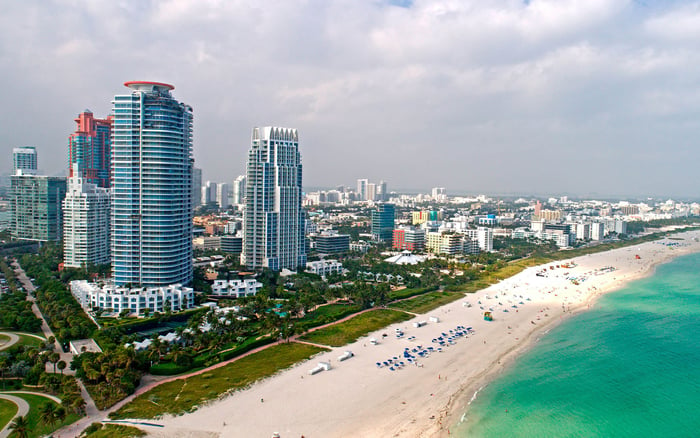
South of Fifth, often shortened to Sofi, offers a distinct kind of privacy: discreet, but not withdrawn. The neighborhood has an elegant social charge. Residents can walk to dining, marina life, parks, and the beach, then retreat into buildings designed to create a strong sense of separation from the street.
Here, privacy is less about isolation and more about controlled proximity. A residence can feel tucked away while remaining close to the most recognizable parts of South Beach. That balance suits buyers who want the city nearby, but not in the living room. It also suits those who value a recognizable address without seeking a showy day-to-day experience.
Buildings such as Apogee South Beach speak to the South of Fifth buyer who wants privacy through scale, service, and strong arrival control. Continuum on South Beach represents another South of Fifth reference point, particularly for those who want a residential setting that still carries the energy of a landmark neighborhood.
The tradeoff is that South of Fifth is not sleepy. Its privacy is curated rather than naturally quiet. Street life, dining, and proximity to South Beach create a more public backdrop. Buyers who love people-watching, restaurants, and a cosmopolitan feel may find this ideal. Buyers who want near-total quiet may prefer Surfside.
Surfside privacy begins before the lobby. The tone is quieter and more residential, with a pace that feels less like a stage and more like a neighborhood. The area has long appealed to buyers who want oceanfront living without the heavier nightlife association of South Beach. It is not anonymous, but it is less performative.
Here, privacy comes from reduced friction. Fewer daily interruptions, calmer streets, and a gentler beachfront rhythm can make the same square footage feel more serene. A buyer moving from a high-visibility urban building may immediately notice how different the arrival experience feels. There is often less pressure to be seen.
The Surfside buyer is often focused on discretion, service, and a residential mood that does not need to announce itself. The Delmore Surfside fits naturally into this conversation because the Surfside setting itself supports a quieter luxury profile. The Surf Club Four Seasons Surfside carries a different kind of prestige, rooted in hospitality, heritage, and an understated oceanfront atmosphere.
Surfside may feel especially compelling to buyers who want privacy without losing access to the broader Miami Beach corridor. It is removed enough to feel calm, yet connected enough for dining, shopping, schools, airport access, and cultural plans across the region. For many, that is the sweet spot.
Mid-Beach occupies a more expansive emotional register. It can feel grander, more open, and more resort-oriented than South of Fifth or Surfside. Privacy here depends greatly on the building, the specific line, the beach position, and how the property manages arrival, valet, amenities, and guest circulation.
The best Mid-Beach residences appeal to buyers who want the oceanfront lifestyle in a more composed format. The energy is present, but less compressed than South of Fifth. There is room for a larger beachfront experience, and in the right building, that can translate into a sense of breathing space.
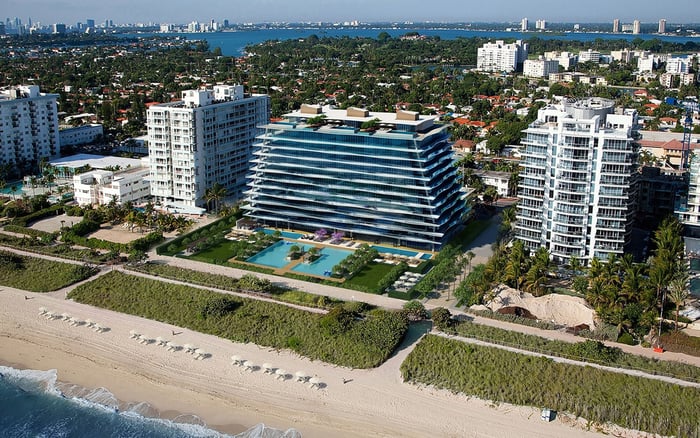
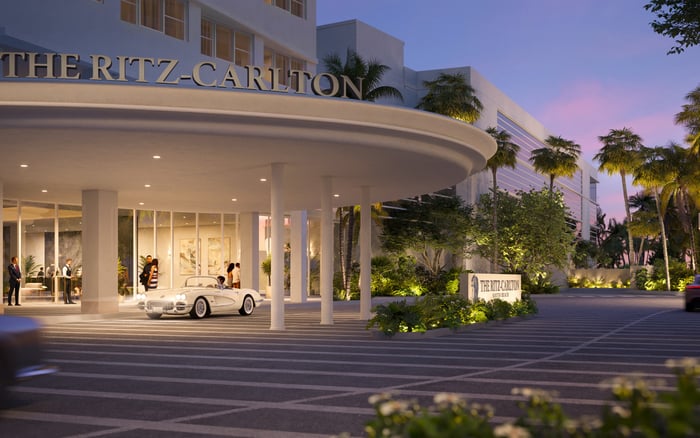
For those seeking a polished Miami Beach address with architectural presence, The Perigon Miami Beach offers a relevant point of reference in the Mid-Beach privacy discussion. The Ritz-Carlton Residences® Miami Beach also belongs in the conversation for buyers who associate privacy with service culture, managed arrivals, and a more residential interpretation of hospitality.
The tradeoff is that Mid-Beach can vary block by block and building by building. Some buyers will find its resort character soothing. Others may prefer the sharper neighborhood intimacy of South of Fifth or the quieter residential feel of Surfside. In Mid-Beach, due diligence is less about the neighborhood name and more about the lived experience of a specific property.
The most private address on paper can feel exposed if the building does not manage movement well. Buyers should look beyond the façade and consider the choreography of daily life. How does the car arrive? Where do guests wait? How visible is the lobby from the street? Does the elevator sequence feel direct or public? Are service areas sufficiently separate from resident spaces?
Oceanfront privacy also depends on elevation and orientation. A beautiful view is not the same as a private view. Lower floors may connect more directly to landscape and beach energy, while higher floors can feel more removed. Terraces can be spectacular, but exposure matters. Some buyers love a visible outdoor room. Others prefer a quieter balcony condition where morning coffee does not feel observed.
Amenities require equal attention. A dramatic pool deck can be a social asset or a privacy compromise, depending on how it is positioned. Fitness spaces, spa areas, beach clubs, lounges, and dining rooms should be evaluated for intimacy, not just design. Boutique scale can help, but a boutique building is not automatically private unless the circulation and service model support that promise.
Choose South of Fifth if you want discretion with social access. It is best for buyers who enjoy the energy of a known enclave, want restaurants and the beach close by, and value a building that can create calm within a lively setting.
Choose Surfside if you want a quieter residential mood. It is best for buyers who place a premium on low-profile living, oceanfront calm, and a neighborhood that feels less driven by spectacle.
Choose Mid-Beach if you want space, polish, and a broader resort rhythm. It is best for buyers who like the idea of a refined beachfront address, but want the property itself to do the privacy work through service, access, and design.
The most successful purchase is rarely about choosing the most private neighborhood in absolute terms. It is about aligning the address with how you actually live. Privacy, at this level, should feel effortless. You should notice it because life is calmer, not because someone has to explain it.
Is South of Fifth more private than Surfside? It can feel more controlled inside the right building, but Surfside generally has a quieter street-level mood. South of Fifth is more social and connected.
Who is the ideal South of Fifth buyer? A buyer who wants discretion without giving up dining, beach access, and South Beach energy. It suits those who like privacy with proximity.
Why does Surfside feel so different? Surfside has a calmer residential rhythm and a less performative atmosphere. That makes privacy feel more natural rather than engineered.
Is Mid-Beach private enough for ultra-luxury buyers? Yes, when the building handles access, amenities, and resident circulation well. In Mid-Beach, the property matters as much as the neighborhood.
Does oceanfront living reduce privacy? Not necessarily. Elevation, terrace placement, landscaping, and beach-facing circulation determine whether an oceanfront residence feels exposed or serene.
Are smaller buildings always more private? Not always. Smaller scale can help, but privacy depends on staffing, access control, elevator design, and the separation of resident and guest areas.
What should buyers inspect during a showing? Watch the arrival sequence, lobby visibility, elevator flow, amenity placement, and how residents move through the property. These details reveal daily privacy.
Is a high floor always the better private choice? A high floor can improve separation and views, but it is not automatically superior. Some lower residences feel more secluded because of landscape and orientation.
Which area feels most low-profile? Surfside usually feels the most naturally low-profile. South of Fifth feels more socially polished, while Mid-Beach varies by building and beachfront setting.
How should I compare these areas before buying? Visit at different times of day and focus on how the neighborhood feels, not just how it looks. Privacy is a daily rhythm, not a brochure feature.
For a confidential assessment and a building-by-building shortlist, connect with MILLION.
If branded residences are on your mind — as a home or as an allocation — we would be glad to share what we are seeing, privately.
Begin a quiet conversation