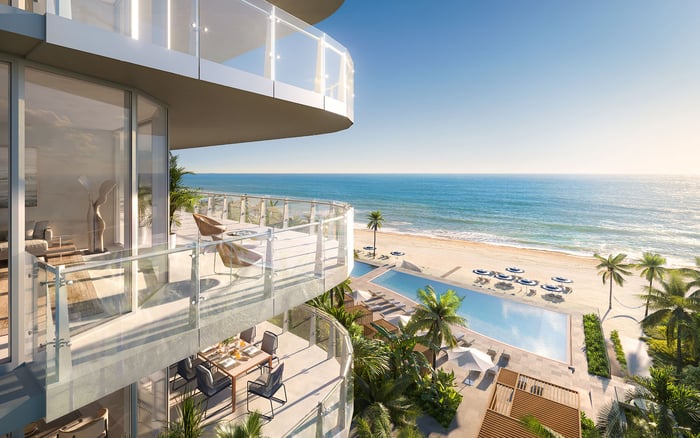
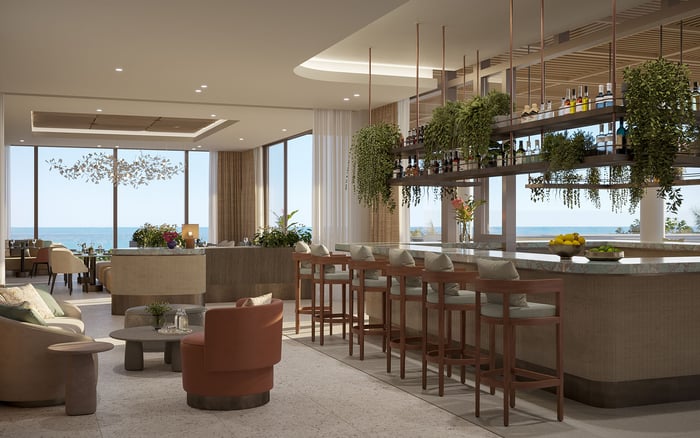
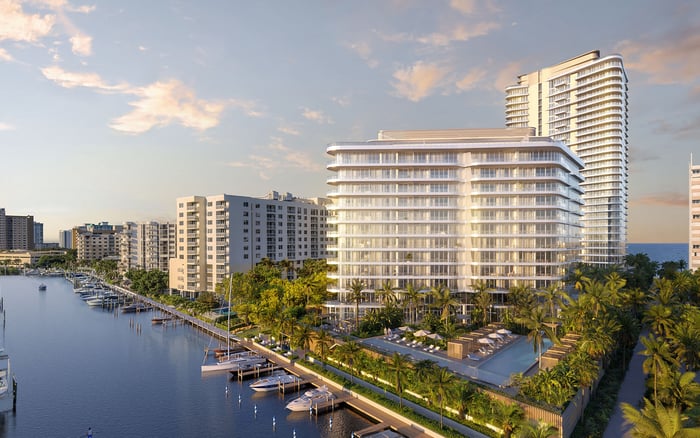
A buyer-focused comparison of Fort Lauderdale and Pompano Beach for luxury beachfront living, with emphasis on service, marina access, and perceived value.
Fort Lauderdale and Pompano Beach sit close enough to belong in the same Broward coastal conversation, yet they speak to different instincts in the luxury buyer. One is often approached as a polished, service-forward beach city with a mature hospitality rhythm. The other is increasingly viewed through value perception, fresh residential energy, and a quieter stretch of coastline for buyers who want the ocean without feeling overexposed.
This is not a question of which address is universally better. It is a question of how you live. Some buyers want an oceanfront residence where staff recognition, dining proximity, arrival experience, and brand familiarity feel immediate. Others want space to interpret luxury more privately, with a sharper eye on entry point, future optionality, and the possibility that the market’s narrative is still being written.
In Fort Lauderdale, the service conversation usually begins with expectation. Buyers who gravitate here often want the day to feel orchestrated, from the building entrance to the beach path, from concierge tone to valet cadence. The appeal is less about spectacle than continuity. The best Fort Lauderdale beachfront experience feels easy before it feels impressive.
That is why branded and highly serviced residences matter in this segment. A buyer considering Four Seasons Hotel & Private Residences Fort Lauderdale is not simply comparing a floor plan. The decision is also about the residential culture implied by the name, the service language of the property, and the comfort of a familiar operating standard. For an owner who splits time between homes, that consistency can be as valuable as the view.
Pompano Beach can feel different. The service expectation may still be elevated, especially at new luxury addresses, but the buyer psychology is often more exploratory. It may appeal to someone who wants refinement without inheriting the full social and price identity of a more established luxury corridor. That distinction can be subtle, but in high-end real estate, subtlety is often where value is defined.
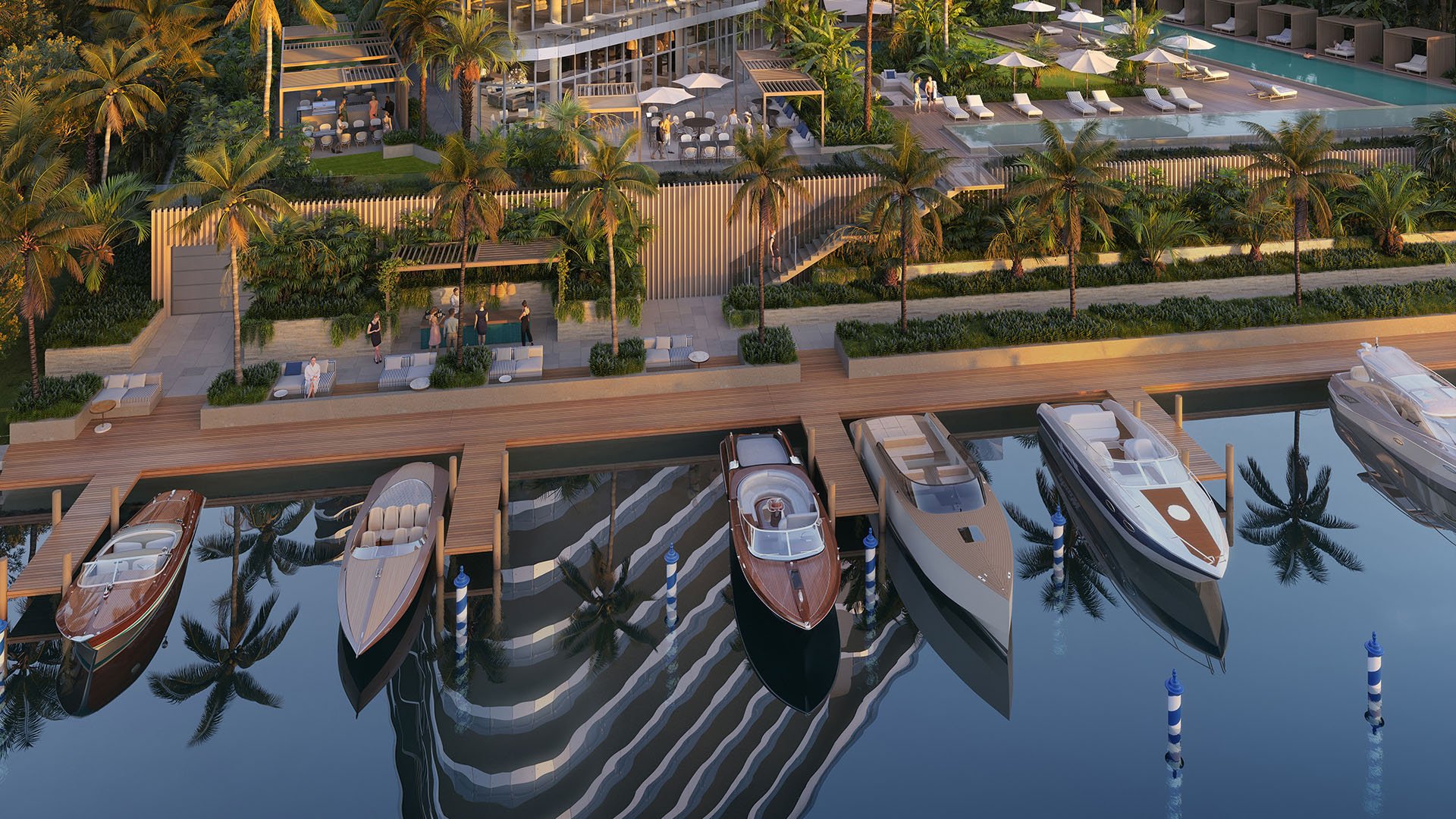
Marina access is not a checkbox. It is a lifestyle filter. A buyer should ask how often boating will actually shape the week, who will manage the vessel, how guests will arrive, and whether the residence should function as a true boating base or simply sit near the water.
Fort Lauderdale has a strong identity around yachting and waterfront living, which makes it compelling for buyers who want the boating lifestyle woven into the city’s daily vocabulary. Residences such as St. Regis® Residences Bahia Mar Fort Lauderdale sit naturally in a conversation about coastal ownership where marina proximity and branded service can overlap. The buyer is not just purchasing a beach residence. The buyer is choosing a mode of arrival, movement, and entertaining.
Pompano Beach should be evaluated with the same rigor, but not necessarily the same assumptions. For some buyers, the appeal is less about being at the center of a boating scene and more about simplifying the coastal routine. If the boat is a weekend pleasure rather than a defining identity, the Pompano equation may feel more balanced.
Value perception in luxury real estate is rarely about price alone. It is the relationship between location, finish, brand, view quality, service promise, and the buyer’s belief in what the address may become. Pompano Beach can enter the conversation with a compelling sense of repositioning, particularly for buyers who do not need the inherited prestige of Fort Lauderdale to validate the purchase.
That is where projects such as The Ritz-Carlton Residences® Pompano Beach matter. A name of that caliber changes how buyers frame the coastline. It suggests that Pompano Beach is not merely a value alternative, but a serious luxury residential market with its own emerging vocabulary.
The same applies to Armani Casa Residences Pompano Beach, where design association becomes part of the value thesis. For some buyers, the attraction is the chance to own in a market that feels less fully priced in terms of perception, while still aligning with an elevated residential identity.
Fort Lauderdale, by contrast, may feel more immediately legible. Its value is less about discovery and more about confidence. Buyers understand what they are buying into: beach, service, restaurants, boating culture, and a cosmopolitan coastal rhythm. That clarity can command a premium because it reduces interpretive risk.
Fort Lauderdale’s advantage is its maturity. It offers a luxury buyer a more familiar sense of place, especially when the purchase must satisfy family use, guest expectations, and long-term resale confidence. A residence such as Andare Residences Fort Lauderdale can be evaluated within a broader urban coastal framework, rather than as an isolated bet on a changing market.
This matters for buyers who want their home to perform socially as well as personally. The address should be easy to explain. The arrival should feel natural. The surrounding environment should support both a spontaneous dinner and a quiet morning on the sand. Fort Lauderdale’s strongest luxury proposition is that it already knows what it is.
The cleanest way to compare the two markets is to separate emotional desire from operating reality. If the residence will be used frequently, service reliability and daily convenience should carry significant weight. If the home is more seasonal, the buyer may give greater importance to lock-and-leave confidence, brand recognition, and ease of guest use.
If boating is central, Fort Lauderdale may feel more complete. If beachfront value perception is the priority, Pompano Beach may deserve a closer look. If the decision is primarily about prestige, Fort Lauderdale often reads as the more established choice. If it is about buying into a coastal story with room for perception to evolve, Pompano Beach becomes more interesting.
Neither market should be reduced to a simple winner. The better purchase is the one whose service level, marina logic, and value narrative match the way the owner actually intends to live.
Is Fort Lauderdale more service-oriented than Pompano Beach? Fort Lauderdale often reads as the more established service-led choice. Buyers who prioritize a polished daily arrival may find it more immediately familiar.
Is Pompano Beach mainly a value play? Not only. Pompano Beach can appeal to buyers seeking value perception, while new luxury projects also give it a stronger design and brand identity.
Which market is better for boating? Fort Lauderdale is often considered more deeply associated with boating culture. The right choice still depends on how frequently the owner expects to use the water.
Does an oceanfront address matter more than the city? The view is essential, but the building’s service culture and surrounding lifestyle can matter just as much. Buyers should weigh both together.
Are branded residences important in this comparison? Yes, because brand can shape expectations around service, design, and ownership confidence. It can also help define value perception in a changing market.
Which city feels more established for luxury buyers? Fort Lauderdale generally feels more established as a luxury beach and boating address. That maturity can be reassuring for buyers focused on predictability.
Why would a buyer choose Pompano Beach instead? A buyer may prefer Pompano Beach for its quieter coastal tone and evolving luxury narrative. It can feel less fully defined, which some buyers see as opportunity.
Should investors think differently from end users? Yes. End users should prioritize daily service and personal rhythm, while investors may place more emphasis on perception shifts and long-term optionality.
Is proximity to a marina always necessary? No. It matters most when boating is part of the owner’s routine. Otherwise, beach quality, service, and residence design may be more important.
What is the best way to shortlist comparable options for touring? Start with location fit, delivery status, and daily lifestyle priorities, then compare stacks and elevations to validate views and privacy.
To compare the best-fit options with clarity, connect with MILLION.
If branded residences are on your mind — as a home or as an allocation — we would be glad to share what we are seeing, privately.
Begin a quiet conversation