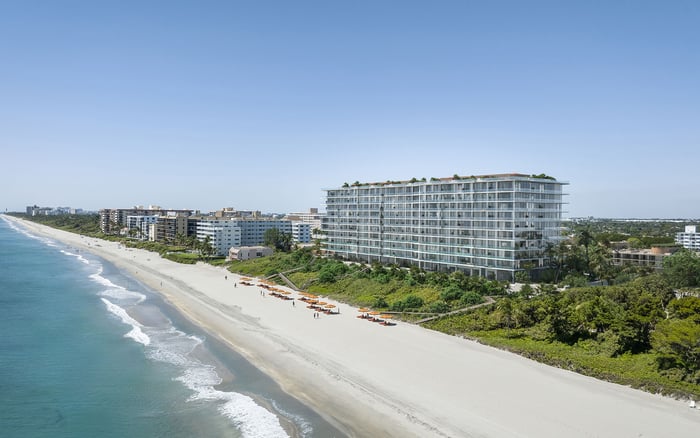
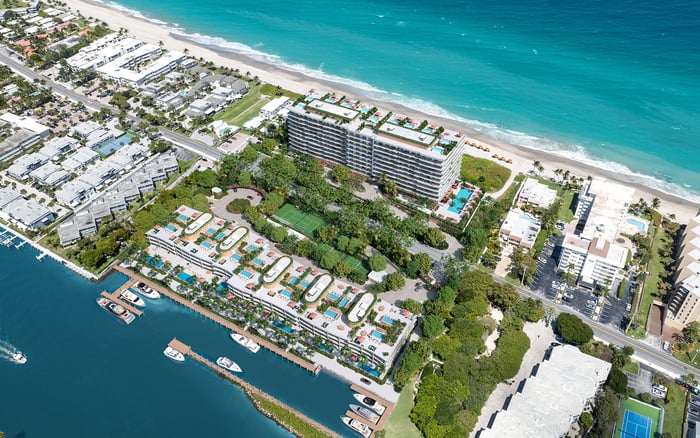
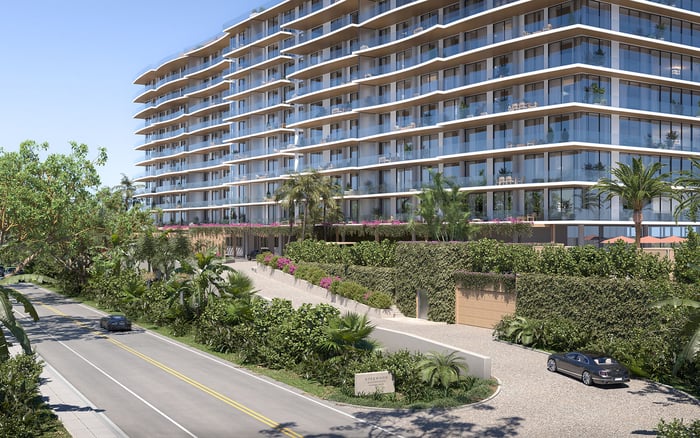
A buyer-oriented look at privacy in Hillsboro Beach luxury condos, from controlled arrivals and elevator protocol to service culture, vendor management, and the quiet signals that shape daily discretion.
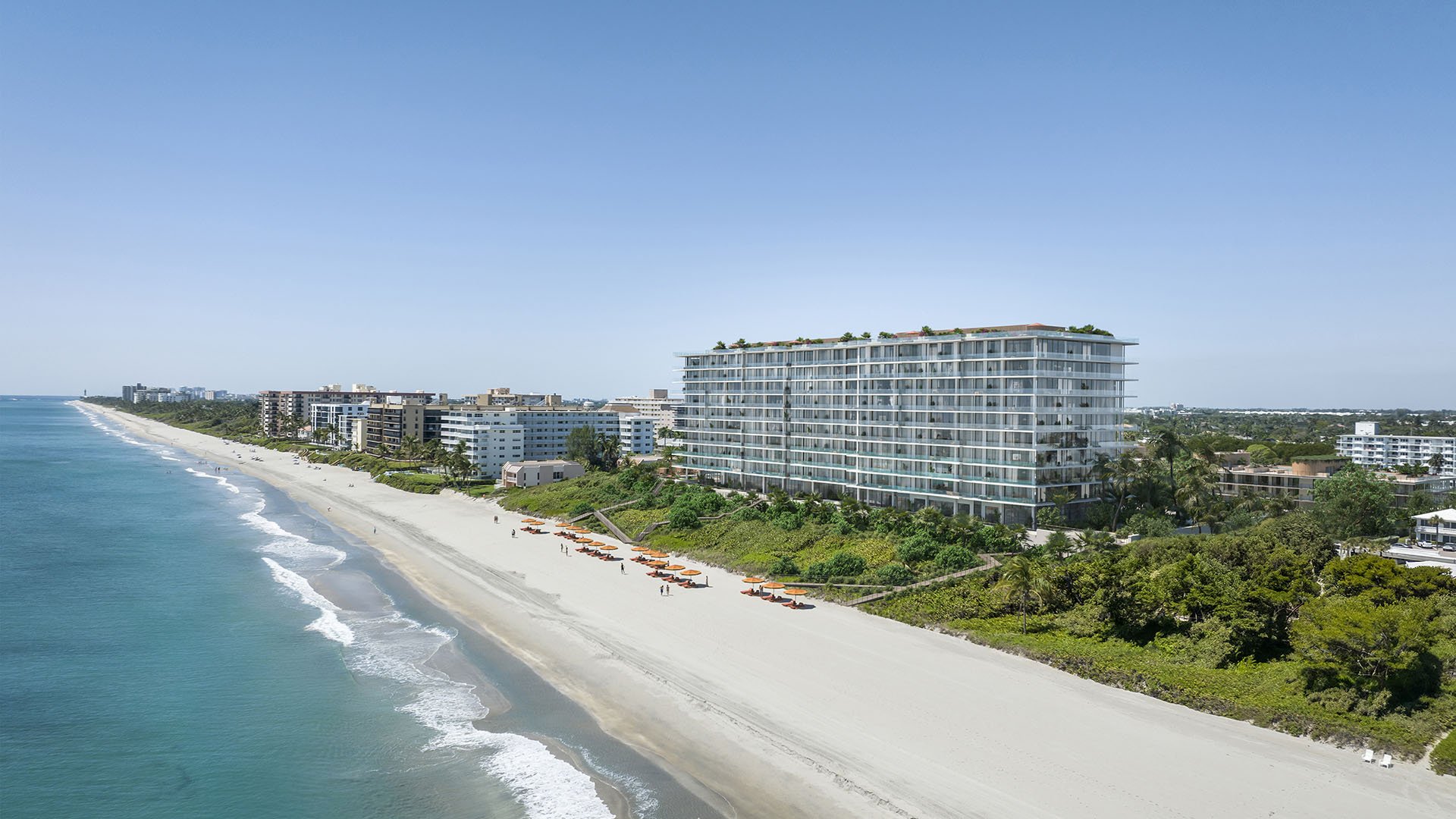
In Hillsboro Beach luxury condominiums, privacy is not a single amenity. It is an operating philosophy. A secure entry matters, but the more valuable question is how a building manages daily movement: residents, guests, vendors, deliveries, staff, drivers, service providers, and unexpected arrivals. The most discreet residences make privacy feel effortless rather than theatrical.
For buyers comparing Hillsboro Beach options with other South Florida coastal addresses, the conversation should begin before the lobby. The arrival sequence, parking experience, front desk protocol, elevator access, package handling, and service culture all influence whether a residence feels composed or exposed. Privacy is not simply about keeping people out. It is about allowing owners to live normally, host gracefully, and move through the property without unnecessary friction.
That is why privacy due diligence belongs beside floor plan, view, finish level, and association review. A residence may be visually impressive, but the building’s daily rhythm determines whether it remains serene after closing.
The first privacy test is the approach. Buyers should study how the property receives residents and visitors. Is the arrival intuitive, calm, and monitored without feeling performative? Can staff identify expected guests without prolonged public conversations? Are drivers, delivery personnel, and contractors routed in a way that protects the residential experience?
In a truly privacy-minded building, access control is layered. The strongest environments do not rely on one door, one camera, or one person. Instead, the experience moves through coordinated checkpoints: exterior approach, entry recognition, front desk confirmation, elevator control, and residence-level expectations. Each layer should feel natural.
A gated-community label can be useful, but it is not a substitute for disciplined operations. Buyers should ask how guests are pre-cleared, how recurring vendors are managed, how after-hours arrivals are handled, and how staff communicate internally. A quiet process is often more revealing than a dramatic security presentation.
Technology can restrict access, but people preserve discretion. The best staff cultures are observant, calm, and consistent. They know how to greet without overstepping, assist without lingering, and resolve issues without making residents feel watched.
During a property visit, buyers should pay close attention to tone. Does the team speak softly in public areas? Are resident names used carefully? Are packages, keys, guest lists, and service requests handled in view of others? Are staff members focused on the building, or distracted by personal devices and lobby conversation?
Luxury privacy is often compromised by small habits. A guest name said too loudly, a contractor wandering without guidance, a package left visibly in the wrong place, or a lobby conversation about a resident’s schedule can alter the mood of an entire building. Conversely, a trained team creates trust through repetition.
For comparison, buyers considering nearby coastal residences such as Rosewood Residences Hillsboro Beach should evaluate not only architecture and location, but also how the building intends to manage service touchpoints once residents move in.
Privacy ultimately becomes culture. It is reflected in how residents use amenities, how guests are received, how boards and managers enforce policies, and how the building responds when an owner wants a quiet life rather than a public one.
A boutique building may offer a more intimate daily experience, but intimacy does not automatically mean privacy. Smaller resident counts can reduce traffic, yet they can also make social patterns more visible. Larger buildings may offer more staff coverage, but they require stronger systems to prevent anonymity from becoming disorder. Neither model is inherently superior. The right fit depends on the buyer’s lifestyle.
For some owners, privacy means not being recognized in common areas. For others, it means a known staff team that understands preferences without formal instruction. Some want limited guest circulation; others host frequently and need a building that can manage visitors elegantly. The key is alignment.
This is where the exclusive-area conversation becomes practical. A prestigious address can support a sense of separation, but the building’s rules and resident norms determine how that separation feels day to day.
Buyers often focus on the lobby because it is designed to impress. Privacy, however, is often decided in less photographed spaces. The garage, elevator bank, service entrance, loading area, mail room, and back-of-house circulation can reveal how carefully a building separates public, private, and operational movement.
Ask how residents reach their homes from parking. Ask whether guests share the same elevator path. Ask how vendors are escorted, how deliveries are staged, and whether service activity crosses primary residential areas. These questions are not about suspicion. They are about preserving quiet.
Oceanfront living adds another layer because owners may move between beach, pool, wellness areas, terraces, and residences throughout the day. A privacy-minded building considers those transitions. Wet areas, beach access, towel service, valet, and elevators should be managed so residents do not feel they are crossing a public stage each time they return home.
When comparing coastal properties outside Hillsboro Beach, projects such as Armani Casa Residences Pompano Beach and The Ritz-Carlton Residences® Pompano Beach can help buyers sharpen their questions about arrival sequence, amenity circulation, and service expectations in ocean-adjacent living.
A refined privacy review should be specific. Buyers should ask how the building verifies visitors, whether guest approvals can be handled digitally, and how recurring vendors are logged. They should understand the policy for short visits, extended guests, domestic staff, drivers, chefs, medical support, pet care, and deliveries.
It is also important to review rules governing photography, amenity reservations, event use, move-ins, contractor hours, and service elevator access. A building can feel private during a quiet showing but operate differently during peak periods, holidays, renovations, or high-traffic weekends.
The strongest question may be the simplest: who is empowered to say no? Privacy requires authority. If staff cannot enforce rules politely, written policies lose their effect. If management avoids uncomfortable conversations, residents eventually absorb the inconvenience.
Buyers comparing Broward coastal alternatives should use each visit to observe how a property balances hospitality with resident control. The most desirable answer is not severity. It is calm consistency.
Privacy carries a quiet premium because it influences every hour of ownership. It affects whether an owner feels comfortable arriving late, hosting family, receiving professional support, stepping into the elevator, or spending a full day at home without interruption.
In Hillsboro Beach, the most compelling luxury condo purchase is not defined only by view or finish. It is defined by whether the building protects a life well lived. The right environment allows beauty, service, and security to recede into the background, leaving the owner with something rarer than spectacle: ease.
What should I look for first when evaluating condo privacy? Begin with the arrival sequence, guest approval process, elevator control, and how staff manage unexpected visitors.
Is a gated entrance enough for true privacy? No. A gate can help, but privacy depends on layered procedures, trained staff, and consistent enforcement.
Why does staffing matter so much in a luxury condo? Staff shape the daily experience by controlling information, managing access, and setting the tone in shared spaces.
Can a boutique building be more private than a larger tower? It can be, but only if its culture, staffing, and circulation patterns support discretion rather than visibility.
What questions should I ask about guests? Ask how guests are pre-cleared, where they park, which elevators they use, and how after-hours arrivals are handled.
How do vendors affect privacy? Vendors can create unnecessary exposure if they are not logged, escorted, scheduled, and routed through appropriate service areas.
Should I visit at different times of day? Yes. Morning deliveries, weekend guests, and evening arrivals can reveal how the building actually operates.
Do amenities create privacy concerns? They can. Pool, beach, wellness, and lounge areas should be managed so resident movement feels composed and protected.
What documents should I review before buying? Review association rules, guest policies, contractor procedures, move-in rules, and any restrictions affecting service access.
What is the best way to shortlist comparable options for touring? Start with location fit, delivery status, and daily lifestyle priorities, then compare stacks and elevations to validate views and privacy.
When you're ready to tour or underwrite the options, connect with MILLION.
If branded residences are on your mind — as a home or as an allocation — we would be glad to share what we are seeing, privately.
Begin a quiet conversation