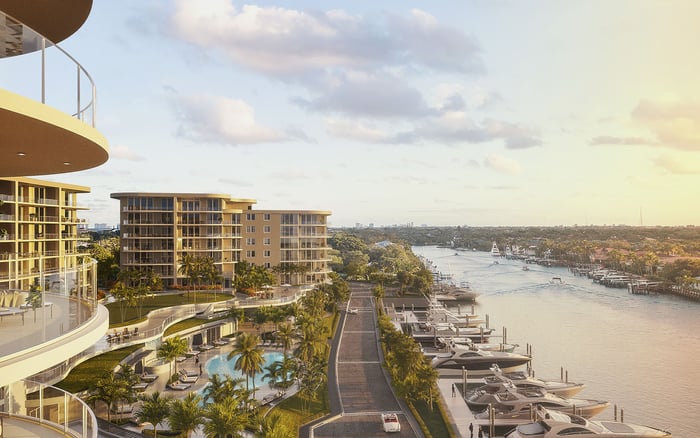
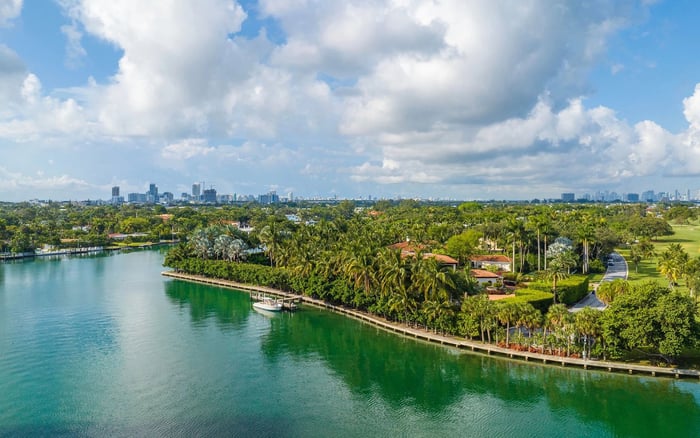
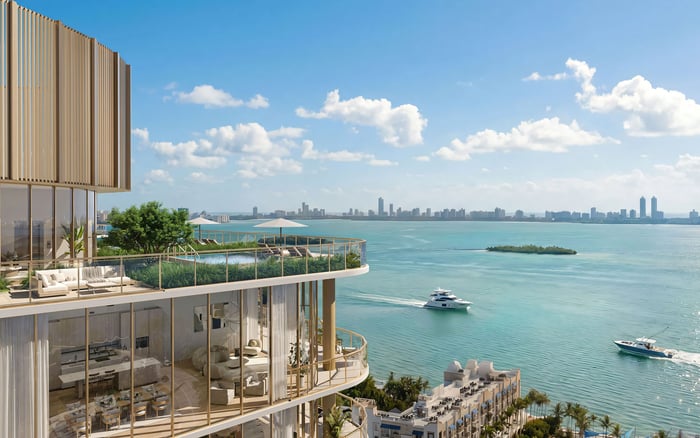
A practical luxury buyer’s guide to evaluating yachting convenience in Palm Beach Gardens, from dock usability and daily access to service planning, storm protocols and resale clarity.
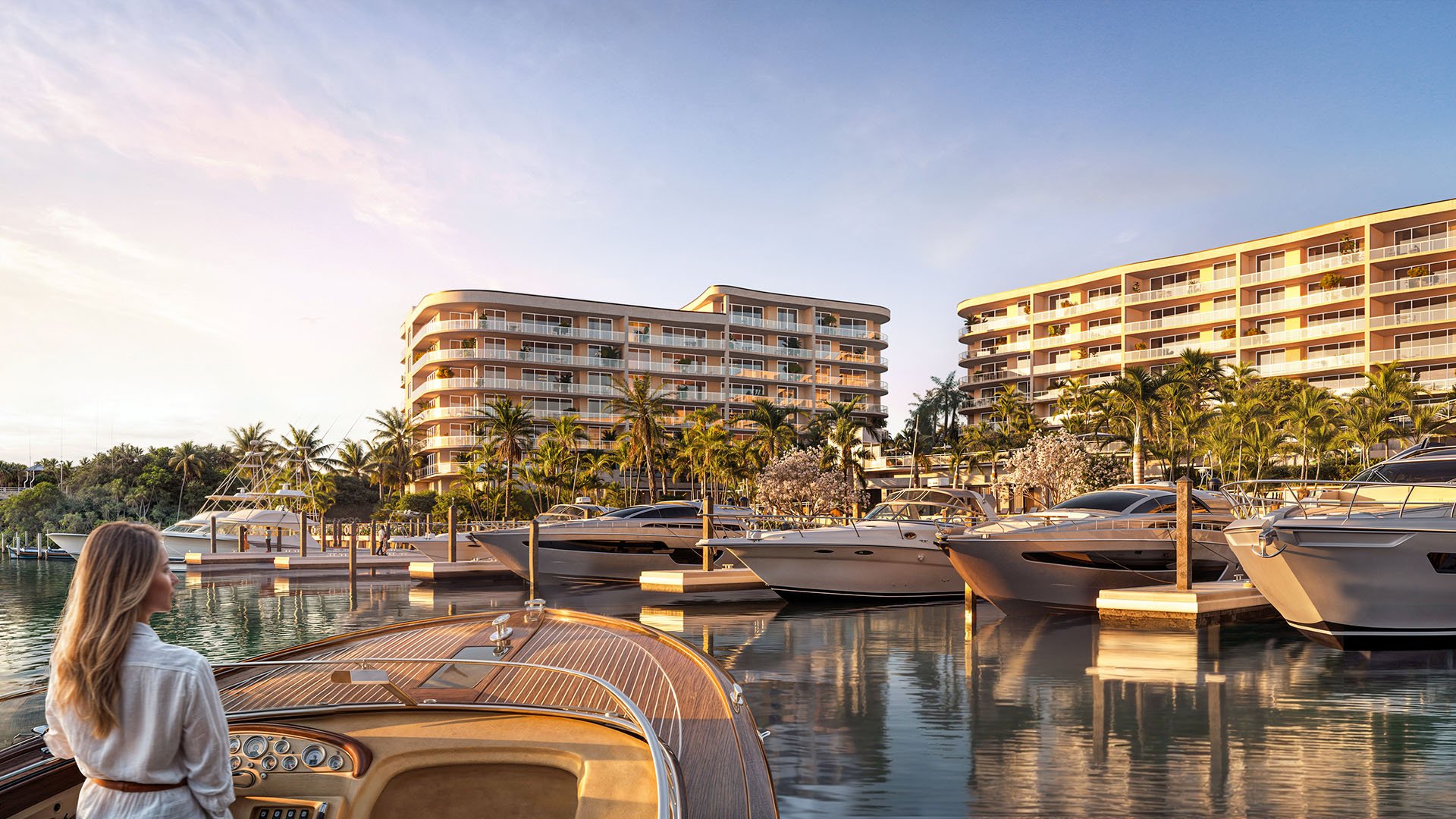
For Palm Beach Gardens buyers, yachting convenience is not a decorative amenity. It is a daily operating system. A waterfront residence may photograph beautifully at sunset, yet still demands close examination before it can support how an owner actually moves, entertains, maintains a vessel and plans a season.
Palm Beach Gardens attracts buyers who value privacy, calm and proximity to the water. Still, the essential question is not simply whether a property is near a canal, marina or dock. The sharper question is whether the home can make boating feel effortless. That means studying access, dock configuration, insurance considerations, service logistics, guest flow, privacy, storage, crew arrangements and the owner’s real boating habits.
A buyer considering The Ritz-Carlton Residences® Palm Beach Gardens should approach the decision with the same discipline used for any rare waterfront asset: admire the setting, then test the mechanics.
The word marina can imply ease, but every yacht owner knows convenience is measured in details. Before assigning a premium to a waterfront position, buyers should confirm whether the dock, slip or nearby berthing solution is compatible with the vessel they own today and the vessel they may want tomorrow.
A boat slip should be evaluated by function: usable length, beam comfort, maneuvering room, utilities, access at different water conditions, lighting, security, walkability from the residence and rules governing use. If the vessel requires professional crew, the question expands to parking, provisioning, arrival timing and whether service personnel can work without disrupting the household.
The most valuable waterfront arrangement is often the one that disappears into routine. Owners should be able to leave for an early run, host an afternoon cruise, return after dinner and manage the boat without turning the residence into a logistics project.
A waterview can carry emotional weight, but yachting convenience depends on movement. Buyers should walk through the exact journey from residence to vessel and from vessel to open cruising water. Where do guests arrive? Where do bags, coolers and gear go? How does the route feel at night? Is there a comfortable place to wait if the weather shifts?
This is where a showing should become a rehearsal. A luxury buyer should understand the practical path of departure and return, including parking, elevators if applicable, dock access, gate protocols and any association rules. If the residence is part of a managed community, the buyer should clarify who controls dock operations, who maintains common areas and how disputes are handled.
The most elegant yachting homes make departure feel spontaneous. That spontaneity is almost always the result of careful infrastructure.
Yacht ownership is not only about time on the water. It is also about maintenance, cleaning, fueling, provisioning, insurance, storms and off-season decisions. A sophisticated buyer should ask where routine service occurs, whether vendors can access the vessel efficiently and how supplies are delivered without friction.
Storage is another quiet marker of quality. Waterfront buyers often need space for lines, fenders, water toys, fishing gear, tender equipment and seasonal accessories. If storage is improvised, the home may look less composed in daily life than it did during the tour.
Storm planning deserves equal attention. Buyers should understand what preparations are required, who is responsible for them and whether the home’s waterfront configuration makes those preparations simple or burdensome. The strongest purchase decisions are made before urgency enters the conversation.
Palm Beach Gardens should be evaluated on its own terms, but luxury buyers benefit from comparison. A household looking north or south along South Florida’s waterfront corridor may find that each market expresses boating convenience differently. Some buyers prioritize a quieter residential rhythm, while others prefer proximity to dining, hotels, beach clubs or a denser urban waterfront.
For example, a buyer weighing Palm Beach Gardens against West Palm Beach may study Alba West Palm Beach to understand how a more urban waterfront lifestyle might feel. A Fort Lauderdale-oriented buyer may also compare the residential experience around Riva Residenze Fort Lauderdale, while those looking farther down the coast may consider the coastal profile of Armani Casa Residences Pompano Beach.
These comparisons are not about declaring one address superior. They are about clarifying priorities. Does the buyer want immediate dock adjacency, a managed marina environment, a lock-and-leave residence, broader service access or a quieter home base for longer weekends on the water?
A waterfront offer should include a due diligence plan tailored to yachting. Buyers should ask for all governing documents that affect dock use, marina privileges, guest access, leasing restrictions, alterations, lifts, utilities and maintenance obligations. If the home includes or references a slip, the buyer should confirm whether that right is deeded, assigned, licensed, leased or otherwise conditional.
Physical inspection should go beyond the residence. The dock, seawall, lift equipment, electrical service, water connections, lighting and access surfaces require careful review by qualified professionals. Buyers should also ask whether prior repairs, pending assessments or planned waterfront improvements could affect use or cost.
Financial clarity matters. Dock maintenance, insurance, association fees, vendor access and future capital needs can change the true carrying cost of a waterfront property. The premium is justified when the ownership experience is both beautiful and predictable.
The best waterfront purchase begins with honesty. Some owners are daily boaters. Others want the option for weekends, guest entertainment or seasonal escapes. Some prefer professional captain service, while others enjoy the independence of managing departures themselves.
A buyer who boats frequently should prioritize ease, time savings and operational control. A buyer who boats occasionally may value view, privacy and resort-like amenities more than direct dock function. Neither approach is wrong, but each leads to a different definition of value.
The true luxury is alignment. When the residence, vessel, household rhythm and service plan work together, the waterfront becomes more than scenery. It becomes part of the owner’s private calendar.
What is the first question a yacht owner should ask when buying in Palm Beach Gardens? Ask whether the waterfront arrangement supports the vessel you own or plan to own, not simply whether the home has attractive water frontage.
Is a private dock always better than a nearby marina? Not always. A private dock can offer immediacy, while a managed marina may offer services, structure and operational support that suit some owners better.
What should buyers confirm about a boat slip? Buyers should clarify rights of use, size compatibility, utilities, maintenance responsibility, access rules and whether the arrangement can change over time.
Why does the route from home to boat matter? The route determines daily convenience. Parking, gates, elevators, lighting, storage and guest flow can all affect how often the boat is actually used.
Should dock infrastructure be inspected separately? Yes. Docks, seawalls, lifts, electrical systems and water connections should be reviewed by qualified specialists before closing.
How important are association rules for waterfront buyers? Very important. Rules may affect vessel size, vendor access, guests, alterations, rentals, lifts, noise and use of shared waterfront areas.
Can a waterview add value even without direct boating access? Yes, but the premium should be understood differently. View value and boating utility are related, but they are not the same asset.
What questions should seasonal owners ask? Seasonal owners should ask who manages the boat, dock, storm preparation, cleaning, provisioning and access when they are away.
How should buyers compare Palm Beach Gardens with other South Florida markets? Compare the daily boating routine, privacy, service access, residence style and lock-and-leave convenience rather than relying on location alone.
When should yachting due diligence begin? It should begin before an offer is finalized, so dock rights, physical condition, rules and carrying costs can be evaluated together.
When you're ready to tour or underwrite the options, connect with MILLION.
If branded residences are on your mind — as a home or as an allocation — we would be glad to share what we are seeing, privately.
Begin a quiet conversation