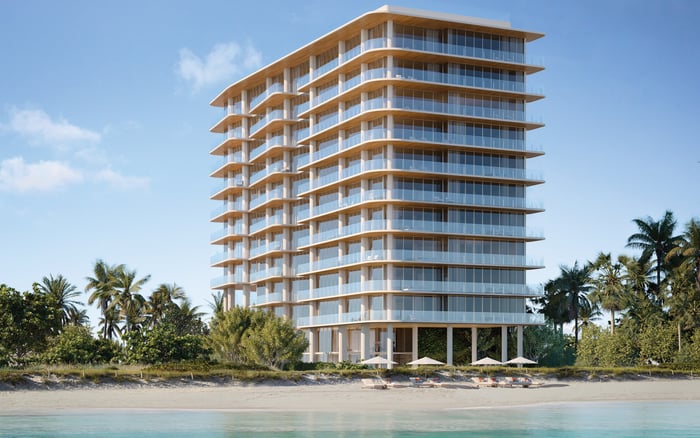
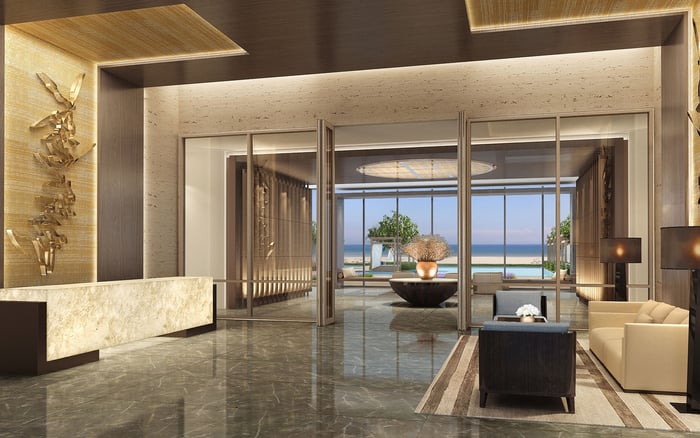
A buyer-focused comparison of Ocean House Surfside and The Delmore Surfside, centered on the qualities ultra-luxury purchasers often prioritize most: boutique scale, discretion, and ownership privacy in Surfside.
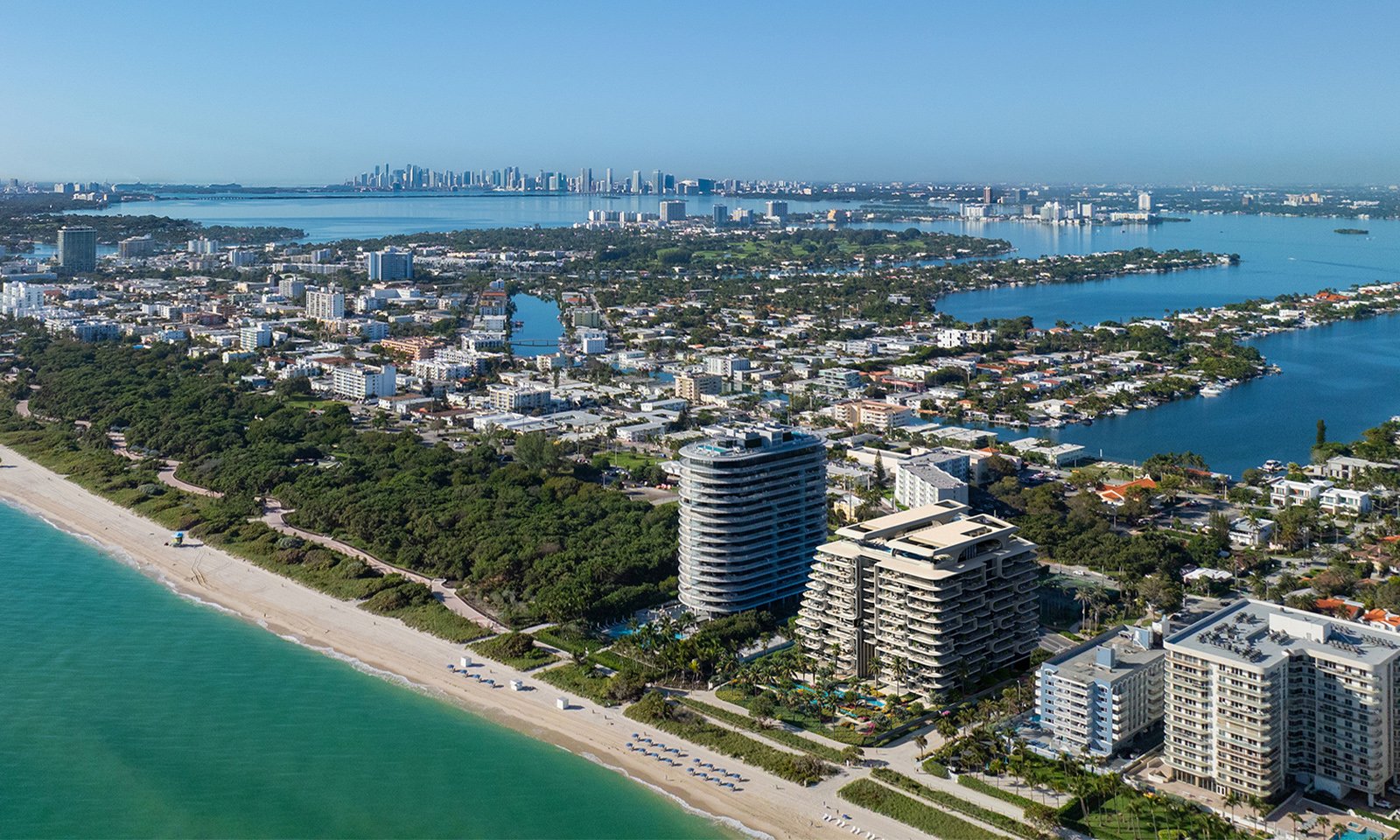
In South Florida’s ultra-prime market, the most coveted buildings are not always the largest, tallest, or most visible. For many buyers, real luxury is measured in restraint: fewer neighbors, quieter arrival sequences, tighter access control, and a sense of privacy even in a highly social coastal setting. That is the lens through which Ocean House Surfside and The Delmore Surfside are best understood.
This is not a comparison built around headline pricing, absorption statistics, or newly updated amenity inventories. Those details can change, and current market positioning should be confirmed at the point of purchase. Instead, the more lasting question is how each address speaks to a buyer who values boutique living, personal space, and a more carefully filtered ownership experience in Surfside.
Within the broader oceanfront conversation, Surfside occupies a notably refined niche. It tends to attract buyers who prefer a quieter profile than Miami Beach’s more theatrical waterfront addresses, while still wanting immediate access to elite design, dining, and shoreline living. That preference for understatement helps explain why buildings in this enclave are judged as much on privacy as on spectacle.
Boutique scale offers practical advantages that sophisticated owners recognize immediately. Fewer residences can mean fewer daily touchpoints, less elevator traffic, a more personal staff dynamic, and a calmer atmosphere on arrival and departure. In the luxury context, this is less about exclusivity as a slogan and more about control.
For primary residents, that control can support a steadier day-to-day rhythm. For second-home owners, it can reinforce the sense that the property remains a retreat rather than an extension of a hotel environment. For family offices and privacy-minded international buyers, boutique buildings can also feel structurally aligned with discretion, as the community is smaller, visibility is lower, and circulation is often more contained.
That does not automatically make smaller better. Some buyers genuinely prefer the operational breadth and social energy of larger developments. Yet in a place like Surfside, where the appeal already leans toward serenity, boutique scale often becomes central to the ownership proposition.
Ocean House Surfside is best considered for buyers who prioritize a composed, low-noise ownership experience. Its appeal, at least from a buyer-psychology standpoint, is rooted in intimacy rather than grandiosity. That distinction matters in Surfside, where many purchasers are intentionally screening out the density and visibility associated with more high-profile coastal corridors.
For an owner weighing options, Ocean House Surfside may resonate most if the goal is a building that feels residential first. In boutique environments, the intangible benefits can be decisive: a shorter path from car to residence, a less performative sense of arrival, and a community dynamic that often feels more familiar and more contained.
This is also the kind of address that suits buyers cross-shopping other privacy-oriented coastal properties such as Arte Surfside or Fendi Château Residences Surfside, where scale and discretion are part of the draw. The distinction is not simply architecture or branding. It is the daily cadence of ownership, and whether the building supports a quieter pattern of living.
The Delmore Surfside enters the conversation from a slightly different angle. Where some buyers seek an already legible residential rhythm, others are drawn to projects that convey contemporary prestige and a fresh expression of privacy. In that sense, The Delmore Surfside may appeal to purchasers who want boutique character without giving up the cachet that often comes with a newer generation of branded or highly curated luxury development.
For these buyers, privacy is not merely the absence of attention. It is the presence of design choices that separate owners from the pace of the public realm. That can include how arrival is choreographed, how amenities are experienced, and how ownership feels once inside the property envelope. In the ultra-luxury category, these softer factors often shape decisions more than headline specifications.
The Delmore Surfside also belongs to a broader South Florida movement in which high-end projects are refining, rather than expanding, the meaning of luxury. The emphasis has increasingly shifted from quantity to quality, from amenity lists to lived experience. That helps explain why buyers looking at Surfside may also consider highly curated addresses beyond the neighborhood, including The Surf Club Four Seasons Surfside or more design-forward oceanfront options such as 57 Ocean Miami Beach.
When buyers say they want privacy, they are usually referring to several concerns at once. The first is physical privacy: limited visibility into residences, controlled access, and fewer points of casual interaction. The second is social privacy: a lower-profile resident mix, reduced visitor circulation, and less chance of the building feeling like a destination. The third is transactional privacy: clarity around how ownership is recorded, managed, and represented.
Between Ocean House Surfside and The Delmore Surfside, the most useful comparison is not a simplistic question of which is more private. It is which one aligns more closely with the buyer’s own definition of privacy.
A household that values mature residential calm may lean toward Ocean House Surfside. A buyer drawn to contemporary prestige and carefully staged discretion may find The Delmore Surfside more compelling. In both cases, prudent purchasers should verify the latest ownership-related details, current development or management status, and any updates to the resident offering before reaching a final conclusion.
Surfside continues to stand apart because it offers oceanfront living without the constant volume of larger resort districts. That difference is meaningful for domestic relocations, seasonal ownership, and legacy buyers who want South Florida access while maintaining a more private daily profile.
For readers surveying the wider market, Surfside’s boutique appeal can be contrasted with larger-format luxury experiences elsewhere. Bal Harbour often emphasizes polished international prestige, Sunny Isles can lean more vertical and expressive, and Miami Beach offers a broader range of social visibility. Surfside, by contrast, remains especially attractive to buyers who regard discretion as a primary amenity.
That is why comparing Ocean House Surfside and The Delmore Surfside is ultimately more revealing than simply comparing two projects. It reflects a deeper shift in luxury demand. The highest-end buyers increasingly want residences that edit out friction, protect time, and preserve a sense of remove.
Ocean House Surfside may be the stronger fit for the buyer who values established residential intimacy, a softer public profile, and a highly composed living environment. This buyer often prefers continuity over novelty and tends to view ownership through the lens of comfort, calm, and personal routine.
The Delmore Surfside may be better suited to the buyer who wants a similarly rarefied setting with a more current expression of luxury identity. This buyer is often motivated by design, future-facing prestige, and the idea that privacy can be elevated through newer planning and a fresh ownership narrative.
Neither preference is inherently superior. In ultra-luxury real estate, fit matters more than hierarchy.
Is Ocean House Surfside or The Delmore Surfside more boutique? Both sit within a boutique-minded Surfside conversation, but the better fit depends on how you define intimacy in daily use.
Which building is better for ownership privacy? Privacy should be assessed through access, circulation, resident profile, and ownership structure rather than marketing language alone.
Are current prices part of this comparison? No. Current pricing can change and should be confirmed directly during an active search.
Does Surfside attract a different buyer than Miami Beach? Yes. Surfside generally appeals to buyers seeking a quieter, more discreet oceanfront setting.
Is boutique living always preferable in luxury real estate? Not always. Some owners prefer larger properties with broader amenity ecosystems and more social energy.
Why does unit count matter so much? Fewer residences can influence traffic, staff familiarity, elevator use, and the overall sense of privacy.
Should buyers verify ownership-related details independently? Yes. Ownership, management, and current project status should always be reviewed before purchase.
How should second-home buyers think about this choice? They should focus on ease, discretion, and whether the building feels restorative when used seasonally.
Is oceanfront location enough to determine value? No. In the top tier, privacy, building culture, and ownership experience can matter just as much.
What is the clearest next step for a serious Surfside buyer? Review current opportunities and compare both properties in the context of your lifestyle, privacy needs, and long-term ownership goals.
To compare the best-fit options with clarity, connect with MILLION Luxury.
If branded residences are on your mind — as a home or as an allocation — we would be glad to share what we are seeing, privately.
Begin a quiet conversation