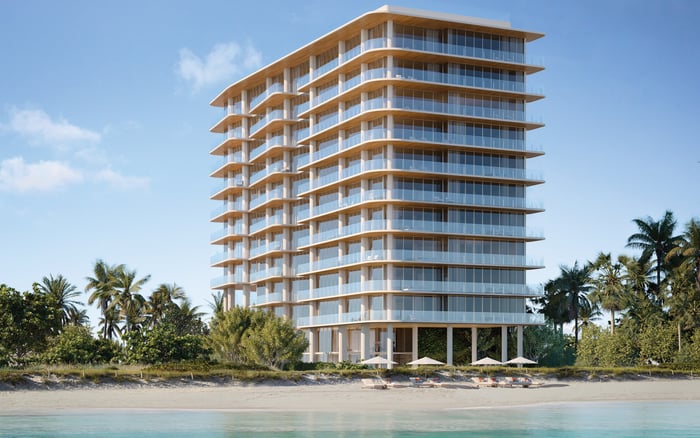
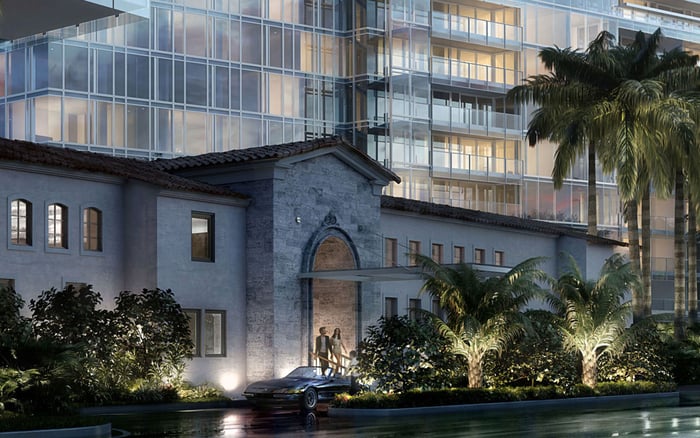
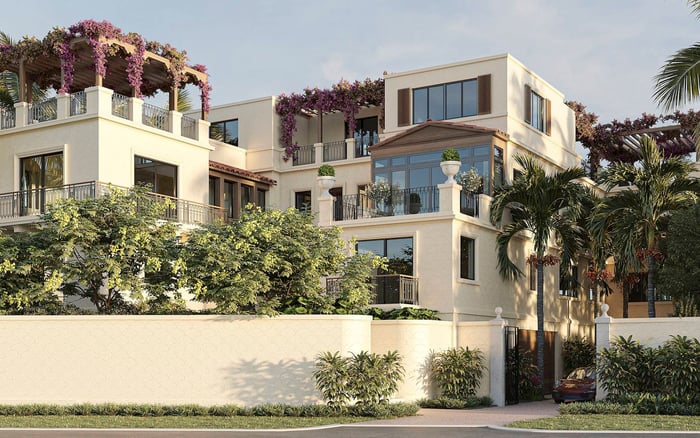
In Surfside, two very different definitions of luxury are competing for the same discerning buyer: the assurance of heritage hospitality and the appeal of modern boutique seclusion. The Surf Club’s Four Seasons positioning speaks to effortless service, legacy, and social ease. The Delmore’s promise is quieter and more curated, built around privacy, minimal friction, and a more self-contained residential rhythm. For buyers who already understand the North Beach corridor, the decision is less about a zip code and more about daily psychology: do you want your home to feel like a grand house with a world-class hotel attached, or like a private sanctuary that happens to sit on one of the most desirable stretches of Atlantic shoreline? This MILLION Luxury comparison frames the choice through lifestyle, operations, and long-term use, while keeping the focus where it belongs: on how each concept lives.
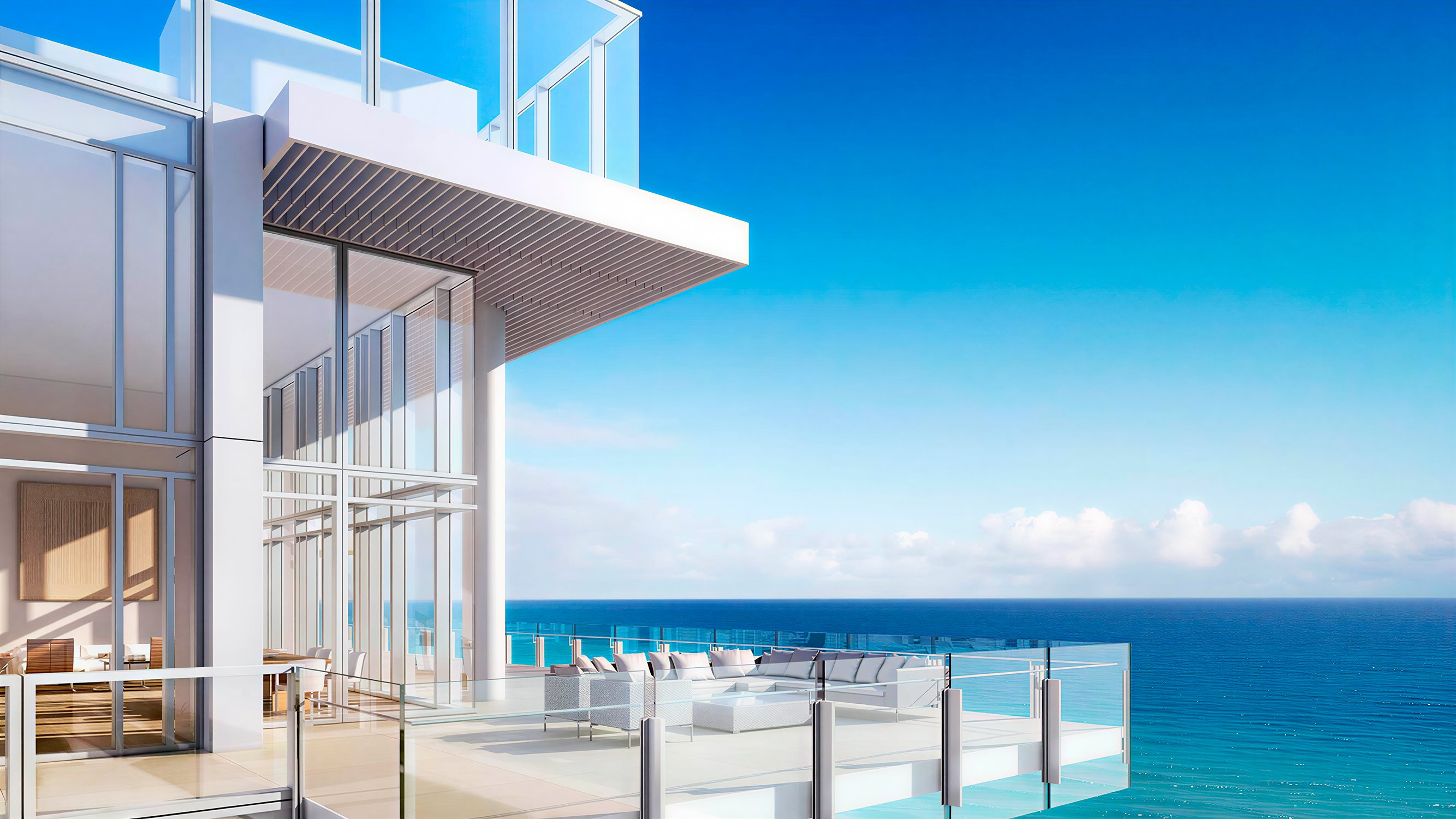
Surfside has become a study in contrast: a beachfront village sensibility with immediate adjacency to the broader Miami Beach orbit. For second-home and primary buyers alike, that means one shoreline can support two distinctly different definitions of “the good life.”
On one side sits The Surf Club Four Seasons Surfside, a name that signals continuity, institutional service standards, and a lived-in glamour that never needs explaining. On the other is The Delmore Surfside, positioned as a more modern, boutique-minded alternative for residents who prioritize control, quiet, and a sense of remove.
This is not simply an amenity comparison. It is a question of emotional architecture: do you want to be hosted, or do you want to disappear.
A hospitality-forward residence is defined by operations more than finishes. The experience is less about a single “wow” moment and more about the cumulative effect of small, reliable conveniences: how arrivals are handled, how the building tracks the rhythm of your week, and how seamlessly requests become outcomes.
At the Surf Club, identity is intertwined with heritage and service. In practice, that typically translates into a more orchestrated lifestyle: a front-of-house sensibility, a consistent staffing culture, and a social environment where residents can lean into the ease of being known. For certain buyers-especially those who travel frequently or maintain multiple homes-this is the luxury that matters most. The property functions like an extension of a well-run private club, with hospitality muscle memory always in the background.
The tradeoff is not negative, but it is real: the more a place excels as a destination, the more it can carry a public-facing heartbeat. Even with discretion, the tempo is usually more active, and the building’s energy can be shaped by arrivals, departures, and the subtle choreography of a property built to serve.
A boutique concept sells restraint. The strongest modern residential sanctuaries feel intentionally edited: fewer decision points, less friction, and fewer reasons for anyone to enter your orbit unless you want them there.
The Delmore’s promise, in that sense, is philosophical. It is designed for residents who want oceanfront life to feel like a protected interior world. The aspiration is not to sit at the center of the scene, but to live in a home that stays serene even when Miami is fully switched on.
This approach often resonates with buyers who already understand what service looks like, but prefer it delivered with less visible theater. In a boutique framework, “luxury” reads as composure: quieter arrival sequences, a more controlled resident mix, and the feeling that your time is the primary asset being protected.
Step into a hospitality-anchored environment and you are entering a shared narrative. There is social gravity: the building’s identity is present, and you may feel invited to participate. For some owners, that is the point. It becomes the place where friends naturally want to gather, where meeting for a drink feels effortless, and where a Saturday can unfold without planning.
In a boutique-seclusion environment, the narrative is private. The building is meant to recede so your own life becomes the headline. For residents who work intensely, value calm, or simply want their home to counterbalance public life, this can be the more sophisticated choice. The best versions of this model create space for restoration, not performance.
Surfside makes the dichotomy unusually clear. The village scale supports quiet, while the surrounding coastline supports glamour. The decision is simply where you want your home to land on that spectrum.
Entertaining is a revealing lens because it exposes operational differences. A heritage hospitality setting naturally supports hosted gatherings: you can rely on the building’s service culture and trust the cadence. It suits owners who enjoy bringing people together, value a sense of occasion, and like the idea that the property can absorb complexity.
A boutique-seclusion setting favors curated intimacy: smaller groups, more deliberate planning, and more emphasis on the residence itself as the stage. The luxury is in how personal it feels, not how grand it becomes.
Buyers should ask one direct question: when friends visit, do you want to orbit shared spaces, or do you want your home to be the destination?
In ultra-prime coastal living, privacy is not a marketing term. It is a daily psychological condition. Some residents want to feel seen in the right way, at the right moments-recognized with comfort and ease. Others want the opposite: to move through their building with minimal interaction and minimal exposure.
Heritage hospitality often brings a refined visibility. You are known, preferences are remembered, and your presence becomes part of the building’s living story. When that matches your personality, it can feel exceptional.
Boutique seclusion, by contrast, is designed for low visibility. The emphasis is controlled access and a more self-contained pattern of use. It tends to suit residents who prize autonomy, prefer uninterrupted routines, and want their home to function as a buffer.
Surfside and its immediate neighbors have become a corridor where design-forward, low-inventory properties coexist with branded or hospitality-aligned concepts. That mix matters because it gives buyers real optionality without forcing them to leave the shoreline.
Design-led oceanfront living in the area is often discussed alongside Arte Surfside, which speaks to buyers who treat architecture and curatorial taste as central, not secondary. Just north, Bal Harbour’s continued prestige keeps the coastal bar high; just south, the broader Miami Beach ecosystem provides dining, culture, and social density when you want it.
For those weighing alternatives that still preserve calm, other ocean-adjacent options like Ocean House Surfside and the adjacent design conversation around Eighty Seven Park Surfside reinforce the same theme: this end of Miami Beach can deliver beachfront serenity without abandoning sophistication.
Most buyers are not choosing between buildings. They are choosing between versions of themselves.
First is the “always-on” owner who travels frequently and values a residence that can operate like a perfectly run second headquarters. Heritage hospitality is a natural fit because it reduces cognitive load. Your home runs smoothly even when you are not thinking about it.
Second is the “quiet power” owner who may be highly public professionally but privately allergic to noise. Boutique seclusion can feel like the ultimate luxury: a place where the ocean is the only constant and everything else is optional.
Third is the “hybrid” owner-often a family-who wants both ease and privacy and has to decide which is non-negotiable. Here, the best guidance is to evaluate which moments matter most: arrivals, mornings, weekends, entertaining, or long stretches away.
Instead of fixating on a single amenity, interrogate operations and lifestyle fit.
Ask how the building handles everyday realities: receiving deliveries, coordinating vendors, and managing arrivals with discretion. Ask how shared spaces feel on a typical weekend. Ask yourself whether you want your building to read as a destination or as a protected address.
Finally, be honest about identity. In Surfside, the most expensive mistake is choosing a home that performs a lifestyle you do not actually want to live.
Which is better for a buyer who wants a true “hotel lifestyle”? The Surf Club Four Seasons Surfside is better aligned with a hosted, hospitality-forward rhythm.
Which is better if privacy is my top priority? The Delmore Surfside is positioned for buyers who want a more boutique, secluded residential feel.
Is this decision mostly about amenities? Not really; it is primarily about daily operations, social energy, and how visible you want to be.
Does Surfside feel different from the rest of Miami Beach? Yes. Surfside generally reads calmer and more village-like while staying close to Miami’s core.
What kind of entertaining suits a heritage hospitality residence? It typically supports hosted gatherings where service and shared spaces make events feel effortless.
What kind of entertaining suits a boutique-seclusion residence? It tends to favor intimate, curated gatherings centered on the residence rather than the scene.
Are there other design-forward choices nearby if I’m still comparing? Yes. Buyers often also consider design-led options such as Arte Surfside and Eighty Seven Park Surfside.
If I want a quieter building but still in Surfside, what else is worth knowing? Ocean House Surfside offers another residential alternative that stays within the same coastal pocket.
How should I think about long-term enjoyment? Choose the environment that matches your natural rhythm: social ease versus sanctuary-style calm.
What is the simplest way to decide between the two? Ask whether you want to be hosted by the building or protected by it, then choose accordingly.
When you're ready to tour or underwrite the options, connect with MILLION Luxury.
If branded residences are on your mind — as a home or as an allocation — we would be glad to share what we are seeing, privately.
Begin a quiet conversation