A buyer-focused look at how privacy, arrival choreography, staff culture, access control, and residence design shape the true luxury experience in Edgewater condominium living.
In Edgewater, the luxury conversation has moved beyond pools, lounges, wellness rooms, and skyline views. For sophisticated buyers, especially those accustomed to private travel, staffed estates, and controlled environments, the defining question is quieter: how well does a building protect the rhythm of daily life?
Security and privacy are not the same thing, though the best residential towers treat them as closely connected. Security determines who can enter, where they can go, and how access is managed. Privacy determines how much of a resident’s life is visible, audible, or interrupted. In a vertical neighborhood like Edgewater, that distinction matters. A beautiful lobby can still feel exposed. A dramatic amenity deck can still compromise discretion. A large residence can still lack a private sense of arrival.
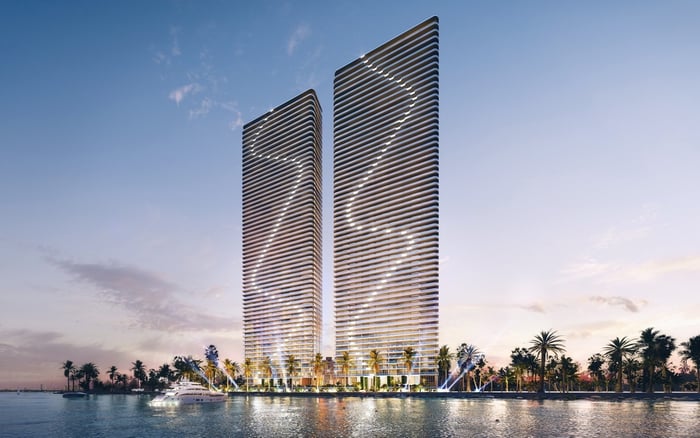
This is why buyers comparing Aria Reserve Miami, EDITION Edgewater, Villa Miami, and The Cove Residences Edgewater should look beyond the visible amenity package. The more revealing details are found in circulation, staffing protocols, package flow, guest procedures, elevator separation, and how naturally residents can move from car to residence without unnecessary contact.
Visible security is easy to identify. A staffed front desk, controlled doors, cameras, and a formal arrival sequence all communicate order. Real privacy is more subtle. It is the ability to host a guest without turning the lobby into a reception line. It is the confidence that service providers are routed intelligently. It is an elevator experience that does not make every trip feel public.
In luxury buildings, the most successful systems are rarely theatrical. They are layered. Residents, guests, vendors, deliveries, rideshare drivers, and building staff each operate with distinct paths and permissions. The fewer moments where those flows collide, the more refined the building feels.
This matters in Edgewater because the neighborhood’s appeal is both urban and residential. Buyers want access to Miami’s cultural, culinary, and waterfront energy, but they also want the residence to feel protected from that energy when the day is over. A building that manages this transition gracefully creates a sense of calm before the elevator doors close.
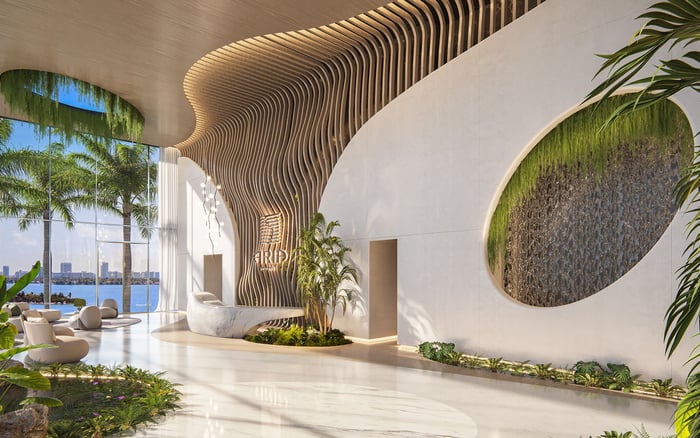
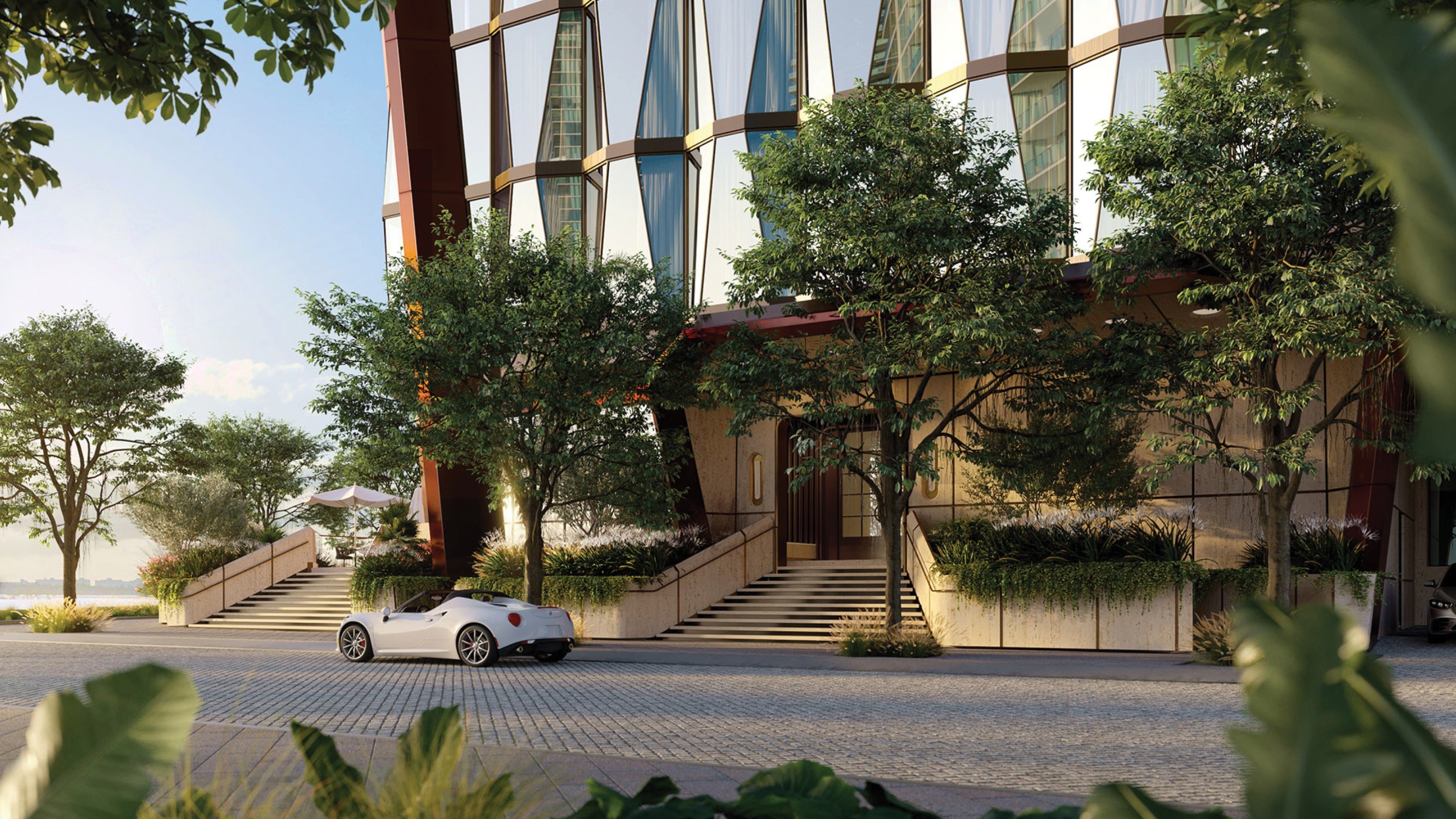
The entry sequence is where privacy succeeds or fails. A luxury building should make arrival feel composed, not improvised. The driveway, valet area, lobby sightlines, reception positioning, and elevator access all shape the resident’s first and last impression each day.
For buyers, the question is not simply whether valet exists. It is how arrival functions during peak hours, how guests are announced, where waiting occurs, and whether private moments remain private. Can a resident move from vehicle to elevator without unnecessary exposure? Are visitors held in an appropriate area before access is granted? Is the lobby designed for beauty alone, or does it also support discretion?
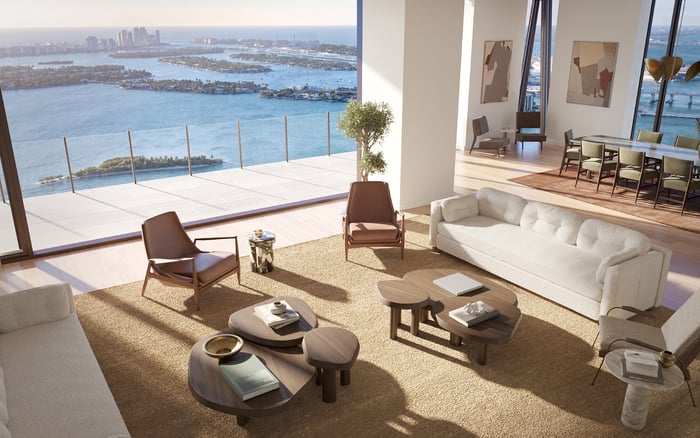
Waterview residences create another layer of expectation. When buyers pay for views, light, and vertical serenity, they often expect the building’s shared spaces to preserve the same mood. Privacy is not only about preventing access. It is about maintaining a residential atmosphere even in a highly serviced tower.
Technology can help, but it does not replace judgment. Cameras, digital access systems, and controlled elevators are only as effective as the people operating and enforcing the building’s protocols. In ultra-premium residences, staff culture becomes part of the asset.
A polished team understands names, preferences, boundaries, and discretion. They know when to be present and when to recede. They do not overexplain in public spaces. They do not allow service interactions to become lobby theater. They understand that privacy is a daily practice, not a feature-sheet promise.
This is especially important for residents who entertain, travel frequently, or maintain multiple homes. A second-home owner may value consistency between visits. A full-time resident may care more about everyday predictability. In both cases, the most desirable building is one where procedures feel intuitive and hospitality never becomes intrusive.
The most revealing privacy questions often begin after the lobby. Elevator configuration, access control, corridor length, and the number of residences served per floor all affect how private a home feels. A residence with generous interiors can still feel less exclusive if the journey to the front door is busy or exposed.
Buyers should pay close attention to how many transitions exist between public and private space. A well-composed building creates a gradual narrowing of access: arrival, reception, elevator, residential corridor, entry. Each step should feel more personal. The goal is not isolation. It is control.
New-construction buyers in Edgewater should also consider how service access is handled. Deliveries, maintenance, housekeeping, pet care, and private chefs can all be part of luxury living. The question is whether the building has planned for these realities elegantly. When service flow is poorly designed, residents feel it every day.
Amenities are often marketed as the heart of a building, but privacy-minded buyers should ask how those spaces are separated, scheduled, and accessed. A wellness suite, pool deck, lounge, dining room, or children’s area can be exceptional when it offers choice. It becomes less luxurious when every amenity path requires residents to move through the same high-traffic zones.
The best amenity planning allows residents to decide when they want community and when they want retreat. This distinction is particularly relevant in Edgewater, where towers may attract a blend of primary residents, seasonal owners, international buyers, and local professionals. A building that serves all of them well must balance energy with restraint.
Privacy does not mean a building should feel empty. It means residents should not feel observed by default. That is the difference between a luxury tower and a truly residential address.
A polished sales presentation can highlight finishes and amenities, but privacy requires more specific questioning. Ask how guests are verified. Ask how vendors are scheduled. Ask whether elevators are programmed by floor or residence category. Ask how packages and food deliveries are routed. Ask how many staff members interact with visitors before they reach a residence.
Also ask how the building handles exceptions. Luxury living is full of special circumstances: late arrivals, private events, high-profile guests, extended family stays, and service teams working while the owner is away. Buildings with mature privacy cultures have answers that sound calm and practiced.
For Edgewater buyers, security and privacy should be evaluated with the same seriousness as views, floor height, finish quality, and brand affiliation. The most valuable amenity may be the one that never appears in a rendering: the feeling that daily life can unfold without friction.
Why is privacy such an important issue in Edgewater luxury buildings? Edgewater combines urban access with residential waterfront living, so buyers often want convenience without sacrificing discretion, calm, or controlled arrival.
Is building security the same as resident privacy? No. Security manages access, while privacy protects how residents move, host, receive services, and experience daily life inside the building.
What should buyers examine first during a tour? Start with the arrival sequence, including valet flow, lobby sightlines, reception position, guest waiting areas, and elevator access.
Do more amenities reduce privacy? Not necessarily. Amenities work best when they are thoughtfully separated, easily reserved when appropriate, and accessed without forcing constant social exposure.
Why do elevator systems matter? Elevators shape how public or private the journey home feels, especially when residents, guests, staff, and vendors share the same circulation paths.
Should buyers ask about staff procedures? Yes. Staff judgment, discretion, and consistency often determine whether security systems feel refined or merely visible.
How does new construction affect privacy expectations? New-construction buyers often expect modern planning for service flow, access control, deliveries, and resident movement from the outset.
Are waterview residences automatically more private? No. A view can create serenity inside the home, but privacy still depends on building circulation, staffing, access, and amenity planning.
Which Edgewater projects should buyers compare? Buyers often compare Edgewater options by studying arrival experience, residence flow, amenity separation, and service protocols across several buildings.
What is the most overlooked privacy feature? The most overlooked feature is operational discipline: how consistently a building manages everyday access, guests, vendors, and exceptions.
For a tailored shortlist and next-step guidance, connect with MILLION.
If branded residences are on your mind — as a home or as an allocation — we would be glad to share what we are seeing, privately.
Begin a quiet conversation