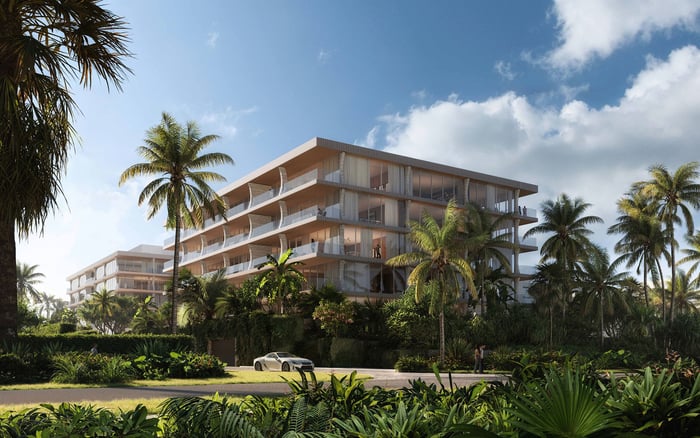
A discreet buyer’s guide to evaluating pet-friendly living in Palm Beach luxury residences, with attention to rules, service, outdoor access, privacy, finishes, and daily routines.
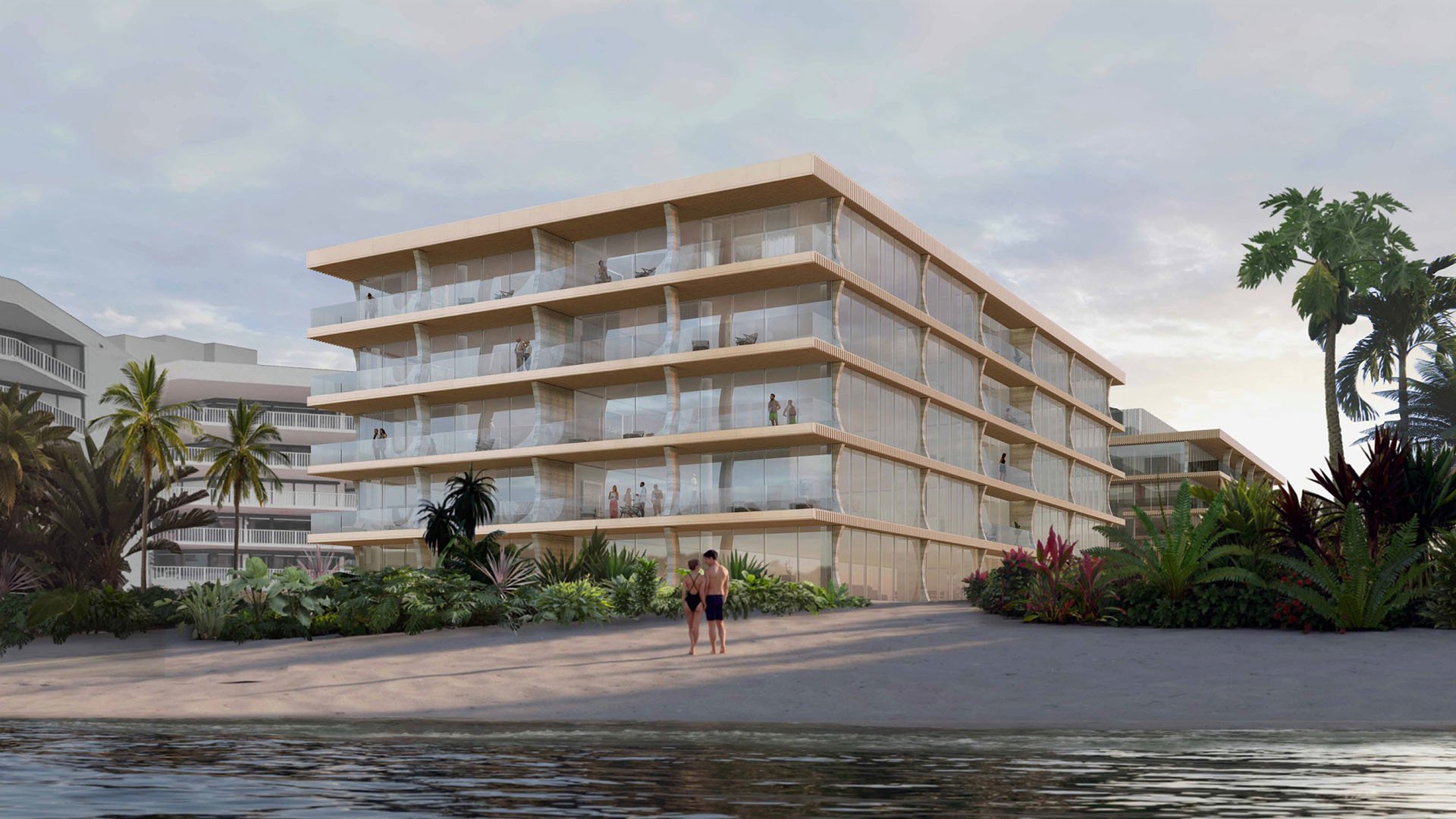
In Palm Beach, pet-friendly living is no longer a casual concession. For many luxury buyers, it belongs in the first conversation, alongside light, views, parking, privacy, wellness, and the rhythm of seasonal ownership. A residence may be beautiful, but if the building’s pet culture is unclear, the daily experience can feel less than effortless.
The most sophisticated buildings treat pets as a matter of household planning, not a marketing flourish. That means clear rules, discreet circulation, thoughtful outdoor access, and staff routines that allow residents to move through the property comfortably. The goal is not simply to permit a dog or cat. The goal is to preserve the atmosphere of a private residence while accommodating the animals that are part of the family.
For buyers comparing Palm Beach, West Palm Beach, Palm Beach Gardens, Boca Raton, and the wider South Florida coastline, the best approach is direct and practical. Ask how the building operates on an ordinary morning, after rain, during peak season, and when guests arrive. Pet-friendly living is revealed in those small moments.
The first layer is governance. Before falling in love with a floor plan, buyers should review the building’s pet policy in writing. Weight limits, breed restrictions, the number of animals allowed, registration requirements, elevator rules, insurance expectations, and guest pet policies can shape the decision more than any amenity image.
Luxury buyers should also distinguish between permissive and well-managed. A building can allow pets yet lack the operational clarity that makes ownership pleasant. Conversely, a building with detailed procedures may feel more comfortable because expectations are clear. In a refined residential setting, certainty is part of the luxury.
When evaluating residences such as Palm Beach Residences, the question is not only whether a pet is allowed. It is how the residence supports the owner’s lifestyle with minimal friction. A buyer with a small dog, a large dog, or multiple pets may need different answers, and those answers should be confirmed before contract review advances.
In high-service buildings, pet circulation is an underappreciated detail. Which elevator is used? Is there a preferred route to the exterior? Are pets allowed through the main lobby, or is a separate path expected? Are there time restrictions or courtesy protocols during busy hours?
These questions are not merely administrative. They affect privacy, ease, and daily comfort. A well-run building allows a resident to step out in the morning without making the pet routine feel like a negotiation. It also respects neighbors who may not own animals. The best environments balance both households with quiet consistency.
For many Palm Beach buyers, the pet routine must work for owners, household staff, visiting family, and seasonal guests. If a dog walker, assistant, or family member will handle daily walks, confirm how access is managed. Luxury pet-friendly living depends on coordination that feels invisible.
Outdoor access is central to the pet-friendly equation. A private terrace or balcony can provide light, air, and a graceful pause in the day, but it should not be mistaken for a complete substitute for proper walks and building-approved exterior access. Buyers should consider safety, railings, drainage, sun exposure, surface temperature, and how a pet will actually use the space.
Palm Beach’s climate rewards shade, durable materials, and efficient transitions between indoors and outdoors. Residences with generous outdoor rooms can feel especially attractive to pet owners, but the practical test is maintenance. Finishes should handle moisture, sand, grooming routines, and the occasional muddy paw without compromising the interior design.
In West Palm Beach, buildings such as Alba West Palm Beach are often considered by buyers seeking a residential setting close to the water and urban conveniences. For pet owners, the key is to pair that location conversation with specific questions about pet access, service procedures, and day-to-day building etiquette.
Pet-friendly does not mean sacrificing design. In a luxury residence, the better question is how the interior can remain serene while supporting real life. Stone, porcelain, performance fabrics, integrated storage, washable rugs, and well-planned laundry areas can make a significant difference. So can an entry sequence that gives a dog a place to pause before entering the main living areas.
Floor plan matters as well. A split-bedroom layout may help guests and pets coexist. A den can become a quiet pet room during dinners or deliveries. Larger primary suites can accommodate discreet bedding without altering the visual calm of the residence. These are not extravagant adjustments. They are the details that make a home feel fully considered.
Buyers looking at Mr. C Residences West Palm Beach, for example, should study the plan as a lived environment, not only as a design statement. Where will food be stored? Where will grooming supplies go? How does the pet move from elevator to living room? The answers separate a beautiful apartment from an easy one.
In ultra-premium residences, service is often the difference between tolerance and true hospitality. A pet-friendly building should have staff who understand discretion, consistency, and boundaries. Residents should know how deliveries, walkers, visiting pets, and service animals are handled without repeated explanations.
This is particularly important in seasonal markets. A household may be in residence for part of the year, with staff managing the home at other times. Clear systems reduce uncertainty. They also help preserve the dignity of the building, which is essential in communities where privacy is a primary value.
A buyer’s shorthand may include Palm Beach, West Palm Beach, pets, dog park, balcony, and oceanfront, but the real evaluation is more nuanced. The right building combines location, governance, service, and design into a daily routine that feels quiet and assured.
The residence is only one part of pet-friendly living. The surrounding neighborhood should suit the owner’s pattern. Some buyers want a calm walk before breakfast. Others prioritize proximity to grooming, veterinary care, waterfront promenades, shaded streets, or private transportation routes. The most successful purchase aligns the building’s rules with the neighborhood’s rhythm.
Palm Beach and its neighboring enclaves each offer a different pace. Some buyers prefer a more formal residential atmosphere. Others want the convenience of West Palm Beach or Palm Beach Gardens. When considering The Ritz-Carlton Residences® Palm Beach Gardens, the lifestyle conversation should include not only residence design but also the practical cadence of daily pet care in that location.
A serious buyer should request the current pet policy, house rules, application requirements, and any relevant association documents. Ask whether rules have changed recently and whether exceptions are permitted. Confirm if tenants, guests, and family members are treated differently from owners. If a residence is being purchased as a second home, ask how pet access works when the owner is away.
It is also wise to walk the route from the residence to the exterior. Notice doors, thresholds, elevator waiting areas, flooring, shade, and traffic flow. The experience should feel calm and intuitive. If it feels awkward during a tour, it may feel more awkward every day.
Ultimately, Palm Beach pet-friendly living is about refinement. The best residences do not make pets the center of the building’s identity. They make pet ownership feel seamlessly integrated into a private, polished way of life.
Do Palm Beach luxury residences usually allow pets? Policies vary by building, so buyers should review the written rules before relying on assumptions or verbal guidance.
What should I ask before buying with a dog? Ask about weight limits, breed rules, number of pets, elevator access, registration, guest pets, and walking routes.
Are terraces enough for pet-friendly living? A terrace can be valuable, but it should complement safe exterior access and regular walks rather than replace them.
Can building pet policies change after purchase? Association rules can evolve, which makes it important to understand current documents and the building’s governance culture.
Should I disclose my pet during the buying process? Yes. Full disclosure helps confirm compatibility early and avoids delays during approval or closing.
What matters most in a pet-friendly luxury condo? Clear rules, discreet circulation, practical outdoor access, durable interiors, and consistent staff procedures matter most.
Are large dogs harder to accommodate? They can be, since some buildings use weight or breed restrictions, so written confirmation is essential.
How should seasonal owners plan for pets? Confirm access procedures for household staff, dog walkers, visiting family, and any periods when the owner is away.
Do pet-friendly buildings feel less private? Not when they are well managed. Strong protocols can protect privacy for pet owners and non-pet owners alike.
What is the best first step for a pet-owning buyer? Define the pet’s daily routine, then compare each building’s rules and layout against that routine.
When you're ready to tour or underwrite the options, connect with MILLION.
If branded residences are on your mind — as a home or as an allocation — we would be glad to share what we are seeing, privately.
Begin a quiet conversation