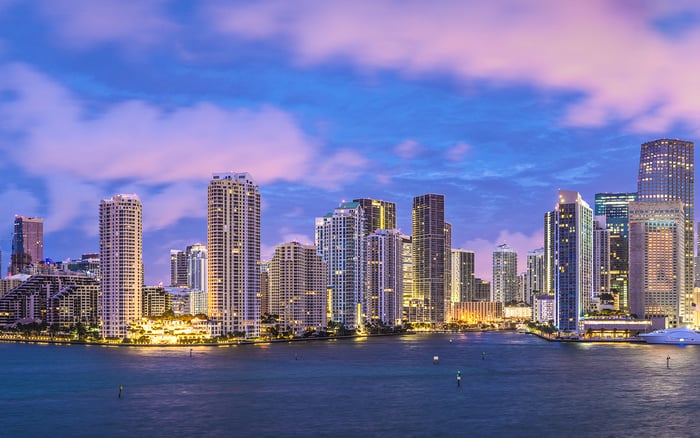
A buyer-oriented playbook for evaluating South Florida’s newest luxury high-rises, from branded mega-towers to boutique coastal buildings, with a focus on costs, engineering, governance, and everyday livability.
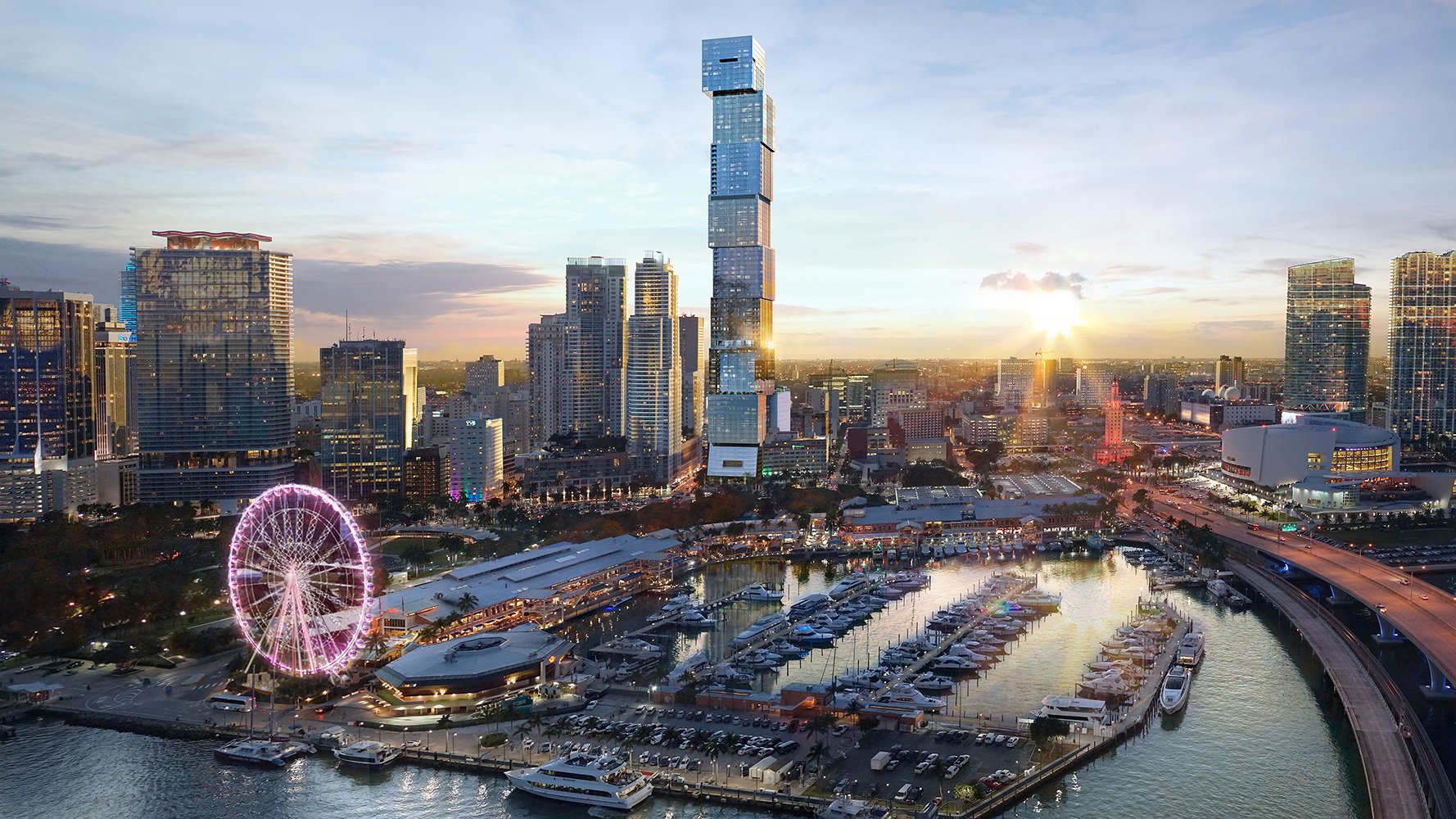
South Florida’s luxury high-rise market still rewards the obvious: waterlines, privacy, architecture, and the social currency of a marquee address. Yet today’s trophy test is increasingly operational. Buyers are underwriting not just a residence, but a complex vertical machine-one that has to perform in heat, salt air, storm season, and a fast-evolving regulatory climate.
For many households, the purchase decision now sits at the intersection of design ambition and building mechanics: reserves, insurance, governance, construction quality, and the logistics of daily life on the 40th or 80th floor. That isn’t a downgrade from glamour; it’s the quiet sophistication of buying well.
A luxury buyer’s monthly number has always reflected staffing, amenities, and the premium of high-touch service. What’s changed is how non-negotiable structural budgeting has become across much of Florida’s condominium landscape.
Florida’s post-Surfside safety regime includes required milestone inspections and Structural Integrity Reserve Studies (SIRS) for many condominium buildings. Practically, this sharpens the focus on forward-funded reserves for major components and can push monthly costs higher as associations recalibrate reserve schedules and capital plans.
Just as importantly, boards generally cannot vote to waive or reduce required structural integrity reserve funding for items covered by SIRS. For owners, that reshapes the psychology of ownership: deferred maintenance is no longer a strategy, and special-assessment risk becomes a clearer part of the underwriting.
In a boutique building, these requirements can feel manageable if the scope is limited and the asset is new. In a large, service-heavy tower, they become another layer on top of staffing, security, concierge, and amenity operations. That’s why buyers comparing a more intimate oceanfront profile like 57 Ocean Miami Beach to a dense Brickell lifestyle should model not only today’s fee, but also the building’s reserve posture over time.
Condo fees across Florida have climbed in recent years, with insurance and reserves among the major drivers. In an ultra-luxury context, that creates a subtle sorting effect.
First, not all “expensive” fees are created equal. A fee that reflects properly funded reserves, robust risk management, and disciplined maintenance can be a feature. A fee that feels volatile, opaque, or dispute-driven is a warning.
Second, service expectations can collide with cost reality. Owners who want five-star staffing, valet, and layered security should expect five-star operating budgets. That’s true in Brickell lifestyle towers such as 2200 Brickell, and it’s equally true in legacy luxury enclaves where owners have long tolerated higher overhead in exchange for a consistent standard.
The buyer move is straightforward: read the association budget like a narrative. Where does the money go, what’s trending, and how does the board prioritize proactive maintenance versus cosmetic spending?
South Florida’s coastline is a geological story as much as a lifestyle one. For buyers, that’s a reason to be precise, not alarmist.
Sophisticated buyers increasingly ask: What is the foundation system? What monitoring is performed? What do the building’s engineers say about site conditions, neighboring construction, and long-term movement?
When considering Sunny Isles-where vertical living is part of the DNA-pair the glamour of the shoreline with the discipline of due diligence. Properties such as Regalia Sunny Isles Beach can represent the pinnacle of privacy, but the modern owner also wants clarity on building systems, maintenance cadence, and the association’s technical posture.
New construction reduces some unknowns and introduces others. A high-end tower can be visually flawless and still carry meaningful defect risk beneath the surface: waterproofing, glazing performance, mechanical systems, pool assemblies, and interior humidity control.
Also consider time. Statute-of-limitations constraints can limit a condominium association’s ability to pursue certain defect claims years after construction, increasing long-horizon risk for owners. Translation: if problems surface late, legal leverage may be narrower.
For buyers, the practical questions are clear: What warranties are in place? What building-envelope testing was done? What punch-list culture exists? And how transparent are the developer and manager about post-closing issues?
In a newly delivered tower, a significant portion of daily life is shaped by contracts you didn’t negotiate: management, security, valet, engineering, and amenity operations. Those agreements determine staffing levels, service standards, and ultimately the trajectory of fees.
Even without drama, turnover should be treated as a primary checkpoint. Ask: When does owner control commence? Which agreements are assignable? What termination flexibility exists? And what is the process for rebidding contracts?
In Downtown, where statement towers redefine the skyline, residences such as Aston Martin Residences Downtown Miami can be compelling-but governance hygiene is part of the luxury equation.
In ultra-luxury high-rises, parking is not a side detail-it’s a daily ritual. Some towers differentiate with automotive theater, while others rely on automated systems to maximize space.
Automation comes with an operational edge. When specialized parking systems malfunction, retrieval delays and disputes can quickly turn “innovation” into a quality-of-life issue.
Due diligence here should be specific: service contracts, redundancy protocols, response-time targets, and the plan during outages. In luxury, “cool” is only cool if it works at 7:30 a.m. on a weekday.
Miami’s vertical boom adds a seasonal variable: storm preparedness, neighborhood construction activity, and access planning.
For residents near active construction, that can translate into noise, street closures, and occasional access friction during weather events. For buyers, it’s worth understanding the neighborhood pipeline and how a building communicates and prepares. The best-managed towers treat storm planning as concierge-grade service: clear updates, tested generators and pumps, and a culture of readiness.
South Florida’s luxury and new-development condo market often includes a meaningful share of cash and international buyers, which can reduce dependence on mortgage availability compared with many U.S. markets. That dynamic can matter during rate volatility.
At the same time, luxury pricing can remain resilient even as sales volumes shift, suggesting branded and trophy towers may behave differently than the broader condo stock. For buyers, this isn’t a promise of immunity. It’s a reminder that the top of the market often trades on scarcity, identity, and global demand.
That’s part of why curated, design-forward projects continue to command attention across neighborhoods-from the wellness-leaning, new-construction sensibility of The Well Coconut Grove to the skyline theater of future Brickell icons such as 888 Brickell by Dolce & Gabbana.
At the ultra-premium level, the best purchases feel effortless after closing. Getting there requires discipline before you sign.
Model true monthly ownership: fees, reserve posture, and the cost of the service standard.
Verify structural diligence: milestone inspection cadence, SIRS scope, and reserve discipline.
Evaluate envelope and systems: waterproofing strategy, mechanical performance, and humidity control.
Stress-test daily logistics: elevators, package handling, guest flow, and parking retrieval.
Review governance mechanics: turnover timing, contract rebidding, and transparency norms.
Account for neighborhood externalities: nearby construction and storm-season access planning.
Ultimately, luxury isn’t only the view from the terrace. It’s the confidence that the building will perform, the budget will be intelligible, and the service will be consistent.
What is a SIRS and why does it matter to condo buyers? It is a Structural Integrity Reserve Study that guides funding for key building components, influencing long-term budgeting and monthly fees.
Can a condo board vote to reduce structural reserve funding in Florida? For items covered by SIRS, boards generally cannot waive or reduce the required reserve funding, which changes how owners plan for capital needs.
Why do condo association fees rise even in luxury buildings? Insurance, reserves, and staffing levels can materially change a building’s operating budget, especially in service-heavy towers.
Does buying in a newer tower eliminate construction-defect risk? No. New buildings can still face issues with glazing, waterproofing, mechanical systems, or amenity components that can be costly to resolve.
What documents should buyers review to understand a condo’s finances? Focus on the current budget, reserve schedules, and recent meeting materials to understand priorities, upcoming projects, and cost drivers.
What should I ask about condo governance in a new luxury building? Ask about turnover timing, existing vendor contracts, termination flexibility, and how the association plans to rebid key services.
Are automated parking systems worth paying for in a Miami condo? They can be a convenience feature, but reliability and service-response plans matter because outages can disrupt daily routines.
What quality-of-life factors matter most in high-floor living? Elevator performance, package handling, guest access, and service-elevator availability can shape daily comfort as much as views.
How should I evaluate storm readiness in a South Florida high-rise? Look for clear communication protocols, tested backup systems, and a building culture that plans ahead for seasonal weather.
How can I compare two luxury condo buildings beyond amenities? Compare reserve posture, insurance exposure, maintenance planning, governance practices, and operational reliability-not just finishes and views.
When you're ready to tour or underwrite the options, connect with MILLION Luxury.
If branded residences are on your mind — as a home or as an allocation — we would be glad to share what we are seeing, privately.
Begin a quiet conversation