In 2026, South Florida’s affluent buyers are increasingly reassessing the classic luxury condo proposition. New structural and reserve requirements, tighter condo financing, and governance scrutiny have changed the math for certain buildings, while trophy single-family demand remains resilient. The result is a more fluid, two-way market: some owners exit condos for privacy and control, while others embrace hotel-served, lock-and-leave residences that deliver turnkey living without the operational burden of a large estate.
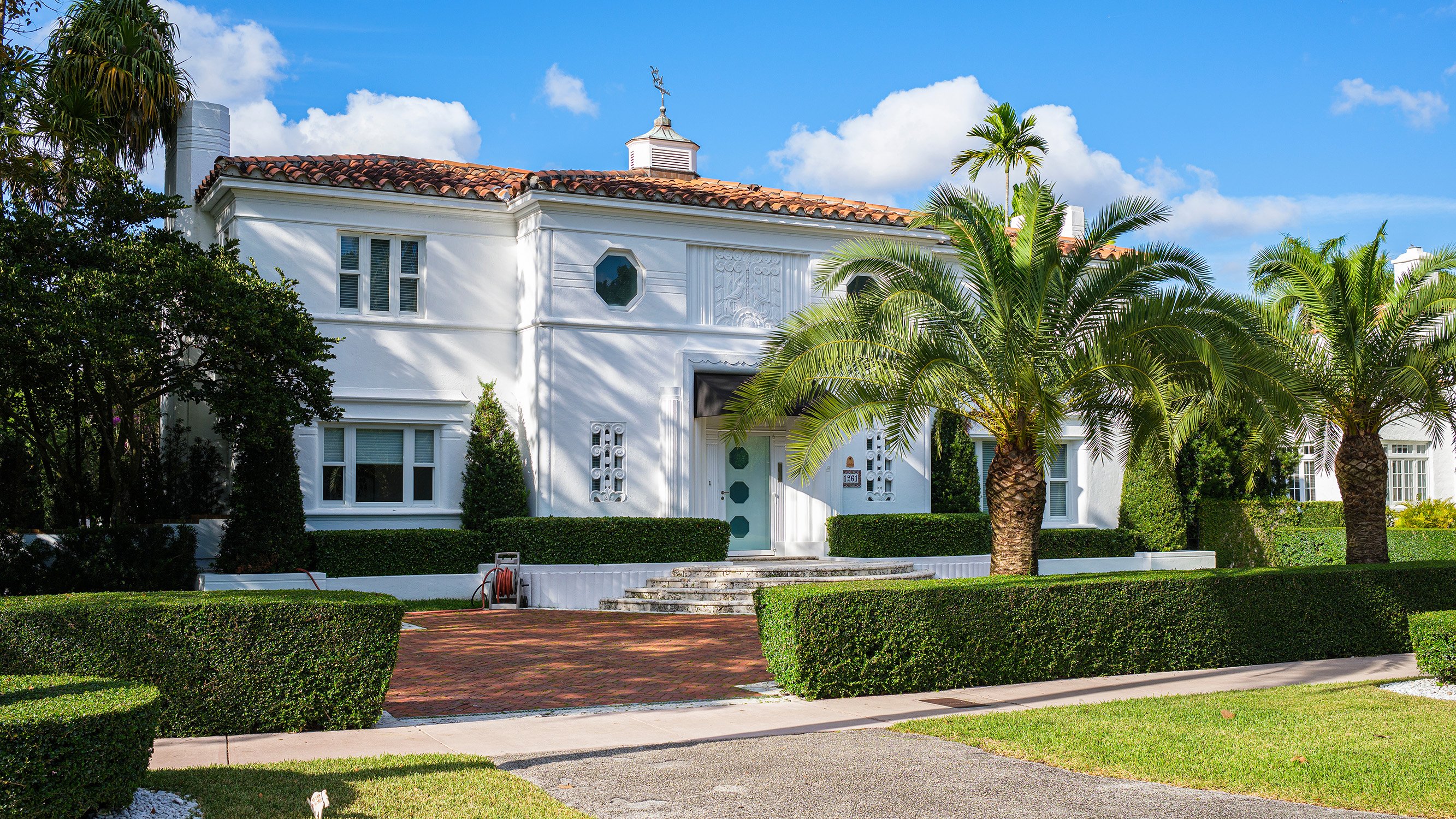
For years, choosing between a full-service condo and a single-family estate felt like a lifestyle quiz: a staffed lobby and lock-and-leave ease, or a gated drive, a pool pavilion, and full autonomy. In 2026, the decision has turned more financial-and more forensic.
Florida’s post-Surfside condo laws have raised the bar on structural oversight and reserve funding. Many buildings are now navigating the real-world outcome: sizable special assessments that can arrive at the worst possible time. At the same time, financing has tightened for a meaningful share of condo properties, thinning liquidity in certain segments and subtly extending how long a clean exit can take.
That’s why the “condo-to-mansion” narrative is back-not as a status trope, but as a disciplined reallocation. The ultra-wealthy are doing what they’ve always done well: optimizing for optionality.
Luxury buyers rarely resist paying for quality. What they resist is uncertainty. The pressure point today isn’t the monthly common charge; it’s the volatility around capital planning.
Mandatory structural and reserve requirements have pushed many associations into catch-up mode. In some cases, the resulting special assessments are significant enough to reset a household’s view of value-especially for second-home owners who may not spend enough time in-residence to justify major, surprise costs.
A second layer is lending restrictions affecting a large number of Florida condo buildings. Even when a buyer can pay cash, the broader buyer pool still matters because liquidity supports pricing. When financing is constrained, resales can tilt more negotiated than the boom-era script, with more deals closing below list in impacted submarkets.
None of this means the luxury condo is “over.” It means the top of the category is separating from the middle. Well-capitalized, transparent buildings with clear long-term plans can look even stronger by contrast. Buildings that can’t answer tough questions quickly may face buyers demanding a wider margin of safety.
South Florida recorded the second-most $10M+ home sales on record in 2025-a clear signal that trophy single-family demand remains active, even as condos face distinct headwinds. For anyone considering a move “up and out,” that matters: the very top of the market is still clearing, even in a more selective environment.
Single-family ownership delivers three things condo life cannot fully replicate:
First: control. From renovations to guest policies, you decide. For affluent owners who find HOA rules constraining, deed restrictions and association governance can become decisive push factors.
Second: privacy. Not just visual privacy, but operational privacy. Your financial decisions don’t require board approval, and your construction timeline doesn’t depend on building-wide consensus.
Third: a legacy asset. For many families, a house isn’t merely shelter; it’s a multi-generational gathering place. Estate-planning and titling considerations-including trusts, LLC structures, and heirs-often shape whether a property is meant to be an easily operated pied-a-terre or a longer-term family anchor.
That said, a mansion brings its own volatility: insurance complexity, vendor management, maintenance, staffing, and the simple reality that a large home is a small enterprise. This trade is rarely about cheaper versus more expensive. It’s about which line items you can actually predict.
For globally mobile owners, the lock-and-leave proposition remains powerful. The ability to close a door, travel for weeks, and return to a residence that’s secure and maintained isn’t a luxury-it’s a requirement.
Branded, hotel-served residences have sharpened that promise: front-of-house service, curated amenities, and operational support that can replace the staffing burden of an estate. In practice, this is why some buyers don’t “trade up” to a larger footprint at all. Instead, they trade into a better-run building with a service platform designed for effortless ownership.
In neighborhoods where lifestyle carries as much weight as square footage, high-design, amenity-forward condominiums can serve as a sophisticated alternative to a single-family move. Consider the buyer who wants Brickell energy without friction: 2200 Brickell reads as a residential-first answer for those prioritizing modern living in a well-positioned corridor.
If you’re evaluating a condo-to-mansion move, the smartest approach is to treat it like an investment committee decision-not an emotional one. Five lenses tend to bring the decision into focus.
1) Liquidity, not just value.
A condo’s resale is partly defined by the building’s financing posture and document readiness. When lending restrictions apply broadly across a region, your building’s profile matters more. A single-family property isn’t immune to market cycles, but it isn’t exposed to association-level capital events in the same way.
2) Predictability of cash calls.
Condos offer the appeal of a known monthly budget, but that promise is only as strong as the reserve plan and the building’s condition. Houses can be lumpy too, but you often control timing, scope, and vendor selection.
3) Governance and autonomy.
HOA rules can limit rentals, renovations, and even day-to-day use. For some owners, autonomy is the entire point of wealth-and a single-family purchase aligns more cleanly with that philosophy.
4) Mobility and lifestyle.
If you split time among multiple cities, a condo can be the operationally elegant choice-especially when property management standards are high and the building is designed for part-time residency.
5) Family planning and ownership structure.
Second-home ownership is common among high-net-worth households. The “right” asset often depends on how it will be used and by whom, and on how cleanly it can be held, transferred, and managed across heirs.
The condo-to-house story isn’t uniform. It’s neighborhood-specific-shaped by the mix of building vintages, governance culture, and the quality of single-family inventory.
In Miami Beach, some buyers who love the coastline but want a lighter operational lift remain drawn to newer, design-forward residences with a strong lifestyle proposition, such as 57 Ocean Miami Beach. Others treat Miami Beach as a “test market,” leasing or staying short-term to learn the daily rhythms before committing to the upkeep of a large home.
In Surfside, the market has become especially sensitive to building quality, maintenance planning, and the sophistication of ownership. Buyers seeking an elevated, curated residential experience often gravitate toward ultra-luxury oceanfront product like The Surf Club Four Seasons Surfside-a reminder of how compelling hotel-served living can be when the service model is exceptional.
In Brickell, the conversation often comes down to time. Owners running companies or traveling constantly may prefer a central, amenitized residence and avoid the operational sprawl of a large single-family footprint. That dynamic is also supporting interest in statement towers such as 888 Brickell by Dolce & Gabbana, where design and brand cues are part of the value proposition.
In Boca-ratón, the calculus can tilt the other direction. Many buyers arriving with wealth migration tailwinds want land, privacy, and a sense of permanence. A single-family address such as 749 Bamboo Dr Boca Raton captures the appeal of a residential environment where autonomy and neighborhood character stay central.
If you already own a condo, 2026 isn’t automatically a reason to sell. It’s a reason to audit.
Start with your building’s capital plan and communication style. Buyers have become more demanding about governance, document access, and clarity around future projects. As confidence increases, liquidity often follows.
Next, take a clear look at your personal balance sheet and your time budget. If you’re paying for a lifestyle you aren’t using-or if the building’s rules feel increasingly misaligned with how you want to live-a house can be the cleaner solution.
Finally, remember that many of the highest-end South Florida transactions are cash-driven, which reduces rate sensitivity for the wealthiest buyers. That can keep the ultra-luxury single-family segment active, even when financing friction is more visible in condos.
The new reality is that affluent buyers aren’t climbing a single ladder from condo to mansion. They’re moving laterally across property types based on seasonality, family needs, and risk tolerance.
Some will trade out of older condos into estates for control and privacy. Others will trade out of complicated single-family ownership into a truly turnkey residence where services handle the hidden work of luxury. In either direction, the winners will be the assets with the least friction: clear governance, predictable costs, and a lifestyle that fits the way you actually live.
Are Florida’s post-Surfside condo laws influencing luxury decisions? Yes. Structural and reserve requirements have contributed to special assessments that can change the cost/benefit of condo ownership.
Why does condo financing matter if many luxury buyers pay cash? Financing affects the broader buyer pool and resale liquidity, which can influence negotiating leverage and pricing.
Are condo resales more negotiable now than in the boom years? In some segments, yes. Tightened financing and rising ownership costs have contributed to more negotiated outcomes.
Is the $10M+ single-family market still active in South Florida? Yes. Ultra-luxury single-family sales have remained strong, indicating continued demand for trophy homes.
What is the biggest “push factor” out of a condo for affluent owners? Unpredictable costs and restrictive HOA rules are common drivers, especially for owners who value autonomy.
What is the biggest “pull factor” into a condo even for mansion-capable buyers? Lock-and-leave convenience. Turnkey living reduces the operational burden of maintaining a large home.
How should second-home owners think about condo fees versus house upkeep? Compare predictability. Condos can feel simpler month-to-month, while houses can offer more control over timing and scope.
Do governance and transparency really affect buyer confidence? Yes. Buyers are increasingly selective about how buildings are run and how clearly future obligations are communicated.
Can estate planning affect whether a condo or single-family home is a better fit? Yes. Titling, trusts, and multi-heir use cases can favor either a simpler-to-operate condo or a legacy house.
Is “try before you buy” common at the high end? It has appeared more often as buyers manage uncertainty, using stays or short-term arrangements to test daily living.
To compare the best-fit options with clarity, connect with MILLION Luxury.
If branded residences are on your mind — as a home or as an allocation — we would be glad to share what we are seeing, privately.
Begin a quiet conversation