A refined guide to evaluating the unlisted qualities that make a luxury building work for families, from service tone and privacy to governance, amenities, and everyday ease.
For a family buying in South Florida’s luxury market, the building is not simply a container for a residence. It is a daily environment, a social rhythm, a service model, and, in many cases, a formative backdrop for children. Finishes can be photographed. Views can be measured. Square footage can be compared. Building culture is harder to quantify, and often more consequential.
The most desirable address for one household may feel misaligned for another. A couple with older children may prize privacy, quiet elevators, and a disciplined guest policy. A young family may want a warmer staff presence, intuitive stroller access, and amenities that absorb real life without compromising elegance. The assignment is not to find the building with the longest amenity list. It is to find the one whose culture supports the way the family actually lives.
In markets such as Brickell, Aventura, Edgewater, Surfside, Wynwood, and Downtown, family buyers often compare very different lifestyle propositions. The more refined question is not which location is most impressive, but which building will still feel right at school drop-off, during a rainy Sunday, after a late flight, and when grandparents arrive for a week.
Luxury service for families should never feel performative. The best building teams understand discretion, tempo, and memory. They know when to assist and when to disappear. They greet children without turning the lobby into a stage. They handle deliveries, guests, drivers, maintenance visits, and unexpected inconveniences with calm consistency.
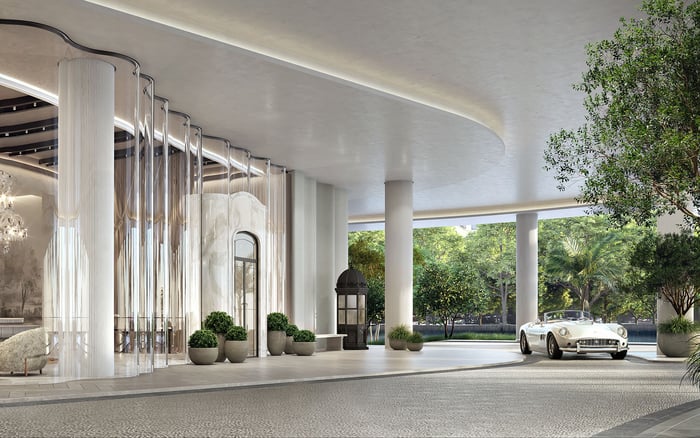
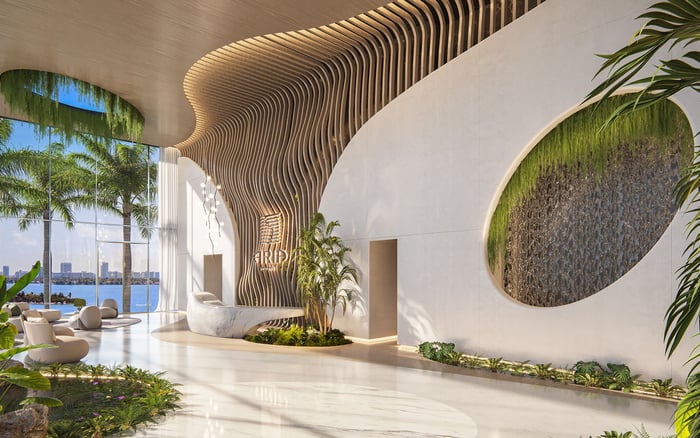
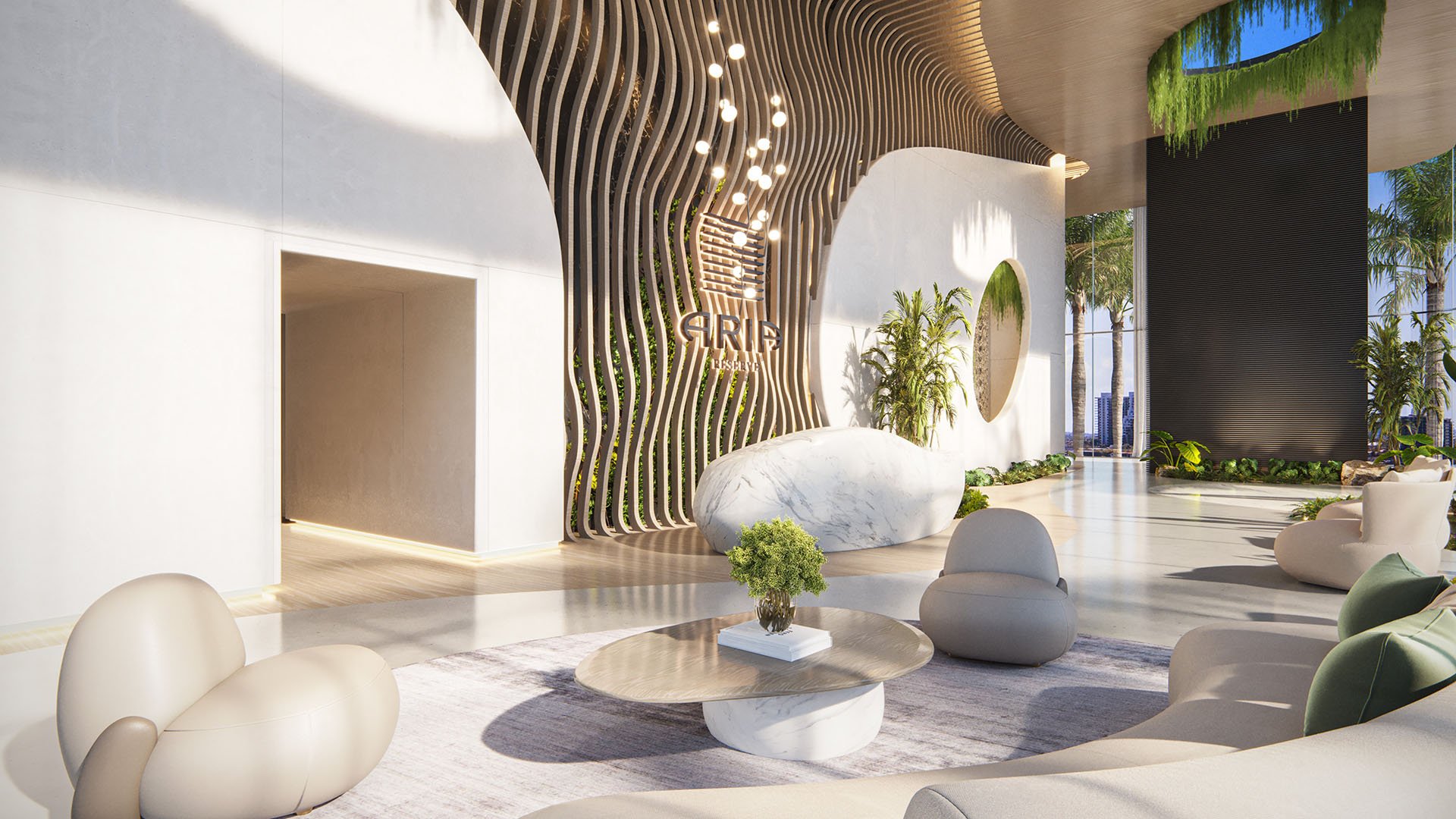
Family buyers should study the lobby at ordinary hours. Is the tone warm but controlled? Do staff members appear empowered, or merely decorative? Does the arrival sequence feel intuitive for a parent carrying bags, managing a child, and taking a phone call at once? Does the building seem designed around graceful movement, or around spectacle?
A polished lobby means little if the daily experience is rigid, distracted, or impersonal. Families should demand a service culture that anticipates pressure points rather than simply reacting to them. The true test is not the tour. It is how the building behaves when life is slightly imperfect.
Privacy is often discussed as a design feature, yet for families it is equally an operational standard. It depends on elevator discipline, guest protocols, package handling, staff confidentiality, amenity access, and the unwritten norms residents accept from one another.
A family should ask how visitors are received, how vendors are managed, how common areas are monitored, and how residents move through the building at peak hours. These questions are not about suspicion. They are about reducing friction and preserving ease. A residence can be architecturally private and still feel exposed if the building culture is loose with access, gossip, noise, or guest behavior.
This is particularly important for high-profile households, blended families, families with domestic staff, or buyers who split time across several homes. The best building cultures make privacy feel effortless. No one should have to perform exclusivity. It should be embedded in the building’s habits.
Family-friendly does not need to mean casual. In the ultra-premium segment, the stronger standard is family-capable. That means amenities that can absorb children, wellness routines, remote work, visiting relatives, pets, and social life without turning every shared space into a compromise.
Buyers should look beyond labels such as pool, lounge, fitness center, or club room. The better questions are practical. Are there spaces where a child can be comfortable without disturbing residents seeking quiet? Are wellness areas designed for adults who use them seriously? Can a parent take a private call outside the residence? Are celebrations possible without overwhelming the building’s everyday rhythm?
The most successful family buildings create zones of intensity and calm. They do not ask every resident to want the same thing at the same hour. For families, that separation is a luxury. It allows children to be children while adults still receive the atmosphere they purchased.
A building’s culture is shaped by rules, and by how those rules are interpreted. Buyers should read governance as carefully as they read floor plans. Pet policies, rental restrictions, renovation procedures, amenity reservations, move-in rules, and guest standards all reveal the building’s priorities.
For families, governance should be firm enough to preserve value and serenity, yet reasonable enough to accommodate real life. A building that is too lax can feel chaotic. A building that is too rigid can make normal family logistics exhausting. The right culture usually lives between those extremes: clear standards, applied consistently, with a service team that understands nuance.
Before signing, families should discuss how the building handles noise, contractors, private staff, tutors, trainers, extended guests, and seasonal occupancy. These issues rarely appear glamorous, but they determine whether ownership feels elegant or administratively heavy.
A building’s resident culture is visible when buyers slow down. Observe the elevators, lobby seating, pool deck, valet area, and amenity corridors. Are residents courteous to staff? Are children acknowledged with patience? Do conversations feel discreet? Is the atmosphere neighborly, anonymous, social, formal, or transient?
No single mood is superior. A highly private building can be ideal for one family and lonely for another. A social building can be energizing, or too porous. The point is alignment. Families should resist being seduced by a building whose culture flatters the market but does not fit their household.
This is where repeat visits matter. A weekday morning, weekend afternoon, and early evening can reveal three versions of the same property. If the energy changes dramatically, buyers should decide whether that range feels dynamic or unstable.
Newness has appeal, but families should think in longer arcs. Children grow. Schedules change. Staff needs evolve. Grandparents visit. Cars multiply. Homework becomes college prep. The building that works beautifully for a toddler stage may not suit teenagers, and the reverse can also be true.
Durable building culture is adaptable without becoming undefined. It offers enough structure to protect quiet enjoyment and enough elasticity to handle changing family needs. A buyer should imagine not only the first season of ownership, but the fifth year. Will the building still feel gracious when routines become more complex? Will amenities remain useful as children age? Will service standards be resilient under pressure?
For many families, the most valuable building is not the flashiest. It is the one that lowers the ambient difficulty of daily life.
The strongest family buyers enter showings with disciplined curiosity. They ask what daily arrival feels like during busy periods. They ask how staff turnover is managed. They ask how amenity conflicts are resolved. They ask whether the building’s quiet spaces are truly quiet. They ask how the community responds to children, pets, guests, and private staff.
They also ask themselves harder questions. Does this building support our parenting style? Would we feel comfortable letting older children move through certain areas independently? Does the tone feel aspirational in a way that enriches family life, or in a way that requires constant management? Are we choosing this because it is impressive, or because it is right?
In luxury real estate, culture is the invisible amenity. It is also the one families feel most often.
What does building culture mean for a family buyer? It is the shared tone of service, resident behavior, rules, privacy, and daily operations that shapes life beyond the residence itself.
Is a family-friendly building always the best choice? Not necessarily. Many families prefer a refined, family-capable building that supports children while preserving quiet, privacy, and adult sophistication.
What should families observe during a showing? Watch the lobby, elevators, valet flow, amenity areas, and staff interactions. These spaces often reveal more than staged interiors.
Why does governance matter so much? Rules influence noise, guests, rentals, pets, renovations, and amenity use. For families, consistency can be as important as design.
How can buyers evaluate privacy before purchasing? Ask about guest access, elevator protocols, vendor management, package handling, and staff discretion. Privacy should be operational, not symbolic.
Are more amenities always better for families? No. The best amenities are well-zoned, well-managed, and useful in daily life rather than simply impressive on a tour.
Should families visit a building more than once? Yes. Different days and times can reveal the building’s true rhythm, from quiet weekday mornings to more active weekend periods.
How important is staff culture? Extremely important. Staff members often define the daily experience through consistency, discretion, problem-solving, and tone.
Can the wrong building culture affect resale appeal? It can influence how a home feels to future buyers. A well-run, harmonious environment tends to support confidence in the property.
What is the simplest rule for family buyers? Choose the building that makes daily life feel more graceful, not merely the one that looks most impressive.
If you'd like a private walkthrough and a curated shortlist, connect with MILLION.
If branded residences are on your mind — as a home or as an allocation — we would be glad to share what we are seeing, privately.
Begin a quiet conversation