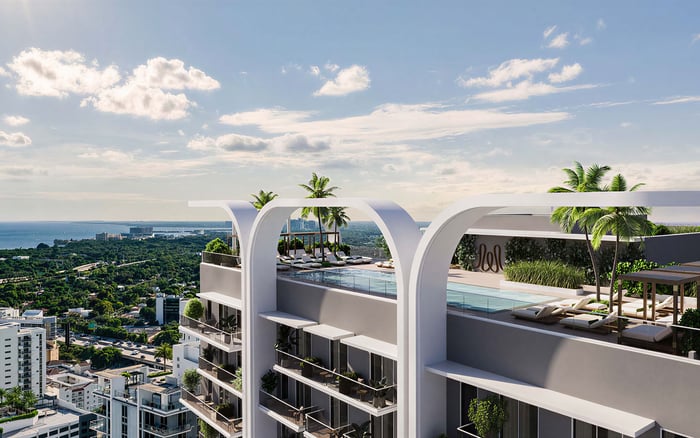
A discreet, practical guide for luxury buyers who want to use a private showing to stress-test inspection contingencies before contract terms become consequential.
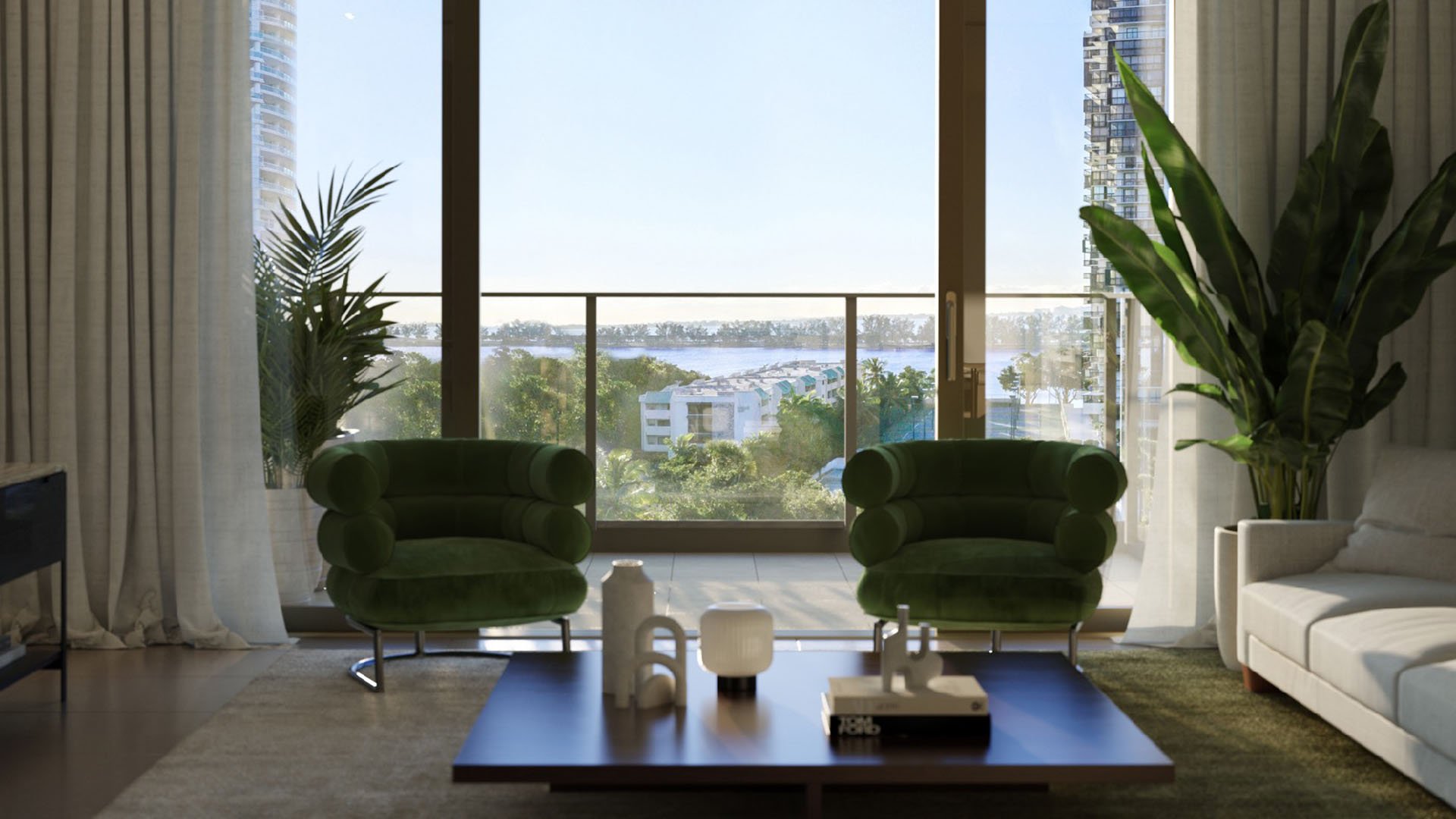
A private showing is often framed as an emotional moment: light, proportion, view, arrival, privacy. For a serious buyer, it should also function as a quiet technical rehearsal. Before a contract is signed, the showing can reveal whether an inspection contingency is broad enough, specific enough, and realistic enough for the asset under review.
That discipline is especially important in South Florida, where luxury property can involve high-rise systems, waterfront exposure, private elevators, outdoor kitchens, large-format glazing, complex lighting, smart-home infrastructure, and layered association rules. The goal is not to replace a licensed inspector, engineer, contractor, or attorney. It is to identify what must be tested later, what should be written into the contract, and what may require a specialist before deposit money, timing, and leverage become more delicate.
A buyer comparing private opportunities in Brickell might walk 2200 Brickell with a different lens than a beachfront residence, yet the discipline remains the same: observe, operate, listen, document, and decide what the contingency must protect.
Before entering the residence, define the risk categories the contingency needs to cover. In a condominium, these may include interior condition, balcony or terrace components, appliance operation, water-intrusion indicators, HVAC performance, electrical behavior, window and door operation, storage, parking, and any systems represented as part of the sale. In a single-family setting, the list may expand to roof, drainage, seawall, dock, pool, landscape irrigation, generator, security, and exterior envelope concerns.
The showing should not become adversarial. A polished, prepared buyer simply asks better questions. If a feature matters to valuation or lifestyle, it should be seen in operation where possible. Open the doors. Run the water. Notice air temperature. Ask which items are included. Confirm which systems are shared, private, warranted, recently serviced, or excluded. If the answer is uncertain, that uncertainty is not yet a problem. It is a note for the inspection contingency.
For portfolio framing, the same practice applies across Brickell, Miami Beach, Sunny Isles, oceanfront, new-construction, and resale decisions. The property type changes; the buyer’s discipline should not.
Luxury finishes can distract from practical signals. During the showing, spend time in the least theatrical rooms: laundry, mechanical closets, secondary baths, storage areas, service corridors, garage spaces, and utility zones. These areas often reveal how a residence is maintained.
Operate windows and doors if permitted. Listen for resistance, rattling, air movement, or uneven closure. Step onto terraces and note slope, drainage, privacy, and ambient sound. In kitchens and baths, run fixtures long enough to observe pressure, drainage, temperature change, cabinet condition, and under-sink dryness. In South Florida, small moisture clues deserve attention: staining, swelling, odor, patched surfaces, or areas that feel newly concealed.
Noise should be tested intentionally. Stand quietly in bedrooms, primary living areas, and outdoor spaces. A view can be magnificent and still carry sound from traffic, pool decks, elevators, service areas, nearby construction, or nightlife. The inspection contingency may not solve noise, but the showing can determine whether acoustics require additional diligence before the buyer proceeds.
At a coastal private showing such as The Perigon Miami Beach, a buyer may be drawn first to horizon lines and interior atmosphere. The sharper move is to pair that visual assessment with a methodical review of enclosure, terrace function, and day-to-day livability.
A contingency is only as useful as the questions it anticipates. During the showing, the buyer’s representative should convert observations into contract-language topics. If a wine room, media system, summer kitchen, motorized shade package, or built-in audio system materially affects the buyer’s interest, the contingency should allow enough time and access to evaluate it.
Ask whether manuals, service records, warranties, permits, plans, association disclosures, or vendor contacts are available. Ask whether any repairs are pending. Ask what has been replaced, what is original, and what has been customized. Ask whether access will be permitted for specialists during the inspection period. These questions do not require confrontation; they signal seriousness.
In high-value residences, timing can be as important as scope. If the property demands a general inspector, engineer, mold assessor, contractor, pool specialist, marine specialist, window consultant, or smart-home technician, a short inspection period may not be adequate. The private showing is where that timing reality first appears.
For condominium buyers, the private showing starts before the unit door opens. Arrival, valet, lobby staffing, elevator performance, corridor condition, amenity maintenance, loading access, package handling, service elevator rules, pet logistics, and guest flow all shape the lived experience. They also help identify which documents and questions should be reviewed during the contingency period.
In a building context, the inspection is not only about the residence. It is about the relationship between the residence and the building that supports it. A buyer considering St. Regis® Residences Sunny Isles may want to understand access protocols, service patterns, and the practical rhythm of vertical living as part of overall diligence.
Parking should be verified visually where possible. Storage should be located, measured informally, and compared with expectations. Private elevator entries, service corridors, and back-of-house paths should be walked if access is available. If a buyer expects discretion, staff efficiency, or effortless arrival, the showing should test those expectations in real time.
A second showing with a specialist can be invaluable before final contract negotiations. This is not always necessary, but it can be prudent when a residence includes extensive millwork, unusual mechanical systems, older structural elements, waterfront exposure, rooftop areas, elevators, generators, pools, docks, or highly customized automation.
For properties where outdoor living is central, test more than the view. Consider shade, wind, furniture placement, drainage, privacy from neighboring sightlines, grill ventilation, and the connection between interior entertaining spaces and exterior terraces. A residence such as Vita at Grove Isle invites a buyer to think carefully about island-style arrival and the everyday function of indoor and outdoor rooms.
The purpose of early specialist input is not to find fault. It is to price uncertainty. If a buyer still loves the property after a disciplined showing, that affection becomes more credible. If the showing reveals complexity, the contingency can be drafted to create proper time, access, and remedies.
After the showing, create a short diligence memo. Divide notes into three groups: items to inspect, items to request, and items that affect value. Do not let every cosmetic imperfection become a negotiation point. In luxury real estate, credibility matters. The most persuasive buyer is precise, not exhaustive.
If the residence is compelling but certain elements need verification, the offer can reflect that balance. A clean price with a thoughtful inspection contingency may be stronger than an aggressive posture built on vague concerns. Conversely, if the showing reveals unresolved technical questions, the buyer should resist pressure to make the contingency too narrow.
The final test is simple: if the same concern appeared after signing, would the buyer still have the contractual room to investigate it properly? If the answer is no, the private showing has already done its job by exposing the weakness before the contract is binding.
A private showing at The Residences at 1428 Brickell, for example, can be used to refine questions about daily function, finish expectations, access, light, and the specific systems the buyer wants confirmed during inspection.
Is a private showing a substitute for a formal inspection? No. It is a preliminary screening that helps shape the scope, timing, and language of the inspection contingency.
What should I test first during a showing? Start with water, air, windows, doors, appliances, exterior areas, storage, parking, and any system that materially affects value.
Can I bring an inspector to the first showing? Sometimes, if access is approved. More often, a specialist is brought to a second showing or during the formal inspection period.
Should I ask about service records? Yes. Service records can help identify what deserves closer review, especially for mechanical systems, appliances, pools, generators, and automation.
How do I handle a seller who will not answer technical questions? Treat unanswered questions as diligence items. Your contingency should allow time and access to verify what cannot be confirmed verbally.
Do new residences still need inspection contingencies? Yes. New-construction can still involve delivery details, finish review, system operation, access rules, and documentation that deserve professional review.
Are inspection contingencies different for condos and houses? They can be. Condos often require building and association diligence, while houses may require more exterior, roof, drainage, pool, and site review.
What if the residence looks perfect? A pristine presentation is not the same as technical confirmation. The better the property looks, the more disciplined the buyer should remain.
Should cosmetic issues be part of the inspection strategy? Only if they affect value, function, or delivery expectations. Focus first on material issues and systems that are expensive or difficult to correct.
When should the contingency be tightened or expanded? It should be refined after the private showing, once the buyer understands what must be inspected, who must inspect it, and how much time is needed.
For a discreet conversation and a curated building-by-building shortlist, connect with MILLION.
If branded residences are on your mind — as a home or as an allocation — we would be glad to share what we are seeing, privately.
Begin a quiet conversation