A discreet buyer’s guide to comparing Viceroy Brickell and Rosewood Residences Hillsboro Beach through the practical lens of art installation, freight access, and climate-controlled storage.
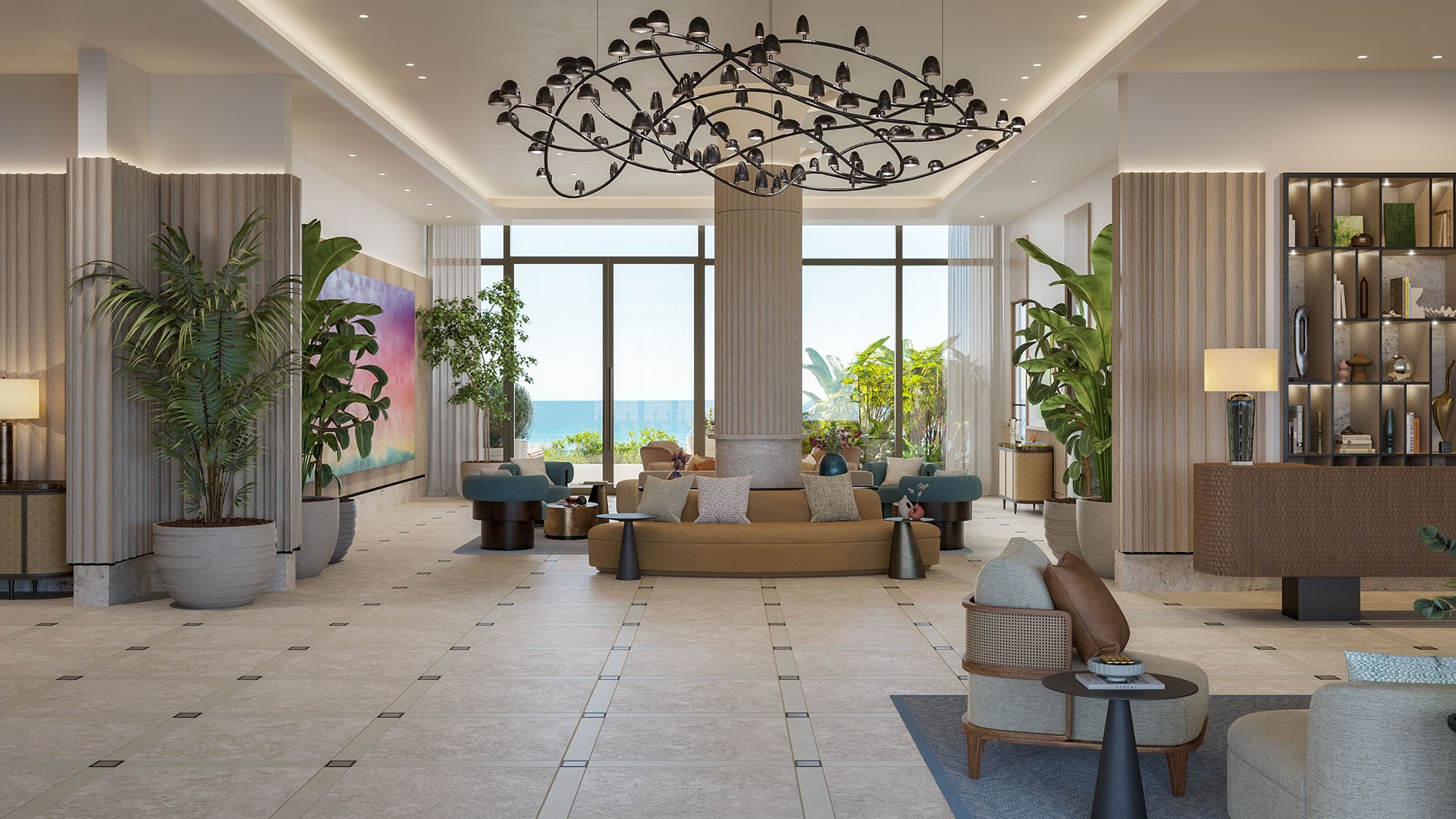
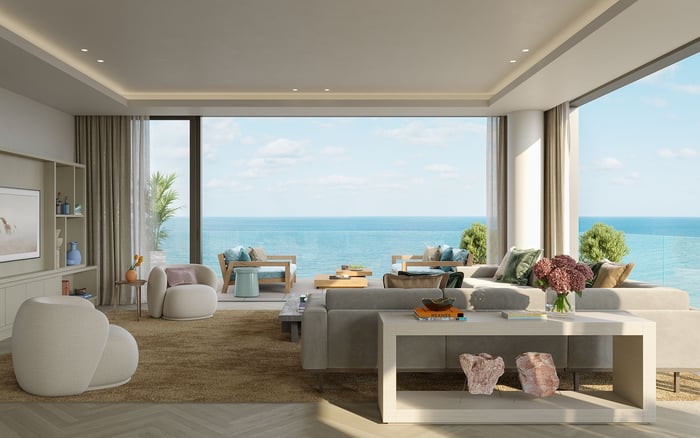
The sales gallery is designed to seduce. It presents the residence at its most cinematic: curated lighting, polished stone, a model kitchen that never hosts a contractor, and art placed precisely where the eye wants it. For a serious South Florida buyer, however, the more revealing questions often begin after the tour. How will a large canvas enter the building? Where does a crate wait before installation? Can a sculpture move from truck to residence without improvisation? Is storage genuinely climate-controlled, or merely convenient?
That is the sharper lens for comparing Viceroy Brickell and Rosewood Residences Hillsboro Beach. One speaks to a Brickell buyer drawn to an urban, high-service address. The other is established as a luxury residential project in Hillsboro Beach, appealing to a quieter coastal sensibility. Yet on the three issues that matter to collectors and long-horizon owners-art installation, freight access, and climate-controlled storage-the decisive specifications should remain open items until confirmed in writing.
Art is not merely selected. It is transported, insured, staged, lifted, protected, and installed. A residence that looks effortless in renderings can become complicated if the building’s back-of-house systems do not align with the owner’s collection. Before comparing wall heights or natural light, a buyer should ask how art enters the property.
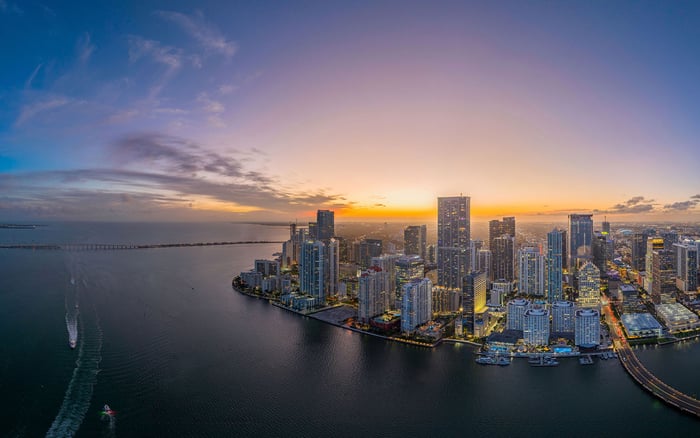
For Viceroy Brickell, the essential diligence is urban logistics. Brickell is dense, active, and vertical, which makes timing, truck access, freight elevator booking, and service corridor rules central to the ownership experience. The question is not whether an owner can live beautifully in Brickell. It is whether the building has clearly articulated procedures for large-format works, delicate finishes, and third-party installers.
For Rosewood Residences Hillsboro Beach, the setting suggests a different rhythm, but the diligence remains the same. Hillsboro Beach buyers often value privacy, ease, and discretion, yet those preferences still require operational detail. A project may be luxurious in positioning, but art installation depends on practical approvals: elevator protection, insurance requirements, delivery windows, pathway dimensions, and supervision once the work arrives.
Neither residence should be crowned the easier art address without confirmed specifications. The right approach is to ask both teams the same questions and compare the answers side by side.
Freight access is one of the least glamorous and most consequential parts of luxury ownership. It affects move-ins, custom furniture, seasonal deliveries, design installations, auction purchases, wine storage equipment, and the inevitable service work that follows a high-finish residence.
In Brickell, the buyer should evaluate Viceroy through the lens of congestion and vertical coordination. Ask whether there is a designated loading approach, how freight elevator reservations are managed, which hours are permitted for oversized deliveries, and whether restrictions could affect art handlers or specialty movers. Comparable Brickell buyers touring St. Regis® Residences Brickell or The Residences at 1428 Brickell will often raise similar questions, not because every building answers them the same way, but because the neighborhood demands operational clarity.
For Rosewood Residences Hillsboro Beach, the freight conversation is less about city density and more about certainty. A buyer should still request written guidance on loading access, service elevator use, delivery scheduling, protective coverings, staging rules, and the process for major installations after closing. A serene location does not eliminate logistics. It simply changes the pressure points.
The sales gallery may show the grand salon. The freight plan tells you how the grand piano gets there.
Storage is often presented as an amenity, but for collectors and seasonal owners it is a risk-management issue. Climate-controlled storage can mean very different things depending on building design, location within the property, monitoring practices, humidity control, access rules, and whether the space is suited for art, leather, archival materials, fine rugs, or only general household overflow.
A buyer comparing Viceroy Brickell and Rosewood Residences Hillsboro Beach should avoid assuming that a prestigious brand or polished presentation automatically resolves storage concerns. Ask whether storage is included, assigned, available for purchase, or limited by residence type. Ask whether it is temperature controlled, humidity controlled, or simply located within conditioned space. Ask who can access it, how it is secured, and whether it can accommodate boxed artworks, sculpture bases, design samples, or seasonal furnishings.
New-construction and pre-construction buyers have a particular advantage here: they can raise these issues before habits are set. Once a building opens and operating rules are established, exceptions become harder. The best time to clarify storage is before contract, not after the crate arrives.
A fair comparison is not a declaration of which property wins. It is a disciplined sequence of questions. For Viceroy Brickell, the buyer should focus on urban access, elevator booking, loading coordination, service circulation, and the rules governing third-party installers in a dense Brickell environment. For Rosewood Residences Hillsboro Beach, the buyer should focus on privacy, service protocols, storage conditions, delivery pathways, and whether the property’s quiet luxury extends into back-of-house execution.
The common mistake is letting the front-of-house experience answer a back-of-house question. A gracious lobby does not guarantee a suitable freight route. A refined brand does not confirm humidity parameters. A beautiful wall does not mean a large work can reach it without risk.
This is why buyers with serious collections should request written responses from each sales team, preferably in a format that can be reviewed by an art adviser, designer, or logistics specialist. The questions need not be confrontational. They are simply the questions that sophisticated ownership requires.
Across South Florida, the best luxury buildings are increasingly judged not only by pools, private dining, and branded service, but by the invisible choreography of ownership. A buyer looking at Hillsboro Beach may also study nearby coastal alternatives such as The Ritz-Carlton Residences® Pompano Beach, while a Brickell buyer may compare walkability, service culture, and vertical living across several new towers. In every case, the true test is how the residence performs after closing.
For investment-minded owners, logistics can affect more than convenience. They shape the ease of furnishing, the quality of long-term maintenance, the experience of seasonal arrival, and the confidence with which a residence can host museum-grade objects or bespoke interiors. In that sense, freight access and storage are not secondary details. They are part of the asset.
The most elegant answer is rarely the loudest one. It is the one delivered clearly, documented carefully, and executed without drama.
Does either project clearly win on art installation today? No. The available confirmed details do not support declaring either Viceroy Brickell or Rosewood Residences Hillsboro Beach the winner on art logistics.
What should a collector ask before reserving a residence? Ask for written procedures covering delivery windows, freight elevator use, installer insurance, wall protection, staging areas, and approval requirements.
Is freight access more important in Brickell? It is especially important in Brickell because urban density can make timing, truck movement, and elevator coordination more sensitive.
Does a coastal location make logistics easier? Not automatically. A quieter setting can help with the arrival experience, but the buyer still needs confirmed loading, elevator, and storage protocols.
What does climate-controlled storage actually mean? It should be clarified in writing, including temperature, humidity, access, security, location, and suitability for valuable personal property.
Should art advisers be involved before contract? Yes. Advisers and installers can identify practical risks that may not be obvious during a sales gallery presentation.
Are branded residences automatically better for collectors? Not automatically. Brand prestige may enhance service expectations, but the collector still needs verified operational specifications.
Can storage terms vary by residence type? Yes. Buyers should ask whether storage is included, assigned, optional, or limited by floor plan or purchase category.
What is the most overlooked question in this comparison? The most overlooked question is how oversized, fragile, or insured items move from the truck to the finished residence.
When should these logistics be negotiated? They should be addressed before contract when possible, while there is still room to clarify expectations and document procedures.
For a tailored shortlist and next-step guidance, connect with MILLION.
If branded residences are on your mind — as a home or as an allocation — we would be glad to share what we are seeing, privately.
Begin a quiet conversation