A buyer-focused guide to how design-branded, hospitality-branded, and private condominium-style ownership models may suit New York households splitting time in South Florida.

For New York buyers who divide their time between Manhattan, Brooklyn, Westchester, or the Hamptons and South Florida, the question is rarely whether to buy a beautiful residence. At this level, beauty is assumed. The more revealing question is how the home operates when the owner is not there.
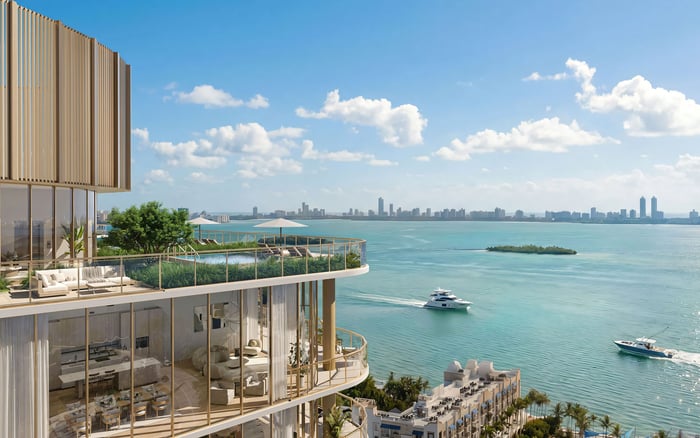
That is why Armani Casa Residences Pompano Beach, Waldorf Astoria Residences Pompano Beach, and Vita at Grove Isle should be evaluated less as interchangeable luxury addresses and more as distinct ownership models. One emphasizes design identity. One is naturally understood through hospitality branding. One enters the conversation as a Grove Isle option where buyers should study the condominium documents closely before making assumptions about use, governance, and services.
For a New York household, the best fit depends on rhythm. Will the residence be used for long winter stays, quick school-break escapes, art-season weekends, or spontaneous Thursday-to-Monday arrivals? Will staff, a family office, or a trusted property manager coordinate the home, or should the building absorb more of that burden? The answer points the buyer toward the right model.
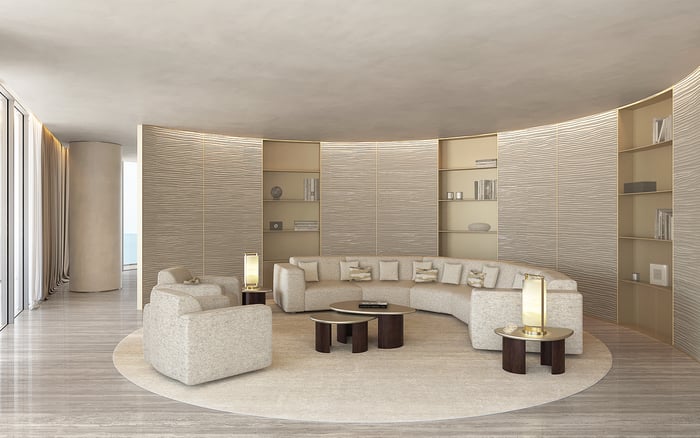
Armani Casa Residences Pompano Beach is best understood as a design-led branded residence. The Armani/Casa association is central to the appeal: buyers are not simply acquiring square footage near the ocean; they are buying into a particular design language and the discretion that comes with it.
For split-time New York buyers, this model is most compelling when the residence is treated as a true second home rather than a transient pied-a-terre. The owner who prefers a highly curated private environment, wants the home to feel personal after each arrival, and values visual continuity may find this model especially aligned.
The practical advantage is psychological as much as architectural. A design-branded residence can make the transition from New York intensity to South Florida ease feel immediate. The buyer is not outsourcing identity to a hotel-style experience. Instead, the residence becomes the anchor. Furnishings, art, wardrobe storage, entertaining habits, and seasonal routines can all be organized around the feeling of returning to a controlled private setting.
The diligence is equally important. Buyers should confirm residence rules, association structure, maintenance responsibilities, rental provisions, and service expectations directly in the project documents. This is especially important for any second-home owner who will be away for meaningful stretches and wants clarity around access, deliveries, repairs, insurance coordination, and storm-season protocols.
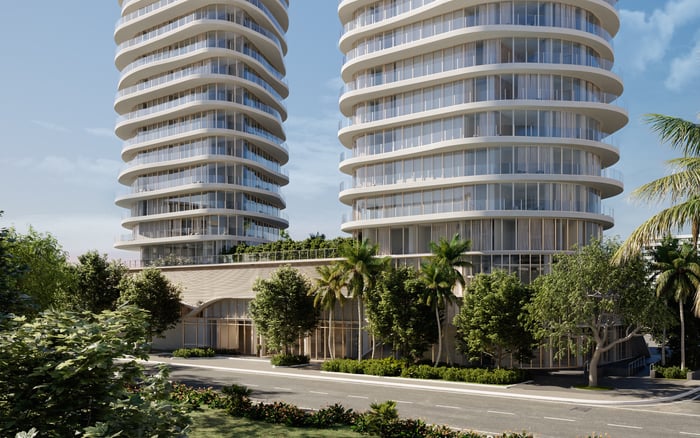
Waldorf Astoria Residences Pompano Beach belongs in the hospitality-branded category. The Waldorf Astoria name naturally places service, convenience, and lifestyle support at the center of the buyer’s expectations, even though the exact service structure should always be confirmed in official residence materials.
For New York owners who operate on compressed calendars, this may be the more intuitive model. The appeal is not only the brand. It is the promise, subject to documentation, of a lifestyle in which arrival and departure are simplified. The buyer who wants to leave a closing dinner in Tribeca, fly south the next morning, and enter a residence that feels ready without a week of coordination is the classic candidate for this model.
Lock-and-leave living is not a slogan for this buyer. It is an operational need. Wardrobe rotation, housekeeping coordination, package handling, vendor access, guest arrival, car logistics, and maintenance communication all matter when the owner is in Florida for 40 to 120 days a year rather than full-time.
That does not automatically make hospitality-branded ownership the superior choice. It means the buyer should scrutinize service depth, usage rules, privacy boundaries, and the economics of convenience. If the building’s documents confirm the level of support the buyer expects, Waldorf Astoria Residences Pompano Beach may fit the household that wants South Florida to function with as little friction as possible.
Vita at Grove Isle enters the comparison differently. The name places it in the Grove Isle conversation, and many New York buyers considering Coconut Grove are drawn to a quieter, more residential South Florida experience than they might seek in a fully branded beachfront setting. Still, the ownership conclusion should come from the documents rather than assumptions.
The key question is whether the buyer wants the atmosphere of a private condominium-style residence where the building, association, and governance framework matter more than a global brand halo. That can be appealing for owners who value neighborhood feel, privacy, and a more settled cadence.
For a New York buyer, this model may work best when the residence is meant to feel like a Miami home base rather than a serviced escape. The buyer should evaluate access, parking, guest policies, staffing expectations, maintenance coverage, pet rules, leasing rules, reserves, insurance obligations, and any owner-use restrictions before forming a view.
In other words, Vita at Grove Isle may fit the buyer who wants a private South Florida residence and is comfortable handling more ownership oversight, either personally or through a dedicated adviser. That can be an advantage for households with established management systems, but it is not the same proposition as a hospitality-branded model.
Start with control. If the owner wants a residence that feels like a personal design statement, Armani Casa Residences Pompano Beach is the most natural design-led comparison. It is for the buyer who values atmosphere, finish, privacy, and the emotional consistency of coming back to a home that feels unmistakably theirs.
Then consider service. If the owner wants the building experience to solve more problems, Waldorf Astoria Residences Pompano Beach deserves close attention. It may be the better fit for a buyer who prioritizes arrival readiness, continuity, and support, provided the final service documents match the expectation.
Finally, consider governance and setting. Vita at Grove Isle should be examined through the lens of condominium structure, use rights, and the buyer’s desired level of autonomy. For some households, a less overtly branded private residence can feel more enduring. For others, the absence of a clearly understood service promise can become a management burden.
This is where investment discipline matters. A residence can be beautiful and still be the wrong operating model. Buyers should compare not only purchase price and design preference, but also carrying costs, staffing needs, association rules, insurance framework, rental flexibility if relevant, and the household’s true usage pattern.
Broward buyers may find the Pompano Beach options compelling because the comparison is unusually clear: design-led branding versus hospitality-led branding. Grove Isle introduces a different lens, one that emphasizes private ownership dynamics and document review.
Choose Armani Casa if the home itself is the luxury. This is the buyer who wants South Florida to feel composed, private, and design-forward, with less emphasis on hotel-style identity and more emphasis on personal environment.
Choose Waldorf Astoria if the service promise is the luxury. This is the buyer who values a residence that may function more seamlessly during short stays, guest visits, and frequent transitions between New York and Florida.
Choose Vita at Grove Isle if the setting and private residential framework are the luxury, and if the buyer is willing to study the ownership documents carefully. It may appeal to those who want a Grove Isle base and are comfortable evaluating the building’s rules on their own merits.
The most sophisticated buyers do not ask which project is best in the abstract. They ask which one will feel effortless in January, secure in August, orderly during a last-minute arrival, and sensible after five years of real ownership.
Which ownership model is best for New York buyers who visit often but briefly? A hospitality-branded model such as Waldorf Astoria Residences Pompano Beach may be the most natural fit if the confirmed services support frequent lock-and-leave use.
Who is the ideal buyer for Armani Casa Residences Pompano Beach? It suits buyers who prioritize design identity, privacy, and a residence that feels like a curated second home rather than a hotel-style experience.
How should buyers evaluate Vita at Grove Isle? Buyers should review the condominium documents, use rules, governance structure, and service expectations before deciding whether it matches their ownership style.
Is service more important than design for split-time owners? Not always. Service matters most when the owner wants low-friction arrivals, while design matters most when the home is intended to feel personal and enduring.
Should rental flexibility drive the decision? Only if rental use is part of the plan. Buyers should verify rental rules, minimum stays, approvals, and owner-use limits in the governing documents.
What should New York buyers ask before signing a contract? They should ask how the residence is managed when vacant, who can access it, what services are included, and which costs are optional or mandatory.
Does a branded residence always mean more convenience? No. Branding can signal a lifestyle position, but actual convenience depends on the building’s confirmed service package and operating rules.
Which model feels most like a private home? Armani Casa may appeal to buyers seeking a design-led private-home feeling, while Vita at Grove Isle should be assessed through its specific residential documents.
Which model may be easiest for a family office to manage? The easiest model is the one with clear access rules, predictable billing, responsive building management, and documented procedures for absences.
What is the main takeaway for split-time buyers? The right purchase is not just about location or brand; it is about whether the building’s operating model matches the owner’s real life.
If you'd like a private walkthrough and a curated shortlist, connect with MILLION.
If branded residences are on your mind — as a home or as an allocation — we would be glad to share what we are seeing, privately.
Begin a quiet conversation