A discreet due-diligence guide for buyers who need a waterfront condo to protect art, leather furnishings, and wine through stable humidity control, sound building-envelope performance, and resilient storm planning.
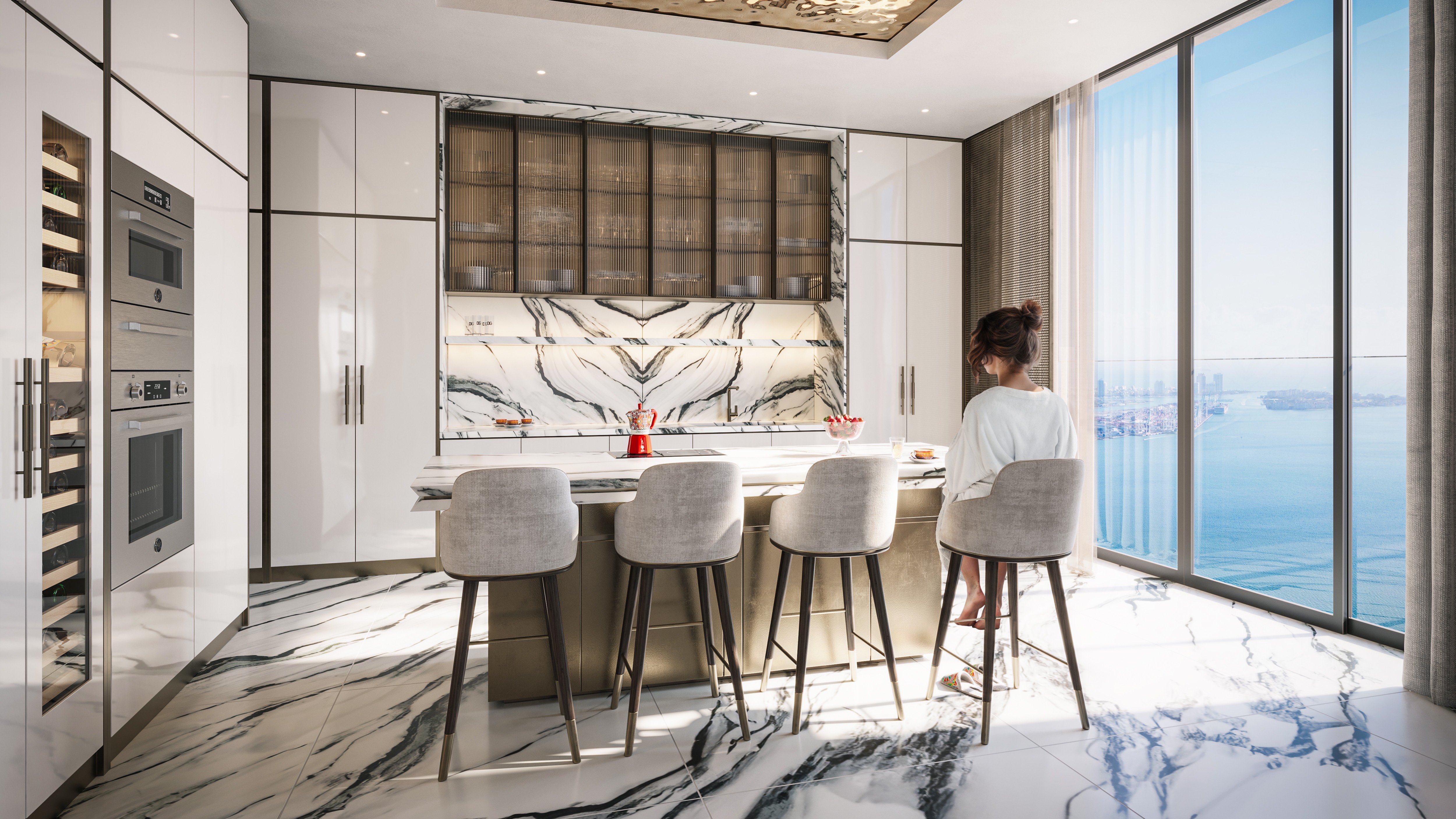
In a South Florida waterfront residence, climate control is not merely a comfort feature. For buyers bringing art, leather seating, handbags, books, lined cases, or a serious wine collection, it belongs to the asset-protection brief. A striking bayfront or oceanfront setting can also introduce the very variables that warrant the closest scrutiny: salt air, solar gain, wind-driven rain, storm outages, and glazing that must perform under demanding conditions.
That is why sophisticated buyers should stop asking only, “How cold does the air conditioning get?” and start asking, “What relative humidity can this residence actually hold, year-round?” For many art collections, a range around 45 to 55 percent relative humidity is generally a sensible target, and abrupt swings can be more damaging than a stable, slightly imperfect setting. In practical terms, a condo that feels comfortable during a one-hour showing may still be a poor setting for canvas, wood, leather, and cork if humidity drifts sharply overnight, during shoulder seasons, or when the residence is vacant.
In areas such as Miami Beach, Brickell, and Sunny Isles, buyers often focus first on finishes, views, and services. Yet in buildings as design-forward as The Perigon Miami Beach or St. Regis® Residences Brickell, the more important private question may be whether the building can maintain environmental stability without forcing the owner to overcool the home.
Start with the operating range. Ask management, the seller, or the engineer of record what humidity range the unit is designed to maintain through summer, shoulder season, and vacancy periods. If the system is central, ask who controls the setpoints and whether an owner can reduce humidity in the unit independently without driving the temperature uncomfortably low.
Then move to performance evidence. A single thermostat reading is nearly useless for a collection-sensitive buyer. Request at least several weeks of temperature and humidity logs from the unit itself or, if unavailable, from a comparable line in the stack. Trend data matters more than a flattering snapshot during daytime AC operation. You are trying to identify nighttime spikes, short-cycling, vacant-period drift, and what happens after a rain event.
Also ask whether the residence has permanently installed hygrometers or remote sensors, and whether alerts are sent when humidity moves outside the target range. For a collector, alarms and trend logs are a more sophisticated indicator than staged comfort.
If you are touring projects in Edgewater or Fort-lauderdale, whether at EDITION Edgewater or Andare Residences Fort Lauderdale, the same discipline applies: ask what the building monitors continuously, not what it promises aesthetically.
Art and decorative objects do not respond only to heat. Organic materials can crack, warp, cockle, or loosen when humidity is wrong or unstable. That makes stability the real luxury. Buyers with framed works, works on paper, wood furniture, veneered casegoods, or mixed-media pieces should ask where those items can live within the unit. Interior walls are typically preferable to placements near sliders, large exterior glass expanses, and other zones more susceptible to condensation and solar heat gain.
Leather requires a different set of questions. Damp conditions can support mold, while overly dry conditions can leave leather brittle. The issue is not confined to the living room. Ask whether walk-in closets, dressing rooms, storage rooms, and enclosed cabinetry are monitored separately from the main living area. A beautifully conditioned salon can coexist with a stagnant, humid closet where handbags and jackets quietly deteriorate.
Wine deserves independent scrutiny as well. Fine wine benefits from cool, consistent temperatures and enough humidity to protect cork integrity. Ask whether a wine room, wine wall, or millwork-integrated cabinet has truly independent controls. If the answer is that the main apartment AC “keeps everything comfortable,” continue asking questions. Daily solar gain, glass exposure, and intermittent HVAC cycling can matter as much as average room temperature.
In Surfside or Bal-harbour, in residences such as The Delmore Surfside and Rivage Bal Harbour, this becomes especially relevant for buyers planning museum-style hanging, bespoke leather dressing rooms, or statement wine display installations.
In humid coastal climates, air conditioning alone does not always equal moisture control. A system can cool the space quickly yet remove moisture poorly if it is oversized or short-cycles. Ask specifically about the unit’s latent-load performance and whether there is a dedicated dehumidification strategy. If no one can answer clearly, that is useful information in itself.
Buyers should also ask whether kitchens, baths, and laundry areas exhaust outdoors and how makeup air is handled. Poor ventilation design can trap moisture in the residence, especially in tightly sealed newer condos. HVAC closets deserve special attention, as hidden dampness or drain issues in these spaces can create recurring humidity events that do not surface during a polished tour.
A prudent pre-closing step is a moisture-focused inspection with thermal imaging or comparable diagnostic testing around exterior walls, window assemblies, slider thresholds, and HVAC areas. This is particularly important in New-construction and Resale scenarios alike. A new unit can still have commissioning issues, and a resale can conceal years of intermittent dampness behind millwork or wallcoverings.
Humidity control is not just a mechanical question. It is a whole-building question. Ask the association for records related to facade work, waterproofing, roof repairs, balcony transitions, glazing issues, and any history of condensation at windows. If there have been recurring leaks, staining, or seal failures, a portable dehumidifier in the unit is not a solution. It is a symptom-management device.
For waterfront buyers, salt exposure should also be part of due diligence. Salt-laden coastal air accelerates corrosion in mechanical equipment and building components. Ask how often coils, exterior equipment, and exposed fasteners are inspected, and what anti-corrosion measures are in place. This is an especially intelligent line of questioning for Oceanfront towers, where exposure is part of the appeal.
Request the building’s written protocol for leaks, condensation complaints, or humidity excursions. Who is alerted, how quickly vendors respond, and whether documentation is retained all matter. In the best-managed buildings, the answer is procedural, not improvisational.
For second-home owners, humidity risk often peaks when the residence is empty. Storm season can combine power interruptions, closed interiors, and delayed vendor access. Ask whether the building has backup power for critical systems such as chillers, hallway pressurization, elevators, and in-unit condensate pumps. Then ask the harder question: how long can the building maintain critical operations after a hurricane event?
This is not theoretical. If art, leather, and wine are going into a seasonal residence, your risk profile depends on what happens on day two or day three of an outage, not just on blue-sky performance. A polished generator room tour means little unless management can explain priorities, duration, and communication procedures.
Insurance deserves equal attention. Gradual humidity damage may not be treated the same way as a sudden water event. Before move-in, ask both the association and your personal insurer how collectibles, wine, and leather are addressed under the policy framework.
A disciplined buyer should leave due diligence with clear answers to a short list of questions:
What RH range can the unit maintain year-round?
Can management provide several weeks of temperature and humidity logs?
Are hygrometers or remote sensors permanently installed, with alerts?
Does the HVAC system include dedicated dehumidification or strong latent-load control?
Who controls setpoints, and can the owner lower humidity without overcooling?
Are wine rooms, closets, and enclosed cabinetry independently controlled or monitored?
Do bathrooms, kitchens, and laundry spaces exhaust properly outdoors?
What is the building’s leak, condensation, and waterproofing history?
How are salt-air corrosion and coastal wear addressed in maintenance schedules?
What happens to critical systems during a prolonged outage?
The most sophisticated residences are not simply well finished. They are predictable under stress. That is the standard collectors should apply whether they are evaluating a primary home in Aventura, a winter apartment in Palm-beach, or an Oceanfront pied-à-terre farther south.
What humidity range should I ask a condo to maintain? A reasonable question is whether the residence can hold roughly 45 to 55 percent relative humidity with minimal fluctuation throughout the year.
Is temperature more important than humidity for art? No. Stable humidity is often just as important, and sudden swings can be more damaging than a slightly imperfect but steady setting.
Why are logs better than a single reading during a showing? Spot checks can look fine while overnight, rainy-day, or vacant-period humidity spikes go unnoticed. Trend data reveals actual performance.
Should wine storage have separate controls? Yes. Dedicated wine storage should ideally have independent temperature and humidity control rather than relying solely on the main living area AC.
Can leather be damaged even if the condo feels comfortable? Yes. Leather can mold in damp microclimates and become brittle if conditions are too dry, especially inside closets and cabinetry.
What building records should I request from the association? Ask for leak history, facade and waterproofing repairs, glazing issues, maintenance records, and written response procedures for moisture events.
Why does oversized AC matter in a waterfront condo? An oversized system can short-cycle, cooling quickly without removing enough moisture. That can leave the air clammy even when the room feels cold.
Should I worry about outages if the unit is only a seasonal home? Absolutely. Vacant residences can experience damaging humidity spikes during prolonged storm-related power interruptions.
Is a moisture-focused inspection worth it before closing? Yes. Thermal imaging and similar diagnostics can help identify hidden dampness around glazing, exterior walls, and HVAC areas.
Does insurance automatically cover humidity damage to collectibles? Not always. Gradual humidity damage may be treated differently from sudden water losses, so policy language should be reviewed in advance.
To compare the best-fit options with clarity, connect with MILLION.
If branded residences are on your mind — as a home or as an allocation — we would be glad to share what we are seeing, privately.
Begin a quiet conversation