A privacy-first buyer-fit comparison of Mr. C Residences Boca Raton and Glass House Boca Raton for owners who host events and want discretion.
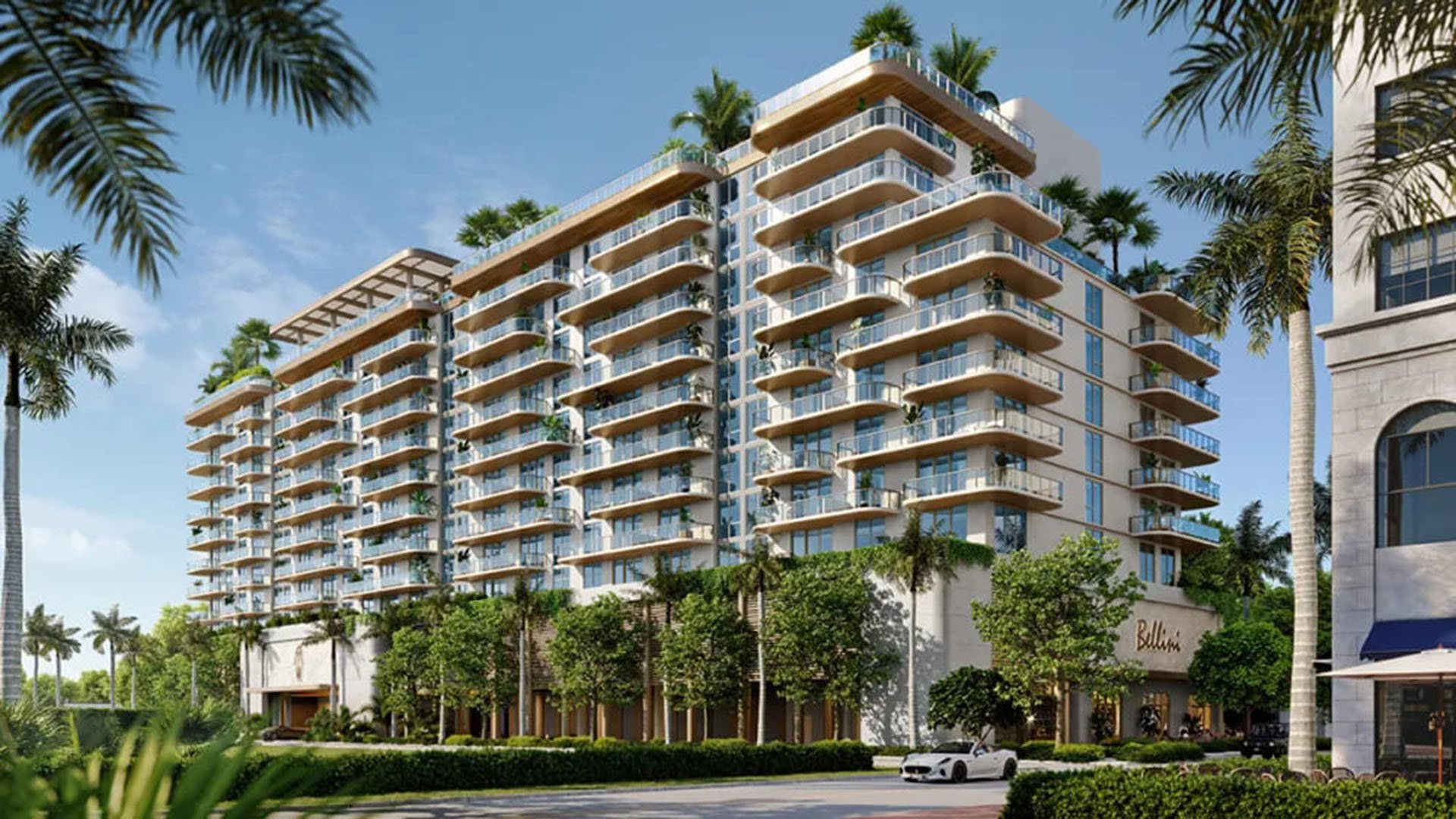
For buyers weighing Mr. C Residences Boca Raton against Glass House Boca Raton, the central question is not simply which residence feels more luxurious. It is which model better protects privacy when life becomes social: a dinner, a cocktail evening, a philanthropic gathering, a visiting family group, or an extended weekend with staff, drivers, caterers, and guests moving through the property.
The two Boca Raton projects speak to different definitions of discretion. Mr. C is positioned as a service-forward, hospitality-style residential concept. Its privacy advantage lies in professional choreography: arrival handling, guest flow, service support, and post-event cleanup. Glass House Boca Raton is framed as a more residentially private, design-led alternative, with an emphasis on restricted access and resident isolation. Its privacy advantage is simpler: fewer nonresident touchpoints, assuming the building functions more like a private residential community than a hospitality property.
For a Boca Raton buyer who entertains, that distinction matters. Privacy can be protected by management, or it can be protected by restraint. Mr. C leans toward the first answer. Glass House leans toward the second.
The boutique buyer often wants control without performance. That does not mean the owner never hosts. It means the event should feel contained, with minimal awareness from other residents, limited circulation through shared spaces, and no sense that the building itself has become part of the occasion.
Glass House Boca Raton appears better aligned with that instinct. Its positioning as a more residentially private environment favors buyers who want events to remain mostly inside private residences or resident-only spaces. In this model, the best event is the one that leaves the smallest operational footprint. Guests arrive, move directly where they need to go, and leave without turning the building into a social stage.
Mr. C, by contrast, may appeal to buyers who want the event experience supported as part of the lifestyle. For some owners, that is not a compromise. It is the point. A hospitality-style residence can make hosting feel easier because the building culture is already organized around service. The same service infrastructure that may increase staff and visitor activity can also reduce the owner’s burden and make an event feel polished rather than improvised.
Mr. C’s strongest argument is operational competence. When privacy risk comes from disorder, unmanaged arrivals, confusing guest movement, inconsistent vendor handling, or delayed cleanup, a hospitality-style model can be helpful. A building accustomed to concierge-style coordination may be better suited to managing the practical mechanics of entertaining.
That advantage is especially relevant for buyers who host often. A residence that treats service as an integral part of daily life may make it easier to receive guests without turning the owner into the event manager. For a dinner with drivers, deliveries, floral arrangements, staff, or after-hours cleanup, professional coordination can be the difference between a private evening and a visible production.
The tradeoff is that service infrastructure is not the same as seclusion. A hospitality-oriented environment can involve more staff, visitors, operational movement, and service interactions than a resident-only setting. For a buyer whose privacy standard is defined by minimizing who knows when they are home, who is visiting, and how often they entertain, that additional activity may feel like exposure, even when it is well managed.
Glass House Boca Raton’s stronger privacy case is based on reduction. If fewer people circulate through the building, fewer people can observe patterns, guests, vendors, and timing. For event privacy, this can be more valuable than a long menu of services.
The appeal is not that Glass House can be assumed to have every technical privacy feature. Important details still need confirmation, including exact elevator separation, event-room locations, staff confidentiality policies, guest credential rules, soundproofing specifications, camera protocols, and security procedures. The point is narrower: based on its residentially private positioning, Glass House appears better suited to buyers who prefer controlled access over extensive service infrastructure.
That makes it a natural fit for owners who host selectively, value quiet, and would rather keep entertaining inside the private residence or resident-only zones. In that scenario, privacy is protected not through constant service presence, but by limiting how much activity the building must absorb.
Boca Raton’s upper-tier residential buyer is increasingly nuanced. Some are comparing service-rich living across branded concepts. Others are looking for a calmer residential envelope that feels less public and less operational. That is why this comparison also intersects with nearby buyer conversations around Alina Residences Boca Raton and The Residences at Mandarin Oriental Boca Raton, even when the final decision turns on a very specific question: how exposed will entertaining feel?
There is also a South Florida brand context. Buyers familiar with Mr. C Residences West Palm Beach may already understand the appeal of a service-forward residential experience. Still, the Boca Raton choice should be evaluated on its own terms. New-construction buyers should not assume that a brand name, design language, or amenity promise automatically answers the event-privacy question.
If the buyer wants the strongest privacy-first posture based on the available positioning, Glass House Boca Raton appears to be the safer recommendation. Its logic is cleaner for those who want fewer nonresident touchpoints, less public-facing activity, and a more contained residential environment.
If the buyer expects frequent entertaining, values staff-supported hosting, and wants guest flow to be professionally handled rather than personally managed, Mr. C Residences Boca Raton becomes the stronger fit. Its privacy case depends on service discipline, not on minimizing activity.
The best due diligence is practical. Before committing, buyers should review floor plans, amenity maps, event policies, guest-access rules, staff procedures, and condominium documents. They should ask how guests are credentialed, where vendors wait, how deliveries are handled, whether resident elevators and service routes are separated, and how sound, cameras, and security logs are governed. The right answer may shift quickly once those details are clear.
Which residence appears more privacy-first for events? Glass House Boca Raton appears to be the safer privacy-first fit because its positioning emphasizes restricted access and fewer nonresident touchpoints.
When would Mr. C Residences Boca Raton be the better choice? Mr. C is better suited to buyers who entertain frequently and want professional support for arrivals, guest flow, service, and cleanup.
Is Mr. C less private because it is hospitality-oriented? Not necessarily, but a hospitality-style environment can involve more staff, visitors, and operational traffic than a resident-only model.
Does Glass House eliminate event privacy concerns? No. Buyers still need to verify guest rules, elevator access, sound control, security procedures, and staff policies.
What is the main difference between the two privacy models? Mr. C protects privacy through professional management, while Glass House appears to protect privacy by minimizing circulation and public-facing activity.
Should buyers ask about separate elevators? Yes. Exact elevator separation is a key privacy detail and should be confirmed directly through plans and building documents.
Are staff confidentiality policies important? Yes. For buyers who host private events, staff conduct and confidentiality rules can be as important as physical access control.
Which option better suits low-frequency entertaining? Glass House is likely the better fit for buyers who host selectively and want events to remain mostly within private residential space.
Which option better suits a social lifestyle? Mr. C is likely stronger for owners who view entertaining as part of a service-supported lifestyle rather than a privacy risk to be minimized.
What is the best way to shortlist comparable options for touring? Start with location fit, delivery status, and daily lifestyle priorities, then compare stacks and elevations to validate views and privacy.
For a tailored shortlist and next-step guidance, connect with MILLION.
If branded residences are on your mind — as a home or as an allocation — we would be glad to share what we are seeing, privately.
Begin a quiet conversation