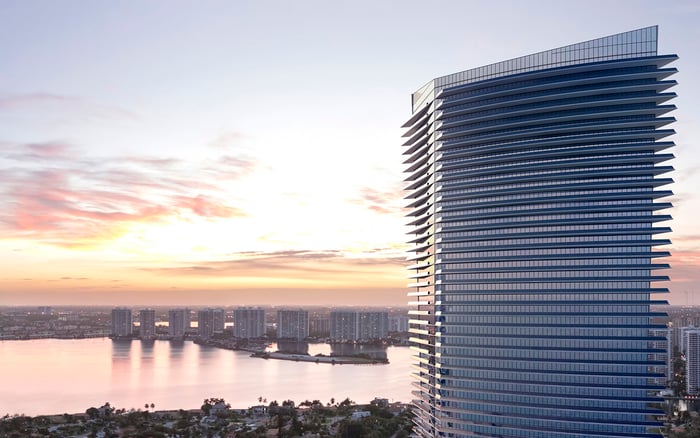
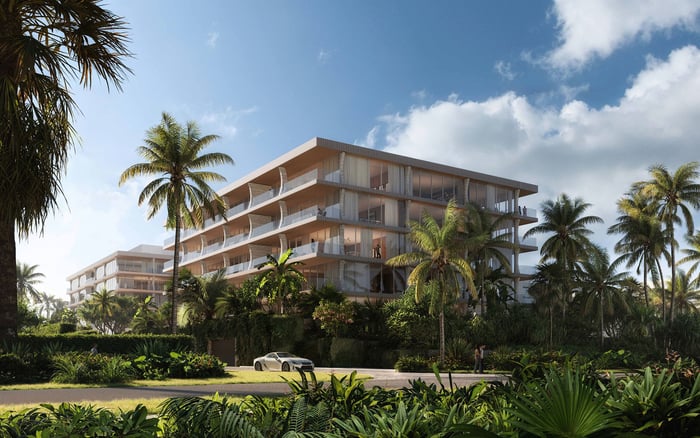
A buyer-focused 2026 due-diligence guide for evaluating leak-detection claims at Muse Residences Sunny Isles Beach, with attention to unit sensors, building systems, alert protocols, maintenance records, and condominium responsibility lines.

At Muse Residences Sunny Isles Beach, the due-diligence conversation should extend beyond finishes, views, and lifestyle. In South Florida, water risk is also ownership risk. In 2026, leak detection is not just a device conversation; it is a review of response time, responsibility, documentation, and the difference between a beautiful residence and a well-protected asset.
For the luxury buyer, the first principle is restraint. Do not assume that a sensor, smart-home panel, or alarm reference means comprehensive water-intrusion monitoring. Treat every claim as a prompt for verification. The goal is to understand what is actually monitored, who receives alerts, how quickly action can occur, and which party pays when water originates from a unit, a neighboring residence, a limited common element, or a common element.
The essential distinction is between unit-level leak sensors and building-wide water-intrusion monitoring. Unit-level devices typically relate to spaces inside the residence: kitchens, laundry areas, bathrooms, HVAC closets, water-heater areas, and appliance zones. They may help detect a localized plumbing or appliance leak before it migrates into flooring, millwork, ceilings, or adjacent residences.
Building-wide monitoring is a separate category. It concerns shared mechanical rooms, risers, roof or terrace penetrations, parking levels, and other common-element water pathways. These areas involve access rights, maintenance obligations, and response protocols that may sit with management or the association rather than the individual owner. A purchaser should ask whether any building-level system exists, what it monitors, and how alerts are escalated.
This same separation matters when comparing other Sunny Isles residences, including Bentley Residences Sunny Isles or St. Regis® Residences Sunny Isles. The question is not whether a building is luxurious. The question is whether water-risk accountability is clearly documented at both the private-residence and common-element levels.
A 2026 buyer review should begin inside the residence, room by room. Ask whether leak-detection coverage includes the kitchen, laundry area, bathrooms, HVAC closet, water-heater area, and any wet-bar or secondary plumbing locations. If the residence has expansive glazing, terraces, or balcony connections, ask how balcony and window perimeters are inspected, even if they are not part of a sensor network.
For a high-floor coastal condominium, a small leak can carry disproportionate consequences. Water can travel through slab penetrations, wall cavities, cabinetry, and finish assemblies before it becomes visible. A local alarm may be useful only if someone is present. A remote alert may be more meaningful for seasonal owners, absentee owners, or households that travel frequently.
Buyers should also ask whether automatic shutoff valves are installed or available for unit-level plumbing fixtures and appliances. A sensor that sounds an alarm is one level of protection. A system that can help stop water flow, where properly installed and maintained, is a different discussion. The due-diligence file should make that distinction plain.
Leak-detection systems vary in how they communicate. Some provide only a local alarm. Others may send remote alerts to the owner, building management, or a monitoring platform. A buyer should request documentation showing who receives the alert, in what sequence, and under what conditions. If an after-hours leak occurs, the relevant question is not merely whether an alert exists. It is whether someone is authorized and able to act.
Power source is equally important. Confirm whether devices are battery-powered, hardwired, or integrated into a broader building automation or smart-home platform. Battery devices require replacement discipline. Hardwired devices may depend on system design and maintenance. Integrated platforms can be convenient, but they also deserve scrutiny around access rights, software continuity, service responsibilities, and owner turnover.
This is especially relevant for second-home ownership, where the owner may not be present for extended periods. In a file note, buyers may describe the risk profile as Sunny Isles, oceanfront, balcony, and waterview exposure, not as decoration but as a reminder that coastal enjoyment and coastal maintenance belong in the same conversation.
A polished description of leak detection is never as valuable as records. Prospective buyers should ask for maintenance logs, prior leak incident records, response times, sensor replacement history, and any recurring water-intrusion locations. The objective is not to create alarm. It is to identify patterns.
Ask whether devices are tested on a defined schedule and whether results are documented by management or unit owners. A sensor that has not been tested is a promise without much substance. If a prior leak occurred, the useful questions are practical: when was it detected, who was notified, how quickly access was obtained, what repairs were made, and whether the underlying condition was corrected.
Comparable luxury towers such as Jade Signature Sunny Isles Beach and The Ritz-Carlton Residences® Sunny Isles are reminders that buyers at this level often compare architecture, views, amenities, and service. Water-risk diligence should receive the same seriousness as design and hospitality.
Leak detection can reduce response time, but condominium documents decide responsibility. Before relying on any leak-detection claim, review the declaration, association rules, insurance obligations, maintenance responsibilities, and any procedures governing access to a residence in an emergency. The financial outcome may depend on where the water originated and whether the affected component is a unit element, common element, limited common element, or part of a neighboring residence.
Buyers should ask how repair costs are allocated when a leak begins in one residence and damages another. They should also ask how access is handled if the owner is away, whether management holds emergency contact information, and whether written escalation procedures exist for nights, weekends, and seasonal occupancy. A refined building should have refined protocols, but the buyer should verify them in writing.
Insurance also belongs in the conversation, not as a substitute for document review but as part of ownership planning. The buyer’s advisor, insurance professional, and attorney should align the unit policy, association coverage, deductibles, and maintenance obligations before closing.
The final checkpoint is humility. Leak-detection systems are response tools. They do not replace physical inspection of windows, doors, balconies, roof areas, plumbing, HVAC drainage, waterproofing assemblies, and visible signs of prior moisture. They may shorten the time between leak and action, but they cannot guarantee that water will never enter or that all damage will be avoided.
For Muse Residences Sunny Isles Beach buyers, the strongest posture is measured and documentary. Ask what exists, where it is located, how it is powered, who receives alerts, how often it is tested, what history exists, and who pays when water moves from one area of responsibility to another. In a coastal luxury condominium, that is not excessive caution. It is sophisticated ownership.
Does this checklist confirm Muse Residences has a specific leak-detection system? No. It frames the questions a buyer should ask before relying on any leak-detection claim.
What is the first leak-detection question a buyer should ask? Ask whether protection is unit-level, building-wide, or both, because each category carries different responsibilities.
Which in-unit locations deserve special attention? Kitchens, laundry areas, bathrooms, HVAC closets, water-heater areas, and balcony or window perimeters should be discussed.
Why do remote alerts matter for luxury condo owners? Remote alerts may be critical for absentee, seasonal, or frequent-travel owners who are not present when a leak begins.
Are automatic shutoff valves worth asking about? Yes. They may shift the conversation from detection alone to potential water-flow interruption, subject to verification.
What records should a buyer request? Ask for maintenance logs, prior leak incidents, response times, sensor replacements, testing schedules, and recurring locations.
Who pays if water damages another residence? Responsibility depends on condominium documents, insurance obligations, and where the leak originated.
Can leak sensors replace a physical inspection? No. Windows, doors, balconies, plumbing, HVAC drainage, and waterproofing assemblies still require inspection.
Why is this especially important in coastal South Florida? Water intrusion is a core ownership-risk issue in coastal condominium living, even in highly refined buildings.
When should this review happen? It should occur before closing, alongside document review, inspection planning, and insurance coordination.
When you're ready to tour or underwrite the options, connect with MILLION.
If branded residences are on your mind — as a home or as an allocation — we would be glad to share what we are seeing, privately.
Begin a quiet conversation