A discreet lifestyle guide for empty nesters considering Kempinski Residences Miami Design District, with a focus on intentional space, culture, lock-and-leave ease, and neighborhood rhythm.
For many empty nesters, the question is no longer how much house is enough. It is how much life a residence can quietly support. After years of managing larger properties, school calendars, guest rooms, storage, and seasonal maintenance, the next move often becomes more deliberate. The ideal home is not smaller in ambition, but more precise in purpose.
That is why Kempinski Residences Miami Design District speaks to a specific luxury buyer. The appeal is not simply the prestige of a branded address. It is the possibility of living closer to art, design, dining, fashion, and daily convenience while leaving behind the obligations that come with a more sprawling residential life.
The Miami Design District has matured into one of Miami’s most curated urban environments. For empty nesters, that distinction matters. The neighborhood offers stimulation without the need to over-schedule, energy without the intensity of a nightlife-driven district, and a sense of place that rewards routine. A morning coffee, an afternoon gallery visit, a dinner reservation, and a short ride to the beach can all become part of a more elegant weekly rhythm.
The empty nester move is often misunderstood as a downsizing exercise. In South Florida’s upper tier, it is more accurately a rightsizing decision. Buyers are trading underused square footage for better architecture, stronger services, lock-and-leave confidence, and proximity to the experiences they actually value.
That shift changes the search criteria. A formal dining room may matter less than an excellent kitchen that works for two and entertains beautifully. A long driveway may be less compelling than valet convenience. A large lawn may give way to curated common spaces, wellness amenities, and the freedom to travel without wondering what needs attention at home.
This is where branded residences enter the conversation with particular relevance. For buyers accustomed to private staff, club memberships, and five-star hospitality, the residential experience must feel composed from arrival to departure. The point is not ostentation. It is consistency, discretion, and ease.
The Design District is especially well suited to buyers who want Miami, but not necessarily the most obvious version of Miami. It is urban, but polished. It is fashionable, but not merely seasonal. It is close to the city’s creative life, yet distinct from the denser rhythms of Brickell or the resort energy of the barrier islands.
For an empty nester, the practical advantage is choice. You can live within a cultural radius rather than a commute-based one. You can dine nearby without turning every evening into a production. You can host visiting children or friends in a setting that feels unmistakably Miami, yet still grown-up and measured.
The neighborhood also supports a more spontaneous lifestyle. Instead of planning every outing around parking, traffic, and distance, residents can build smaller rituals into the week. A design showroom visit, a quiet lunch, a museum stop, or a last-minute dinner can become an ordinary pleasure rather than a special occasion.
For empty nesters considering Kempinski Residences, the most important evaluation may be how the home lives on an average Tuesday. Grand gestures matter, but the daily plan matters more.
Start with the primary suite. It should feel private, restorative, and sufficiently separate from entertaining spaces to protect quiet mornings and early evenings. Closet planning is equally important. Many buyers are not reducing their wardrobes as much as editing them, which means storage must be beautiful, accessible, and intentional.
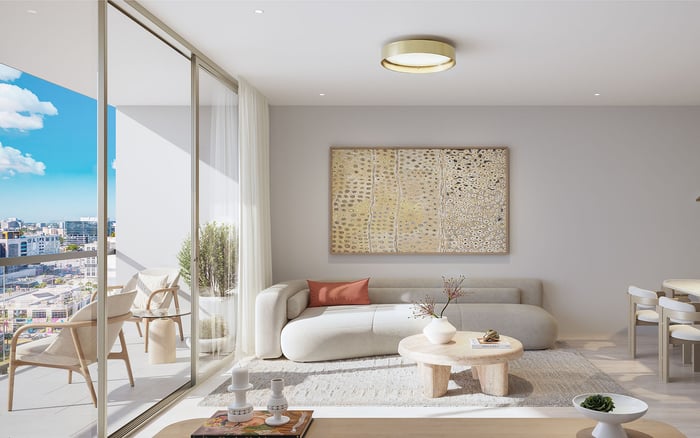
Next, study the kitchen and living area. Empty nesters often entertain in a relaxed but elevated way: cocktails before dinner, a small family holiday, friends visiting for Art Basel week, or a chef-prepared meal at home. The best layouts allow intimacy without feeling compressed.
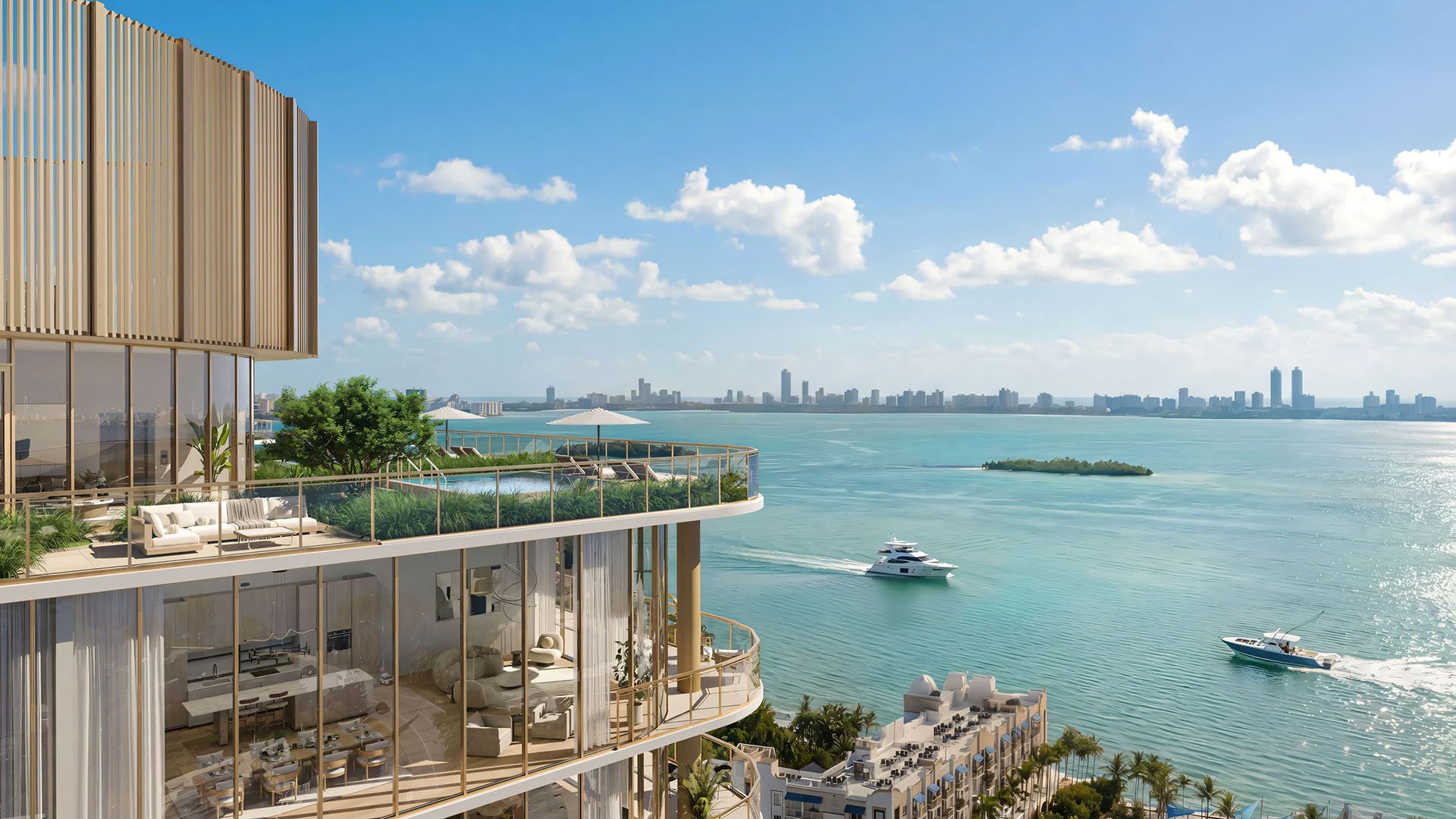
Outdoor space also deserves careful attention. A terrace does not need to be enormous to be meaningful. It needs to be usable, shaded when possible, and naturally connected to the rooms where daily life happens. In Miami, a well-positioned terrace can become the room that makes a residence feel complete.
The appeal of new construction for many empty nesters is less about novelty than predictability. Newer residences can offer contemporary systems, modern planning, and a simpler ownership experience than older homes requiring constant oversight.
For buyers who travel often, split time between markets, or maintain a second home elsewhere, lock-and-leave confidence is central. The residence should feel ready when you arrive and secure when you depart. Services, access, parking, deliveries, and guest management all become part of the luxury equation.
This is where the Design District can compete with more traditional second-home markets in South Florida. It offers a city base that is sophisticated rather than purely resort-oriented. For some buyers, that is exactly the point: a Miami address that supports culture, dining, shopping, and connection, without the responsibilities of a single-family estate.
Kempinski in the Design District will not be the answer for every empty nester, and that is a strength of the Miami market. The right decision depends on whether a buyer wants cultural proximity, ocean access, gardened privacy, or financial-district convenience.
A buyer drawn to the sand and a resort cadence may compare the Design District with Miami Beach, where The Ritz-Carlton Residences® Miami Beach represents a different residential mood. Miami Beach living can feel more water-oriented and leisure-led, while the Design District feels more connected to art, interiors, fashion, and urban dining.
Those seeking a softer village character may look toward Coconut Grove, where The Well Coconut Grove speaks to buyers who want wellness, greenery, and a more residential pace. The Grove may appeal to those leaving a family home but not yet ready for a fully urban setting.
Edgewater offers another comparison point. A residence such as Villa Miami places the buyer closer to bayfront energy and a broader downtown axis. Brickell, by contrast, may suit those who still want immediate access to finance, dining, and a more vertical business culture, with projects such as Baccarat Residences Brickell appealing to buyers who prefer a highly polished urban waterfront identity.
A successful empty nester purchase is not only about the buyer. It also considers how family and friends will use the home. Adult children may visit for long weekends. Grandchildren may arrive during school breaks. Friends from New York, London, Chicago, or Palm Beach may expect an effortless dinner and a well-located guest experience.
The Design District gives those visits structure without requiring constant planning. Guests can explore nearby culture and dining independently, while the residence remains the calm center of the experience. That balance is valuable. It lets hosts remain generous without returning to the labor of managing a large family compound.
It is also a strong fit for buyers who want to remain socially engaged. A move into a more vertical, service-rich environment can simplify entertaining. Instead of maintaining the infrastructure for every occasion, residents can focus on the occasion itself.
The most important question is whether the address supports the life you are actually choosing now. If your next chapter is about fewer obligations, more culture, better service, and a more edited relationship with space, the Design District deserves serious consideration.
Evaluate the residence through four lenses: daily convenience, privacy, service culture, and long-term usability. Does the floor plan work when it is just the two of you? Does it still feel gracious when guests arrive? Can you travel easily? Can you return home without feeling that the property has been waiting for your supervision?
The best empty nester residence does not feel like a retreat from life. It feels like a refinement of it. In that sense, Kempinski Residences Miami Design District is best understood as a lifestyle decision first and a real estate decision second.
Is Kempinski Residences Miami Design District a good fit for empty nesters? It can be, especially for buyers seeking culture, service, and a more intentional urban lifestyle with less property maintenance.
Why would an empty nester choose the Design District over Miami Beach? The Design District emphasizes art, design, fashion, and dining, while Miami Beach offers a more resort and waterfront-oriented rhythm.
What should empty nesters prioritize in a floor plan? Prioritize a calm primary suite, useful storage, flexible guest space, and entertaining areas that feel elegant without being oversized.
Does a branded residence make sense after owning a large home? Yes, if the buyer values service, consistency, privacy, and the ability to travel without managing a larger property.
Is the Design District better for full-time living or a second home? It may work for either, depending on how often the buyer wants access to Miami’s cultural, dining, and design scene.
How should buyers compare Kempinski with Coconut Grove options? Compare urban culture and convenience against the Grove’s greener, more village-like atmosphere and slower residential pace.
What role does outdoor space play for empty nesters? A well-planned terrace can be more valuable than sheer size if it supports daily use, privacy, and comfortable entertaining.
Should buyers worry about having less space after downsizing? The better question is whether each room is purposeful, beautiful, and easy to live in throughout the week.
Can the Design District support visiting family? Yes, its dining, shopping, and cultural setting can give guests independence while keeping the residence as the central gathering place.
What is the best way to shortlist comparable options for touring? Start with location fit, delivery status, and daily lifestyle priorities, then compare stacks and elevations to validate views and privacy.
For a confidential assessment and a building-by-building shortlist, connect with MILLION.
If branded residences are on your mind — as a home or as an allocation — we would be glad to share what we are seeing, privately.
Begin a quiet conversation