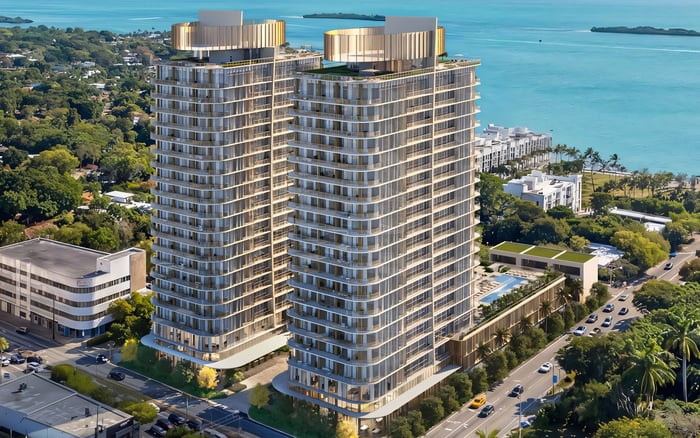
A discreet lifestyle guide for California buyers considering Miami Design Residences Midtown Miami, with emphasis on intentional daily rhythm, neighborhood fit, and design-led ownership.

For buyers moving from California, the most successful Miami purchase is rarely a direct substitution. A Los Angeles or Bay Area routine does not need to be rebuilt street by street in South Florida. It can be edited. Midtown Miami’s appeal is that it lets a buyer keep the parts of urban life that still matter-design, dining, culture, mobility, and creative proximity-while reconsidering the pieces that had begun to feel heavier than necessary.
That is the lens through which Miami Design Residences Midtown Miami should be understood. The name speaks to a buyer who values visual discipline, practical access, and a residence capable of supporting both a full-time relocation and a more flexible bicoastal pattern. Without relying on the symbolism of oceanfront living or the intensity of a financial core, Midtown Miami can feel like a more intentional middle ground.
This is a lifestyle decision as much as a real estate decision. The right buyer is not simply asking whether Miami is more convenient than California. The sharper question is whether the home, neighborhood, and daily radius will make life feel more curated, more manageable, and more personally aligned.
California buyers often arrive with a developed point of view. They have lived with architecture, landscape, art, light, and indoor-outdoor expectations. They may be less impressed by scale alone and more attentive to how a building supports the quieter mechanics of a day. Where is the morning coffee? How does a dinner plan come together? Can guests arrive without ceremony? Is the neighborhood stimulating without becoming intrusive?
Midtown Miami is useful because it sits within a broader urban conversation that includes Design District, Wynwood, and Brickell, each with a distinct pace. Design District signals a more polished design and retail sensibility. Wynwood brings a creative, gallery-driven edge. Brickell offers a more corporate, high-rise rhythm. A Midtown buyer does not have to choose only one of these identities. The value is in being able to participate selectively.
The essential distinction is restraint. The best Midtown purchase should not feel like a compromise between beach and city. It should feel like a deliberate choice for buyers who want Miami’s cultural texture without making every day dependent on a car ride to the sand or a commute through the densest parts of the city.
A move from California often begins with square footage, but it should mature into a conversation about atmosphere. The most relevant residence is not always the largest one. It is the one that absorbs travel, entertaining, work, wellness, storage, deliveries, and guests with the least friction. In this context, Miami Design Residences Midtown Miami is best evaluated as a base for edited urban living.
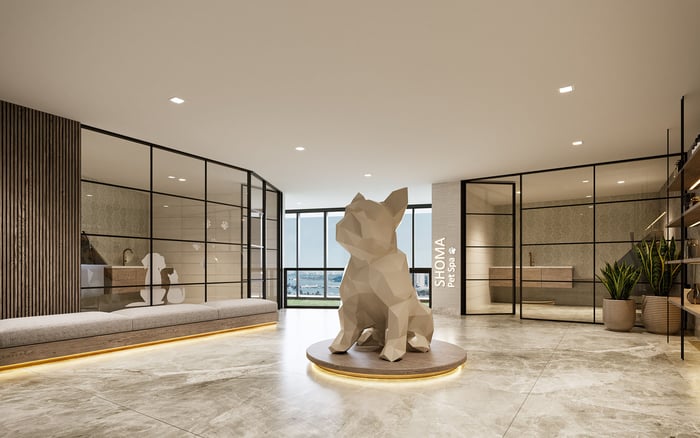
New-construction buyers should be especially disciplined about the service plan. Ask how arrivals work, how amenity spaces are intended to be used, what privacy feels like in common areas, and whether the building’s design language will age gracefully. A beautiful lobby matters, but a smooth Tuesday matters more. California buyers accustomed to gated hillsides, private drives, or campus-style living should pay close attention to vertical privacy, elevator experience, sound control, and the difference between visual drama and actual comfort.
Pre-construction decisions also require patience. Renderings can communicate mood, but ownership quality comes from proportion, plan efficiency, ceiling feel, natural light, storage, and the way a residence handles transitions between public and private rooms. The best purchases are made by buyers who can separate brand impression from daily usability.
The most useful comparison is not simply price against price. It is lifestyle against lifestyle. A buyer considering Midtown may also look toward the cultural polish of Kempinski Residences Miami Design District if the desire is to live closer to a luxury design identity. That choice may appeal to someone who wants the surrounding neighborhood to feel more curated and fashion-adjacent.
A buyer with a more art-forward sensibility may study Frida Kahlo Wynwood Residences as part of the same relocation conversation. Wynwood can read as more experimental, especially for owners who want creative energy to be part of their everyday environment rather than something visited occasionally.
For those coming from California’s finance, technology, or professional services circles, 2200 Brickell may provide a more familiar business-oriented rhythm. Brickell is often the comparison point for buyers who want a more formal urban center, but that formality may or may not be the goal of a move to Miami.
The quieter counterpoint is Coconut Grove, where projects such as The Well Coconut Grove can enter the conversation for buyers who prioritize wellness language, greenery, and a softer residential mood. Seeing these alternatives clarifies why Midtown is compelling. It is not the most traditional, not the most corporate, not the most beach-driven, and not the most village-like. Its appeal lies in the ability to live close to multiple versions of Miami without surrendering to any single one.
A California buyer should walk the neighborhood at different times of day, not just arrive for a polished showing. Morning, late afternoon, and evening each reveal a different Midtown rhythm. Consider where you will actually go for errands, how often you will host, and whether your social life will pull north, south, east, or west.
Next, test your assumptions about mobility. A buyer used to long California distances may find Miami’s compactness appealing, but short mileage does not automatically mean effortless movement. The better question is whether your core weekly needs sit inside a practical personal radius. If they do, Midtown can feel efficient. If they do not, even a beautiful residence may feel less grounded.
Finally, evaluate exit strategy with the same seriousness as entry. Even if the purchase is emotional, resale logic matters. Design-led residences should be judged by timelessness, not novelty. A building that feels current without feeling trendy is more likely to remain relevant to the next buyer who values architecture, access, and restraint.
The strongest Midtown Miami buyer is usually not chasing a postcard version of South Florida. They are choosing a more composed urban life. They may still spend weekends in Miami Beach, dine in Brickell, visit galleries in Wynwood, and shop or meet friends in Design District. But home remains a place of control, calm, and efficient beauty.
That is why Miami Design Residences Midtown Miami belongs in the relocation conversation for California buyers who want Miami to feel considered rather than impulsive. It is a decision for people who understand that luxury is no longer only about address, view, or scale. It is about the intelligence of the daily pattern.
Is Miami Design Residences Midtown Miami best for full-time living or part-time use? It can be evaluated for either, depending on the buyer’s service expectations, travel pattern, and desire for an urban Miami base.
Why would a California buyer consider Midtown Miami instead of the beach? Midtown may appeal to buyers who want proximity to culture, dining, design, and city life rather than a primarily resort-style routine.
How should buyers compare Midtown with Design District? Design District may feel more polished and luxury retail-oriented, while Midtown can offer a broader urban lifestyle position nearby.
How does Wynwood fit into the decision? Wynwood is useful for buyers who want creative energy close at hand, especially if art and nightlife are meaningful parts of daily life.
Is Brickell a better choice for finance or corporate buyers? Brickell may suit buyers who want a more formal business-center rhythm, though Midtown can feel more flexible and less office-driven.
What should new-construction buyers review first? They should focus on floor plan efficiency, privacy, service flow, amenity usability, and how the design will age over time.
Does pre-construction require a different mindset? Yes. Buyers should look beyond renderings and evaluate the practical experience of ownership, including timing, finishes, and building operations.
What is the most important lifestyle test before buying? Spend time in the area at multiple hours and decide whether your real weekly routine fits the neighborhood, not just the sales presentation.
Should California buyers prioritize view or layout? Layout often deserves equal or greater weight because it shapes daily comfort, work habits, entertaining, and long-term livability.
Who is the ideal buyer for this Midtown Miami lifestyle? The ideal buyer values design, access, discretion, and an urban Miami rhythm that feels edited rather than overstated.
If you'd like a private walkthrough and a curated shortlist, connect with MILLION.
If branded residences are on your mind — as a home or as an allocation — we would be glad to share what we are seeing, privately.
Begin a quiet conversation