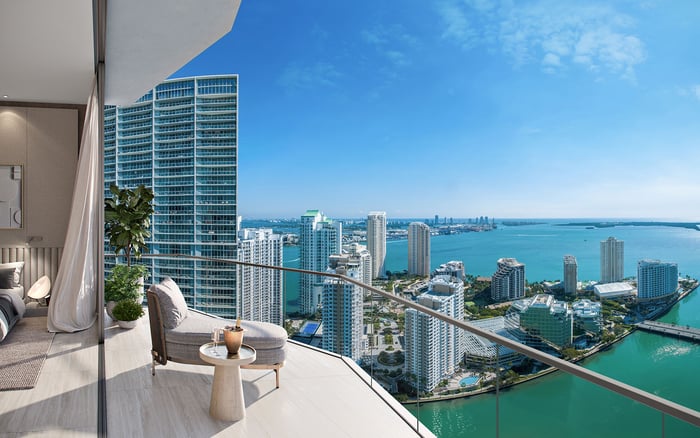
A discreet, buyer-oriented guide to aligning South Florida luxury property decisions with Florida domicile intentions, estate planning conversations, ownership structure, family governance, and long-term lifestyle goals before signing a contract.

For a buyer planning Florida domicile, a South Florida residence is rarely just a place to live. It becomes part of a larger architecture: family, tax counsel, estate documents, asset location, privacy expectations, charitable intent, and the rhythm of daily life. Sophisticated buyers do not treat these questions as an afterthought. They address them before the offer, before title is selected, and before the household begins dividing its calendar between jurisdictions.
The essential point is simple: a purchase can support a domicile narrative, or it can complicate one. A trophy condominium in Brickell, a waterfront home in Miami Beach, a wellness-centered residence in Coconut Grove, or a quieter coastal base in Palm Beach County may each serve a different purpose. What matters is whether the acquisition, occupancy pattern, documentation, and estate plan tell a consistent story.
This article is not legal or tax advice. It is a high-level planning guide for affluent buyers who intend to discuss Florida domicile with qualified counsel before acquiring or restructuring South Florida real estate.
Domicile is not merely a mailing address or a seasonal preference. It is a legal concept that typically looks to intent and conduct. For luxury buyers, that means the residence should be selected with more than views, amenities, and price protection in mind. The home should be credible for the way the buyer intends to live.
A downtown professional who expects to be in Miami regularly may find that a residence such as The Residences at 1428 Brickell fits a work-centered lifestyle, while a buyer who wants beach access, entertaining, and a more resort-like rhythm may think differently about Miami Beach. The question is not which address is most impressive. The question is which address can credibly function as the center of personal, financial, and family life.
For some households, the right answer is a primary residence with sufficient space for collections, staff coordination, visiting children, and long stays. For others, the better fit may be a lock-and-leave condominium paired with club memberships, marina access, or proximity to airport routes. Either approach can be elegant, but the estate planning conversation should come first.
Many buyers focus on negotiation and design, then ask how title should be held only days before closing. That sequence can be inefficient. Ownership structure may influence privacy, succession planning, financing, insurance review, and family governance. It can also affect how a property integrates with trusts, marital planning, and legacy objectives.
A buyer planning Florida domicile should ask counsel whether the property should be acquired individually, jointly, through a trust, through an entity, or through another structure tailored to the family plan. No single structure is universally correct. The best answer depends on the buyer’s citizenship, family composition, creditor concerns, marital agreements, children from prior relationships, philanthropic plans, financing needs, and future resale expectations.
Privacy deserves particular attention. South Florida’s luxury market attracts visible founders, entertainers, investors, and multigenerational families. Discretion may be a legitimate planning objective, but it should be balanced against legal, tax, lending, and operational realities. The right solution is usually designed by counsel, not improvised at closing.
Florida homestead issues can be meaningful for buyers planning domicile, but they are also highly technical. The word itself can refer to different concepts in different conversations, and casual use can create confusion. Before a buyer relies on any homestead-related expectation, the estate planning attorney should review the ownership structure, family status, beneficiary plan, and intended use of the residence.
This is especially important for a married buyer, a blended family, or anyone hoping to pass the residence in a specific way. A plan that appears simple in a family meeting may not be simple when tested against governing documents and property law. The purchase contract, title decisions, trust documents, and estate plan should be coordinated, not treated as separate silos.
For a second-home purchaser converting South Florida into a primary base, the planning review may be even more important. A residence that began as a seasonal escape can quickly become the emotional center of the family. The paperwork should evolve accordingly.
South Florida is not one market. It is a collection of lifestyles, each with its own cadence. Brickell offers a vertical, international, business-oriented pattern. Miami Beach offers a blend of privacy, design, dining, and waterfront leisure. Coconut Grove feels more village-like, with mature canopy, schools, marinas, and a softer residential tempo. Boca Raton and Palm Beach County can appeal to buyers seeking space, clubs, healthcare access, and a quieter daily routine.
A buyer considering The Perigon Miami Beach may be prioritizing oceanfront presence and a polished beach lifestyle. A buyer drawn to Four Seasons Residences Coconut Grove may be looking for a more residential Miami setting. Farther north, Alina Residences Boca Raton may suit those who want a refined base within a different South Florida rhythm.
The strongest choice is the one the buyer can actually inhabit. If the stated plan is to make Florida the center of life, the property should support daily routines, medical care, family visits, work habits, school decisions, club participation, and social life.
Before signing, buyers should assemble a coordinated advisory group. At minimum, the conversation may include Florida estate counsel, tax counsel in the prior jurisdiction, a real estate attorney, insurance advisors, lending professionals, and family office leadership where applicable. The goal is not to slow the purchase. The goal is to avoid correcting preventable mistakes after closing.
Key questions belong in writing. Who will own the residence? How does that ownership fit the estate plan? Will financing affect the structure? Is privacy a priority? How will expenses be paid? Which address will be used for family, financial, and personal administration? Are existing wills, revocable trusts, powers of attorney, healthcare directives, and marital agreements consistent with the intended move?
Investment thinking should also be separated from domicile thinking. A strong investment property can be a poor primary residence if it does not fit the buyer’s actual life. Conversely, the right domicile residence may justify a premium because it supports family continuity, privacy, and long-term planning. Sophisticated buyers understand the difference.
High-net-worth households often live across several residences. That is not unusual, but it makes consistency important. If a buyer is planning Florida domicile, counsel may recommend reviewing how personal records, advisors, memberships, vehicles, voting, charitable activity, medical relationships, and financial administration align with the stated intent. The real estate purchase is one part of that broader pattern.
For international buyers, additional planning may be required. Immigration status, treaty considerations, reporting obligations, succession rules, and family governance can all influence how a Florida residence is acquired and used. These questions should be addressed before the closing statement is final, not after the decorator has been retained.
The best planning has a quiet quality. It does not announce itself. It simply makes the purchase easier to own, easier to explain, and easier to pass through generations.
Should I speak with an estate attorney before buying in South Florida? Yes. Buyers planning Florida domicile should involve estate and tax counsel before contract and title decisions are finalized.
Is buying a Florida residence enough to establish domicile? A purchase can support a domicile plan, but counsel should evaluate intent, conduct, documentation, and ongoing lifestyle patterns.
Does the way I take title matter? It can. Title may affect privacy, succession, financing, marital planning, and how the residence fits within a broader estate plan.
Should a trust own my South Florida residence? Possibly, but it depends on the family plan, financing, tax profile, privacy goals, and legal advice specific to the buyer.
Are homestead issues important for luxury buyers? They can be. Homestead planning is technical, so buyers should not rely on assumptions without Florida legal review.
Can a second home become part of a domicile plan? Yes, if the buyer’s intent, use, and documentation evolve consistently. The estate plan should be reviewed as that transition occurs.
Should international buyers approach this differently? Yes. International buyers may have additional immigration, tax, reporting, and succession considerations requiring coordinated advice.
Do condominium purchases require different planning than single-family homes? They may. Association rules, financing, insurance, privacy, and intended use can influence the planning conversation.
When should I update wills and trust documents? Buyers should ask counsel before or during the acquisition process, especially when changing primary residence intentions.
Can lifestyle choices affect a domicile position? They may. Daily routines, advisors, memberships, records, and family activity should generally support the buyer’s stated intent.
For a discreet conversation and a curated building-by-building shortlist, connect with MILLION.
If branded residences are on your mind — as a home or as an allocation — we would be glad to share what we are seeing, privately.
Begin a quiet conversation