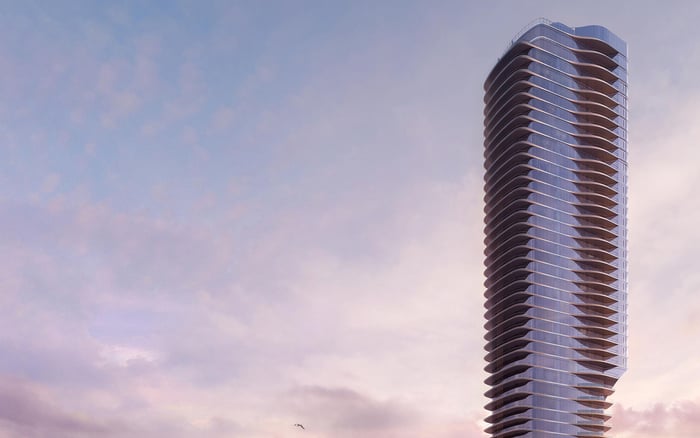
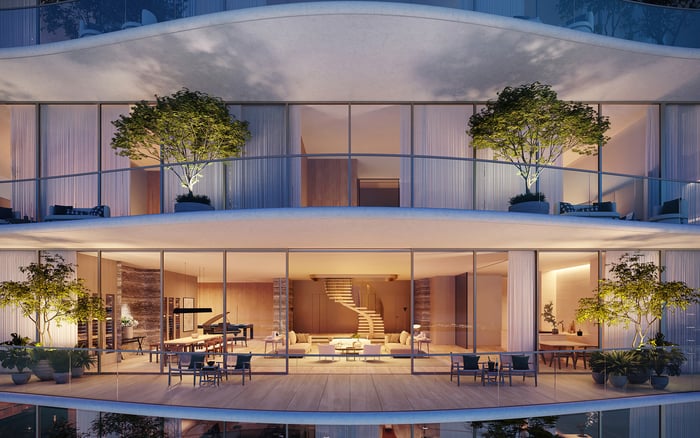
A discreet buyer’s guide to evaluating view corridors, privacy, light, construction risk, and contract strategy before purchasing at House of Wellness Brickell.
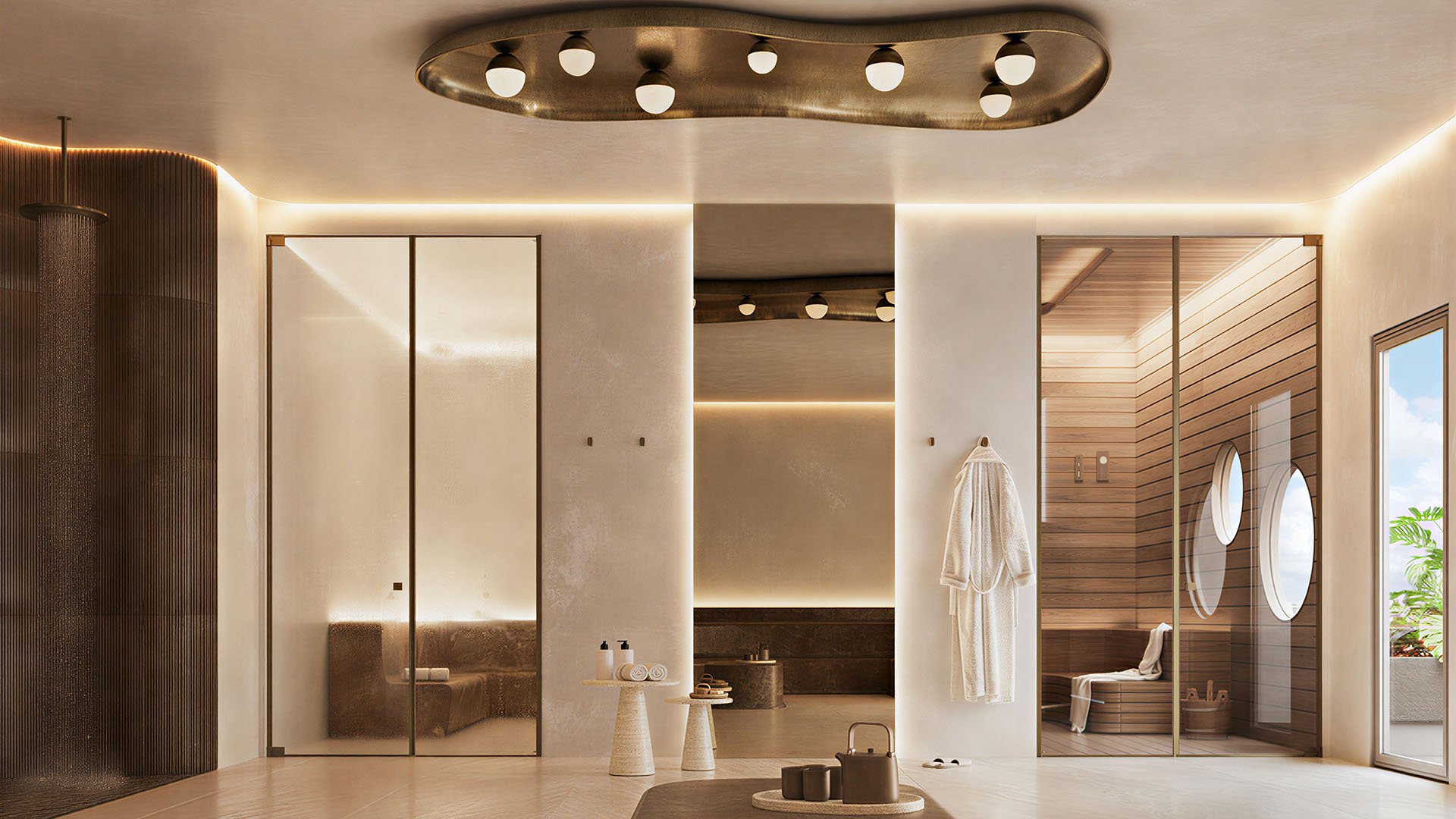
For a buyer considering House of Wellness Brickell, exposure is not a secondary detail. It is one of the quiet determinants of daily life: what you see when you wake, how much daylight reaches the primary suite, whether the terrace feels private at dinner, and how the residence may be perceived when it returns to market.
Brickell rewards precision. It is a vertical neighborhood where luxury is measured not only by finish level, amenities, and brand alignment, but also by the geometry of surrounding towers. Two residences with similar interiors can live very differently if one looks across open air while the other looks into a neighboring facade. Before contract, the central question is not simply whether a residence has a view. It is whether that view has resilience.
This is especially important for new-construction and pre-construction purchasers. In a completed building, the buyer can stand inside the residence and understand the field of vision. Before delivery, the analysis must be more disciplined. Renderings can suggest atmosphere, but contract decisions require a practical reading of orientation, floor height, setbacks, neighboring sites, and the buyer’s own tolerance for urban proximity.
The most useful way to evaluate exposure is to divide the residence into zones. Begin with the rooms where privacy matters most: primary bedroom, bath, living room, kitchen, and terrace. A spectacular angle from one corner of the living room may not compensate for a primary suite that faces directly into another tower.
Then separate view from privacy. A waterview may command attention, but the quality of the experience depends on what sits between the residence and that water. Likewise, a city exposure can feel glamorous when the distance to neighboring buildings is generous, animated, and layered. It can feel compromised when the relationship is too direct or too close.
Finally, study time of day. Morning light, afternoon glare, and evening reflection create different experiences. A balcony that feels open during daylight may feel more exposed after dark, when interior lighting turns glass into a stage. For luxury buyers, this is not paranoia. It is the kind of scrutiny that protects both enjoyment and future liquidity.
High floors often improve long-range views, but height alone does not resolve every exposure question. A higher residence can still face another tower if the neighboring building rises to a similar level. A mid-level residence may feel excellent if its outlook crosses a lower structure, a street corridor, or a broader urban opening.
Buyers should evaluate the floor in relation to specific surroundings rather than assume that higher is automatically better. Ask how the residence sits against adjacent parcels, whether the view line is lateral or direct, and whether the premium being paid reflects a lasting advantage or a temporary perception.
This is where comparisons across Brickell help. Looking at the way buyers discuss exposure at 2200 Brickell, Cipriani Residences Brickell, or The Residences at 1428 Brickell can sharpen the conversation. The goal is not to declare one building superior. It is to understand how different tower positions, streetscapes, and neighboring conditions influence buyer behavior.
Before signing, request the most detailed orientation materials available and review them carefully. Do not rely on a single glamour image. Ask for floor plans, line-of-sight context, and any available stack information that helps explain how the residence relates to its surroundings.
The first question is direct: what does this residence face today? The second is more important: what could it face later? In Brickell, an open view across a low or underbuilt site deserves additional diligence. That does not mean the residence is wrong. It means the pricing, floor selection, and contract expectations should acknowledge the possibility of change.
Also consider the difference between primary and secondary exposure. A corner residence can carry a premium because it offers more than one outlook. Yet if one side is vulnerable and the other is protected, the buyer should understand which rooms depend on each side. A residence may still be compelling if its most important rooms enjoy the stronger exposure.
Luxury resale is emotional, but it is not irrational. Buyers respond to the moment they enter a residence. If the eye moves outward, across distance, light, and privacy, the home feels more expansive. If the eye stops at a close neighboring wall, the residence must work harder through design, pricing, and amenities.
Exposure can also influence holding strategy. A buyer acquiring for long-term personal use may prioritize wellness programming, building culture, and interior planning more than a perfect skyline angle. A buyer focused on future resale should be more sensitive to how easily the view can be understood in a showing. The best exposure is not always the most dramatic. Sometimes it is the one that is easiest to trust.
Within Brickell, this is why projects such as St. Regis® Residences Brickell and Una Residences Brickell are often part of broader buyer conversations about orientation, lifestyle, and long-term positioning. A disciplined buyer uses these comparisons to refine priorities rather than chase prestige alone.
The contract phase is where taste becomes risk management. If a buyer’s decision depends heavily on a specific exposure, that reliance should be discussed clearly with counsel and the sales team before signing. The buyer should understand what is represented in the contract, what is illustrative, and what remains subject to change.
Deposit structure, closing timing, assignment flexibility, and default provisions all matter, but they should be evaluated through the lens of the buyer’s true motivation. If privacy is non-negotiable, avoid rationalizing a compromised stack simply because it is available. If the buyer values amenity lifestyle above all else, a more urban exposure may be acceptable if the price and plan align.
The most sophisticated Brickell buyers do not ask, “Is this the best line?” They ask, “Is this the best line for my use case, my time horizon, and my tolerance for neighboring development?” That question usually leads to a better decision.
Before contract, walk through a concise checklist. Identify the residence’s principal exposure, secondary exposure, and the rooms most affected by each. Clarify whether the outlook is over street, tower, open parcel, water, amenity deck, or another urban condition. Consider the distance between facades, the likely nighttime privacy experience, and whether window treatments would be a design choice or a necessity.
Then compare alternatives. A slightly smaller residence with a cleaner exposure may live better than a larger one with persistent privacy concerns. A lower floor with a protected urban corridor may feel more luxurious than a higher floor that is visually interrupted. In Brickell, nuance is often worth more than abstraction.
Finally, make peace with the setting. Brickell is not a secluded oceanfront enclave. It is a dense, international, highly vertical district. Its appeal comes from energy, convenience, architecture, dining, finance, and movement. The right residence embraces that context while preserving enough calm to feel like a private retreat.
For House of Wellness Brickell, the smartest exposure analysis begins with restraint. Do not buy a rendering. Do not buy a rumor. Buy the residence as it can be understood through orientation, context, contract language, and personal use.
A well-chosen Brickell home should feel composed even in a dynamic skyline. It should offer privacy where privacy matters, light where light is lived, and enough visual depth to support both pleasure and resale confidence. When those elements align, the contract becomes less speculative and more intentional.
Why is neighbor-tower exposure so important before contract? It can affect privacy, natural light, daily comfort, and how future buyers perceive the residence.
Is a higher floor always the safest choice in Brickell? Not always. High floors can help, but surrounding tower heights and view angles matter just as much.
What should I review before signing a pre-construction contract? Review floor plans, orientation materials, stack context, contract language, and any available information about surrounding conditions.
Can a strong amenity package offset a compromised exposure? It can for some buyers, especially lifestyle-focused owners, but it rarely eliminates privacy or resale concerns entirely.
How should I think about a waterview that crosses other buildings? Evaluate the depth, angle, and permanence of the view rather than treating all water glimpses as equal.
Does a balcony make exposure more or less important? More important. Outdoor space intensifies the need to understand privacy, noise, light, and the relationship to neighboring towers.
Should investors be stricter about exposure than end users? Often yes. Investors should consider how quickly a future buyer or tenant can understand and value the outlook.
What is the biggest mistake buyers make with renderings? They treat atmosphere as certainty. Renderings can be useful, but they should not replace exposure diligence.
Can an urban tower view still feel luxurious? Yes. A layered city view with adequate distance and light can be sophisticated, especially in Brickell.
When should I walk away from a line? Walk away when the exposure conflicts with a non-negotiable priority such as privacy, daylight, or long-term resale confidence.
For a discreet conversation and a curated building-by-building shortlist, connect with MILLION.
If branded residences are on your mind — as a home or as an allocation — we would be glad to share what we are seeing, privately.
Begin a quiet conversation