A discreet look at why exterior glass maintenance matters in Brickell luxury real estate, especially for buyers evaluating view clarity, service culture, and long-term ownership quality at Viceroy Brickell.
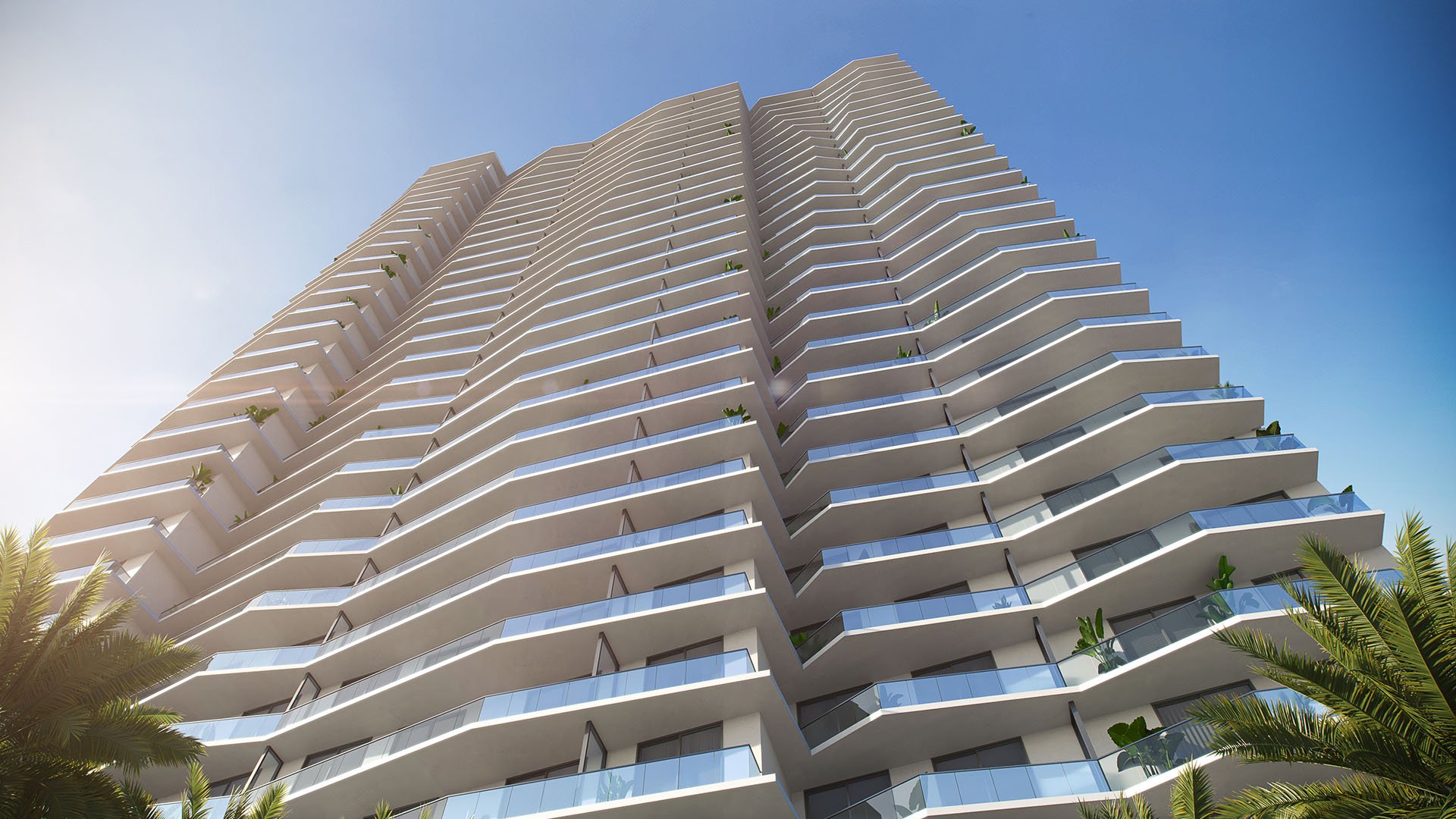
At the top end of Brickell real estate, buyers rarely evaluate a residence by square footage alone. They read the room as a complete composition: light, sound, view, arrival sequence, privacy, service, and the way the building appears to care for itself. That is why the window-washing cadence at Viceroy Brickell can become more than an operational footnote. It can influence how a buyer feels in the first few minutes of a private showing.
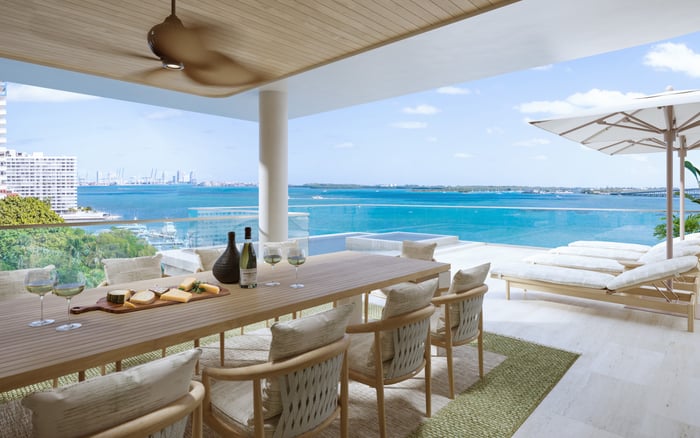
Exterior glass is the lens through which the residence presents Miami. When that lens is clear, the room feels more expansive, the skyline sharpens, and water or city views feel more intentional. When it is clouded by weather marks, streaking, or deferred cleaning, the same residence can feel less resolved. The buyer may not identify the issue as maintenance cadence, but the impression is immediate.
In this price tier, perception often precedes analysis. Before a buyer asks about association structure, valet flow, or amenity programming, the eye has already made a judgment. Glass is one of the quietest signals of building discipline, and disciplined buildings tend to inspire confidence.
Brickell is a vertical market, and vertical living depends heavily on outlook. A buyer choosing a high-rise residence is often buying the daily ritual of looking out: morning light, evening city glow, shifting weather, and the visual energy of the neighborhood. Window washing, then, is not simply about cleanliness. It is about preserving the architectural promise of the apartment.
For buyers, the issue touches Brickell, balcony living, high-floor view value, waterview expectations, pool amenity perception, and new-construction discipline. These are not separate categories in the buyer’s mind. They merge into one larger question: does the building feel impeccably managed?
This is especially important when a residence is marketed around openness, glass, and the relationship between interior and exterior space. A beautiful living room can lose impact if the view reads softly through marked glass. Conversely, a clean façade can make even a familiar skyline feel cinematic.
Window-washing schedules matter most when they intersect with buyer visits. A residence shown shortly after exterior glass cleaning may feel brighter and more precise. Edges sharpen. Reflections reduce. Outdoor terraces feel more connected to the interiors. Photography can also benefit, because glass clarity affects how depth, contrast, and light are captured.
The opposite is also true. A buyer who arrives after a period of visible residue may wonder whether the condition is temporary, seasonal, or part of a broader maintenance culture. That hesitation can change the conversation. Instead of focusing on floor plan, finishes, or lifestyle, the buyer begins asking operational questions.
For sellers and listing teams, the practical implication is simple: understand the building’s exterior glass rhythm before selecting key showing windows. For buyers, the lesson is equally direct: if a residence feels less luminous than expected, ask whether recent weather or the cleaning cycle is affecting the view before discounting the home itself.
The most revealing questions are calm, specific, and operational. A buyer does not need to interrogate the building, but should understand how façade care is handled. Useful questions include how exterior glass cleaning is scheduled, whether access systems are built into the building’s maintenance plan, how weather affects timing, and whether residents receive advance notice.
Buyers should also ask whether balcony glass, terrace railings, and common-area glazing are addressed with similar consistency. A residence can be impeccably maintained inside while the exterior envelope follows a different rhythm. The best-managed luxury buildings tend to treat the façade, lobby, amenity levels, and private-residence experience as one continuous standard.
This is where comparisons across Brickell can be clarifying. A buyer considering St. Regis® Residences Brickell, The Residences at 1428 Brickell, or Baccarat Residences Brickell may naturally compare architecture, services, and brand language. Yet the quieter operational questions often reveal how each building is expected to live day to day.
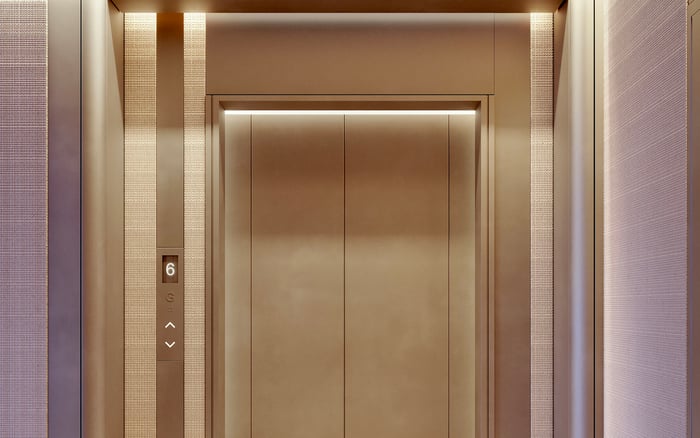
Luxury buyers are trained to notice alignment. They notice whether elevator doors are polished, whether landscaping is edited, whether amenity furniture feels attended to, and whether the arrival sequence is calm. Exterior glass belongs in that same family of details.
Clean glass suggests that the building has routines. Routines suggest stewardship. Stewardship supports confidence, especially for owners who travel, maintain multiple homes, or rely on professional management. In this context, window washing is not about vanity. It is about trust.
A buyer choosing between two comparable residences may lean toward the one that feels more cared for, even if the difference is subtle. The decision may be framed as light, view, or atmosphere, but the underlying factor can be cadence. Luxury is often the absence of friction, and unclear glass introduces visual friction.
No single maintenance item determines value on its own. Still, exterior glass care can affect how value is perceived during the purchase process. Buyers paying for a view expect that view to be legible. Buyers paying for a premium building expect the operating culture to match the architecture.
This matters in pre-construction, new-delivery, and resale conversations alike. A new tower can create excitement through design and amenities, while an established building can create confidence through visible upkeep. In both cases, the cadence behind the presentation becomes part of the ownership story.
The same logic applies beyond Brickell. In markets where water, skyline, or garden views are central to the sales narrative, glass condition becomes a meaningful part of the experience. A buyer comparing Una Residences Brickell with other luxury addresses will likely weigh design identity and location, but the daily quality of looking out remains essential.
A buyer should not overreact to one imperfect pane or a temporary weather event. Miami living comes with changing conditions, and exterior maintenance is always subject to scheduling realities. The smarter approach is to look for consistency across the building.
Are the lobby windows clear? Do amenity-level glass walls feel maintained? Are balcony railings and exterior surfaces presented with care? Does management communicate maintenance windows in a polished way? These observations can help a buyer distinguish between an isolated moment and a culture of deferral.
This is particularly relevant for buyers who prize lock-and-leave ownership. If a building’s visible maintenance feels orderly, it can reassure an owner that the invisible systems are likely being approached with similar seriousness. While buyers should still conduct full diligence, visible care is a useful early signal.
The window-washing cadence at Viceroy Brickell matters because it sits at the intersection of architecture, lifestyle, and confidence. It affects how light enters a residence, how the view is experienced, how photographs read, and how buyers interpret the building’s operating standards.
For a luxury buyer, the right question is not simply whether the glass is clean on a given day. The better question is whether the building appears to have a repeatable, well-communicated standard for keeping the visual experience aligned with the price point. In a market as discerning as Brickell, that standard can shape the buyer decision before the negotiation even begins.
Why does window washing matter to a Viceroy Brickell buyer? It affects view clarity, interior brightness, and the overall impression of building care during a private showing.
Can dirty exterior glass change how a residence feels? Yes. Marked glass can make a room feel less crisp, even when the floor plan and finishes are strong.
Should buyers ask about the cleaning schedule? Yes. Understanding cadence, access, and weather-related timing helps buyers assess operational discipline.
Is one imperfect showing a reason to reject a residence? Not necessarily. Buyers should distinguish a temporary condition from a pattern of inconsistent maintenance.
Does glass clarity affect photography? It can. Clean glass often helps views, reflections, and natural light read more accurately in listing images.
What should sellers consider before showings? Sellers should understand recent or upcoming exterior cleaning so the residence is presented at its best.
Do balcony railings matter too? Yes. Balcony glass and terrace edges influence the transition between interiors and the view beyond.
Is this only relevant for high floors? No. High floors may emphasize skyline views, but lower residences also benefit from clean glass and light.
How does this compare with amenities? Amenities attract attention, but maintenance cadence helps determine whether the building feels truly luxury.
What is the broader lesson for Brickell buyers? Operational details can be as persuasive as design, especially when the residence depends on glass, light, and views.
For a confidential assessment and a building-by-building shortlist, connect with MILLION.
If branded residences are on your mind — as a home or as an allocation — we would be glad to share what we are seeing, privately.
Begin a quiet conversation