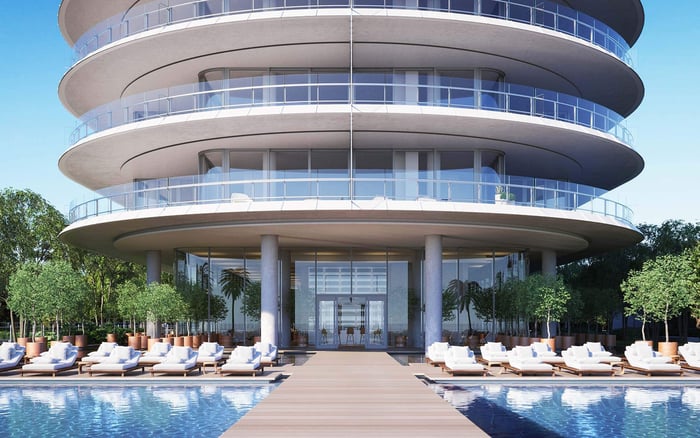
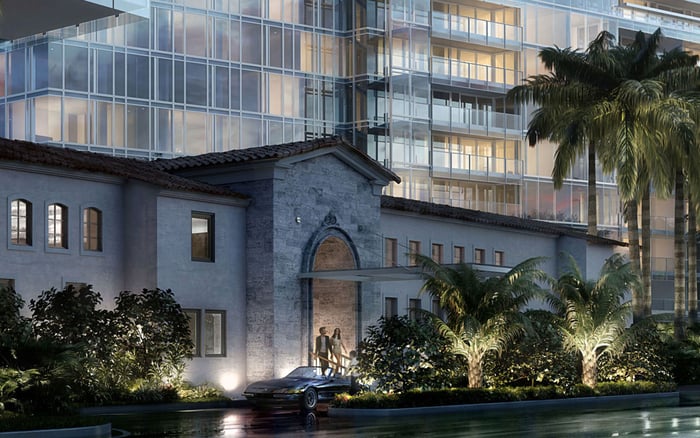
For luxury condominium buyers in South Florida, the post-Surfside reserve conversation is no longer an abstract policy issue. It is a line-item reality that can influence monthly carrying costs, closing strategy, resale liquidity, and even which buildings feel truly “turnkey” over a 5 to 10 year hold. This editorial explains how to evaluate reserve requirements and special-assessment risk with the level of rigor sophisticated buyers apply to taxes, insurance, and title. Rather than focusing on any single property’s internal ledger, MILLION Luxury outlines a framework you can use across Surfside, Bal Harbour, Miami Beach, Brickell, and Sunny Isles: what to request, what numbers to pressure-test, and which qualitative signals often matter as much as the spreadsheet.
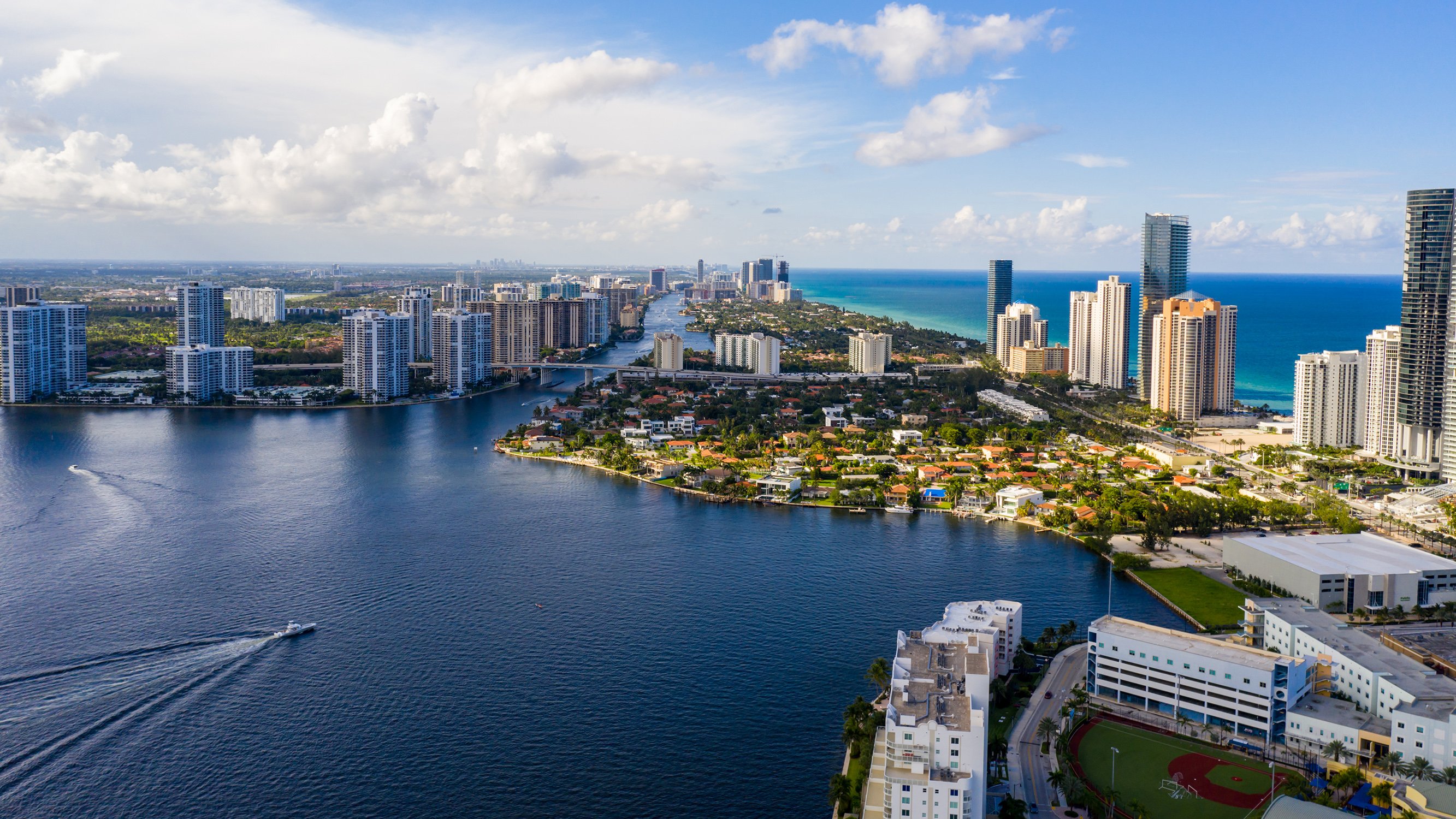
The post-Surfside era changed how sophisticated buyers evaluate condominiums in South Florida. Reserves once read like background governance: a line in the budget, a passing note in meeting minutes, a concern largely reserved for boards and long-tenured owners. Today, reserve funding directly shapes both lifestyle and liquidity.
For a luxury buyer, the issue is less about “good” versus “bad” buildings and more about predictability. You are underwriting a multi-year holding period in a coastal environment with complex building systems, evolving inspection expectations, and a buyer pool that is increasingly sensitive to special assessments. A reserve policy that is transparent, disciplined, and aligned with the physical asset can make ownership feel quiet and effortless. A reserve policy built on deferral can turn a trophy address into an uncomfortable monthly surprise.
This matters across the market, not only in Surfside. Buyers comparing The Surf Club Four Seasons Surfside with other Miami Beach options often find that the “price per square foot” conversation quickly becomes a “price per month, reliably” conversation. In Brickell, the same is true when lifestyle buyers compare branded, amenity-heavy towers like 888 Brickell by Dolce & Gabbana and 2200 Brickell, where the ownership experience is as much about the operating model as it is the view.
Condo reserves are funds set aside for major future costs that are not part of routine operations. Think: roof and waterproofing, elevators, structural and concrete restoration, façade work, mechanical systems, pools, and other capital items that arrive in expensive waves.
In practice, you will see reserves presented in three ways:
Fully funded philosophy: The association aims to contribute amounts that, over time, cover anticipated capital work with minimal reliance on special assessments.
Partially funded philosophy: The association contributes something, but the plan implicitly assumes some future assessment or borrowing.
Pay-as-you-go: Contributions are intentionally low; capital work is expected to be handled later via assessments.
None of these is automatically disqualifying, but each carries a different risk profile. Luxury buyers generally prefer clarity: if a building chooses partial funding, the question becomes whether that decision is strategic and well-modeled, or simply habitual deferral.
Your due diligence should be structured, not improvisational. Before you calibrate an offer, ask for:
(with line-item reserve contributions)
(balance sheet and income statement)
or capital plan, if available
and inspection-related correspondence that discusses major components
for at least 12 months, ideally 24 (to identify recurring pain points)
(amounts and what they funded)
The objective is not to become the building’s accountant. It is to confirm that the board’s narrative matches the numbers-and that the physical asset is being funded in a way that protects your future optionality.
Luxury buyers often skim the total monthly figure and move on. That instinct is increasingly costly. You want to separate what is structural in the budget from what is discretionary.
Key lines to pressure-test:
Higher is not always better, but a very low figure should trigger deeper questions.
Amenity-rich buildings can carry high operating costs. The risk is when both operating costs and reserves are underfunded because owners are trying to “keep fees low.”
These can distort year-over-year comparisons. Separate the conversation about operational inflation from the conversation about long-term capital stewardship.
If minutes repeatedly mention patchwork fixes, vendor disputes, or “temporary” repairs, assume capital work is approaching-regardless of how calm the current monthly number looks.
If you are evaluating Surfside and adjacent neighborhoods like Bal Harbour, you may also be comparing different building vintages and construction types. That is precisely where reserve policy becomes consequential. A newer oceanfront product like Eighty Seven Park Surfside may be earlier in its capital cycle, but it is not exempt from future high-cost components. Conversely, a more established asset can be exceptionally well-run if reserve discipline has been consistent for years.
Special assessments are not inherently a sign of mismanagement. Sometimes they fund necessary work or capitalize an opportunity to upgrade. The question for a luxury buyer is how an assessment intersects with your personal constraints: cash planning, financing, and your tolerance for unpredictability.
In today’s market, assessment psychology matters. Even when an assessment is rational, it can change the resale audience. Some buyers will avoid buildings with active assessments, and others will discount aggressively if they fear additional rounds. That affects liquidity, not just monthly expense.
Practical evaluation:
Was the assessment proactive or reactive?
Proactive assessments tied to a defined scope and timeline can signal governance maturity.
Is there a clear funding roadmap after the assessment?
The best boards use an assessment as part of a broader capital reset, not as a one-off that leaves the reserve line unchanged.
How was the assessment communicated?
Calm, detailed communication often correlates with tighter execution and fewer surprises.
Reserve needs are shaped by physics. Salt air, humidity, and wind-driven rain accelerate wear on façades, balconies, garage structures, and mechanical systems. That is why oceanfront and near-ocean buildings often face more frequent, higher-cost capital events than inland towers-even when both are “luxury.”
In Miami Beach and Surfside, buyers should assume waterproofing, concrete maintenance, and life-safety systems will be recurring themes. In Brickell, the conversation may tilt toward high-rise mechanical complexity, elevators, and the long-term cost of maintaining extensive amenity decks and branded service expectations.
If you want a benchmark for oceanfront lifestyle with a distinct service proposition, consider how ownership narratives differ between Surfside icons and Miami Beach offerings like 57 Ocean Miami Beach. The details vary by building, but your due diligence framework should be consistent: verify the capital plan, understand the reserve philosophy, and model what “normal” looks like over a full cycle.
Reserve posture can influence financing appetite and buyer sentiment, which in turn influences your exit.
For a cash buyer, the temptation is to treat reserves as an inconvenience rather than a pricing variable. But even all-cash owners ultimately sell into a market where many buyers will scrutinize monthly costs, building governance, and the perceived likelihood of further capital calls.
For financed buyers, lender scrutiny can add another layer of friction when a building’s financials look stressed, when reserves appear thin relative to projected needs, or when an active assessment is underway. The specific underwriting standards vary, but the theme is consistent: uncertainty narrows the buyer pool.
A practical mindset is to treat reserve strength as part of the property’s “quiet luxury.” It is not glamorous, but it is the difference between a home that feels effortless and a home that demands ongoing attention to board politics.
When you review a building, ask questions that force specificity:
What major projects are expected in the next 3 to 7 years, and how will they be funded?
If a reserve study exists, when was it last updated and what assumptions does it use?
Has the association borrowed for capital work before, and is that part of the plan going forward?
Are there components that have been repeatedly postponed?
What is the board’s philosophy: minimize monthly fees, minimize surprises, or balance both?
The goal is not confrontation. It is alignment. Many luxury buyers can absorb higher monthly costs; fewer are comfortable with uncertainty that arrives on a board’s timeline rather than their own.
If you are comparing multiple buildings across Surfside, Miami Beach, Brickell, and Sunny Isles, build a one-page comparison table for each:
Monthly assessment today (and what it includes)
Reserve contribution today
Known upcoming capital projects
Any active or recently completed assessments
Governance signals from minutes (tone, transparency, recurring issues)
This structure turns dense financial packets into a decision you can live with-and a negotiation you can justify. A building with a disciplined reserve approach may warrant a premium because your ownership experience is more predictable. A building that is under-reserved might still be a compelling buy, but only if the pricing and your personal cash planning reflect the likely catch-up.
Post-Surfside reserve requirements have elevated governance from a background consideration to a core component of luxury value. The most sophisticated buyers in Surfside and beyond now evaluate buildings the way they evaluate managers: philosophy, track record, and transparency.
A beautiful residence can be undermined by opaque financial stewardship. Conversely, a building with a clear capital roadmap, realistic reserve contributions, and professional communication can make the entire ownership experience feel composed.
What does “fully funded reserves” mean in a condo? It generally means the association is contributing enough to cover projected capital needs over time, reducing reliance on special assessments.
Are special assessments always a red flag for luxury buyers? No. The key is whether the scope is clear, the funding plan is credible, and the assessment resolves a known capital need.
Can a newer luxury condo still have reserve risk? Yes. Even newer towers have major components that age, and amenity-heavy buildings can carry expensive long-term maintenance.
Should I avoid buildings with low monthly fees? Not automatically, but unusually low fees can signal deferred maintenance or underfunded reserves, which may reappear as assessments later.
Do reserves affect resale value? They can, because buyers price in monthly cost predictability and potential future assessments, especially in coastal markets.
What documents matter most when evaluating reserves? The current budget, financial statements, meeting minutes, and any reserve study or capital plan typically provide the clearest picture.
How far ahead should I model reserve-related costs? A 5 to 10 year view usually captures the most meaningful capital-cycle risk for many buildings, even if exact timing varies.
Is an assessment ever preferable to higher monthly reserves? Sometimes, if the building is executing a defined project and the assessment is structured transparently, but it adds cash-flow risk.
Do oceanfront buildings require different reserve assumptions? Often yes. Salt air and wind-driven moisture can accelerate wear on exterior and structural components, increasing capital frequency.
What is the smartest first question to ask a condo board or manager? Ask what major projects are expected in the next several years and exactly how they plan to pay for them.
For a confidential assessment and a building-by-building shortlist, connect with MILLION Luxury.
If branded residences are on your mind — as a home or as an allocation — we would be glad to share what we are seeing, privately.
Begin a quiet conversation