A discreet, buyer-oriented look at what a dedicated wellness concierge can change in day-to-day living at a wellness-forward luxury building, versus the more common model of amenity management.
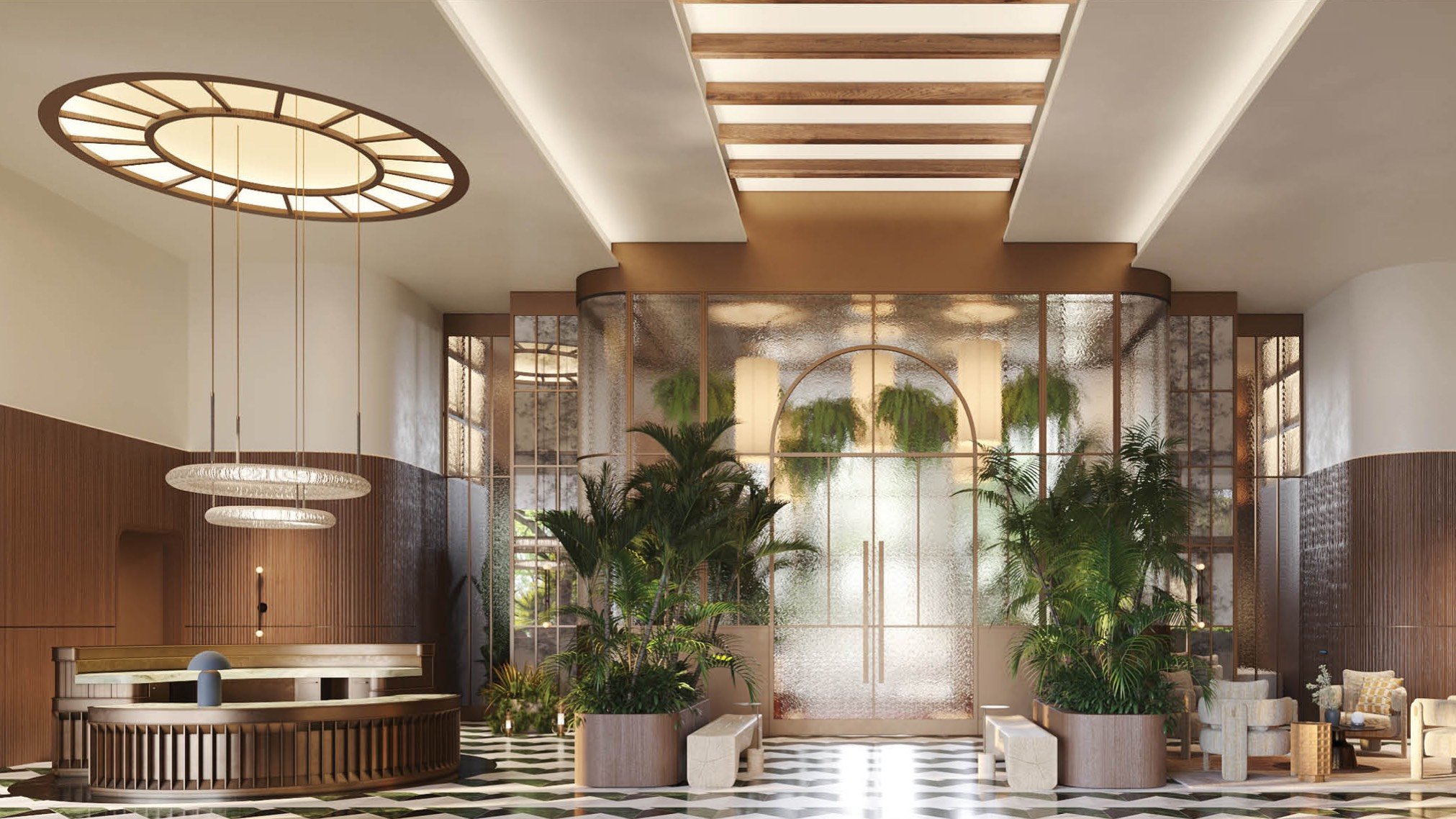
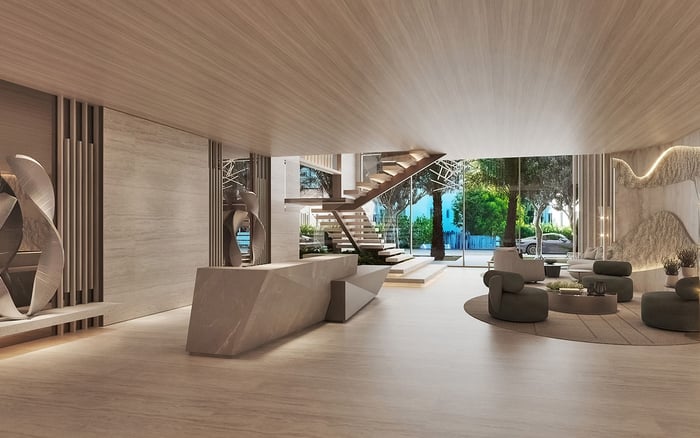
In South Florida’s ultra-premium market, “amenities” have become baseline. Most new luxury towers can offer a handsome fitness room, a spa-style treatment suite, and a calendar of classes. The more discerning question is whether the building’s service model can turn those spaces into a consistent, private, and genuinely personalized wellness routine.
That is where the idea of a dedicated wellness concierge, as positioned at The Well Coconut Grove, separates from standard amenity management. One model treats wellness as rooms and reservations. The other treats wellness as an ongoing program-with someone accountable for coordination and continuity.
For buyers measuring lifestyle value and long-term satisfaction, the difference is not cosmetic. It is operational, and it shows up in practical, day-to-day realities: who knows your preferences, who reduces friction, and who follows through.
In a conventional luxury condominium, “amenity management” typically sits within property operations. The team’s mandate is straightforward: keep spaces pristine, enforce rules, manage bookings, and respond to resident requests. At its best, the result is dependable execution-the gym opens on time, towels are stocked, the Pilates room stays orderly, and policies are applied consistently.
But the standard model has structural limits.
First, it is designed for fairness at scale, not customization. Reservations, time blocks, and policies are built to serve many households with minimal conflict. If your routine requires nuance-an adjusted training schedule, coordination with an external practitioner, or alignment with travel and family obligations-the system is rarely designed to adapt proactively.
Second, amenity management is usually reactive. You request; they respond. You book; they confirm. If something changes, you often restart the process. In luxury living, that may be functional, but it is not the same as a lifestyle that feels curated.
Third, accountability is typically about access, not outcome. An amenity manager can ensure the sauna is available; they are not generally responsible for ensuring you use it consistently, or that your plan stays cohesive across training, recovery, and nutrition.
A dedicated wellness concierge is a different proposition: a single point of contact focused on the resident’s wellness experience end-to-end. In practice, the promise is not more amenities. It is that someone actively orchestrates the amenities you already have.
For a buyer, that shift can change daily life in five meaningful ways.
Wellness works best when it is consistent. A concierge model implies a working memory of your routine and preferences, from training intensity to recovery cadence. Instead of re-explaining what you want each time, the experience should feel recognized and streamlined.
Luxury value is often invisible: fewer messages, fewer handoffs, fewer “who do I contact?” moments. A wellness concierge can reduce the administrative noise that causes routines to break-especially for second-home owners and frequent travelers.
Most residents do not need a more elaborate amenity deck. They need a plan that makes sense. A concierge can help connect movement, recovery, and scheduling so the routine feels intentional rather than accidental.
Privacy is not only discretion at the front desk. It is also limiting how many people handle your requests and personal details. A single, trusted point of contact can be a material upgrade over a rotating roster of staff.
Standard amenity management is built around rules. A wellness concierge is built around preferences-within boundaries. The difference is subtle but consequential: residents experience the building as responsive rather than procedural.
The concept is easy to agree with in theory. The decision becomes clearer when you picture an ordinary week.
With standard amenity management, your routine is self-managed: you book what you can when you are in town, and you lose momentum when you are not. With a concierge-led approach, the goal is to protect continuity-pre-arranged sessions upon arrival, adjusted timing, and a rhythm designed to survive travel.
For a Coconut Grove lifestyle where walkability and “close-to-everything” days matter, that continuity can be as valuable as views. Nearby luxury options like Four Seasons Residences Coconut Grove reflect how the neighborhood rewards residents who prioritize ease and service as much as finishes.
Standard amenity management is often first-come, first-served. It works-until it doesn’t-especially when multiple family members want the same peak hours. A wellness concierge can help reduce conflict by anticipating needs, proposing alternatives, and coordinating bookings so the household routine feels coherent.
Many luxury residents want more than “using the gym.” They want improved sleep, more strength, better mobility, a calmer stress response, and fewer injuries. Standard management can provide access to equipment and a class calendar. A concierge model is better suited to building a repeatable, sustainable plan-and refining it over time.
Because the Research Pack and Fact Table here do not specify program particulars, the most buyer-protective approach is to evaluate the service architecture rather than assume features. When touring or reviewing disclosures, focus on questions that reveal the building’s operating intent.
Is the wellness concierge a dedicated role, or a title layered onto a broader concierge desk? The answer directly affects responsiveness, expertise, and continuity.
Can the concierge actually coordinate schedules and practitioners, or do they simply relay requests? The value comes from authority to solve.
Is there an intake process to understand goals and preferences, or is it purely transactional? A true concierge model should feel consultative.
How is resident information handled, and how many touchpoints are involved? In an ultra-premium environment, the quiet efficiency of fewer intermediaries matters.
South Florida is increasingly segmented by lifestyle identity. Some buildings compete on brand, some on waterfront positioning, some on architectural pedigree, and a growing number compete on service culture.
In Brickell, where high-performance living and dense convenience are part of the value proposition, residents often expect a strong service backbone to match their schedules. Projects like Baccarat Residences Brickell illustrate how the market prices in hospitality-minded operations, even when the wellness experience is not framed as a dedicated concierge program.
On the beach, the demand profile can tilt toward restoration, privacy, and a resort cadence. A project such as The Perigon Miami Beach speaks to buyers who want an environment that feels calming and controlled-where the difference between “amenities” and “experience” becomes most apparent over time.
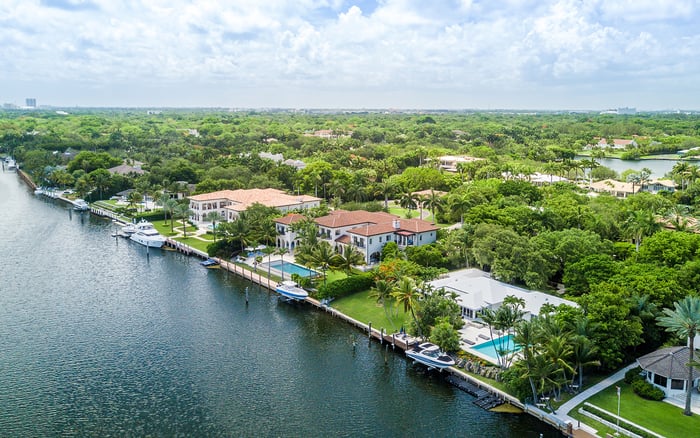
Back in Coconut Grove, lifestyle is often less about spectacle and more about daily livability: mornings that start easily, evenings that feel unforced, and a sense that the building supports your routines rather than complicates them. In that context, a dedicated wellness concierge reads as a structural commitment, not a marketing flourish.
Luxury buyers are trained to compare price per square foot, view corridors, and finish packages. But service models are where friction either accumulates or disappears. Over years of ownership, friction is expensive: it costs time, attention, and-in many cases-the very wellness outcomes residents say they want.
A concierge-led approach can create value in three ways:
Utilization: Amenities only matter if you use them. Service that makes utilization effortless is a hidden return.
Consistency: The wellness routines that change how you feel are the routines you keep. Continuity is a service outcome.
Differentiation: In a market where many buildings look similar in listing photos, experiential differentiation can matter when you eventually resell-particularly among buyers who have already “had the amenity deck” and now want something more intentional.
When comparing a dedicated wellness concierge model to standard amenity management, keep the evaluation concrete. Ask for clarity on:
How requests are handled: one point of contact or multiple desks.
How far in advance schedules can be arranged and adjusted.
What happens when plans change: your options and the building’s flexibility.
How resident preferences are documented and protected.
Whether the role is proactive: check-ins, planning, and continuity.
If the answers are precise and operational, the program is likely real. If the answers remain vague and aspirational, you may be looking at standard amenity management with upgraded language.
What is the main difference between a wellness concierge and amenity management? Amenity management focuses on operating spaces; a wellness concierge focuses on coordinating your personal wellness experience.
Does a wellness concierge mean more amenities? Not necessarily; the value is often better orchestration and follow-through with what already exists.
Is a wellness concierge only useful for full-time residents? No; it can be especially useful for second-home owners who need routines reactivated quickly when in town.
How can I tell if the concierge role is truly dedicated? Ask whether it is a standalone position with defined coverage versus a function shared by the main concierge desk.
Will a concierge model improve privacy? It can, because fewer staff touchpoints may reduce how widely your preferences and schedule are shared.
Can standard amenity management still feel luxurious? Yes, particularly when operations are meticulous; the difference is usually personalization and continuity.
What should I prioritize when touring wellness-focused buildings? Focus on service workflow, responsiveness, and how the team handles changes, not just the look of the spaces.
Is this kind of service relevant outside Coconut Grove? Yes; different neighborhoods value it differently, but service architecture matters across South Florida.
Could a concierge model affect resale appeal? Potentially, because experiential differentiation can stand out when many buildings offer similar amenity lists.
What is one question that quickly reveals the operating model? Ask who owns your request end-to-end from planning through execution, and what happens if something changes.
To compare the best-fit options with clarity, connect with MILLION Luxury.
If branded residences are on your mind — as a home or as an allocation — we would be glad to share what we are seeing, privately.
Begin a quiet conversation