A buyer-oriented guide for families evaluating child safety, supervision, and play value at Bay Harbor Towers, with a practical checklist tailored to Bay Harbor Islands living.
For many South Florida buyers, “kid-friendly” isn’t a single amenity-it’s an ecosystem: how a building manages access, how quickly a parent can reach the lobby, whether outdoor spaces feel calm at sunset, and how smoothly everyday routines work with a stroller, a scooter, or a swim bag. In Bay Harbor Islands, this carries extra weight because waterfront living introduces its own priorities-water edges, marina activity, and the steady movement of guests and deliveries that can make a residential tower operate like a small city.
At Bay Harbor Towers, families typically evaluate two considerations in parallel: the safety envelope (how effectively the property controls who comes in, how residents and guests circulate, and what the “edges” look like) and the play envelope (whether children truly have places to move, create, and decompress-without the living room becoming the only option). This article outlines what to look for, what to ask, and how to decide whether the building’s lifestyle aligns with your child’s age and your household’s risk tolerance.
A luxury building can be beautifully finished and still feel stressful if arrivals are chaotic. For parents, the arrival sequence is where minor gaps become real risks: a child darting toward the street at drop-off, a package room that requires leaving kids unattended in a corridor, or a lobby where visitors are visually indistinguishable from residents.
When touring Bay Harbor Towers, focus on:
Front door discipline. Is there a clear “pause point” before you enter-somewhere you can manage bags and kids without standing in traffic? A recessed entry, canopy coverage, and intuitive paths all matter.
Visitor handling. Ask how guests are announced and how access is granted. Strong systems reduce ambiguity for staff and residents.
Delivery and service routing. Families benefit when service circulation is separate-or at least tightly controlled-so high-traffic areas don’t overlap with where children typically wait.
If you’re comparing Bay Harbor Islands options, note how newer boutique buildings often design these sequences around modern family use. A discreet comparison point is Alana Bay Harbor Islands, where many buyers look for a more intimate scale and fewer unknowns at the front door.
Children test boundaries naturally. The question isn’t whether they’ll wander-it’s whether the building’s interior circulation makes wandering low-stakes or high-stakes.
In a tower setting, assess:
Elevator call logic and controls. Ask whether elevator access is restricted by key or fob to residential floors and common areas.
Sightlines in corridors. Long, straight hallways can help if you can spot a child quickly; blind corners can elevate stress.
Door hardware and self-closing mechanisms. Quiet, reliable closures help prevent “propped-open” situations that create accidental access.
A practical test during a tour: step out of the elevator with groceries, your child is energized, and you need 20 seconds to unlock the unit. Does the hallway feel calm and manageable-or exposed and hectic?
South Florida family living is inseparable from water. That’s part of the appeal-but it also means your evaluation should be explicit about supervision, barriers, and rules.
Consider these water-adjacent elements:
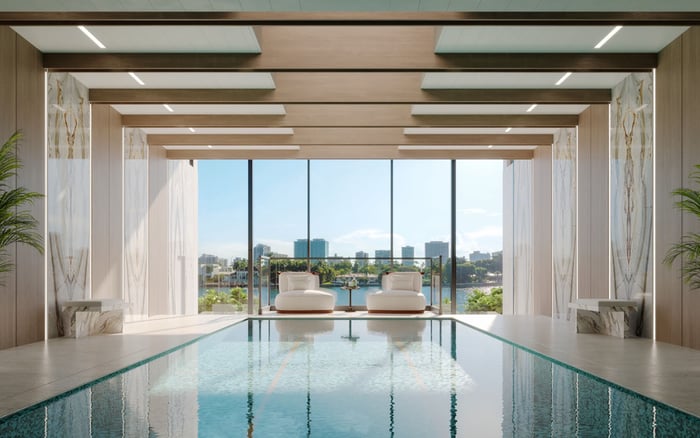
Pool design and perimeter. Look for child-resilient gates, clear latch heights, and separation between lounging zones and the pool edge.
Deck surfaces and drainage. Smooth finishes can become slick when sunscreen and pool water mix. Ask what materials are used and how they’re maintained.
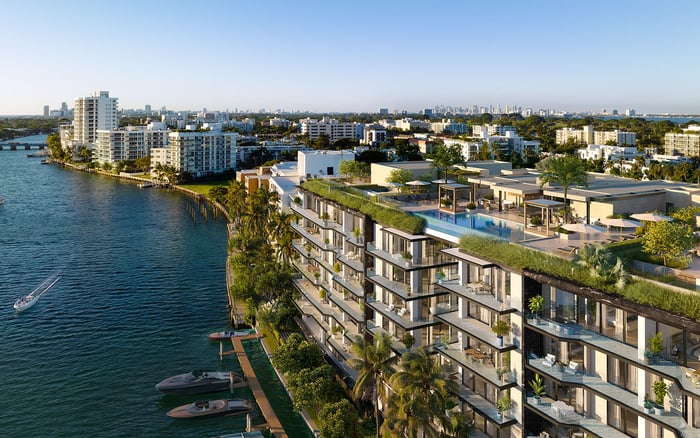
Waterfront edges. If there’s direct proximity to Biscayne Bay or canal fronts, inspect rail heights, spacing, and whether any elements are climbable.
Equally important is the building’s supervision culture. Some communities are naturally family-forward, with residents who take pool rules seriously. Others lean adult-social, where poolside energy reads more like a resort. Neither is inherently wrong-but families benefit from choosing intentionally.
For a reference point on amenities that often center outdoor living, some buyers cross-shop communities like Onda Bay Harbor and pay close attention to how pool decks and waterfront areas are configured for both elegance and everyday safety.
Not every luxury building includes a traditional playground, and many families in Bay Harbor Islands are comfortable with that. What matters is whether the property offers age-flexible space that supports movement, creativity, and social time.
High-value play features often include:
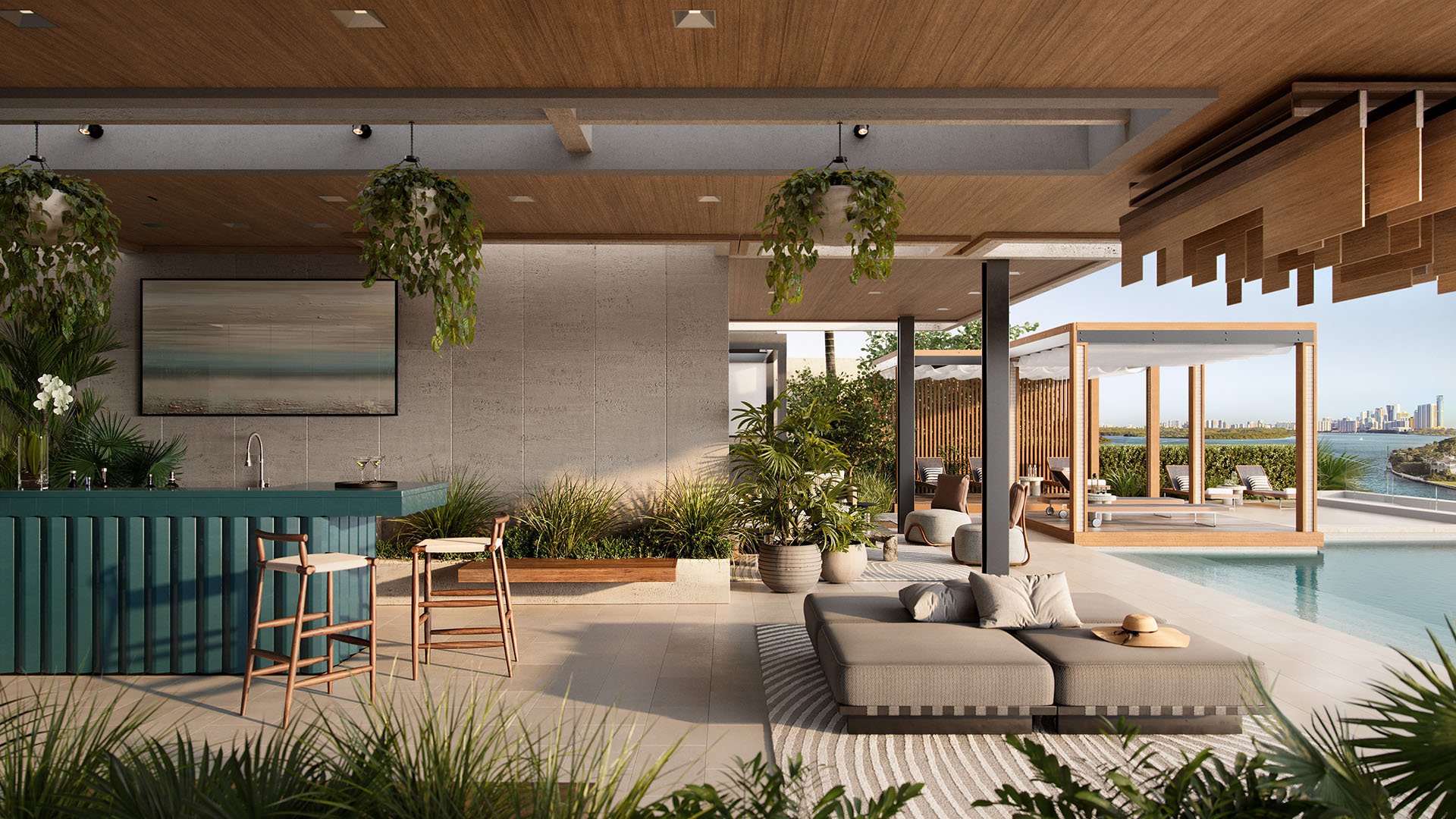
A shaded outdoor zone where kids can be outside without direct mid-day sun exposure.
A resilient surface that can handle chalk, small wheels, and occasional falls.
A space with “permission.” In many towers, children feel constantly corrected because common areas are treated like gallery spaces. The strongest family buildings provide at least one area where kids can be kids.
Indoors, look for a room that can function as a casual retreat-somewhere a caregiver can sit with clear sightlines, where snacks are feasible, and where noise won’t feel like a violation.
If your household values wellness-driven amenities that often include calmer communal zones, it can be useful to look across the Bay Harbor landscape, including The Well Bay Harbor Islands, and note which design choices encourage relaxed, family-friendly use.
In a luxury condo, outdoor space is often the most-used “amenity” for families. It’s also one of the most underestimated risk areas.
When evaluating balconies or terraces, prioritize:
Railing height and climbability. Horizontal elements, integrated ledges, and furniture placement can unintentionally create a ladder effect.
Door thresholds and locks. Ask whether balcony doors can be secured with child-resistant hardware.
Wind exposure. Higher wind zones can make balcony time feel less controllable with toddlers, especially around lightweight furniture.
A simple practice: stand where a child would stand and look through the railing. If it triggers unease, trust that instinct and plan mitigations-such as strict furniture layout rules or additional safety devices where permitted.
Building amenities matter, but Bay Harbor Islands is also defined by what happens once you step outside. Families often prioritize:
Walkable errands that reduce car-seat time.
Sidewalks and crossings that feel manageable with strollers.
Nearby green space for unstructured play when building common areas are quiet or restricted.
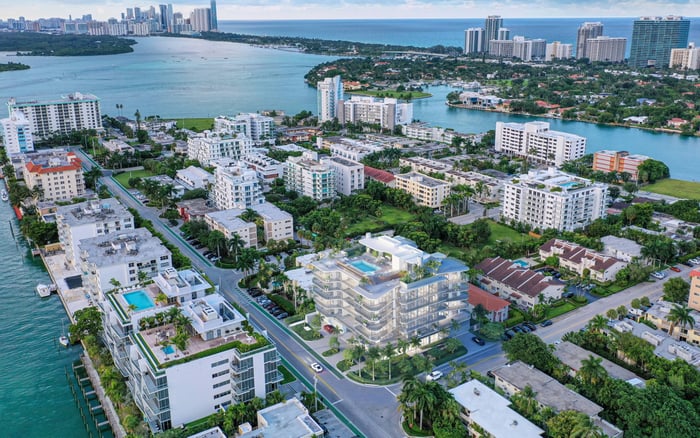
In practice, the “play network” blends the building, nearby parks, and short trips to the beach. Some families also value a second neighborhood option for weekend variety. A north-south comparison can help: for example, seeing how a beachfront amenity culture functions at 57 Ocean Miami Beach can clarify whether you prefer an oceanfront environment or the calmer, bay-adjacent rhythm associated with Bay-harbor living.
Luxury decision-making gets easier when you request clear answers. For Bay Harbor Towers, consider asking for written clarification on:
Guest access procedures and whether residents can pre-authorize visitors.
Pool rules and enforcement, including whether there are posted hours and any on-site monitoring.
Renovation and move-in policies that may affect elevator availability and hallway traffic.
Package handling protocols, especially after-hours.
Any restrictions on child safety additions, such as balcony safety devices, if applicable.
You’re not looking for perfection. You’re looking for alignment: a building that matches your parenting style, your schedule, and your tolerance for shared-space ambiguity.
If you want a clean way to decide whether Bay Harbor Towers suits your family, use this three-part framework:
Control: Can you control the key risk moments, including arrivals, elevators, pool access, and balcony doors?
Comfort: Do you feel comfortable letting your child exist in the building without constant correction-or vigilance fatigue?
Continuity: Will the property still work as your child grows, from stroller years to school years to teen independence?
A tower can be an elegant, low-maintenance base for family life when the building’s operational habits are as considered as its finishes.
Is Bay Harbor Towers generally suitable for families with young children? It can be, but suitability depends on access control, water-edge safeguards, and whether daily routines feel contained and calm.
What is the single most important safety feature to evaluate first? The entry and guest access sequence, because it establishes the baseline for who can reach residential areas and when.
How should parents assess pool safety in a condo building? Look for secure gating, clear rules, and a culture of consistent enforcement in shared spaces.
Do I need an on-site playground for a building to be kid-friendly? Not necessarily; shaded, flexible outdoor space and an indoor retreat often matter more than fixed equipment.
What should I check on balconies or terraces for child safety? Prioritize railing design, climbability, door locks, and furniture placement that could create unintended access.
Are elevators a meaningful safety consideration for kids? Yes; controlled access and predictable elevator behavior reduce wandering risks and support day-to-day calm.
How can I tell if a building’s common areas will work for children? Look for at least one area where normal kid noise and movement are tolerated without friction.
What policies should I request in writing before purchasing? Ask for guest access procedures, pool rules, package protocols, and any restrictions on safety additions.
How much does the neighborhood matter versus the building itself? A lot; sidewalks, nearby parks, and quick access to beaches can offset limited on-site play space.
What is a practical way to compare Bay Harbor Towers to other Bay Harbor Islands options? Tour at similar times of day and focus on arrivals, circulation, and water-adjacent areas rather than finishes alone.
For a confidential assessment and a building-by-building shortlist, connect with MILLION Luxury.
If branded residences are on your mind — as a home or as an allocation — we would be glad to share what we are seeing, privately.
Begin a quiet conversation