A discreet, buyer-oriented field guide to South Florida’s ultra-premium residential market, from neighborhood selection and new-construction strategy to financing, insurance, and HOA diligence.
South Florida’s luxury market has matured into a collection of distinct micro-markets, where the “right” purchase is less about a headline price and more about fit-lifestyle, governance, and long-term carrying costs. In 2026, sophisticated buyers are approaching residential real estate like a private club membership with a deed attached: service levels, rules, reserves, and resiliency can matter as much as square footage.
The strongest acquisitions typically follow a clear sequence. First, choose the geography that actually supports your day-to-day: oceanfront calm, bayfront boating, or an urban core that trades shoreline for walkability and dining. Next, underwrite the building or block with the same rigor you’d apply to a family office investment-budget discipline, insurance posture, reserve funding, and the renovation pipeline. Then negotiate from clarity, not urgency.
For buyers comparing Fort Lauderdale options such as Sixth & Rio Fort Lauderdale and Andare Residences Fort Lauderdale, this same sequence helps keep the decision grounded in fit and building discipline.
South Florida’s luxury map is easiest to read through archetypes rather than city limits.
1) The urban-core tower lifestyle (Brickell and Downtown).
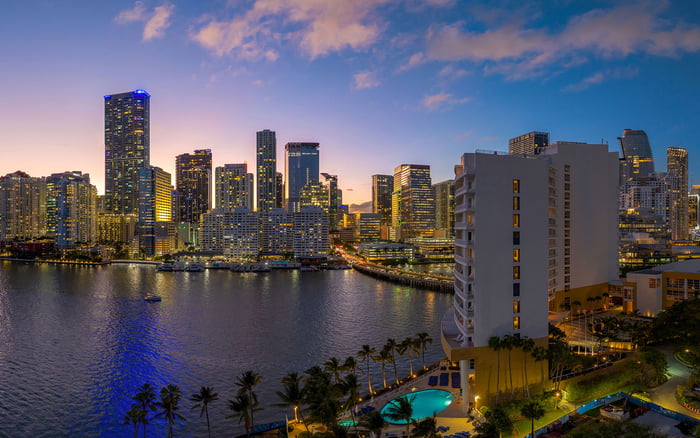
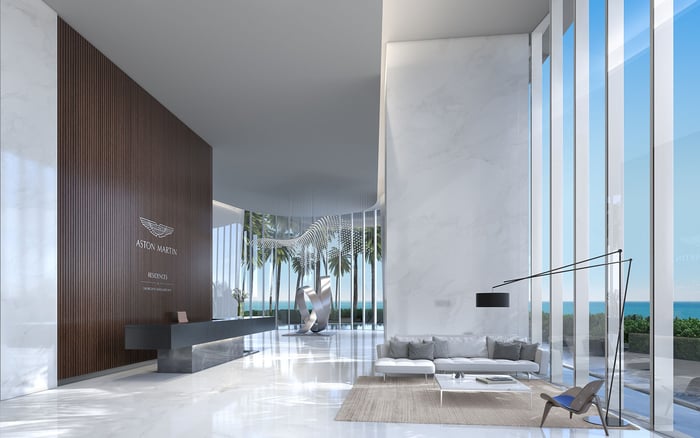
This suits buyers who want proximity to offices, culture, and a polished concierge cadence. The premium here is time: fewer car miles, tighter routines, and a building that operates with hotel-level consistency-without being one. If your profile favors lock-and-leave ease, the current wave of brand-forward new construction in Brickell can be compelling, including 2200 Brickell and Baccarat Residences Brickell, where lifestyle programming is treated as a core amenity, not an afterthought.
2) Oceanfront privacy and prestige (Miami Beach, Surfside, Bal Harbour).
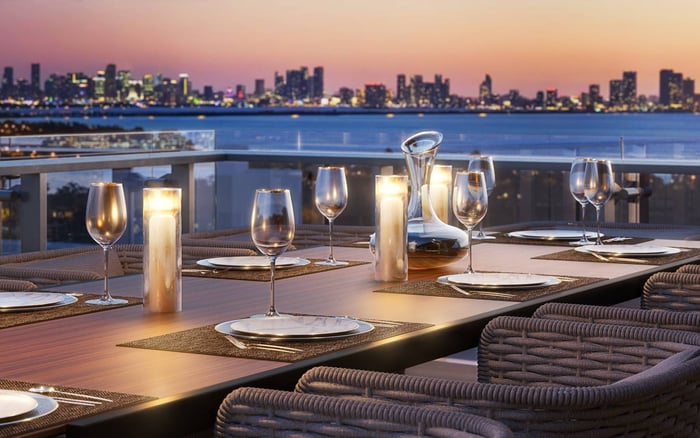
Buyers who prioritize direct sand and a quieter social register often land here. Supply is naturally constrained, and pricing tends to track unrepeatable attributes: protected views, meaningful setbacks, and a building culture built around discretion. For a boutique, design-forward approach, 57 Ocean Miami Beach is the type of project that draws purchasers who care about proportion, light, and a true sense of arrival.
3) North-of-the-core, water-centric living (Sunny Isles and the north beaches).
This corridor is often chosen for panoramic water exposure, larger-format residences, and a straightforward resort cadence. The best purchases start with view geometry and wind exposure, then move quickly into building management-especially rules around renovations and rentals.
4) Palm Beach County’s refined coastal city feel (West Palm Beach and beyond).
This is for buyers who want an urbane, walkable center with an increasingly sophisticated residential offering. If your calendar includes philanthropy, boating, and a measured social scene, newer towers can make the shift from seasonal to near full-time living feel seamless, including Alba West Palm Beach.
New construction is a product; resale is a property. That distinction matters.
Why buyers choose new construction.
You’re buying today’s building standards, new systems, and a lifestyle concept designed from day one. You may also secure the strongest selection of views, elevations, and layouts early in the sales cycle. The trade-off is contractual: deposits, timelines, and developer discretion demand a sharper, more exacting review.
Why buyers choose resale.
You’re buying what exists-now. Governance is already legible, operating costs are no longer theoretical, and the neighborhood reality is known. The trade-off is renovation, and in luxury buildings that can become a deliberate choreography of approvals, elevator reservations, work hours, sound rules, and vetted contractors.
In both cases, the best outcomes come from aligning the asset with intent. A second-home buyer often benefits from a turnkey, low-friction building culture. A long-term owner may accept renovation if the view corridor, privacy, and floor plan are genuinely irreplaceable.
In the ultra-premium segment, monthly costs aren’t merely “expenses”-they’re the operating budget of your lifestyle. Underwrite them early, not after you’ve committed to a view.
HOA structure.
Clarify what the association includes: staffing, valet, concierge, security, beach service, amenity programming, and building-wide maintenance. Evaluate how the board approaches capital planning, and whether reserve funding is treated as discipline or debate.
Insurance posture.
Coastal markets are sensitive to insurance terms and deductibles. A well-run building doesn’t just purchase coverage; it actively manages risk through maintenance, documentation, and vendor standards.
Reserves and assessments.
The best boards plan years ahead. The worst boards meet reality in a crisis. Due diligence should focus on reserve studies, recent major projects, and the pattern and cadence of assessments.
Luxury buyers can debate marble, millwork, and brand names. Over time, resale value in South Florida tends to track what can’t be renovated.
View corridor.
True, open water views with minimal future obstruction carry a durable premium. Study what sits in front of you-and what could be entitled later.
Exposure and wind.
The most photogenic terrace becomes underused if wind patterns make it inhospitable. Spend time on the balcony during the hours you’ll actually live there.
Privacy and arrival.
Elevator configuration, residences per floor, and guest circulation all shape daily comfort. Privacy may not show up as a line item, but it’s often the reason an owner never wants to leave.
Luxury transactions are sophisticated, and the risk is rarely in the headline price.
For new construction.
Review change-order language, substitution rights, completion timelines, and how “substantial completion” is defined. Confirm what’s truly included at delivery versus what is considered an upgrade. Understand the governance documents you’re agreeing to before you wire a deposit.
For resale condos.
Scrutinize financial statements, pending litigation, upcoming capital projects, and rules that shape your lifestyle: pets, renovations, leasing, and guest policies.
For single-family.
Coastal resilience, drainage, roof age, and generator readiness can materially affect comfort and ongoing cost. If water access is a driver, verify practical boating constraints such as bridges, depth, and dock condition.
Trends cycle; a few shifts have proven durable for luxury buyers.
Wellness as infrastructure.
Serious fitness, recovery, and quiet spaces often matter more than another show kitchen. Projects that treat wellness as daily utility rather than marketing tend to age better.
Work-from-anywhere layouts.
Den spaces, sound control, and flexible rooms hold value as living patterns evolve.
Service consistency.
The best amenity is staff that stays. Low turnover can signal a well-managed operation and a board that recognizes service as an asset.
A discreet way to narrow options is to begin with your primary use case.
Primary residence with urban access (Brickell).
Buyers seeking a polished commute and a vertical lifestyle often gravitate to buildings with strong governance and a clearly defined amenity concept. For a newer, residence-led offering, 2200 Brickell is frequently discussed in that context, while Baccarat Residences Brickell appeals to those who prioritize a more service-forward positioning.
Second home with beachfront calm (Miami Beach).
Look for boutique scale, real privacy, and quiet arrival. 57 Ocean Miami Beach is the type of address that can suit buyers who value design restraint and a beach-first rhythm.
Seasonal-to-full-time transition (West Palm Beach).
Many buyers want a residence that supports longer stays without turning life into logistics. Alba West Palm Beach aligns with a profile that values a clean, modern residential experience paired with city convenience.
Luxury purchases reward a process that feels almost understated.
Waterfront type, privacy level, and daily routine.
View corridor, exposure, floor plan bones, and arrival.
Governance, reserves, capital plan, insurance posture.
HOA plus insurance plus taxes, with room for volatility.
Deposits, contingencies, and delivery terms.
Leasing, pets, renovations, and guest policies.
What matters more in South Florida: the unit or the building? The building often matters more, because governance, reserves, and operations shape daily life and long-term costs.
Is new construction always the safer choice? Not always; it can reduce system-age risk while increasing contract and timeline risk.
How should I evaluate HOA fees in a luxury tower? Compare what’s included, then evaluate reserve strength and capital planning-not just the monthly number.
Do ocean views always outperform bay views? Not universally; open-view certainty, privacy, and usability can matter more than whether the water is ocean or bay.
What should I ask about reserves and assessments? Ask what projects are planned, what is funded, and how the board has historically addressed capital needs.
Are brand-name residences automatically better? A brand can signal service intent, but results depend on management, staffing, and the governance documents.
How important is wind exposure for terraces? Very; a terrace that’s too windy or too hot becomes decorative, which can affect enjoyment and resale.
Can I assume a luxury building allows rentals? No; rental rules vary widely, so confirm lease minimums, approvals, and any restrictions before you buy.
What is the biggest mistake second-home buyers make? Falling for finishes and overlooking building rules, staff quality, and the friction of day-to-day logistics.
When should I engage specialists like attorneys and inspectors? Early-ideally before contract or within the shortest feasible diligence window-to protect leverage.
For a confidential assessment and a building-by-building shortlist, connect with MILLION Luxury.
If branded residences are on your mind — as a home or as an allocation — we would be glad to share what we are seeing, privately.
Begin a quiet conversation