A discreet, buyer-oriented editorial for South Florida’s ultra-premium residential market, focusing on decision criteria, neighborhood fit, and new-construction nuance.
South Florida’s luxury real estate market is no longer a single story about views and vertical living. For today’s ultra-premium buyer, the best opportunities are defined as much by governance, privacy, and daily convenience as by square footage. A residence must perform across multiple lives: primary, seasonal, and investment-adjacent use cases that may evolve with family needs, travel patterns, or tax planning.
Across Miami-beach, Brickell, and West-palm-beach, the question that separates a trophy purchase from a smart one is not “How spectacular is the unit?” but “How predictable is the experience?” Predictability is built into the building’s rules, the caliber of its services, the strength of its reserves, and the clarity of its long-term maintenance plan. The best homes feel effortless-and that effortlessness is designed, funded, and enforced.
Just as importantly, South Florida luxury now has a more precise geography. Micro-neighborhoods matter: a quieter block line, a better-protected waterfront, a more functional commute, or a more discreet arrival can change the feel of a property more than any new finish package.
Luxury in South Florida is best understood as three distinct rhythms, each with its own tradeoffs.
Brickell
offers the most turnkey urban cadence: dining, private clubs, and a bias toward full-service living. For buyers who want to land and live immediately, newer buildings often deliver smoother operations and modern back-of-house layouts that support service standards. If your priority is a refined, residential take on Brickell, 2200 Brickell reflects the boutique positioning many buyers prefer when they want the neighborhood without the feeling of constant spectacle.
Miami-beach
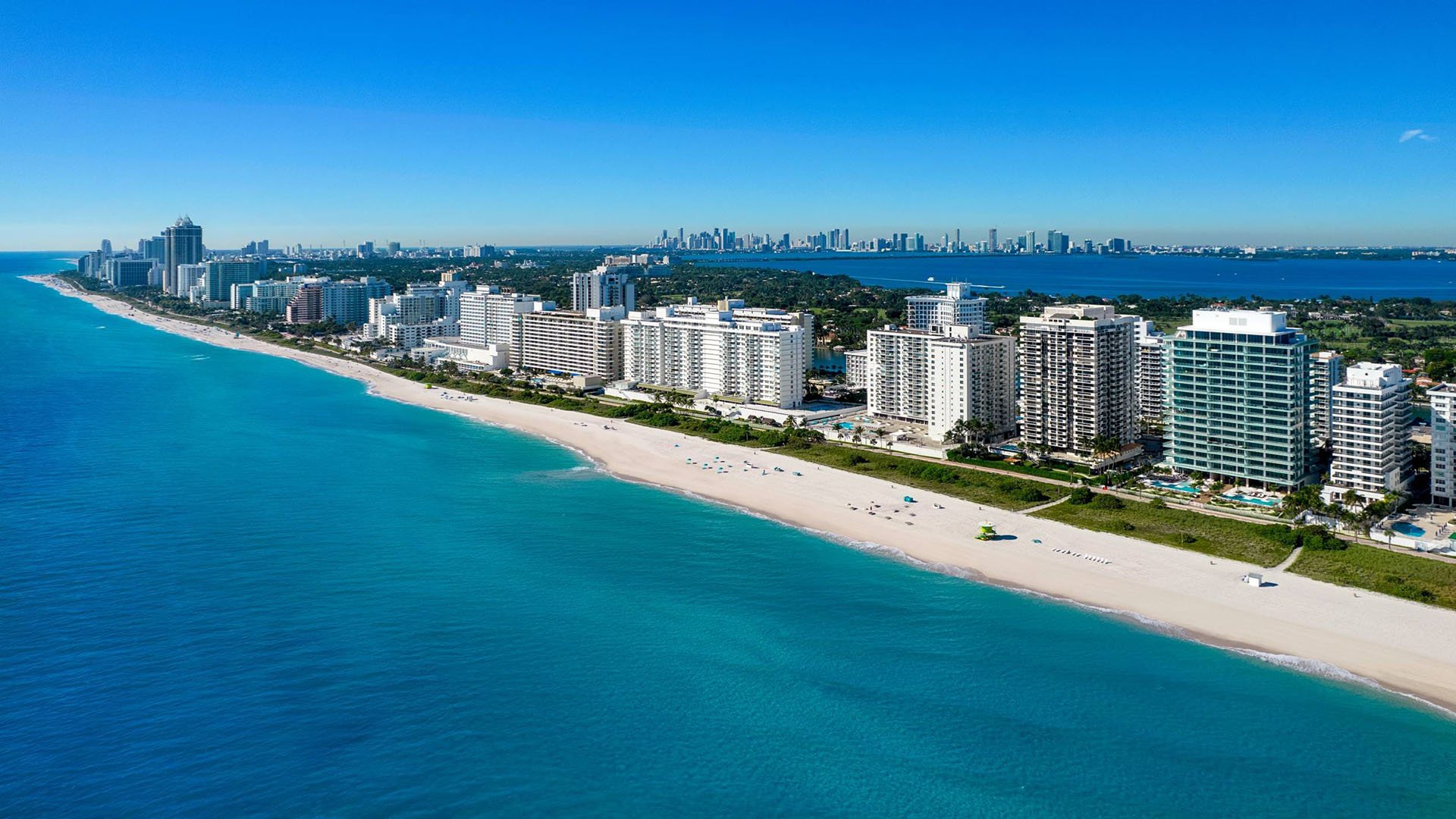
is the emotional purchase: the ocean, the architecture, the cultural calendar, and the romance of walking into a world that feels curated. The premium is earned when the building protects privacy, controls traffic, and sustains resort-level maintenance without becoming transient. For a more contemporary oceanfront lens, buyers often gravitate toward buildings like 57 Ocean Miami Beach, where the appeal is less about novelty and more about long-term livability.
West-palm-beach
has matured into a sophisticated alternative for buyers seeking a quieter, more residential-feeling luxury with strong access to the broader Palm Beach ecosystem. The strongest fit here is often about walkability and day-to-day elegance rather than pure vertical theatrics. For those who want new-construction polish in a city-forward location, Alba West Palm Beach is the type of project buyers consider when they want a modern lifestyle with a calmer tempo.
At ultra-premium price points, new-construction is not automatically “better.” It is simply different-and those differences are consequential.
New-construction advantages
typically concentrate in infrastructure and operations: newer mechanical systems, modern glazing, updated life-safety standards, and layouts that support contemporary living. You also often get a cleaner design language across amenities and common areas, which can help preserve value as tastes shift.
Resale advantages
can be quieter but just as decisive: a known building culture, established reserves, and a real-world track record of how management responds when issues arise. In mature luxury buildings, you can also secure the best orientation and the best floor plan-options that may not exist in remaining new inventory.
For many buyers, the winning strategy is neither purely new nor purely resale. It is to prioritize buildings with strong governance, then select the unit that matches your lifestyle with the least compromise.
Luxury buyers rarely regret paying for quality. They do regret paying for uncertainty. Before you commit to a view, confirm the fundamentals.
Start with rules and usage.
If you anticipate hosting guests, extended family, or corporate visitors, clarify guest policies and rental restrictions. If the property is intended for long-term stability, a stricter posture can be a feature-not a limitation.
Evaluate the arrival sequence.
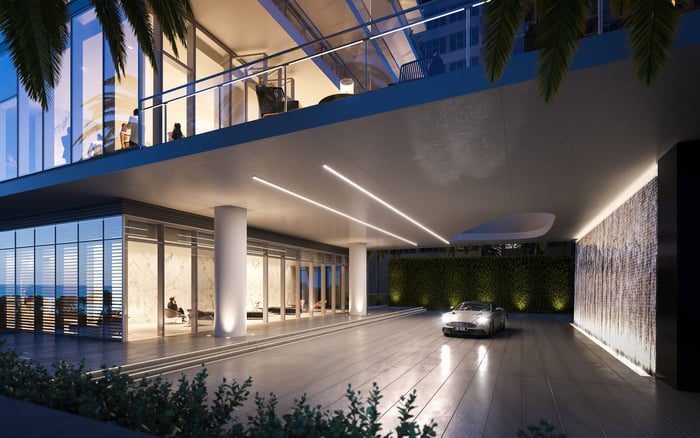
A discreet porte-cochère, controlled access, and a well-run valet program are not conveniences; they are daily proof points of how a building is managed.
Interrogate the building’s “quiet systems.”
Backup power strategy, elevator redundancy, water mitigation protocols, and maintenance scheduling are the invisible details that determine whether a building stays effortless over time.
Confirm the service model.
Full-service is not a label; it is staffing, training, and culture. Ask how packages are handled, how after-hours requests work, and what the building does when something fails.
South Florida luxury is often purchased as a lifestyle vertical: oceanfront serenity, bayfront boating access, or a private corridor that reduces friction.
Oceanfront
tends to reward buyers who value ritual: sunrise, sand, and a predictable sensory experience. The tradeoff is the need for sophisticated maintenance and a building that treats salt air as a design constraint, not an afterthought. In Hallandale, 2000 Ocean Hallandale Beach reflects the oceanfront positioning many buyers pursue when they want a strong residential feel paired with resort-adjacent convenience.
Bayfront
can feel more intimate and more protected, often delivering skyline views and calmer water conditions. The right bayfront home can read like a private club-but only if governance and waterfront stewardship are disciplined.
The private corridor effect
is the idea that the best luxury is the one that removes decisions: easy airport access, proximity to dining without the noise, and a building that functions as an extension of your personal staff. This is why some buyers will choose a slightly smaller residence in a better-run building and be happier for years.
Branding in residential real estate matters when it translates into real quality control: materials, detailing, and a service culture aligned with a luxury standard. It matters far less when it is only marketing.
Use a simple test: does the building’s brand promise show up in the lobby experience, the amenity durability, and day-to-day operations? If yes, it can support resale performance and owner satisfaction. If not, the premium may not hold.
In Brickell, for example, buyers who want a more fashion-forward statement often compare options like 888 Brickell by Dolce & Gabbana with more understated boutique alternatives. The right answer is not universal; it depends on whether you want your home to be a signature or a sanctuary.
In the upper tier, negotiation is rarely about “winning” and more about aligning terms with risk. Price is one lever. Timing, deposit structure, inspection rights, and furnishing inclusions can matter just as much.
If you are buying new-construction, prioritize clarity: what is delivered, what is optional, and what timelines are realistic. If you are buying resale, prioritize certainty: building financials, upcoming projects, and whether the unit carries any hidden complexity.
Above all, protect optionality. The best luxury purchases are the ones you can live in joyfully-and also exit cleanly if life changes.
What matters most in a South Florida luxury condo purchase? Building governance, service quality, and long-term maintenance discipline.
Is Brickell better for full-time living than Miami-beach? Brickell is typically more urban and convenient; Miami-beach is more lifestyle-driven.
How do I compare new-construction to resale objectively? Compare operating predictability, reserves, rules, and the livability of the floor plan.
Do branded residences always command a premium at resale? Only when the brand is backed by durable execution and consistently high service.
What should I ask about rental policies? Ask about minimum terms, approval processes, and how strictly rules are enforced.
Are oceanfront buildings riskier to maintain? Salt exposure can increase upkeep, so strong maintenance planning is essential.
How important is valet and arrival design? It is a daily quality-of-life factor and often reflects operational competence.
What is the smartest way to tour luxury buildings? Tour at different times of day to understand noise, traffic flow, and staffing.
How many residences should I shortlist before offering? Usually three to five strong fits, so you can move decisively without overcommitting.
What is the biggest mistake luxury buyers make? Falling for the view while overlooking rules, reserves, and service realities.
For a discreet conversation and a curated building-by-building shortlist, connect with MILLION Luxury.
If branded residences are on your mind — as a home or as an allocation — we would be glad to share what we are seeing, privately.
Begin a quiet conversation