A buyer-oriented editorial on how ultra-premium purchasers in South Florida are underwriting lifestyle, longevity, and liquidity across Miami, Miami Beach, and the Palm Beaches, with a practical framework for choosing the right address and building.
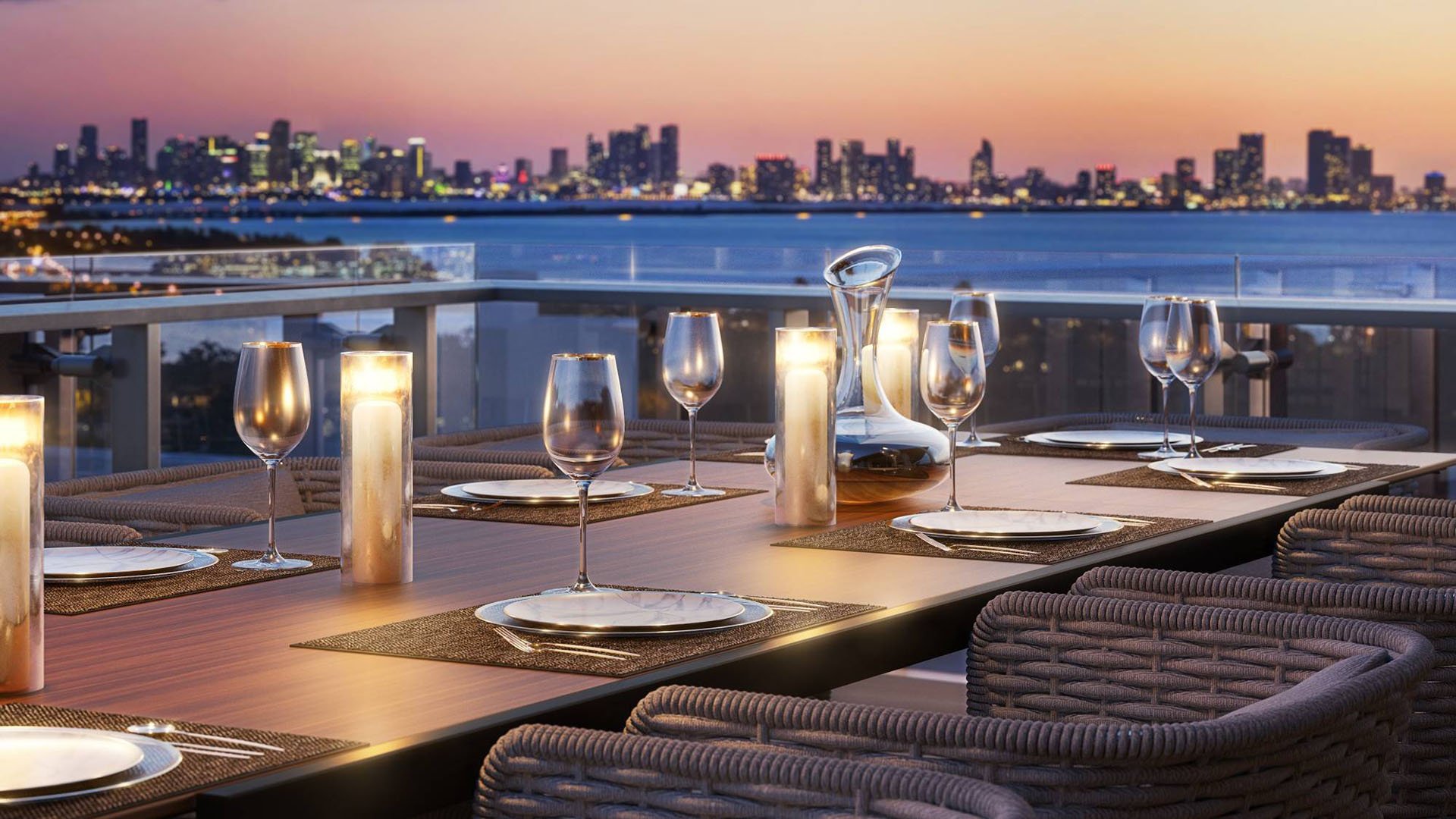
South Florida has entered an era where “luxury” is less about square footage and more about frictionless living. Discerning buyers now weigh privacy, service, and daily convenience with the same rigor once reserved for finishes and views. Practically, that means judging how a building performs both as a long-term asset and as a personal ecosystem: arrivals, security, wellness, acoustics, storage, guest flow, and the ease of stepping into your preferred routine.
The strongest purchases tend to follow the same logic. The neighborhood does the heavy lifting, not just the building. The view is protected-or at least defensible. The amenity program supports the owner’s real life, not a brochure fantasy. And the ownership terms match the intended use, whether that’s seasonal living, full-time residence, or a lock-and-leave second home.
At the ultra-premium level, buyers rarely regret paying for the right address. They do regret compromising on the daily pattern that makes a home feel inevitable.
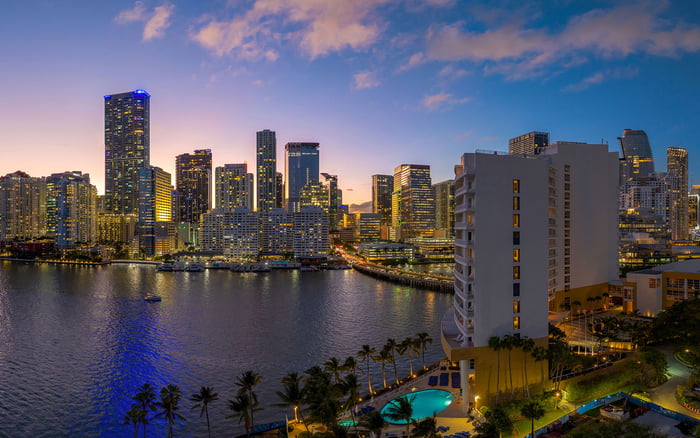
In Brickell, the appeal is immediacy: dining, offices, waterfront promenades, and a growing collection of design-forward towers. The smartest approach is to decide whether you want true urban immersion or a slightly quieter edge that still keeps you close to the action. For buyers who prioritize modern planning and a more intimate scale, 2200 Brickell is often part of the conversation for its residential focus relative to the district’s most kinetic corridors.
In Miami Beach, the choice is usually about tempo and privacy. Some purchasers want the energy of a globally recognized shoreline; others want the calm confidence of a more residential stretch. If your ideal day begins and ends with the ocean, a boutique oceanfront format can feel more personal than a mega-tower. 57 Ocean Miami Beach fits naturally into that discussion as a point of reference for buyers seeking a refined beachfront posture.
Farther north, West-palm-beach has become a sophisticated option for buyers who want a slightly different cadence: cultural programming, Palm Beach adjacency, and a more curated downtown experience. When the goal is balancing water views with an owner-friendly amenity suite, Alba West Palm Beach is a useful benchmark for contemporary waterfront living in that market.
New construction tends to win on systems, amenities, and the ease of a fresh start. Floor-to-ceiling glazing, newer mechanicals, modern parking layouts, and today’s wellness expectations are typically built in from day one. For many buyers, the most compelling advantage is predictability: a clearer roadmap for operations, design, and service.
Resale, by contrast, can win on irreplaceable attributes: a perfected view corridor, a truly rare layout, or a location that has become difficult to replicate due to zoning and scarcity. The resale buyer’s advantage is selectivity. The best acquisitions in this category often require more patience and sharper due diligence, but they can deliver the unmistakable feeling of “they’re not making this anymore”-something new projects cannot always match.
The right choice comes down to priorities. If you’re sensitive to building performance, acoustic separation, and amenity completeness, new construction can simplify the decision. If you’re hunting for singularity and long-term defensibility, resale can be the more emotionally satisfying asset.
Luxury is a service experience as much as it is an object. Before you commit, evaluate the building the way you would underwrite a private club.
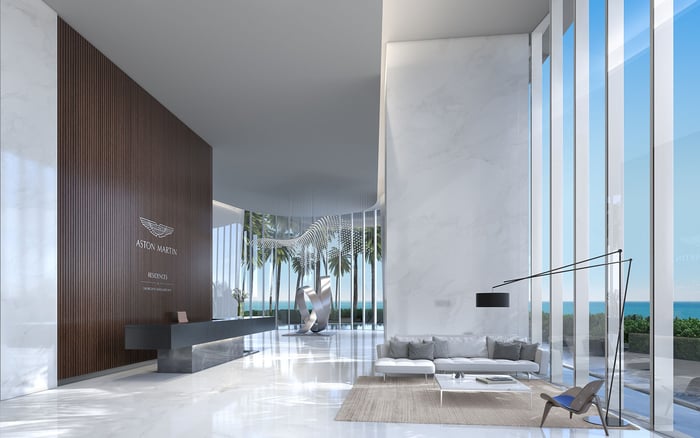
Start with arrivals. A discreet porte-cochère, controlled access, and a lobby sequence that reads calm rather than chaotic all matter-every day. Next, look closely at vertical transportation. Elevator counts, private vestibules, and the ability to move guests and service without friction are not details; they’re quality-of-life essentials.
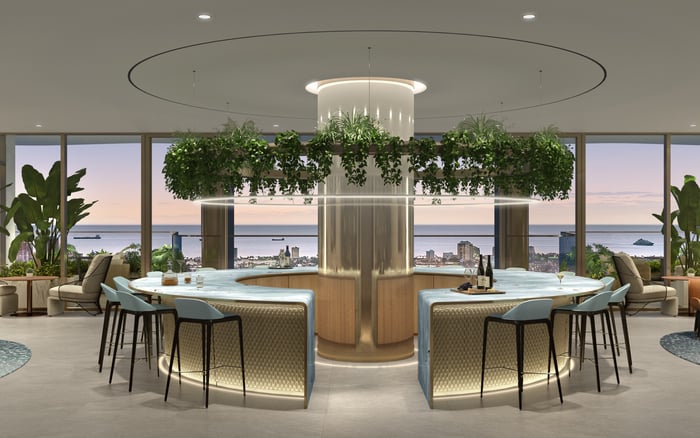
Then pressure-test wellness credibility. “Wellness” should mean more than a small gym. Look for thoughtful training spaces, recovery elements, and policies that support quiet enjoyment. Pool design, shade strategy, and wind conditions matter more than a rendering.
Finally, treat governance and operating structure as a luxury feature. House rules, leasing flexibility, staffing levels, and reserve culture directly shape your experience-and your eventual resale narrative. This is where a beautiful unit can underperform if the building’s operations aren’t aligned with the caliber of ownership.
A notable shift in South Florida is the growing appetite for residences that behave like design objects. Buyers increasingly value architecture, interior authorship, and branded hospitality DNA because these elements can translate into a stronger identity and, often, more durable positioning.
In Brickell, that collectible sensibility is especially visible in the next wave of branded vertical living. For buyers drawn to fashion-coded finishes and a more theatrical approach to arrival and amenity design, 888 Brickell by Dolce & Gabbana is the kind of project that enters conversations not only as housing, but as a statement.
Branding still deserves practical scrutiny. The questions are straightforward: Does the brand raise service standards? Does it create enduring desirability? And does it align with your taste, rather than simply broadcasting it?
South Florida’s most durable luxury purchases tend to share four traits.
First, they’re anchored by a location that remains convenient and desirable even as the city evolves. Second, they offer some form of protected-or inherently scarce-view: true oceanfront, prime bay exposure, or a skyline composition that feels intentional. Third, they deliver a floor plan that’s livable, not just dramatic, with sensible storage, bedroom separation, and a kitchen that supports real use. Fourth, they sit within a building defined by strong operational discipline.
If you’re planning to hold for a decade or longer, focus on what cannot be upgraded later. You can renovate finishes. You cannot renovate a compromised view, a loud traffic condition, or a building culture that doesn’t suit you.
When clients try to compare neighborhoods, they often get stuck on surface differences: a more glamorous lobby here, a bigger pool there. A more effective approach is to reduce the decision to three categories.
First, “daily life”: commute friction, walkability, access to water, and your preferred dining and fitness routine. Second, “privacy and composure”: how quiet the building feels at peak hours, how controlled the lobby is, and whether you can come and go without performance. Third, “exit options”: how easy it will be to sell or hold, influenced by building reputation, buyer-pool depth, and the clarity of the asset’s identity.
This is where a thoughtfully built short list becomes powerful. A Brickell tower with a strong residential sensibility, an oceanfront Miami Beach building with a more boutique rhythm, and a waterfront West Palm Beach option can each be “right” for different owners. The sophistication is in matching the asset to your life, not to a headline.
What is the first decision to make when buying luxury property in South Florida? Choose the neighborhood that matches your daily lifestyle, then evaluate buildings within it.
Is new construction always better than resale at the high end? No. New construction can offer modern systems and amenities, while resale can offer rarer views.
How important are building operations and rules? Extremely important; they influence day-to-day privacy, service quality, and long-term resale appeal.
What should I look for in a luxury amenity program? Prioritize wellness spaces you will use, calm pool areas, and thoughtful arrival and security design.
Do branded residences hold value better? They can, if the brand elevates service and design in a way that feels timeless and widely desirable.
How do I compare Brickell and Miami Beach for a primary residence? Brickell leans urban and convenient; Miami Beach can offer a more resort-like oceanfront lifestyle.
What makes a view “defensible”? A view is defensible when future development is unlikely to block it, or when the position is scarce.
What floor plan traits matter most for long-term livability? Bedroom separation, storage, sensible kitchens, and circulation that supports both hosting and privacy.
How should I think about HOA and ownership terms? Align leasing and use rules with your intended lifestyle, and confirm the building’s operating discipline.
When should I involve an expert in the search process? As soon as you begin narrowing neighborhoods, so you can structure due diligence and comparisons.
For a tailored shortlist and next-step guidance, connect with MILLION Luxury.
If branded residences are on your mind — as a home or as an allocation — we would be glad to share what we are seeing, privately.
Begin a quiet conversation