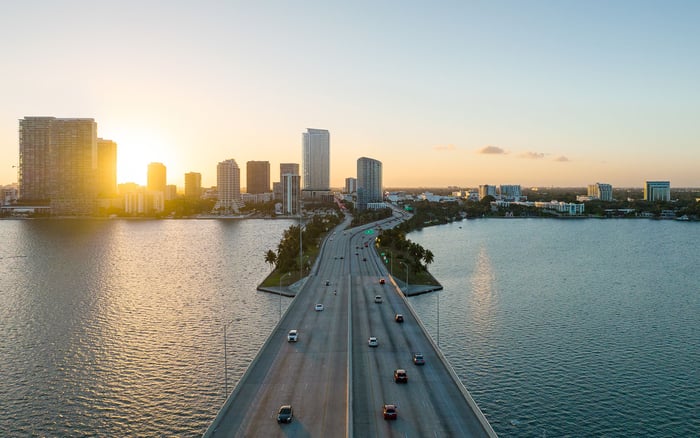
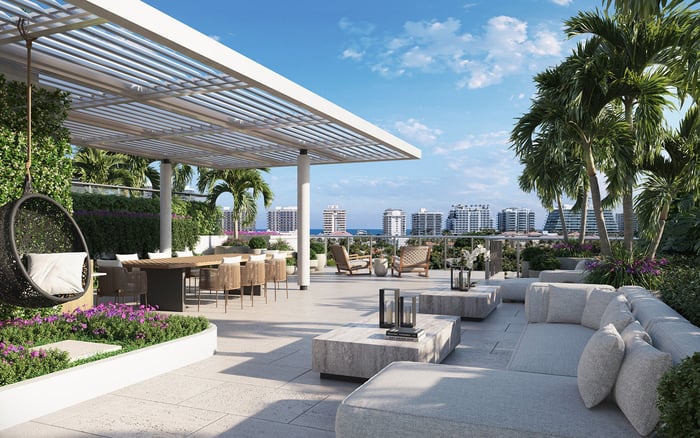
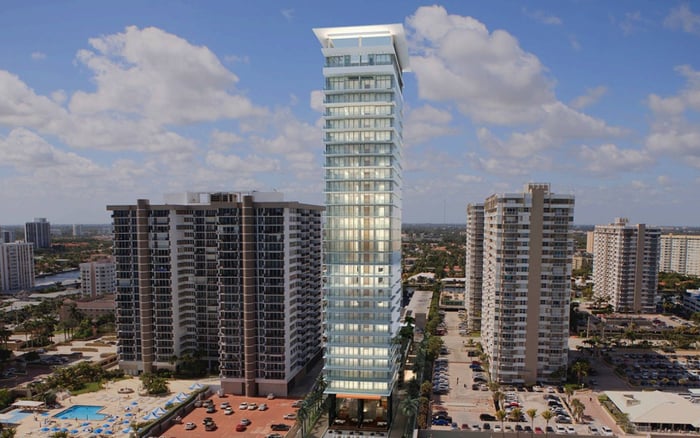
A buyer-oriented MILLION Luxury editorial built for South Florida’s ultra-premium market, focusing on what can be stated without external research and weaving in select approved new-development links.
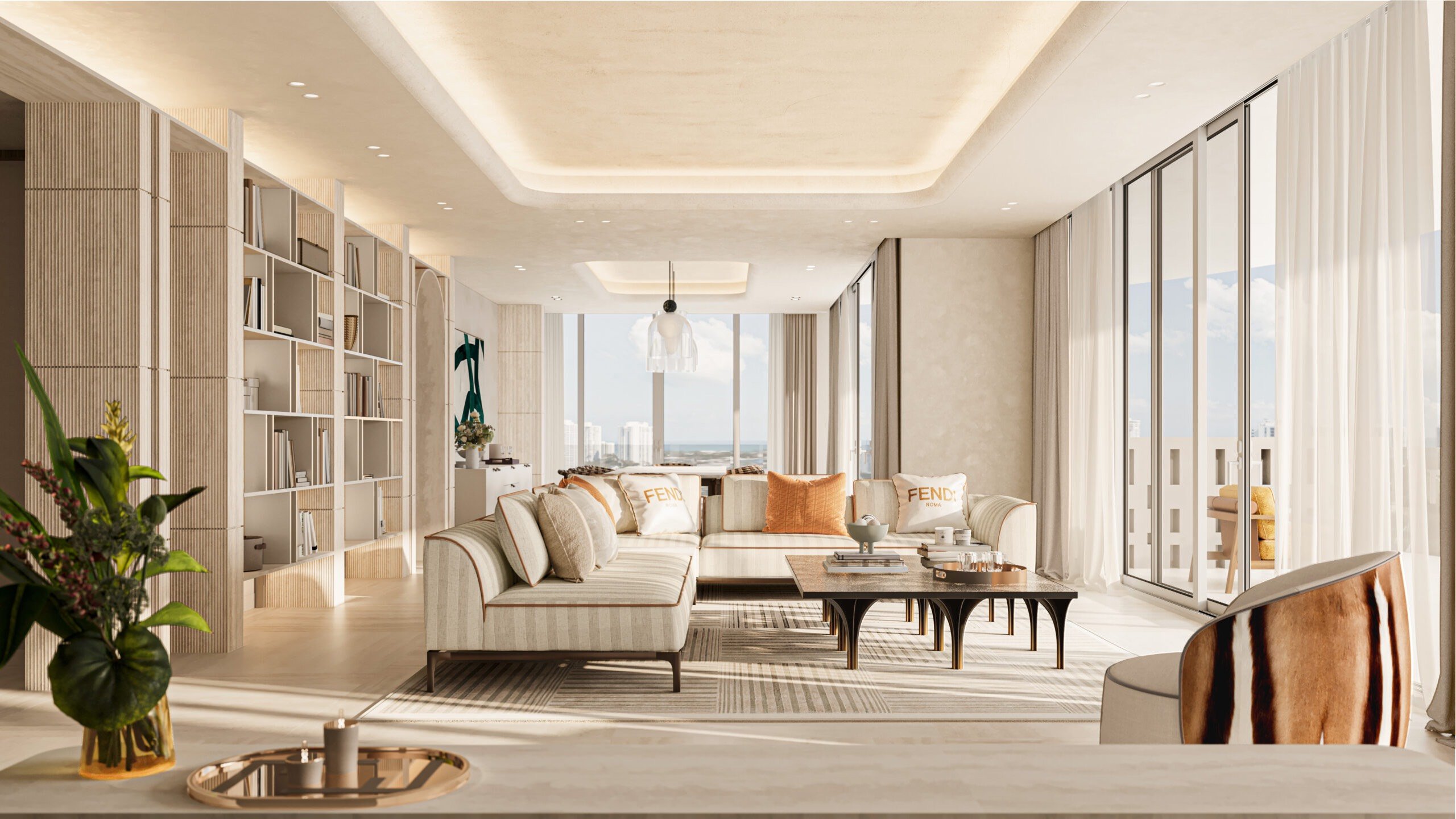
South Florida remains one of the rare U.S. luxury markets where a residence can serve as a true daily base, a seasonal escape, and an international calling card. For today’s ultra-premium buyer, the conversation has moved well beyond sheer square footage. The decision is increasingly about privacy, service, wellness, and how a building or neighborhood performs when your schedule shifts, when family needs evolve, and when it’s time to sell.
MILLION Luxury sees the most durable purchases aligning three realities: how you actually live, how the property is operated, and how effortlessly the asset can be repositioned later. In a region spanning Miami Beach to Brickell, Coconut Grove to Sunny Isles, and north to Palm Beach, the strongest acquisitions start with a clear hierarchy of priorities.
This same framework can be useful when comparing turnkey considerations at Avenia Aventura against 888 Brickell by Dolce & Gabbana.
South Florida is not one luxury market. It is a collection of micro-markets, each with its own buyer psychology.
Miami Beach
tends to reward walkability, proximity to culture, and an uncompromising relationship with the ocean. In this context, design pedigree and resident experience are often the differentiators-not just finishes. For buyers who want an ocean-forward address with a modern profile, 57 Ocean Miami Beach signals intent: low-density, design-conscious, and positioned for those who treat the coastline as a daily amenity.
Brickell
is about immediacy: business access, skyline views, and turnkey living supported by hospitality-level operations. It appeals to global buyers who want a high-functioning base that can handle long dinners, early flights, and weeks that change shape without warning. Within that ecosystem, branded and design-led towers have become shorthand for consistency, which is why residences like 888 Brickell by Dolce & Gabbana remain a magnet for buyers who value a curated environment as much as the view.
Sunny Isles
typically attracts those who prioritize direct beachfront living, dramatic water sightlines, and a sense of vertical resort. It is a market where floor height, elevator privacy, and waterfront orientation can matter as much as interior design.
Hallandale and North of Miami
have matured into compelling options for buyers who want proximity to Miami’s core while seeking newer coastal inventory and a slightly different cadence. 2000 Ocean Hallandale Beach fits that profile for buyers who want a boutique feel paired with serious ocean presence.
Palm Beach and West Palm Beach
often play by their own rules, shaped by heritage, club culture, and a long-standing preference for discreet prestige. The most coveted choices tend to emphasize enduring architecture, privacy, and a true sense of arrival.
In ultra-luxury, price alone is not the qualifier. Trophy inventory typically shares a small set of non-negotiables:
Not every water view is equal. Buyers should consider what can realistically be built in front of them-and how future development could change the daily experience.
A true luxury building controls the resident journey from curb to elevator to door. Separate lobbies, controlled access, and elevator strategies matter.
The difference between a beautiful tower and a truly luxury residence is often building management, staffing, and the reliability of service.
Serious fitness, recovery, and spa programs are no longer optional in the premium tier, but they must be designed for real use-not just marketing.
Grand rooms, logical back-of-house space, generous storage, and comfortable bedroom separation are the quiet luxuries that sustain satisfaction.
In Brickell, the conversation often centers on how a tower supports a fast-moving lifestyle without friction. A residential-forward approach, rather than a transient one, is frequently what separates long-term desirability. That is why buyers also track newer, more neighborhood-scaled options such as 2200 Brickell when they want Brickell access with a more intimate feel.
Branded residences have evolved from a novelty into a category buyers underwrite with real rigor. The brand itself is not the value; the value is the operational standard it can impose, the aesthetic discipline it can maintain, and the global signaling it can provide.
That said, sophisticated buyers separate three distinct ideas:
(the building’s aesthetic coherence and longevity).
(service training, staffing philosophy, and resident experience).
(how the condominium is managed and how rules protect owners).
A name can elevate a property’s initial visibility, but durability still comes back to fundamentals: low density, privacy, view protection, and a board culture that understands luxury.
A simple question clarifies the choice: do you want your best moments to happen at home, or outside of it?
tends to center the residence itself. The ocean becomes a daily ritual, and the building’s amenities often substitute for the city’s.
often treats the residence as a refined basecamp. Location, access, and frictionless departures and arrivals become the luxury.
For coastal buyers seeking a boutique, ocean-adjacent lifestyle with a modern lens, 57 Ocean Miami Beach can represent the “home-first” thesis. For urban buyers, Brickell’s best offerings satisfy a different equation: speed, service, and a skyline that reads like a private backdrop.
At the top of the market, a contract is not only a purchase. It is an agreement with a building’s future.
Ask how the property is maintained.
Luxury buyers should look for a clear culture of preventive maintenance, transparent capital planning, and an operational mindset that protects long-term value.
Understand your exposure to rules.
Short-term rental posture, guest policies, renovation constraints, and pet rules can materially shape the lived experience. Even if you never plan to rent, these policies still affect the building’s resident mix and resale audience.
Consider insurability and building stewardship.
A well-run property communicates discipline through documentation, reserves, and responsible governance.
Check the quiet details.
Loading and service access, delivery management, staff circulation, and acoustic performance are often the difference between “impressive” and “effortless.”
Buyers often assume new development is the default for luxury. In reality, each path offers a different kind of leverage.
New development
can deliver the cleanest lifestyle: fresh systems, contemporary wellness programming, and design coherence. It also provides a forward narrative, which can support the resale story later. The trade-off is timing, decision fatigue during selections, and the need to underwrite what is promised rather than what is delivered.
Resale
can offer immediacy and proven operations. You can observe how the building actually runs, how residents treat common areas, and what the day-to-day feels like. The trade-off is that the very best resales tend to be tightly held, and the “perfect” unit may not come to market when you’re ready.
For buyers exploring the coastal boutique tier north of Miami, projects like 2000 Ocean Hallandale Beach can be a strategic middle ground: contemporary positioning with a more intimate scale.
In a market this nuanced, clarity beats speed. Before you commit, pressure-test the decision with a simple hierarchy:
view type, privacy, waterfront access, and lifestyle rhythm.
staffing, rules, maintenance culture, and governance.
flow, storage, bedroom separation, and outdoor usability.
who will buy this from you, and why.
If you’re torn between two neighborhoods, remember that luxury is often a choice between two versions of convenience: the convenience of place (walkable, central, connected) versus the convenience of experience (quiet, private, restorative).
What’s the single most important factor in a South Florida luxury purchase? Choose the submarket that matches your daily rhythm; everything else is refinement.
Is Brickell better as a primary residence or a second home? It can function as either, but it shines as a high-functioning primary base with service.
Do branded residences always hold value better? Not automatically; operations, privacy, and governance matter more than the name.
What should I prioritize in an oceanfront condo? View protection, sound control, elevator privacy, and a building that feels low-friction.
How do I evaluate a building’s management quality? Look for disciplined maintenance, clear rules, and common areas that feel consistently kept.
Is new development safer than resale? New construction can reduce near-term repairs, but you must underwrite delivery and operations.
How important is amenity programming at the luxury level? Very, but only if it’s designed for real daily use rather than occasional spectacle.
Should I worry about rental policies if I never plan to rent? Yes; policies influence resident mix, wear-and-tear, and your eventual resale audience.
What makes a condo feel truly private? Controlled arrival, low density, smart elevator strategy, and thoughtful floor planning.
When should I start the search process for an ultra-luxury purchase? Begin early enough to compare micro-markets and buildings, not just individual units.
If you'd like a private walkthrough and a curated shortlist, connect with MILLION Luxury.
If branded residences are on your mind — as a home or as an allocation — we would be glad to share what we are seeing, privately.
Begin a quiet conversation