A buyer-focused look at Mr. C Residences West Palm Beach and the ventilation, filtration, backup-power and unit-level refuge questions luxury buyers should ask before assuming safe-room-style performance.
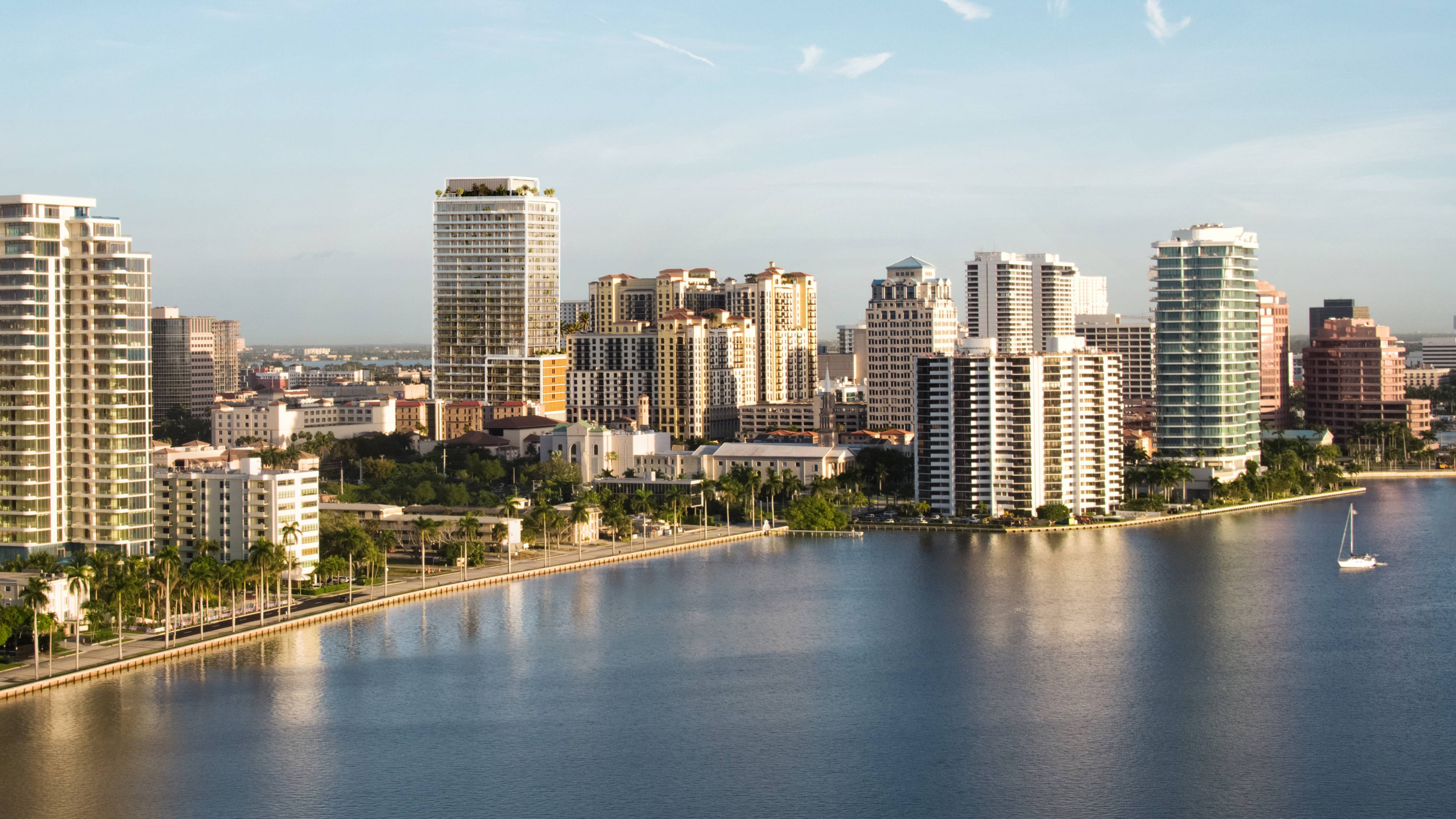
Mr. C Residences West Palm Beach enters the market as a luxury condominium associated with the Mr. C branded-residence concept. Its appeal is clear: buyers are considering a polished residential environment shaped by service, lifestyle and amenity expectations rather than a conventional condominium proposition.
Yet the 2026 luxury buyer is asking a more technical question. In South Florida, comfort is no longer measured only by view corridors, finishes, privacy and service. It is also measured by how a building performs when the outside environment becomes difficult. Hurricanes, smoke events and airborne-health concerns have moved indoor-air quality and shelter-in-place readiness from the margins of the conversation to the center of long-term ownership planning.
That does not mean Mr. C Residences West Palm Beach should be treated as a certified safe-room product. The project narrative centers on luxury living, hospitality branding, services and amenities, not explicit safe-room claims. The sharper buyer question is whether the tower’s ventilation, filtration and backup-power design can support a controlled refuge during an extended shelter-in-place period.
The first rule is restraint. A branded residence can be beautifully serviced and still require detailed mechanical due diligence. A condominium can feel private, elevated and calm without automatically delivering safe-room-grade performance.
The available project information does not establish that Mr. C Residences West Palm Beach includes a dedicated certified safe room or a certified safe-room ventilation system. That distinction matters. A safe-room-style refuge depends on more than a strong door, an interior room or a well-finished residence. It depends on airflow, filtration, power continuity, pressure relationships, fresh-air strategy and the ability to isolate or manage contaminants during specific events.
In West Palm Beach and Palm Beach, new-construction and pre-construction buyers are bringing a more technical checklist to the sales gallery. Mr. C Residences West Palm Beach is therefore best evaluated through two lenses at once: the hospitality promise and the resilience promise that must be verified document by document.
For a 2026 buyer, the first practical test is direct: what keeps air moving when normal conditions fail? Emergency power should be evaluated in relation to the systems that matter during shelter-in-place conditions, including ventilation serving residences, corridors, elevators, amenity areas and any designated refuge spaces.
A generator can be meaningful without covering everything a buyer assumes it covers. The important question is not whether backup power exists in a general sense. The important question is which loads are supported, how long they are intended to operate and whether the systems serving occupied residential areas remain useful when residents are staying inside for an extended period.
Buyers should ask for generator-load summaries and a clear explanation of what remains operational in an emergency. Elevators, corridor ventilation, pressurization, common-area systems and residential HVAC may be treated differently. If the goal is to identify a credible refuge strategy within the unit, the distinction between life-safety power and comfort-oriented mechanical continuity becomes essential.
The second test is filtration. Buyers should request specifications for both central systems and in-unit HVAC equipment. That means the filter type, the intended rating and whether the equipment can accept upgraded filters without compromising airflow or violating the system’s design limits.
A high-efficiency filter is not automatically better if the fan and ductwork cannot support it. Over-restricting airflow can reduce performance, strain equipment and create comfort problems. The most useful answer is therefore not a sales phrase about clean air. It is a coordinated mechanical explanation showing what the system was designed to handle.
Central filtration and in-unit filtration should also be treated as separate subjects. Central systems may affect corridors, amenity spaces or shared areas, while in-unit equipment determines what a resident can control inside the private residence. The buyer’s goal is to understand where control begins and ends.
The third test concerns outdoor-air intake. During ordinary conditions, fresh air is a benefit. During smoke, chemical or airborne-contaminant events, outdoor air can become a liability if it cannot be reduced, shut or isolated in a controlled way.
Buyers should ask whether outdoor-air intakes serving residences or common areas can be adjusted during such events. They should also ask who has authority to make those adjustments, whether the protocol is manual or automated and whether residents receive guidance during an emergency.
This is where brochure language often becomes insufficient. Mechanical-system details such as fresh-air delivery, filter ratings, generator coverage and pressure relationships are not always visible in buyer-facing materials. Serious buyers should request mechanical drawings, HVAC schedules, generator-load summaries and condominium association rules before treating any residence as a safe-room-style refuge.
The most practical approach is to identify an interior room that can be more easily sealed, filtered and supported by portable or dedicated air-cleaning equipment. This is not the same as claiming the room is a certified safe room. It is a realistic resilience strategy for buyers who want a more controlled space within the residence during short-term or extended shelter-in-place conditions.
The ideal room is not selected for drama. It is selected for control. Fewer exterior openings, manageable volume, access to power and compatibility with portable filtration equipment are more important than size or view. Buyers should also confirm whether association rules allow supplemental equipment, window or door sealing measures, replacement filters and any modifications that could affect mechanical performance.
A luxury residence is strongest when design and operations align. The safe-room conversation is therefore not anti-luxury. It is the next layer of luxury, where the private residence is evaluated as both sanctuary and system.
West Palm Beach makes this discussion particularly relevant. Long-term ownership in the area brings the advantages of coastal South Florida living, but also the obligation to think carefully about hurricane resilience and indoor-air planning. For ultra-premium buyers, the question is no longer whether a building is beautiful on a clear day. It is whether the residence remains calm, usable and intelligently supported when conditions outside are less predictable.
That is the buyer test for Mr. C Residences West Palm Beach in 2026. The project may be made more resilient at the unit level, but safe-room-grade performance should be verified rather than assumed. The most sophisticated buyer will treat ventilation, filtration and backup power as part of the same decision matrix as service, privacy and amenity quality.
Does Mr. C Residences West Palm Beach claim to include a certified safe room? The available project information does not establish a dedicated certified safe room or certified safe-room ventilation system.
Why is safe-room ventilation relevant for 2026 buyers? Buyers are increasingly evaluating whether luxury condos can support shelter-in-place needs during hurricanes, smoke events or airborne-health concerns.
What is the first question to ask about backup power? Ask which ventilation systems remain powered, including those serving residences, corridors, elevators, amenity areas and any refuge spaces.
Should buyers ask for filtration details? Yes. Buyers should request filtration specifications for central systems and in-unit HVAC equipment, including upgrade limits.
Can outdoor-air intake be a problem during smoke events? It can be if outdoor air cannot be reduced, shut or isolated during smoke, chemical or airborne-contaminant conditions.
What documents should a buyer request? Request mechanical drawings, generator-load summaries, HVAC schedules and condominium association rules before assuming refuge capability.
Is an interior room a reasonable unit-level strategy? It can be, if the room can be better sealed, filtered and supported by portable or dedicated air-cleaning equipment.
Does hospitality branding answer mechanical-performance questions? No. Branding may define service and lifestyle, but ventilation, filtration and emergency power require separate verification.
Why does West Palm Beach make resilience planning important? The location makes hurricane resilience and indoor-air-quality planning especially relevant for long-term luxury ownership.
What is the core buyer takeaway? Treat safe-room-style readiness as due diligence, not an assumption, and verify every operational claim before closing.
When you're ready to tour or underwrite the options, connect with MILLION.
If branded residences are on your mind — as a home or as an allocation — we would be glad to share what we are seeing, privately.
Begin a quiet conversation