In South Florida’s rarefied condo market, the most consequential decision is often scale: an intimate boutique building with limited residences or a high-amenity, high-velocity tower. This guide frames the trade-offs through privacy, service, liquidity, and the new reality of rising assessments and reserve demands, with buyer-forward checkpoints for Miami Beach and Brickell.
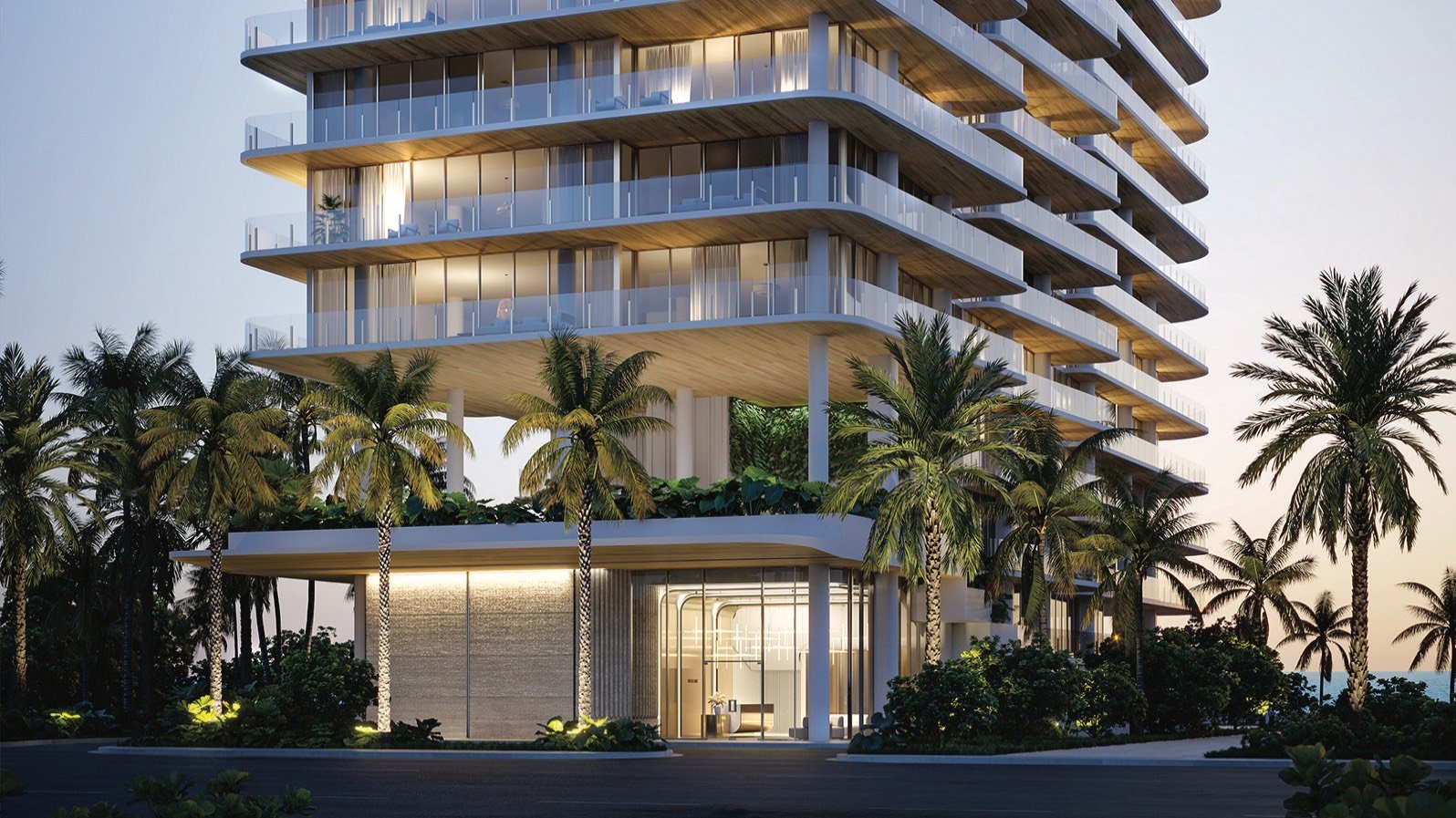
South Florida’s luxury condo buyer is no longer simply choosing a view and a floorplan. You are choosing an operating model. In a market that has recently seen 361 closings of homes priced $10 million and above in a single year, the condo conversation has moved beyond finishes into the friction points that shape daily living: elevator traffic, staffing depth, reserve contributions, and the reality of special assessments. A useful shorthand is density. Boutique condominium developments are often described as roughly 50 to 100 residences or fewer. Mega scale projects commonly rise to 800 to 1,000 plus units. That delta is not cosmetic. It changes how a building feels on a Tuesday morning, how quickly management can mobilize around maintenance, and how resilient the resale market can be when buyers demand tight comparables.
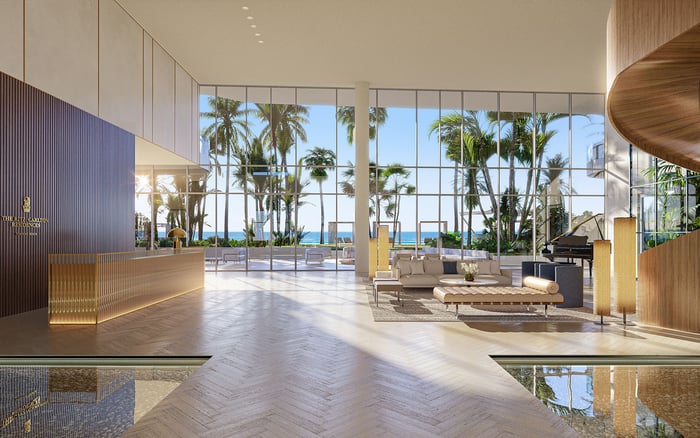
Boutique buildings suit buyers who value discretion over spectacle. Fewer residences typically means fewer touchpoints: quieter lobbies, calmer pool decks, and less shared circulation. In many boutique luxury towers, privacy is not a marketing flourish. It is operational, expressed through limited elevator banks, more predictable staffing rhythms, and a narrower range of owner expectations. In Miami Beach, ultra-low density has become a defining luxury signal. Some of the most exclusive newcomers are measured in dozens of homes, not hundreds. The appeal is straightforward: fewer neighbors, less amenity crowding, and a stronger sense that the building is designed for residents rather than foot traffic. Intimacy, however, comes with trade-offs. With fewer owners sharing the budget, large line-item costs can land more sharply per residence. When you underwrite a boutique building, look closely at how the association plans for long-cycle replacements and code-driven upgrades, and how the reserve schedule is structured.
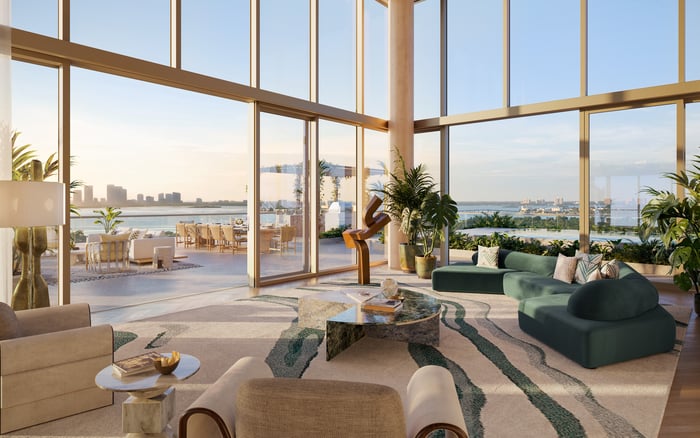
Larger towers can deliver what boutique buildings rarely attempt: expansive shared programming, multiple pools, formalized concierge operations, and a wider range of on-site services. Miami Beach’s newest skyline statements have leaned into this model, pairing lifestyle amenities with a more hotel-like cadence. For some buyers, the strongest advantage is not amenity square footage, but the organizational depth behind it. A larger staff roster can translate into more consistent coverage and faster response times. And in active, highly traded buildings, liquidity matters. More transactions can mean clearer pricing signals, tighter appraisal narratives, and a larger buyer pool that already understands the building. The counterpoint is density itself. Larger projects can feel more public: busier arrival sequences, higher elevator demand at peak hours, and the sense that you are sharing the building with a small neighborhood. If circulation is a priority, tour at multiple times of day, not only during a quiet weekday showing.
In Miami-Dade, owners in 7-plus story condominiums have faced steep increases in monthly assessments, with averages around $1,900 in recent reporting. Insurance, repairs, and heightened reserve demands have become the center of gravity for many boards. Reserve funding pressure has also intensified. Reserve contributions have been described at roughly 12 cents of every condo budget dollar, up from 9 cents the year prior. While every building is different, the direction is clear: reserve planning is no longer optional, and deferred maintenance is increasingly penalized by both regulation and buyer scrutiny. Scale can cut both ways. A larger building may spread certain fixed costs across more residences, yet it can also face sizable system-wide projects. A boutique building may have fewer complex mechanical systems, but each major repair can represent a larger per-unit burden. The practical takeaway is simple: focus less on the monthly number today and more on governance quality, reserve philosophy, and a credible maintenance timeline.
Miami Beach has shown luxury pricing strength, with a recent median around $1,292 per square foot, and South Beach around $1,538 per square foot in the same period. In that environment, buyers often treat privacy and lifestyle as primary differentiators, because the market already prices the location. If your definition of Miami Beach luxury begins with serenity, consider buildings that remain intentionally limited in residence count and shared spaces. The Perigon Miami Beach is emblematic of the beachfront boutique profile, with 73 residences disclosed publicly. If, instead, you want a more animated, service-forward ecosystem, newer high-amenity towers may be a better fit. Five Park Miami Beach is positioned as the tallest tower in Miami Beach and is described with approximately 50,000 square feet of amenities. That kind of programming can be compelling if you want your building to function like a private club. For those drawn to an established hotel-residential model, Setai Residences Miami Beach offers the cadence of a condo-hotel property, with 159 residences and the expectation of hospitality-style services.
Brickell’s appeal is frictionless access: dining, waterfront walks, and the pulse of Downtown. It is also a place where scale interacts with resale dynamics in a very visible way. In Greater Downtown Miami, recent data points have included Brickell median days on market around 87, a useful benchmark when you’re evaluating how quickly different building types absorb listings. For buyers who want a quieter interpretation of Brickell, boutique-to-mid scale buildings can deliver a more controlled arrival experience. 2200 Brickell is a useful reference point for those prioritizing a more residential feel within the urban core. On the other end, mid-to-larger format buildings can support broader shared offerings and more robust programming, which some owners value as a counterweight to city life. In this context, the question becomes: do you want Brickell as a home base that disappears behind a closed door, or as an extension of your social calendar?
Luxury buyers often default to finishes, but the decisive variables are frequently operational. Use this short framework to clarify which scale aligns with your lifestyle. First, define your privacy threshold. If you want to recognize every face in the elevator, boutique is the natural starting point. If you are indifferent to ambient activity and prefer breadth of services, larger towers can feel more effortless. Second, decide how you value services. Full-service, hospitality-influenced living is now a category unto itself, reinforced by the broader expansion of hotel brands into residential platforms. The right building should deliver the service level you will actually use, not the one that photographs best. Third, underwrite the budget like an investor. In 2026, a luxury condo’s monthly carry is not a footnote. Get clarity on insurance trajectory, reserve strategy, and major building projects. The most beautiful lobby is irrelevant if the association is perpetually reactive. Finally, think about resale narrative. Larger, actively traded buildings can offer clearer comps and faster price discovery. Boutique buildings can command a premium for scarcity, but the buyer pool may be narrower, especially at the top end.
A single tour can reveal the truth of scale if you know what to watch. Listen for noise and observe circulation. In a boutique building, the lobby should read as a private threshold. In a larger tower, the question is whether the activity feels curated or chaotic. Watch the amenity spaces. If you are buying into a high-amenity project, you are paying for shared square footage. Make sure it is usable, not simply expansive. Ask pointed governance questions. How often are assessments adjusted? What percentage of the budget is allocated to reserves? How are major repairs scoped and bid? In today’s environment, these answers matter as much as the ocean view.
What is the typical size of a boutique condo building? Boutique developments are often described as roughly 50 to 100 residences or fewer.
What qualifies as a mega scale condo project? Mega developments are commonly associated with around 800 to 1,000 plus units.
Are condo fees rising in Miami-Dade? Yes, recent reporting has cited average monthly assessments around $1,900 for owners in 7-plus story condos.
Why are reserves such a focus now? Reserve funding pressure has increased post-Surfside, with a greater share of condo budgets going to reserves.
Does a larger building always mean lower monthly costs? Not necessarily; scale can spread certain costs, but large systems can also create large projects and budgets.
Is Miami Beach still strong on luxury pricing? Recent market snapshots have shown median pricing around $1,292 per square foot, with South Beach higher.
Do boutique buildings offer better privacy? Often yes, because fewer residences typically means less shared circulation and fewer daily interactions.
Do large buildings resell more easily? They can, since more transactions may create clearer comparables and a wider buyer audience familiar with the building.
Should I tour a building at multiple times of day? Yes; traffic patterns, elevator demand, and amenity crowding can change dramatically between peak and quiet hours.
What is the most important due diligence item in 2026? Focus on the association’s financial health, reserve strategy, and near-term capital projects, not just finishes.
For tailored guidance, speak with MILLION Luxury.
If branded residences are on your mind — as a home or as an allocation — we would be glad to share what we are seeing, privately.
Begin a quiet conversation