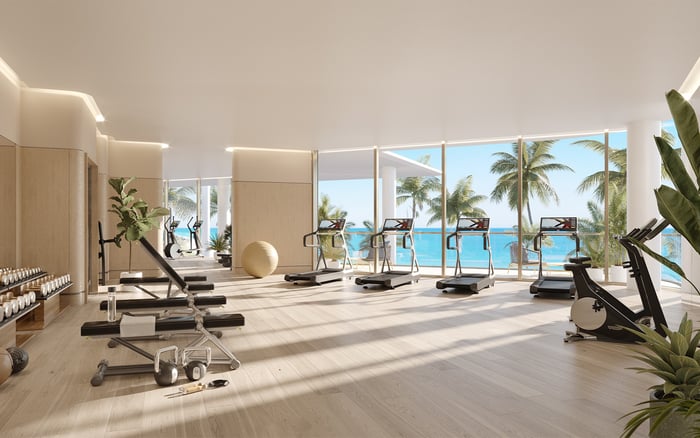
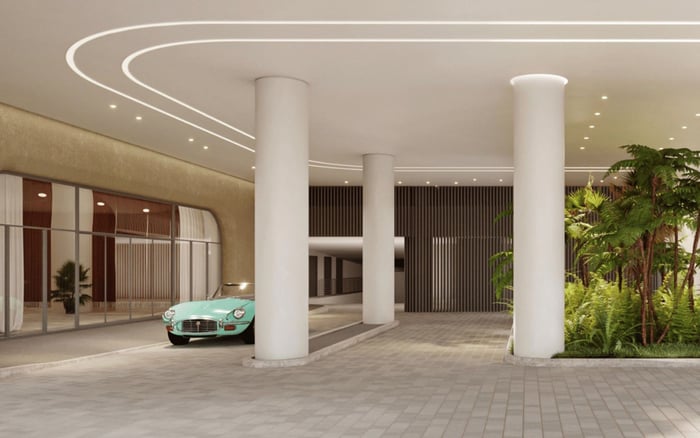
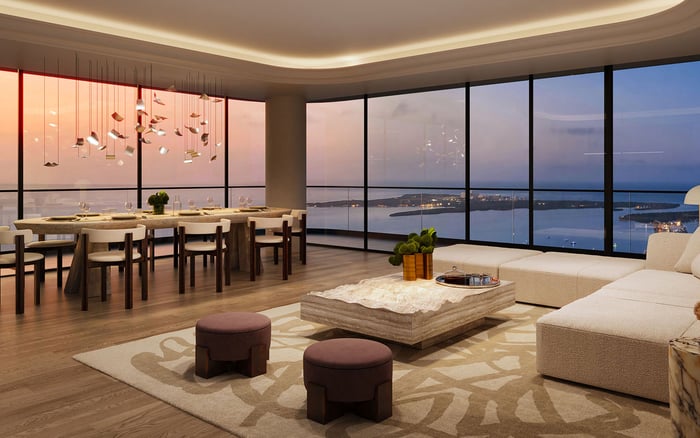
Mercedes-Benz Places Miami brings a global design brand into Brickell with a large-scale residential and hospitality program, an amenity stack sized like a private club, and a public-realm promise tied to Southside Park. For buyers evaluating branded real estate in South Florida, the project is a case study in how lifestyle engineering, service culture, and long-term neighborhood value intersect, along with the due diligence required in pre-construction.
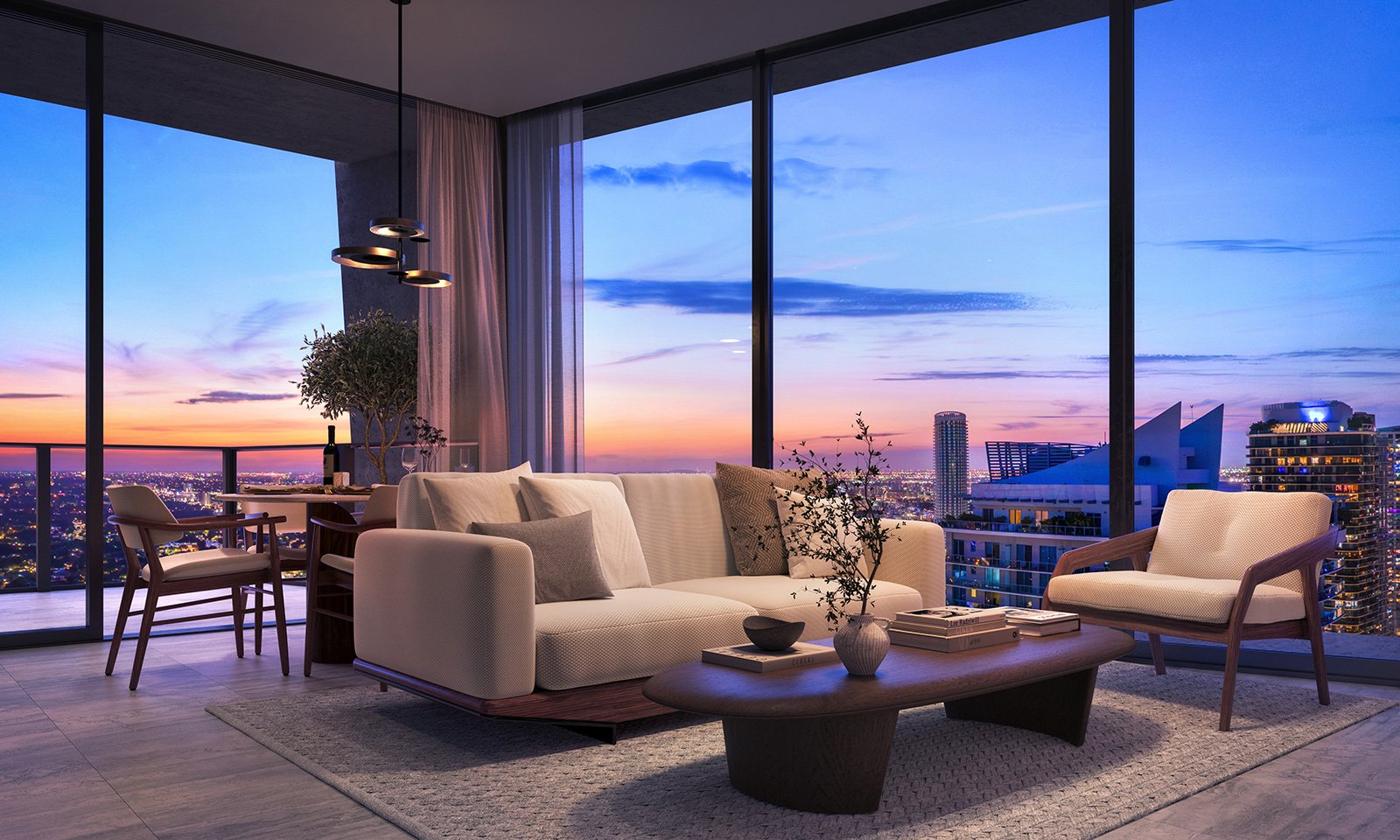
Branded residences have shifted from a novelty category into a core layer of Miami’s luxury inventory. Mercedes-Benz Places Miami is one of the clearest markers of that evolution. It is positioned as Mercedes-Benz’ first branded residential project in North America, planned for a Brickell address publicly described as 1133 SW 2nd Avenue. For buyers, the pairing is strategic: Brickell’s walkable, finance-forward routine supports service-driven buildings, while a globally recognized design brand can shorten the decision cycle for international purchasers who value consistency and standards.
The scale underscores the point. Publicly reported plans describe a 67-story tower, with revised plans indicating a height of roughly 780 feet. In Brickell, height is not a vanity metric. It shapes view corridors, identity, and the long-term resale narrative. It also signals the kind of lifestyle being sold: a vertical experience defined by elevators, sky-level amenities, and skyline positioning, rather than a more conventional condominium rhythm.
The published program is large and deliberately mixed: 791 residences alongside a 200-room hotel component, with marketing pointing to about 130,000 square feet of amenities and hospitality space. In practical terms, that mix is meant to accomplish what many traditional condos cannot deliver at the same intensity: consistent service culture, a deeper roster of shared spaces, and an arrival sequence that reads more like a well-operated resort than a simple residential lobby.
A major differentiator is the public realm component. The project has been described as tied to a redesign of Southside Park, roughly two acres adjacent to the tower. For end users, a true park relationship can function as a daily extension of the building, especially for buyers who want Brickell’s convenience without giving up the relief of greenery, outdoor circulation, and neighborhood programming.
Design authorship is part of the underwriting. SHoP Architects is listed as design architect, with ODP Architects as architect of record. Interiors are associated with Woods Bagot, translating the brand’s design language into residences and shared spaces. Landscape and public realm work for the park and outdoor areas is associated with Field Operations. These names matter less as marketing and more as signals of execution, specifically whether “branded” shows up as coherent materials, detailing, and planning, rather than a logo applied late.
Residence inventory is marketed from studios through three-bedroom layouts. Public marketing commonly cites studios starting around the mid-$500Ks, with larger residences reaching into the multi-millions. Treat those figures as directional. Pre-construction pricing typically moves by release, stack, and view exposure.
The core thesis reads as time savings packaged as luxury. The amenity stack is marketed as wellness-forward, including a large fitness and spa concept with multiple treatment and thermal experiences. For buyers evaluating long-term value, these features matter when they change behavior: how often owners actually use the building, how “sticky” the lifestyle feels, and how the property presents over time as lived-in but maintained.
The lifestyle layer is also designed to keep routines on-site. Marketing has highlighted a screening room and a recording studio, suggesting the development aims to accommodate leisure and creative time without leaving the property. Add the Mercedes-Benz racing simulator experience and the message becomes clearer: entertainment is positioned as curated and branded, not improvised.
Mobility integration is part of the pitch. The project has promoted Mercedes-Benz “house cars,” concierge or valet-style services, and EV charging infrastructure as part of the mobility and parking features being marketed. In Brickell, friction often comes from short errands and traffic patterns more than from distance. In that context, mobility services can deliver real daily value, sometimes more than an additional amenity room.
For a closer look at how the development is being presented to the market, explore Mercedes-Benz Places Miami.
A branded residence does not need universal appeal to perform. It needs immediate legibility to the buyers who want that specific promise. Against that backdrop, early demand has been framed as unusually fast. SERHANT reported 100 apartments sold in the first four days of sales, describing it as a sales-speed record for Miami.
Velocity does not guarantee long-term value, but it can signal product-market alignment: global brand familiarity, a service-forward narrative, and a Brickell location that supports both primary living and pied-a-terre use. For investors, rapid absorption can also imply earlier price discovery and a tighter competition set as later releases come to market.
The broader context is growth, and with it, divergence in quality. One industry roundup has cited roughly 700 branded residences globally, with projections that the category could nearly double by 2030. In South Florida, that expansion changes the buyer’s reference points. “Branded” alone is no longer the differentiator. The real question is which brands translate into durable operations, coherent design, and a credible owner experience once the initial novelty fades.
A disciplined way to evaluate brand value is to separate three layers.
First is design language: does the architecture, interior detailing, and material palette feel authored, or like a badge added after the fact.
Second is service delivery: do the promised services feel operationally plausible at a 791-residence scale, particularly with a hotel component in the same ecosystem.
Third is community fit: does the lifestyle match Brickell’s cadence. In this neighborhood, a building must work on weekday mornings as convincingly as it does on weekend nights.
Private amenities evolve with taste, but a strong park relationship can be surprisingly durable. The planned redesign of Southside Park positions the project within a public realm story, not only a private one. For end users, that can improve day-to-day life: an easier morning walk, a more relaxed dog run loop, and a sense that the neighborhood’s quality of life is compounding around the building.
It can also hedge against a common downside of dense districts. When every new tower has a pool deck and lounge programming, differentiation shifts to what you can do at street level without scheduling your day around an elevator ride.
Luxury buyers understand pre-construction as a trade. You accept timeline and delivery risk in exchange for earlier selection, broader inventory choice, and the possibility of price appreciation during the build.
Here, the publicly discussed timeline has been promoted around 2028. Buyers should also stay clear-eyed about execution context. Reporting has noted financial stress tied to prior JDS Development Group projects, including coverage around foreclosure and loan issues connected to Brooklyn Tower. That does not predetermine an outcome in Miami, but it reinforces the value of structured diligence.
In practical terms, sophisticated buyers tend to focus on the developer’s capitalization and partners, the contractual protections and escalation language in purchase documents, the clarity of what is included at delivery, and the operational plan implied by a mixed-use condo and hotel program.
The goal is not to eliminate risk. It is to understand it, and to price it correctly.
Brickell luxury is often defined by pace, proximity, and the ability to live car-light. Miami-beach luxury is more frequently anchored in resort culture and the theater of arrival. The strongest buyers understand both frameworks and choose based on how they actually live.
A Miami-beach owner who wants a more residential, design-forward experience may cross-shop newer inventory. Five Park Miami Beach has become part of that conversation for buyers who prioritize contemporary planning and lifestyle amenities. For perspective, see Five Park Miami Beach.
For a more established, art-driven oceanfront narrative, Faena House Miami Beach remains a benchmark for how cultural identity can support enduring demand at the high end. Explore Faena House Miami Beach.
And for purchasers who want a hospitality-led standard of service associated with an iconic name, Setai Residences Miami Beach continues to define what “hotel DNA” can mean for owners. Learn more at Setai Residences Miami Beach.
Against that backdrop, Mercedes-Benz Places Miami reads as Brickell’s expression of the same impulse: a building that aims to bundle design certainty, amenity depth, and service narrative into a single address.
What is Mercedes-Benz Places Miami? It is a branded residential development planned in Brickell and promoted as Mercedes-Benz’ first branded residential project in North America.
Where is the site located? The project site has been publicly described as 1133 SW 2nd Avenue in Brickell, Miami, Florida.
How tall is the tower planned to be? Plans have been reported as a 67-story tower, with revised plans indicating a height of roughly 780 feet.
How many residences are planned? The program has been published as 791 residences.
Is there a hotel component? Yes. The project has been described as including a 200-room hotel component.
What kind of amenities are being marketed? Marketing highlights a large amenity and hospitality program, including wellness-focused fitness and spa concepts, plus lifestyle spaces like a screening room and a recording studio.
Are there brand-specific experiences? Yes. A Mercedes-Benz racing simulator experience has been promoted as part of the amenity offering.
What mobility features are being discussed? The project has promoted Mercedes-Benz “house cars,” concierge or valet-style services, and EV charging infrastructure.
What is the public-realm component? A major element is the redesign of Southside Park, described as about two acres adjacent to the tower.
What should buyers watch in pre-construction? Focus on delivery scope, timelines, contractual protections, and the operational plan for a mixed residential and hotel building.
For private guidance on Brickell’s highest-conviction opportunities, speak with MILLION Luxury.
If branded residences are on your mind — as a home or as an allocation — we would be glad to share what we are seeing, privately.
Begin a quiet conversation