A buyer-oriented editorial on coastal erosion risk in South Florida, translating shoreline science, disclosures, and resilience strategies into practical due diligence for luxury purchasers.
In South Florida, the ocean is both the ultimate amenity and the most dynamic neighbor. Shorelines naturally migrate under the influence of sea level, wave energy, tides, and flooding. That movement can be accelerated or redirected by human interventions such as dredging, inlet structures, and hard shoreline armoring. For luxury buyers, the takeaway is straightforward: two properties with the same view can carry very different long-term exposure. Erosion is not a slow, abstract process. Severe storms and tropical systems can strip wide beaches and dunes in a single event, quickly changing the buffer between a building and the water. Even when the coastline appears to “return” after a renourishment project, the cadence of maintenance, and the near-term construction impacts, matter to owners who value privacy, quiet, and consistent service levels. Along much of Florida’s sandy coast, extensive stretches have been identified as critically eroded. That designation is a planning signal, not a prediction that any one parcel will fail in the next storm, but it is a clear prompt for deeper, property-level homework.
Luxury buyers often ask whether a property is “safe.” A more useful framing is: safe from what, over what horizon, with what interventions, and at what cost? Erosion and flooding risk in South Florida is shaped by three overlapping forces. First, sea level has risen in recent decades and is projected to continue rising, increasing the frequency of nuisance flooding and intensifying erosion pressure. Second, the coastline is not uniform. Long-term shoreline analyses show Florida has both erosion hot spots and areas of accretion, sometimes separated by surprisingly short distances. Third, relative sea level can change locally when land subsides. Recent measurement work has identified subsidence hot spots affecting high-rise corridors in the Miami Beach to Sunny Isles Beach band, a reminder that “local conditions” can be literal. This is why a blanket assumption about an entire barrier island, or an entire municipal coastline, is rarely sufficient for a high-stakes purchase. Micro-siting and building-specific resilience planning have become part of the luxury toolkit.
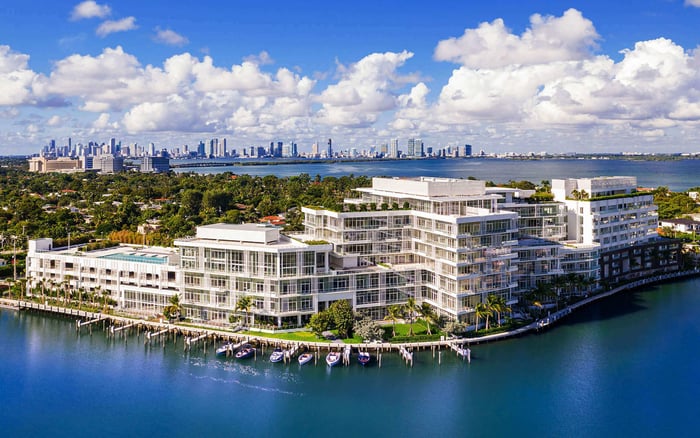
Start with mapping, then validate with professionals. Florida maintains a GIS dataset of Coastal Critical Erosion Areas that can be used to check whether a location falls within a designated zone. It is a strong first filter for comparing options across Miami Beach, Surfside, Sunny Isles, Hallandale, and Palm Beach County. If a home or condominium sits within or near one of these mapped stretches, that does not automatically make it “unbuyable.” It does mean your financial model should carry a risk premium for periodic shoreline work, potential access restrictions after storms, and a higher standard for building management. At the building scale, your team should also evaluate how inlet dynamics may affect the beach profile. Inlets and engineered structures can interrupt sand movement; the result is often a patchwork of stable segments alongside adjacent hot spots that demand more frequent intervention. For buyers drawn to the polished oceanfront lifestyle in Miami Beach, a building like 57 Ocean Miami Beach sits within a market where beach conditions can be highly localized, influenced by coastal engineering and renourishment cycles. The point is not fear. It is precision.
Florida law requires a specific written disclosure to buyers when property is located seaward of the Coastal Construction Control Line (CCCL). The disclosure warns that the property may be subject to coastal erosion and related regulation. For a luxury buyer, the practical implication is clear: coastal regulation is not theoretical. It can shape what can be built, rebuilt, or modified, and how quickly permits are obtained. Unless a buyer waives it in writing, the seller must provide an affidavit or survey showing the CCCL at or before closing. Importantly, failure to provide the disclosure or the affidavit or survey does not create a rescission right and does not impair contract enforceability or title. In other words, the onus remains on the buyer to treat the CCCL as a core diligence item, not a closing formality. Request a current survey, confirm the line placement, and have coastal counsel translate what it could mean for future terrace work, pool decks, dune walkovers, or repairs after a major weather event.
Miami-Dade’s long-running beach erosion control and hurricane protection efforts underscore a reality every oceanfront owner should internalize: some segments are persistent hot spots. Hot spots are not just engineering vocabulary. They can translate into more frequent construction mobilizations, altered beach access patterns, temporary staging, or a narrower beach after a rough season. Beach nourishment is among the most common responses. Florida tracks and helps fund beach management and restoration projects, which can be positive for shoreline width and storm buffering. For owners, it also means the beach is, to a degree, managed infrastructure. When you tour, look beyond the view line. Ask building management how often the beach profile has changed in recent years, what the community experienced after the last series of rough-surf events, and whether dunes were overtopped or rebuilt. In Palm Beach County, recent rough-surf sequences have shown how quickly dunes and beachfront can be stripped, reinforcing how short-term conditions can become long-term budgeting questions. In Broward’s luxury strip, Auberge Beach Residences & Spa Fort Lauderdale represents a lifestyle built on immediate ocean access. For buyers, the diligence move is to understand not just the building, but the beach in front of it: width, dune condition where applicable, and the likelihood of periodic renourishment work nearby.
Nature-based shoreline stabilization, often called living shorelines, can reduce erosion while maintaining habitat. In the right setting, these approaches can offer durability with lower long-term maintenance than hardened solutions. Florida’s resilience programming includes support for living shoreline projects, reflecting a broader shift toward interventions that work with coastal processes. But oceanfront South Florida is not always the right setting. High-energy beaches can require hybrid designs, and feasibility is highly site-dependent. For buyers, the takeaway is not to insist on a specific technique, but to ask a sharper question: what is the site’s shoreline strategy, and who maintains it? In calmer bayfront contexts, the conversation can be more optimistic. A buyer considering a wellness-forward address like The Well Bay Harbor Islands may encounter a different shoreline condition set than an exposed Atlantic beach, with different options for nature-based stabilization depending on frontage and municipal constraints.
High-net-worth buyers are accustomed to underwriting carrying costs, but coastal risk introduces second-order effects that can surprise even experienced owners. A small subset of properties that flood repeatedly can account for a disproportionate share of flood claims over time. That concentration matters because it can drive pricing pressure and policy redesign, rippling into availability and premium levels. At the macro level, climate risk and insurance shifts are increasingly treated as market-shaping variables, with implications for pricing, lending, and liquidity in higher-risk geographies. Catastrophe losses and reinsurance costs can also translate into higher homeowner premiums and more restrictive terms, especially in coastal regions. For a luxury condominium purchase, the diligence stack should include:
Master policy structure, deductibles, and recent premium trajectory.
Reserve posture for coastal-facing facade maintenance and post-storm work.
Building history of water intrusion claims and mitigation projects.
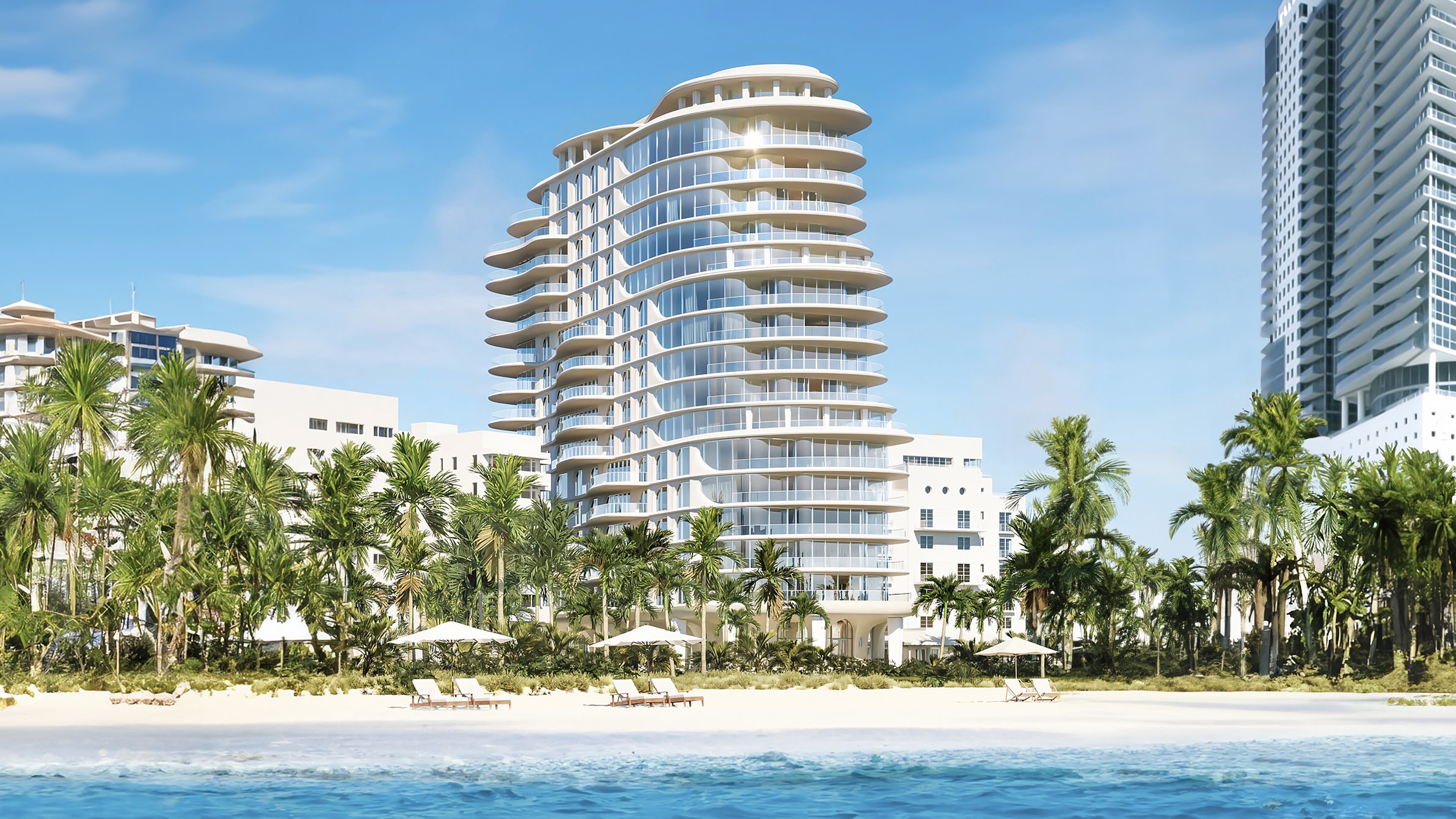
A realistic expectation that “cheap insurance” is not the point; stable, fundable coverage is. In Miami Beach’s elevated ultra-luxury tier, a property such as The Perigon Miami Beach can justify a premium through design, service, and location. Your job is to ensure the risk stack is equally premium: transparent governance, disciplined reserves, and a management team that treats coastal exposure as an engineering and operations issue, not a seasonal inconvenience.
The most effective approach is layered: map the coast, then interrogate the asset.
Location screen: Check whether the parcel sits within a designated critical erosion area and how close it is to known hot spots.
Survey and linework: Obtain a current survey showing the CCCL when applicable, and have counsel explain what it means for future improvements and repairs.
Building systems and envelope: Prioritize facade condition, waterproofing strategy, garage elevation dynamics, and stormwater pathways.
Operational readiness: Review storm procedures, generator capability where relevant, and post-event remediation protocols.
Financial resilience: Analyze reserves, special assessment history, insurance renewals, and how the association communicates risk.
Beach management reality: Understand renourishment cadence, access impacts, and the likelihood of future shoreline work. This checklist is as relevant to an oceanfront tower in Hallandale as it is to a classic stretch of Miami Beach. For example, 2000 Ocean Hallandale Beach sits in a market where shoreline conditions, storms, and beach management decisions can influence day-to-day enjoyment, not just long-term value.
What is coastal erosion in practical terms for a luxury homeowner? It is the loss or relocation of beach and dune buffers that can change access, views, and storm protection.
Can a single storm materially change the risk profile of an oceanfront property? Yes, major events can remove wide beaches and dunes quickly, sometimes in one season.
Does “critically eroded” mean my building is unsafe? No. It is a planning designation; site-specific engineering and history still determine true exposure.
How can I check if a property is in a mapped erosion area? Use Florida’s coastal critical erosion mapping as a first screen, then confirm with professionals.
What is the Coastal Construction Control Line and why does it matter? The CCCL is a regulatory boundary; being seaward of it can affect what you can build or repair.
Is the CCCL disclosure a rescission right if it is missed? Not automatically; missing documentation does not, by itself, void the contract or title.
Are beach nourishment projects generally positive for owners? They can widen beaches and add storm buffering, but they may also bring periodic disruption.
Do living shorelines work on the Atlantic oceanfront? Sometimes, but high-energy beaches often require hybrid solutions; feasibility is site-dependent.
Why is insurance part of coastal erosion diligence? Coastal hazards can drive premiums and availability, affecting both carrying costs and resale liquidity.
What is the single best diligence move before making an offer? Pair a location-based erosion and CCCL screen with a building-level review of reserves and envelope.
For tailored guidance, speak with MILLION Luxury.
If branded residences are on your mind — as a home or as an allocation — we would be glad to share what we are seeing, privately.
Begin a quiet conversation