A discreet buyer’s guide to three design-forward South Florida residences, comparing urban, beachfront, and Palm Beach Gardens ownership through design, branding, service expectations, governance, and resale fit.
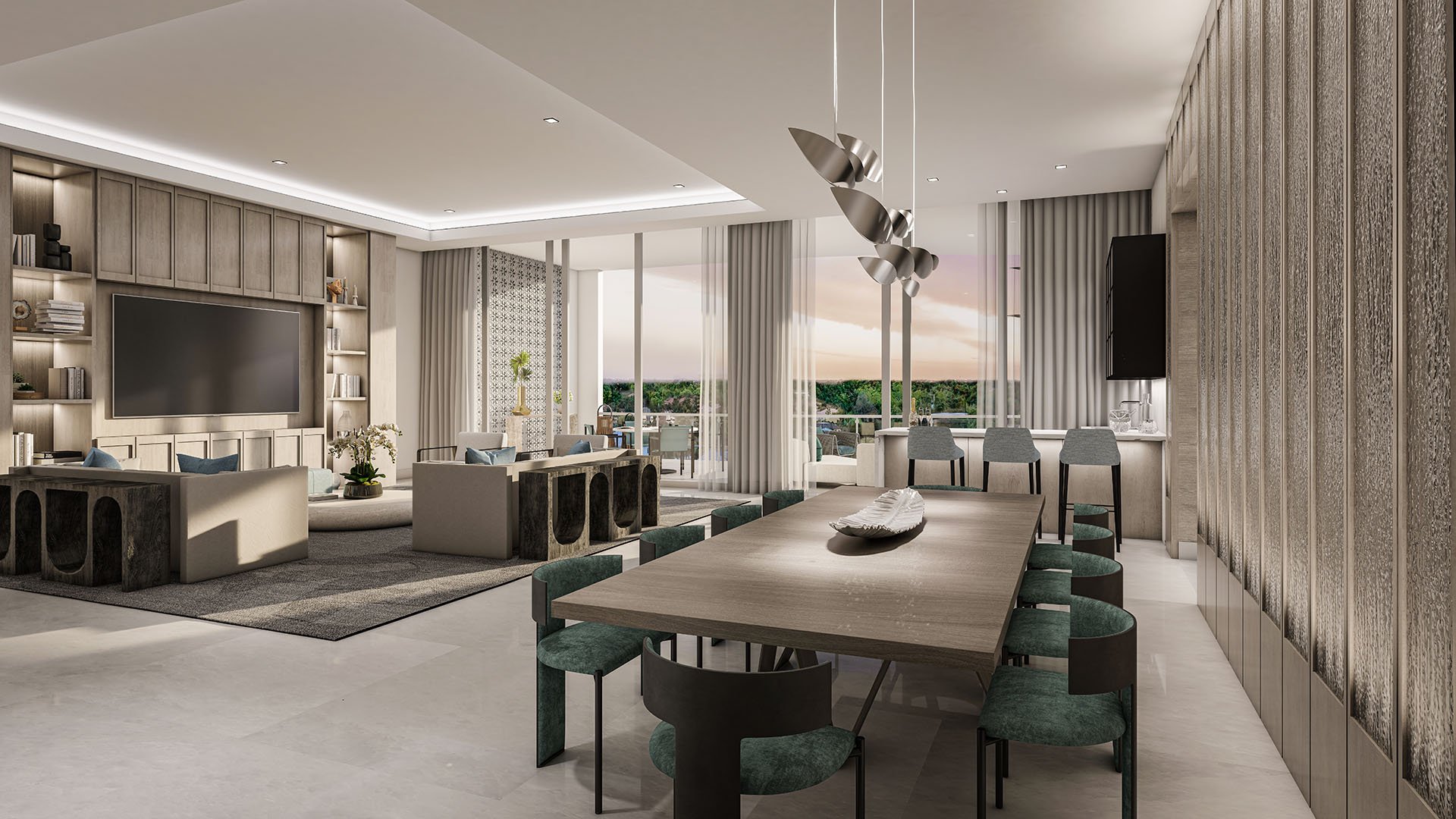
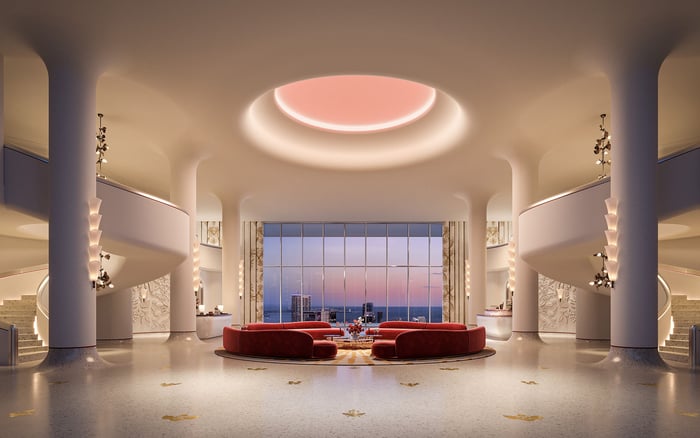
Design-forward ownership in South Florida is no longer just a matter of buying the most visually memorable residence. At the top of the market, architecture, brand identity, amenity culture and service expectations all become part of the asset. The residence remains a private home, but it also communicates how an owner wants to live, host, arrive, retreat and eventually resell.
That is why Aston Martin Residences Downtown Miami, Faena House Miami Beach and The Ritz-Carlton Residences® Palm Beach Gardens make such a useful comparison. Each belongs in the trophy-caliber conversation, yet each poses a different ownership question. One is rooted in the urban core, one in a coastal Miami Beach setting, and one in a branded Palm Beach Gardens residential proposition.
For buyers, the point is not to choose the loudest name or the most dramatic design gesture. The more valuable exercise is to understand how the property’s identity will age with your life. Will the design still feel elegant after repeated seasonal use? Will the service model match your preferred level of privacy? Will the association structure and maintenance obligations support the long-term experience you expect? These questions are less glamorous than a first impression, but they often define satisfaction.
Aston Martin Residences Downtown Miami is the urban-core option in this comparison. Its buyer profile centers on branded, design-led condominium ownership rather than generic high-end real estate. The brand association is not incidental; it is part of the ownership proposition and should be evaluated alongside location, unit design, amenities and future resale dynamics.
For some buyers, Downtown Miami offers the most compelling rhythm of the three submarkets. It places the owner in a vertical, city-driven environment where skyline identity and immediate urban access can be central to daily life. That appeals to those who want a residence connected to Miami’s business, dining, cultural and waterfront energy while still delivering a private luxury experience above the city.
The practical question is whether the Aston Martin identity enhances the way the owner will actually live. Branded residences can bring clarity and distinction to a building’s market position, but buyers should look beyond the name. The residence still needs the right floor plan, the right arrival experience, the right amenity balance and governance that protects the building’s character over time.
Resale should also be considered with discipline. A design-led, brand-associated residence may attract a particular buyer universe, but that audience will still evaluate condition, maintenance costs, service standards and broader submarket preferences. In Downtown Miami, the strongest ownership decision is not purely emotional. It is the point where brand affinity, urban lifestyle and practical durability overlap.
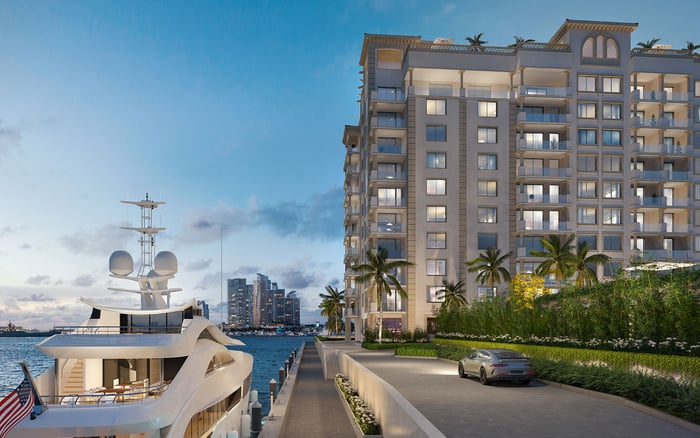
Faena House Miami Beach represents the beachfront and coastal-market counterpart in this trio. It is positioned as a design-led residential property rather than a conventional luxury condominium, making architectural identity central to the ownership experience. Buyers considering Faena House Miami Beach should think carefully about whether that identity supports a primary residence, a secondary residence or a more occasional pattern of use.
Miami Beach ownership carries its own cadence. The appeal is not only water, light and resort-adjacent energy. It is also the ritual of arrival, the social atmosphere of the beach, and the way interiors and terraces must perform for both quiet mornings and high-season entertaining. In a design-forward building, those lifestyle patterns should feel natural rather than staged.
The long-term fit matters. A residence that feels spectacular for a week may not function effortlessly for several months at a time. Buyers should consider privacy, daily circulation, amenity use, guest patterns and how the building’s design language will feel after repeated seasons. Design and architecture are powerful value signals, but they also create expectations that ownership must sustain.
Faena House’s Miami Beach setting also frames a different resale story than Downtown Miami or Palm Beach Gardens. The buyer pool may be drawn to coastal identity, architectural distinctiveness and the emotional pull of Miami Beach. Still, the fundamentals remain. Association governance, maintenance obligations, service consistency and liquidity deserve the same attention as views and finishes.
Palm Beach Gardens is the Palm Beach Gardens property in this comparison, and its ownership proposition is anchored by branded residential expectations. The Ritz-Carlton name is central, but buyers should treat that as the beginning of the inquiry rather than the conclusion.
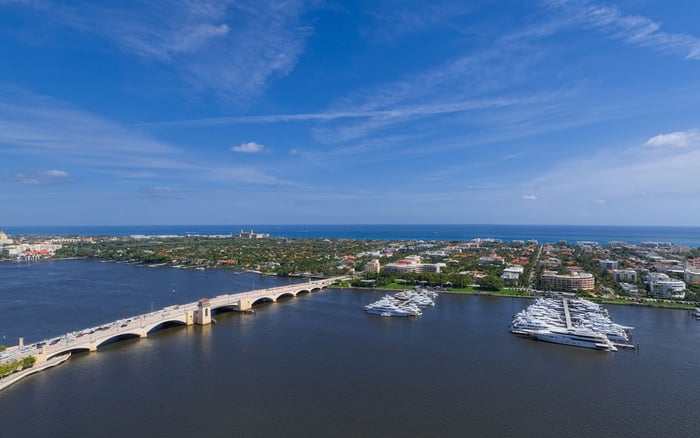
For many affluent buyers, Palm Beach Gardens suggests a different kind of luxury than Miami’s urban and beachfront markets. It can read as calmer, more residential and more oriented toward long-term ease. In that context, branded service becomes especially important. Owners are not only buying design and amenities. They are buying into an expectation of how the property should be managed, maintained and experienced over time.
This is where a buyer should be especially precise. What level of service do you want in daily life? How visible should that service be? How do ongoing expectations translate into association culture, staffing models and long-term costs? A strong brand can help set standards, but ownership satisfaction depends on whether those standards align with the owner’s preferences.
The Ritz-Carlton Residences® Palm Beach Gardens also invites a broader question about permanence. If the residence is intended for frequent use or as a long-term base, the design must be more than photogenic. It must support quiet routines, guest visits, seasonal rhythms and a maintenance structure that preserves ease rather than complicating it.
The clearest way to compare these properties is to begin with submarket, then move inward. Downtown Miami, Miami Beach and Palm Beach Gardens each offer a different form of South Florida luxury. The first is urban and vertical. The second is coastal and architecturally expressive. The third is branded and service-oriented in a Palm Beach Gardens context.
Next, evaluate the role of brand identity. At Aston Martin Residences Downtown Miami, brand association is a key element of the proposition. At The Ritz-Carlton Residences® Palm Beach Gardens, the brand carries service expectations that may shape daily life. At Faena House Miami Beach, the emphasis is more on architectural identity and the property’s design-led residential character.
Then test the lifestyle honestly. A buyer who values city access may find the Downtown Miami option most intuitive. A buyer who wants a coastal residence with a strong design signature may gravitate to Miami Beach. A buyer prioritizing branded residential service expectations and a Palm Beach Gardens setting may prefer The Ritz-Carlton Residences® Palm Beach Gardens.
Finally, treat ownership mechanics as part of the luxury experience. Association governance, maintenance obligations, service models and resale liquidity are not back-office details. In the ultra-premium market, they are the infrastructure that allows design to remain pleasurable. A beautiful residence that is difficult to manage can lose its charm. A well-run property can make design feel effortless.
Before choosing among these three properties, buyers should define the intended use. Primary residence, seasonal home and occasional pied-à-terre are different ownership patterns. Each places different demands on storage, services, privacy, amenity access and maintenance coordination.
Buyers should also review the association framework with care. Design-forward buildings can involve specialized upkeep requirements, distinctive common areas and service expectations that influence costs and governance. Understanding those obligations before purchase is essential.
The amenity offering should be evaluated through use, not spectacle. A dramatic amenity program has little value if it does not match the owner’s routines. The right question is not simply what exists, but how often the owner will use it and whether it improves the way the residence functions.
Resale deserves equal attention. A trophy-caliber residence may have enduring appeal, but liquidity depends on the depth of future demand, the reputation of the building experience and how well the property maintains its identity. Buyers should choose the residence that feels compelling today and legible to future buyers tomorrow.
Which property is the most urban of the three? Aston Martin Residences Downtown Miami is the urban-core option in this comparison, with a branded, design-led condominium proposition.
Which property represents the Miami Beach choice? Faena House Miami Beach is the Miami Beach property, shaped around a design-led residential identity rather than a conventional condominium feel.
What distinguishes The Ritz-Carlton Residences® Palm Beach Gardens? The Ritz-Carlton Residences® Palm Beach Gardens is centered on branded residential ownership, with service expectations tied to the name.
Are these properties only about design? No. Design is central, but buyers should also weigh amenities, governance, maintenance obligations, service models and resale liquidity.
Why does brand identity matter in ownership? Brand identity can shape buyer perception, service expectations and resale positioning, but it should never replace practical due diligence.
Is Faena House better suited to a primary or secondary residence? Buyers should evaluate Faena House’s architectural identity, amenities and Miami Beach setting against their intended pattern of use.
What should buyers ask about association governance? They should understand decision-making, maintenance responsibilities, service standards and how the building preserves its long-term character.
How should amenities be evaluated? Amenities should be assessed by actual lifestyle fit, not simply by how impressive they sound during a first tour.
Does resale matter if the purchase is lifestyle-driven? Yes. Even lifestyle-led purchases benefit from considering future demand, building reputation and the clarity of the ownership proposition.
What is the simplest way to choose among the three? Start with the preferred submarket, then compare brand identity, daily livability, governance, services and long-term resale fit.
If you'd like a private walkthrough and a curated shortlist, connect with MILLION.
If branded residences are on your mind — as a home or as an allocation — we would be glad to share what we are seeing, privately.
Begin a quiet conversation