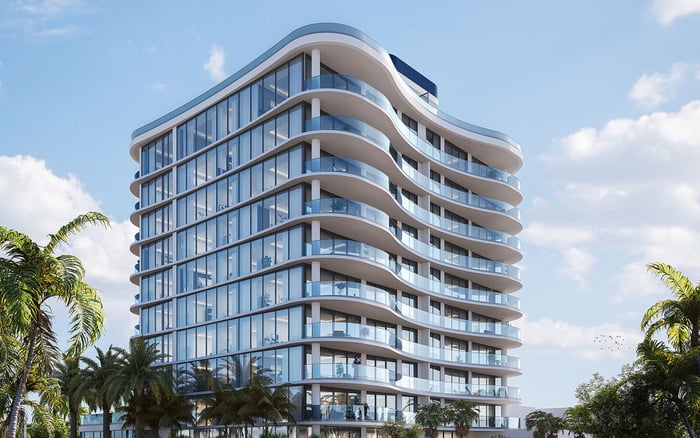
A discreet buyer’s guide to the operating obligations that may shape ownership at Armani Casa Residences Pompano Beach, including assessments, governance, reserves, insurance, amenities, and the ongoing cost of preserving a branded luxury environment.
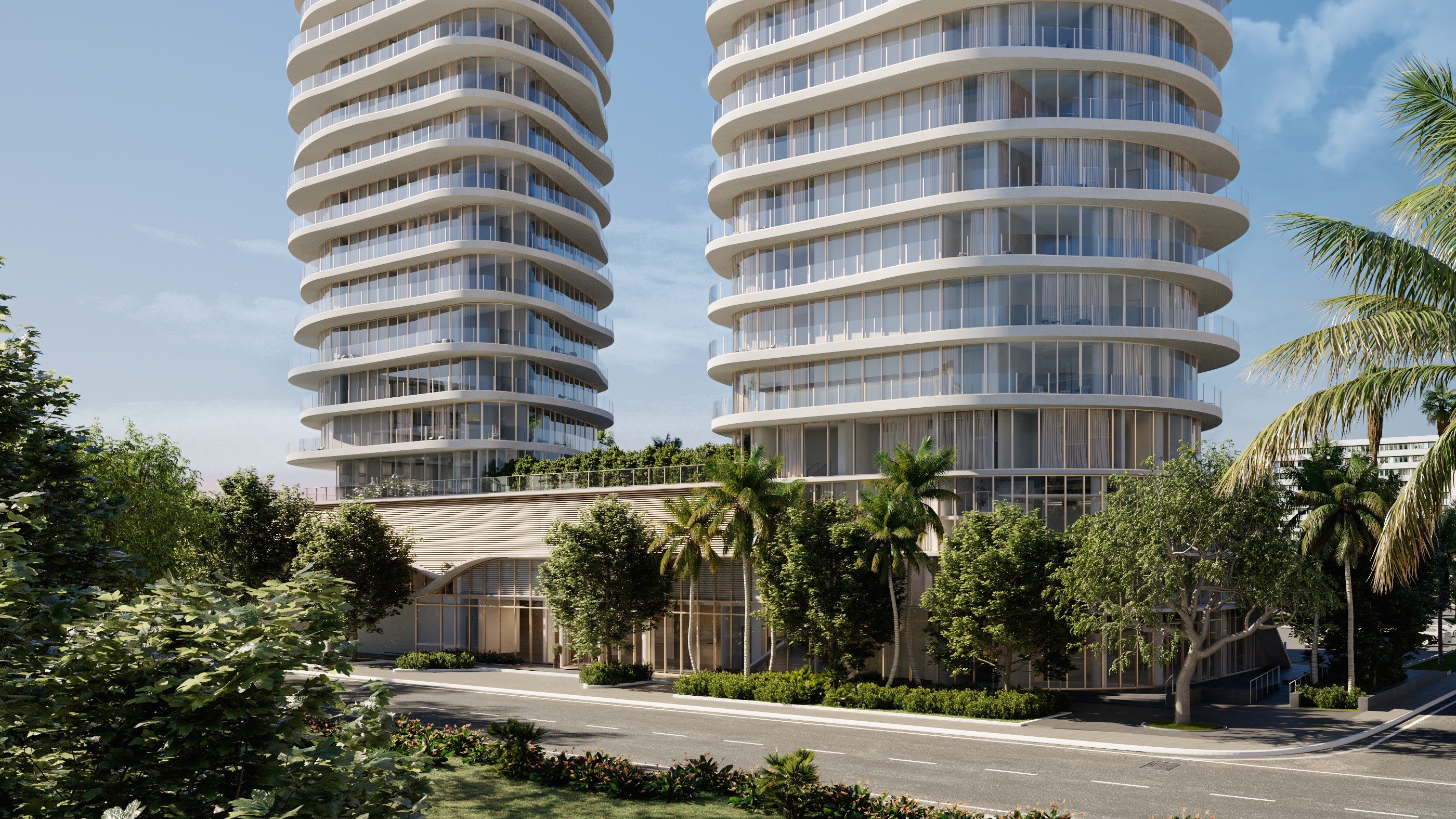
For buyers considering Armani Casa Residences Pompano Beach, the most sophisticated due diligence begins beyond the headline price. In a branded coastal condominium, ownership is not defined only by the acquisition, deposits, closing costs, and interior selections. It is also defined by the recurring financial framework that supports the building long after the sales gallery closes and the association becomes the central operating body.
That distinction matters in Pompano Beach, where oceanfront luxury is increasingly shaped by branded design, hospitality-minded amenities, and buyer expectations that reach well beyond a conventional condominium experience. The Armani/Casa identity has marketing value, but it also raises an operational question: what does it cost, over time, to preserve the look, feel, service level, and condition that buyers originally purchased into?
In the ultra-premium condominium market, monthly or quarterly assessments should be treated as part of the asset’s true carrying cost. They are the mechanism through which owners collectively fund staffing, amenity operations, utilities, insurance, routine maintenance, management, and reserves. For Armani Casa Residences Pompano Beach, the buyer conversation should therefore move from “What is the unit price?” to “What does the ownership ecosystem require to remain excellent?”
A projected operating budget deserves careful review before closing. Buyers should scrutinize staffing assumptions, amenity costs, insurance expectations, utility exposure, maintenance reserves, and the contracts that will govern day-to-day management. In a luxury building, even small differences in service levels can become meaningful differences in operating cost.
This is not unique to Armani Casa Residences Pompano Beach. Other nearby premium offerings, including The Ritz-Carlton Residences® Pompano Beach and W Pompano Beach Hotel & Residences, reflect a broader buyer reality: elevated residential positioning often depends on disciplined, well-funded operations.
Branded residences carry an added layer of owner expectation. The Armani/Casa name is not simply a decorative label. It signals a design standard, and design standards can affect how common areas are maintained, repaired, refreshed, and staffed. Lobbies, corridors, amenity spaces, service areas, and exterior arrival moments may all require a level of care consistent with the brand promise.
That can mean premium materials, specialized vendors, and more intensive upkeep over time. A distinctive finish may be beautiful, but it may also be more costly to replace than a generic equivalent. A carefully composed lobby may require precise refresh cycles to avoid visual fatigue. Amenity furnishings, lighting, artful surfaces, and hospitality-style spaces may need regular attention to remain aligned with buyer expectations.
The practical issue is not whether branding is valuable. It often is. The more important question is whether the association’s future budget and governance culture are prepared to maintain that value without creating avoidable financial strain for owners.
Pompano Beach offers the appeal of a beachfront South Florida setting, but coastal ownership comes with operating considerations that should not be minimized. Insurance, exterior maintenance, storm readiness, building-envelope care, salt-air exposure, and the ongoing resilience of common areas should all be reviewed as part of buyer due diligence.
For pre-construction buyers, this review should begin before contract deadlines harden. The documents available to purchasers may include projected budgets, declaration materials, reserve schedules, insurance assumptions, management arrangements, and any operating agreements tied to the branded-residence environment. Each document contributes to the ownership picture.
The most careful buyers will also ask how future capital improvements may be handled. Even in a new luxury condominium, replacement cycles eventually arrive. Amenity areas must be refreshed. Mechanical systems must be serviced. Exterior elements must be maintained. In coastal buildings with high-end common areas, future special assessments are a risk to evaluate with care.
After turnover, association governance becomes one of the most important forces in the long-term ownership experience. The board and management team will influence service levels, vendor selection, reserve planning, capital projects, aesthetic refreshes, and the balance between restraint and refinement.
This is where luxury positioning becomes practical. Owners may want the building to feel immaculate, current, and consistent with the Armani/Casa identity. At the same time, they may resist rising assessments or special assessments. A well-governed association must weigh both sides, protecting the asset while maintaining owner confidence.
The long-term investment outcome depends partly on that balance. A building that underfunds maintenance can lose market stature. A building that overextends operating costs can narrow its buyer pool. The best luxury associations tend to treat budgets not as annual chores, but as strategic instruments for preserving resale strength, physical condition, and owner satisfaction.
Second-home and investor buyers should look beyond aesthetics and focus on practical use. Association rules, rental policies, use restrictions, maintenance standards, access protocols, and owner responsibilities can materially affect how the residence functions. Even without specific project rules in hand, buyers should assume that a luxury branded condominium may impose standards designed to protect the common experience.
That can be positive for long-term value, particularly when rules discourage wear, preserve discretion, and keep shared spaces refined. It can also affect flexibility. Owners who expect frequent guest use, seasonal occupancy, or rental income should understand the governing documents before assuming a strategy.
A useful comparison can be found in the broader branded coastal market. Armani Casa Sunny Isles Beach and Bentley Residences Sunny Isles sit within the same larger conversation about design identity, lifestyle value, and the cost of maintaining a premium residential promise over time.
Before closing, buyers should request and review the condominium declaration, projected operating budget, reserve schedules, insurance assumptions, management contracts, rules and regulations, and any available agreements tied to brand-related design, service, or licensing expectations. The goal is not to avoid cost. In this category, cost is inevitable. The goal is to understand whether costs are transparent, properly planned, and aligned with the buyer’s tolerance.
Particular attention should be paid to staffing assumptions, amenity maintenance, utility allocation, insurance treatment, reserve funding, and the process for approving capital improvements. Buyers should also ask how aesthetic refreshes will be addressed after developer control ends. If the building’s identity depends on a certain level of visual consistency, the future association needs a mechanism to preserve it.
The best buyer posture is neither skeptical nor romantic. It is informed. Armani Casa Residences Pompano Beach may appeal precisely because it offers a branded, design-led beachfront lifestyle. The obligation side of ownership is the structure that keeps that lifestyle intact.
Are operating obligations separate from the purchase price? Yes. Buyers should treat assessments, reserves, insurance, maintenance, and governance decisions as part of the total ownership cost.
Why do branded residences require special due diligence? Branded design standards can influence maintenance expectations, vendor selection, and the future cost of preserving common areas.
Should buyers review the projected association budget before closing? Yes. The budget helps clarify expected costs for staffing, amenities, insurance, utilities, maintenance, and reserves.
Can luxury amenities increase long-term costs? They can. Premium materials, specialized spaces, and hospitality-style amenities may require more intensive upkeep over time.
Why is coastal insurance important in Pompano Beach? Beachfront South Florida ownership makes insurance, storm readiness, and exterior maintenance key due-diligence topics.
What role does the association play after turnover? The association will influence service levels, capital improvements, reserves, vendor decisions, and aesthetic refreshes.
Are special assessments possible in luxury coastal condominiums? Yes. Buyers should evaluate the risk, especially where high-end finishes and amenity spaces may increase replacement costs.
Should investors review rental and use rules? Yes. Association rules, rental policies, and maintenance standards can affect practical ownership and income assumptions.
Does the Armani/Casa identity have ongoing cost implications? It can. Buyers should ask whether any brand-related design, service, or licensing expectations affect future association expenses.
What documents should buyers prioritize? Declaration documents, budgets, reserve schedules, insurance assumptions, management contracts, and operating agreements should be reviewed.
If you'd like a private walkthrough and a curated shortlist, connect with MILLION.
If branded residences are on your mind — as a home or as an allocation — we would be glad to share what we are seeing, privately.
Begin a quiet conversation