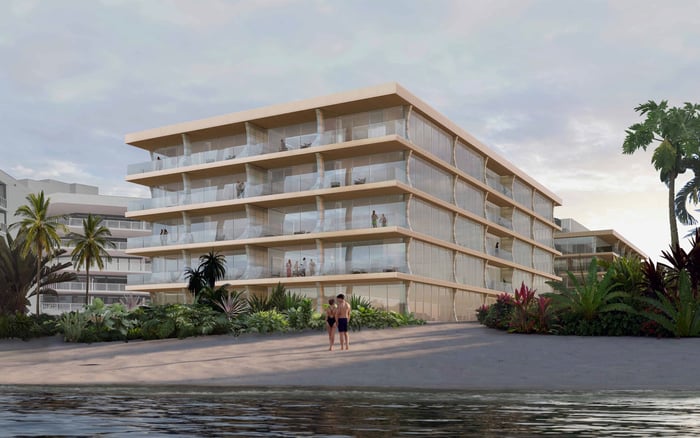
A practical, discreet guide for Chicago families coordinating Palm Beach home selection with private school timing, household logistics, and domicile planning.
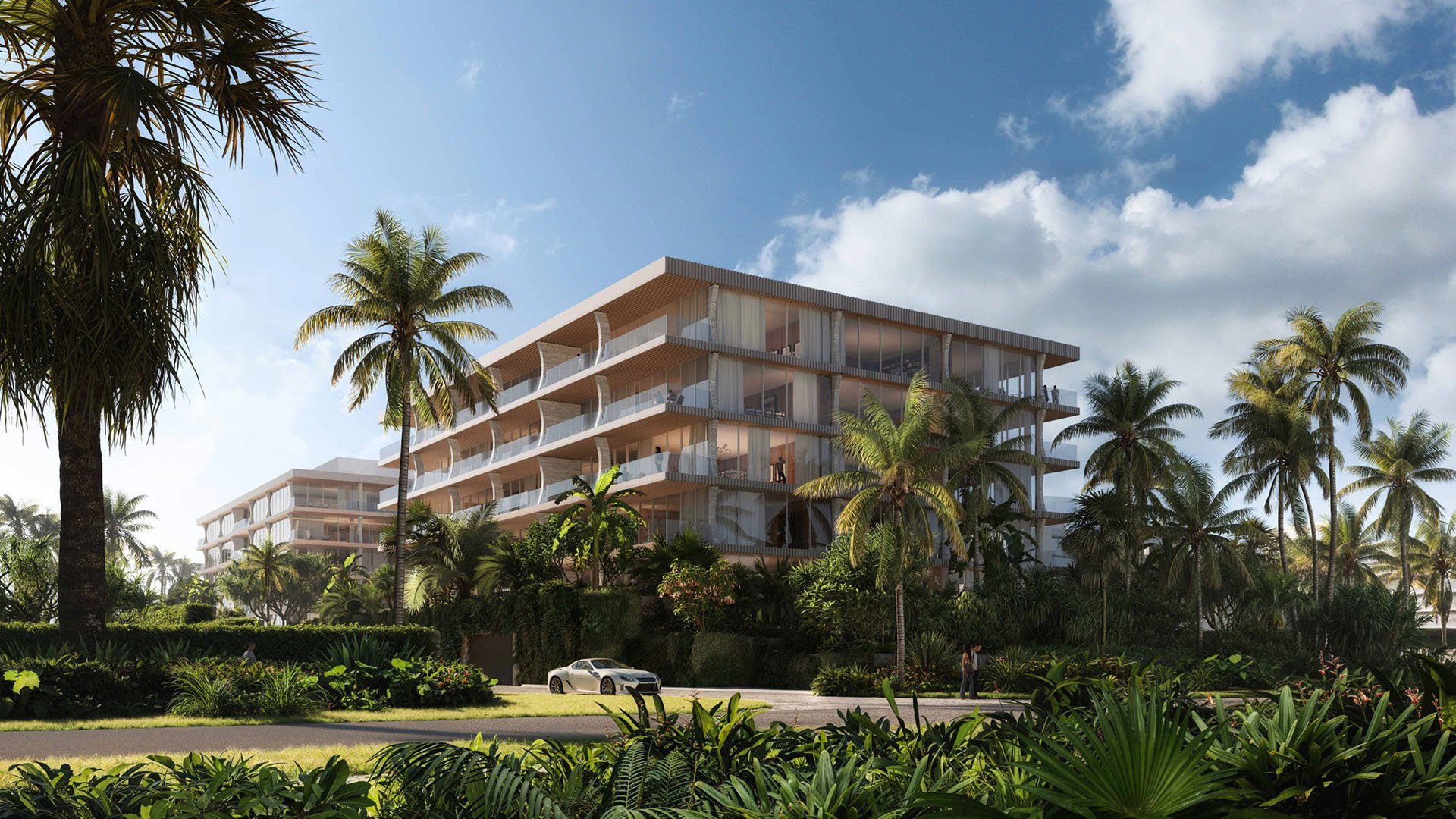
For many Chicago families considering Palm Beach, the purchase is not simply a move to warmer weather. It is a recalibration of daily life, school access, family governance, and long-term residence intent. The strongest moves are planned as a sequence, not treated as a single transaction. A contract date, a school start date, and a domicile plan rarely run on identical timelines.
That is why the conversation should begin before the home search becomes emotionally fixed. A residence that is ideal for entertaining may be less effective if morning drop-off, tutoring, athletics, grandparents, domestic staff, airport access, and weekend routines have not been considered together. In the ultra-premium market, the better question is not only where the family wants to live. It is how the family intends to be seen, served, educated, and administratively grounded.
Palm Beach offers a distinct rhythm: private, polished, and deeply residential. Nearby West Palm Beach, Boca Raton, Palm Beach Gardens, and other enclaves can add flexibility for families seeking a different blend of convenience, space, school proximity, and building style. The art is deciding which location supports the family’s school strategy and residence intent without forcing compromises that become visible after move-in.
Private-school planning should be treated as a first-order real estate variable. For relocating families, the school conversation can influence not only neighborhood preference, but also the type of property that makes sense. A family with younger children may prioritize predictable commute patterns, play space, and proximity to other families. A family with older students may place greater emphasis on independence, quiet study areas, athletics, and access to social or academic commitments.
The key is to avoid treating school and property as parallel tracks handled by different advisers who rarely speak. Admissions timing, grade placement, sibling considerations, interviews, testing expectations, and the family’s desired start date can all shape the real estate brief. Some buyers begin with a seasonal rental or a Second-home posture while they evaluate school fit. Others prefer to commit to a permanent residence so the household presents a coherent plan from the outset.
For families focused on a Palm Beach address, Palm Beach Residences may naturally enter the residence conversation as part of a search centered on the island. For those who want Palm Beach proximity with a West Palm Beach lifestyle, buildings such as Alba West Palm Beach can be considered within a broader plan that balances access, privacy, and daily movement.
Domicile alignment is often misunderstood because it can sound like a form to be filed. In practice, it is better understood as a pattern of life. Families should consider where they actually spend time, where household records point, where professional advisers are coordinated, where children attend school, where physicians are used, where charitable life is centered, and how the home is occupied throughout the year.
This is not an area for casual assumptions. Buyers should work with qualified tax, legal, and estate advisers before making decisions that may affect residency, asset structuring, trusts, operating entities, or family governance. The real estate adviser’s role is different but highly relevant: to help select a residence that supports the intended pattern rather than undermines it.
A home that remains lightly used while the family’s functional life continues elsewhere may not serve the same purpose as a property that becomes the center of the household. Conversely, a family may intentionally maintain more than one residence, but should understand how that choice interacts with school commitments, travel, staffing, and record-keeping. The point is not to make the house perform legal work by itself. The point is to avoid choosing a house that contradicts the plan counsel is helping the family build.
Palm Beach and West Palm Beach are often discussed together, but they offer different daily experiences. Palm Beach is more secluded and ceremonious, with a residential character that appeals to buyers seeking discretion and continuity. West Palm Beach can offer a more connected urban rhythm, with restaurants, services, cultural activity, and newer residential options that may suit families wanting convenience without leaving the Palm Beach orbit.
This is where lifestyle becomes a serious planning word rather than a marketing flourish. The right choice may depend on whether parents work remotely or travel frequently, whether children have after-school commitments, whether the household expects regular visiting family, and whether the family prefers an island routine or a more connected mainland base.
A buyer comparing these possibilities might weigh Forté on Flagler West Palm Beach against island-focused options, not as a simple hierarchy, but as a question of rhythm. Farther north, The Ritz-Carlton Residences® Palm Beach Gardens may enter the discussion for families who want another version of the Palm Beach County lifestyle within a different daily geography.
For Chicago families, the emotional temptation is to solve everything at once: buy the residence, select the school, move the staff, shift advisers, redesign the estate plan, and establish a new routine. A more elegant approach is layered.
First, define the family’s non-negotiables. These may include school timing, bedroom count, privacy, security, outdoor space, pet needs, proximity to relatives, aviation access, or staff accommodations. Second, separate preferences from true constraints. A preferred view is not the same as a school commute repeated twice a day. Third, create a transition calendar that reflects the real sequence of decisions.
Private-school applications and home negotiations may move at different speeds. Renovation plans may not align with the academic year. A condominium may be move-in ready, while a single-family home may require staffing and maintenance decisions. A family that accepts these differences early can make a calmer, more strategic purchase.
This is also where buyer’s guides can be useful, not as generic checklists, but as frameworks for turning a beautiful search into an executable relocation. The best families behave like principals of a private office: they centralize information, clarify authority, and make sure every adviser understands the same goal.
A strong brief should include more than budget and preferred views. It should describe how the household lives on a Tuesday morning, not only how it entertains on a Saturday night. Discuss school targets, commute tolerance, privacy expectations, domestic staff requirements, family office needs, pets, storage, cars, boats if relevant, wellness routines, and the likelihood of guests.
Be candid about domicile intent, while leaving legal interpretation to counsel. If the Palm Beach residence is expected to become the primary center of life, the search should emphasize usability, not just prestige. If it is expected to function as a seasonal base at first, the property should still be selected with the possibility of deeper commitment.
The most refined relocations are rarely the loudest. They are the ones where the residence, school plan, tax posture, and family rhythm feel aligned before the first dinner party is hosted.
Should Chicago families choose a school before buying in Palm Beach? Ideally, the two decisions should be coordinated. School timing can materially shape the best location, commute tolerance, and property type.
Is domicile determined by simply buying a Palm Beach home? No. Domicile is better understood as a broader pattern of life and intent, which should be reviewed with qualified legal and tax advisers.
Can a Second-home become a primary residence later? It can, but the purchase should be evaluated for both current and future use. A seasonal property may not always function well as a full-time family base.
Why does Private-school planning affect the real estate search? It influences timing, daily routes, household routines, and the level of flexibility a family needs during the first year of transition.
Should buyers focus only on Palm Beach? Not necessarily. West Palm Beach, Palm Beach Gardens, Boca Raton, and other nearby areas may offer different forms of convenience and residential fit.
When should advisers be involved? Legal, tax, estate, and school advisers should be involved early enough to shape the plan before a residence decision becomes fixed.
Is a condominium practical for relocating families? It can be, especially for buyers who value services, security, and lock-and-leave ease. The right answer depends on household size and daily routine.
What is the biggest mistake in this type of move? Treating the home, school, and domicile plan as separate decisions. They function best when designed as one coordinated transition.
How should families compare Palm Beach and West Palm Beach? Compare the daily rhythm rather than only the address. Privacy, access, services, school movement, and family habits should guide the decision.
What should a buyer prepare before touring homes? Prepare a household brief that includes school goals, timing, travel patterns, staffing needs, privacy expectations, and intended use of the residence.
If you'd like a private walkthrough and a curated shortlist, connect with MILLION.
If branded residences are on your mind — as a home or as an allocation — we would be glad to share what we are seeing, privately.
Begin a quiet conversation