A discreet buyer’s guide to reading Setai Residences Miami Beach through service charges, operating budgets, reserves, insurance, and hotel-cost allocation.
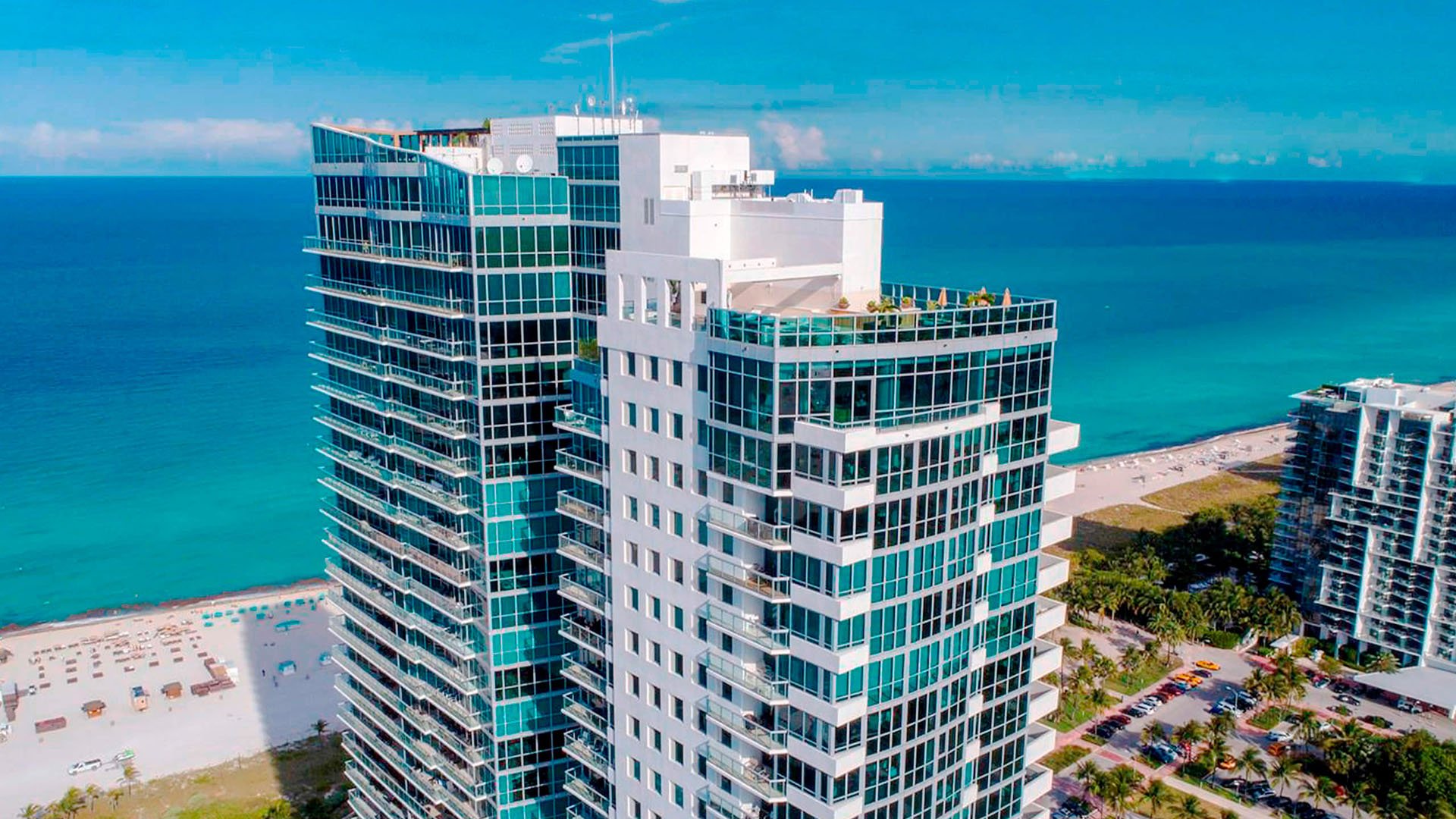
For a buyer considering Setai Residences Miami Beach, the central ownership question is not simply whether the residence delivers the right view, finish level, or hotel atmosphere. It is how the property’s hybrid structure translates into monthly service charges, operating budgets, reserves, and future exposure.
Setai Residences Miami Beach is best understood as an oceanfront hotel environment paired with high-end condominium residences. That combination is precisely what makes it compelling to many owners, and precisely why the financial review requires more nuance than a conventional condominium. A service charge in a hotel-condominium setting may reflect ordinary residential expenses, shared-facility obligations, insurance, staffing, capital planning, and hospitality-adjacent costs that require careful separation.
The headline monthly maintenance figure should be treated as the beginning of the conversation. In this tier of Miami Beach ownership, the more sophisticated question is not “Is the fee high or low?” It is “What does the fee actually buy, what does it exclude, and how might it change?”
The first document to understand is the operating budget. It is the clearest map of how money flows through the property. A buyer should ask for the most current budget available, then read it line by line with attention to categories, assumptions, and allocation methods.
The monthly service charge should be broken into its major components. Which costs are routine building operations? Which are association-level obligations? Which relate to shared facilities? Which expenses support the hospitality character of the property? The answers matter because two residences with similar monthly fees can carry very different cost profiles if one budget is weighted toward predictable infrastructure and another toward service intensity.
This is where condo-hotel diligence departs from ordinary condominium diligence. At Setai, buyers should focus on how hotel-related costs are allocated among residential owners, hotel operations, and shared spaces. If a lobby, pool area, service corridor, staff function, or other common component benefits more than one constituency, the allocation method should be clear, documented, and consistent with the governing agreements.
For comparison-minded Miami Beach buyers also looking at The Perigon Miami Beach or Shore Club Private Collections Miami Beach, this is where generic fee comparisons become less useful. The right question is not whether one monthly number is lower. The right question is whether the number reflects the ownership experience, the risk profile, and the building’s long-term capital needs.
Shared-facilities agreements are especially important at a branded condo-hotel because they can determine how common-area and amenity costs are split. These agreements should help explain who pays for what, when, and under what formula. They may also define the relationship between residential ownership, hotel operations, and shared lifestyle infrastructure.
A buyer should ask direct questions. What is included in the monthly charge? What is excluded? Which services are required association expenses, and which are optional or usage-based? Are any hotel-related services billed separately? Are there costs that appear in one budget category but are effectively tied to the broader hospitality platform?
This distinction is not merely academic. Required association charges affect baseline carrying cost whether the owner uses every amenity or not. Optional hospitality services, by contrast, may depend on personal lifestyle. A seasonal owner, a full-time resident, and an owner who uses more hotel-style services may experience total annual cost differently, even if the required monthly charge is the same.
Oceanfront luxury ownership in Miami Beach places insurance near the top of the diligence list. Buyers should examine how insurance appears in the operating budget, whether it is treated as a major cost category, and how changes in premiums could affect future service charges. The goal is not to predict the market perfectly. It is to understand how sensitive the building’s budget may be to insurance movement.
Reserves deserve the same level of attention. Reserve schedules should be reviewed to determine whether future repairs and replacements are being funded in advance. In a high-service oceanfront property, capital needs can be meaningful, and the timing of projects can influence assessments, reserve contributions, and monthly charges.
Capital projects are another cost driver. Buyers should ask whether any major work is planned, recently completed, or under discussion. They should also ask how projects are funded: through existing reserves, special assessments, borrowing, increased monthly charges, or some combination. The absence of a current assessment does not automatically mean the absence of future capital exposure.
For buyers comparing Setai with other Branded Residences or service-forward properties such as The Ritz-Carlton Residences® Miami Beach, reserve philosophy can be just as important as brand perception. A refined ownership experience should still be supported by disciplined financial planning.
The appeal of Setai is tied to its blend of residence and hotel atmosphere. That is also why a buyer should separate predictable building expenses from discretionary lifestyle spending. Predictable expenses include the categories necessary to operate, insure, maintain, and preserve the property. Discretionary items are those tied to personal consumption of hospitality services or enhanced convenience.
This distinction helps an owner model total carrying cost more intelligently. A buyer should not assume that the monthly service charge captures the entire ownership experience, nor should they assume that every luxury service is automatically included. The more precise the separation, the easier it becomes to compare Setai to a non-hotel condominium, a private residential tower, or another hospitality-influenced property.
For buyers, the strongest review is rarely about chasing the lowest fee. It is about confirming that the service charge is understandable, the budget is rational, the reserves are credible, and the hotel-cost allocation is transparent.
Before waiving key contingencies, a buyer should request the current operating budget, recent financial statements if available through the appropriate process, reserve schedules, governing documents, shared-facilities agreements, and any disclosures related to assessments or anticipated fee changes. The review should be handled with qualified legal, accounting, and condominium advisory support.
The most important questions are practical. Are current fees stable? Are increases expected? What assumptions drive those projections? Which budget categories have moved most materially? Is insurance creating pressure? Are reserves fully funded for expected work? How are shared hotel amenities allocated? What costs sit outside the required monthly charge?
These questions are especially important in oceanfront Miami Beach ownership because the lifestyle premium and the physical environment both matter. The finest residence can still be the wrong acquisition if the operating structure is poorly understood.
Setai Residences Miami Beach should be approached as a sophisticated ownership proposition rather than a simple maintenance-fee comparison. Its hotel-condominium structure is part of the attraction, but it also makes the budget review more layered. Buyers should focus on allocation, reserves, insurance, capital planning, and the line between required charges and optional services.
A polished lobby and a serene oceanfront setting can define the emotional case for ownership. The operating budget defines the financial case. The best buyers study both with equal care.
Why are service charges at Setai more complex than at a conventional condo? Setai combines an oceanfront hotel environment with condominium residences, so shared facilities and hospitality-related allocations require closer review.
Should I rely on the advertised monthly maintenance figure? No. Treat it as a starting point, then ask what is included, what is excluded, and what may be billed separately.
What document matters most in the budget review? The operating budget is central because it shows how expenses are organized and how money flows through the property.
Why do shared-facilities agreements matter? They can determine how common-area, amenity, and hotel-related costs are split among residential and hotel interests.
Is insurance a major issue for Miami Beach luxury condos? Yes. Insurance should be reviewed carefully because it can be a significant budget category for an oceanfront property.
What should I ask about reserves? Ask whether future repairs and replacements are being funded in advance and whether reserve planning appears adequate.
Can capital projects affect monthly charges? Yes. Capital work can influence reserves, special assessments, borrowing needs, and future service-charge increases.
Are all luxury services usually included in the monthly charge? Not necessarily. Buyers should distinguish required association charges from optional or usage-based hospitality services.
How should Setai be compared with other Miami Beach properties? Compare insurance, reserves, capital planning, and hotel-cost allocation rather than relying only on a generic fee comparison.
What should I ask before making a final decision? Ask whether fees are stable, whether increases are expected, and what assumptions drive the current operating budget.
For a confidential assessment and a building-by-building shortlist, connect with MILLION.
If branded residences are on your mind — as a home or as an allocation — we would be glad to share what we are seeing, privately.
Begin a quiet conversation