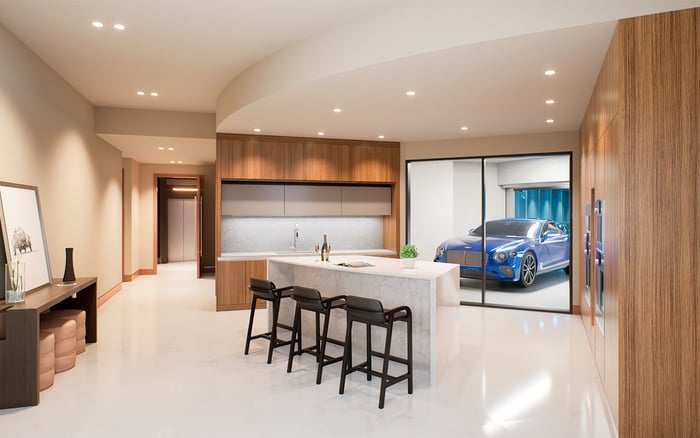
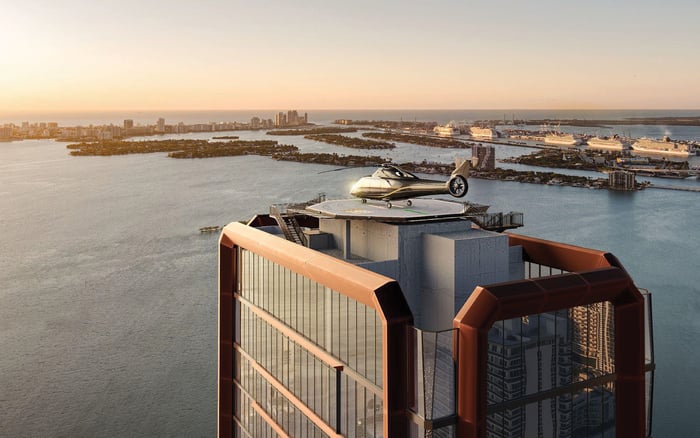
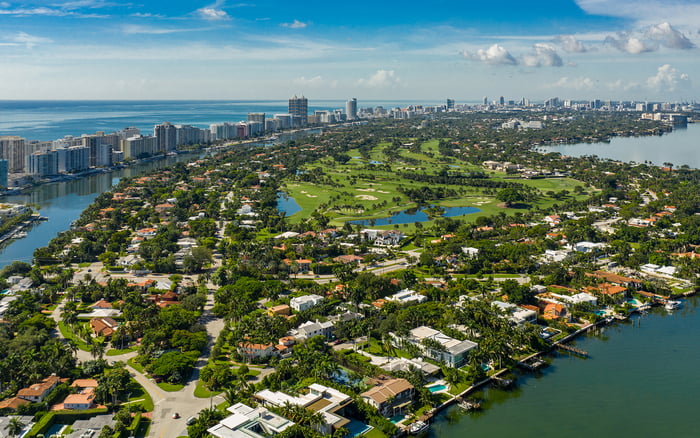
South Florida’s new generation of luxury condominiums is being designed as much for world class art collections as for ocean views. Art Ready Residences combine gallery scaled interiors, neutral museum calibre finishes, Museum Grade Lighting, tightly controlled temperature and humidity, and robust security that can include Safe Rooms and dedicated vaults. For buyers relocating to Miami, Sunny Isles Beach and the wider region with serious collections, these features are moving from nice to have to non negotiable and are reshaping what true luxury living looks like.
South Florida is no longer only about ocean views and resort style amenities. For a growing group of global buyers, the true luxury is the ability to live with a museum level collection every day. Miami Beach, Sunny Isles Beach and Brickell now attract collectors who sit on museum boards, travel the Art Basel circuit and expect their homes to function as private galleries as much as residences.
Developers have responded with a new benchmark: Art Ready Residences. These are condominiums and penthouses conceived from the first sketch to showcase and protect serious art. Ceiling heights, wall placement, lighting layouts, mechanical systems and security infrastructure are all planned with canvases, sculptures, photography and rare objects in mind. At the price points that define Sunny Isles Beach waterfront or prime urban towers, buyers increasingly view these attributes as a baseline, not an upgrade.
For clients of MILLION Luxury, the conversation often starts with lifestyle and location but very quickly turns to how the home will support the collection. Can a triptych be seen from the entry sequence. Is there a discrete spot for a prized bronze. Can a digital work be integrated without disrupting a serene interior. The best buildings now answer yes on all counts while preserving an atmosphere of calm, understated luxury.
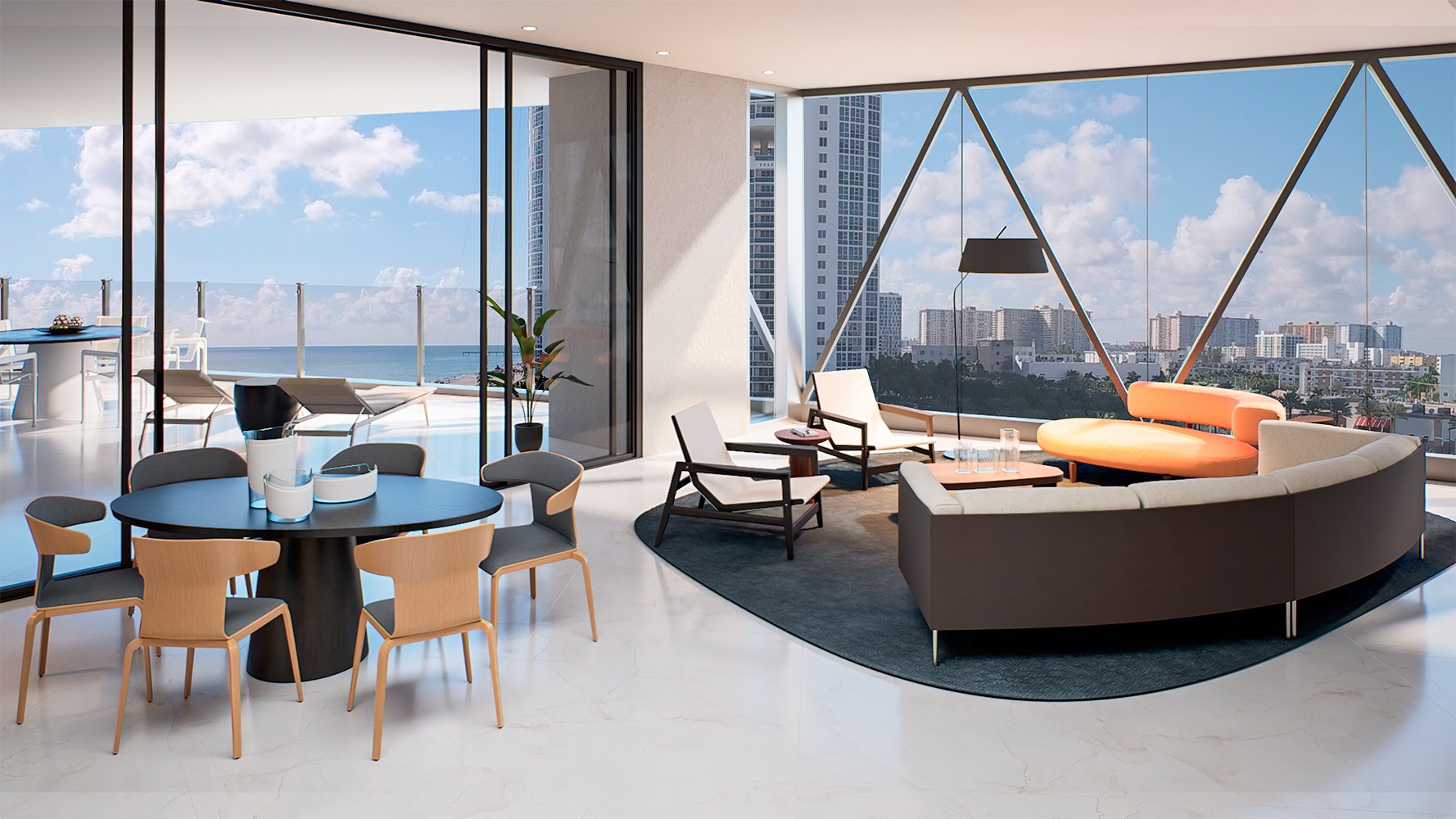
The foundation of any Art Ready Residence is proportion. Large scale works need generous wall runs and ceiling heights that are closer to a gallery than a typical apartment. In South Florida’s newest luxury towers, open plan great rooms with ceilings of ten to twelve feet or more create long sightlines and allow important pieces to be read from across the space. Structural columns are pushed to the perimeter whenever possible so that furniture and art can be composed freely.
Behind the paint, these walls are engineered for performance. Key partitions may be reinforced to carry the weight of oversized canvases or stone pieces. Discreet track hanging systems can be recessed into the ceiling line so a collector can rehang, rotate or temporarily remove works without leaving a patchwork of holes. Millwork niches and low plinths are integrated into living rooms and galleries so sculptures and objects feel anchored to the architecture rather than perched on temporary stands.
Finishes play a supporting role. In art focused residences the palette is typically quiet and timeless. Soft white or stone toned walls, pale oak or limestone flooring and subtly textured plaster allow colour and form in the art to take the lead. Reflective surfaces are used sparingly, both to reduce glare and to prevent visual competition. Even glazing is chosen with care, with high performance glass that filters ultraviolet exposure while still preserving the luminous South Florida light that buyers love.
Certain towers illustrate how architecture and art can reinforce each other. Muse Sunny Isles, for example, is known for its limited number of residences and expansive, through floor layouts that frame both ocean and Intracoastal views. The scale of these rooms, combined with panoramic glazing and minimal interior obstructions, gives collectors a powerful canvas for display. Similarly, Bentley Residences brings automotive level craftsmanship into a high rise setting, pairing large format residences with long, uninterrupted walls that are well suited to museum scale works.
For collectors, the aesthetic takeaway is clear. Seek residences where the volume of the rooms, the placement of walls and the restraint of the materials allow art to breathe. A glamorous kitchen or primary suite can always be refined later. The core architecture of height, light and wall space is much harder to change once the building is complete.
Even the most beautifully proportioned room will underserve a collection if the lighting is an afterthought. Museum Grade Lighting has quickly become one of the most important features in high end condos catering to art owners. Instead of a simple grid of downlights, these homes rely on flexible systems that combine recessed fixtures with adjustable heads and tracks aimed precisely at key walls.
Warm, low heat LED lamps with a high colour rendering index are now standard in serious art homes. They allow a painting’s palette to appear as the artist intended, without the drifting colour or harshness that can come from outdated sources. Beam spreads can be narrowed to spotlight a single work or widened to wash an entire wall. In secondary spaces, indirect lighting is often used so delicate works on paper or textiles receive gentle, diffuse illumination.
Florida’s climate introduces another layer of complexity. Heat, humidity and intense sun can be punishing for many materials. Sophisticated Art Ready Residences integrate tight control of temperature and humidity, often targeting roughly seventy degrees Fahrenheit and a relative humidity around fifty percent with minimal daily fluctuation. Mechanical engineers design ductwork and sensors so that the air in gallery areas is as stable as possible, and high efficiency filtration reduces dust and pollutants that could settle on surfaces.
Daylight is carefully managed rather than banished. Floor to ceiling windows remain a hallmark of luxury living, particularly in oceanfront areas such as Sunny Isles Beach, but the most collector friendly buildings pair them with motorised shades and smart glass. Automated modes allow a resident to lower sheer or blackout shades during peak sun hours or whenever a particularly light sensitive piece is on view. In practice, many owners keep the most fragile works on interior walls and treat window walls as an opportunity for more durable media or for views to act as the artwork.
All of this is orchestrated by integrated technology. A single interface can call up a gallery scene that dims ambient lighting, brings select spots to full output, nudges the temperature down a degree or two and closes shades in vulnerable zones. Remote monitoring lets owners confirm that conditions remain within target ranges while traveling. For clients who own multiple homes, the comfort of knowing that every property is holding a stable environment for art is a significant, if invisible, luxury.
For collections that may be worth as much as the residence itself, display is only half of the equation. Security must be comprehensive yet discreet. At the building level, the most advanced towers layer staffed entry points, controlled elevator access, guest registration and surveillance into a seamless experience that still feels residential. Residents should feel protected, not processed.
Inside the home, the conversation often begins with everyday secure storage. At Bentley Residences, for example, expansive primary suites are planned with large walk in closets where built in safes are a standard feature rather than an optional extra. This reflects a broader expectation that every ultra luxury condo should provide a secure place for watches, jewellery, small collectibles and essential documents as part of its core offering.
Safe Rooms introduce an additional level of protection. While not every buyer will require a fully fortified space, more new development buyers are asking where such a room could be located or how easily a study or secondary bedroom could be upgraded with reinforced doors, communication lines and independent ventilation. For some clients, a Safe Rooms concept extends to a compact, climate controlled vault within the residence or in a building level facility, where pieces that are not on display can be stored away from light and potential impact.
Equally important is how all of this is controlled. Integrated security systems allow residents to arm or disarm zones, review camera feeds and receive alerts without a tangle of separate apps. Panic buttons or discreet keypads can connect directly to building security for rapid response without drawing attention. The guiding principle is that a true luxury home should let the art and the view take center stage, while the protective infrastructure works quietly in the background.
For collectors evaluating a purchase in South Florida, a simple checklist can clarify whether a residence truly supports a collection or merely references art in its marketing. Start with volume. Are there long, continuous walls free of doors and bulkheads. Do ceiling heights feel generous throughout the main living spaces, not just in one dramatic room. Can the layout accommodate a variety of hanging plans as the collection evolves.
Next, look at the lighting and mechanical systems. Ask whether the developer has planned for Museum Grade Lighting with dedicated circuits, dimming and aiming flexibility. Request information on how temperature and humidity are managed and whether sensors can be added in key art areas. Inspect the glazing and shading. UV filtering glass and motorised shades should be considered essentials rather than special requests in a climate like South Florida.
Security and storage are the final pieces. Confirm whether there is a built in safe, whether a larger safe can be comfortably integrated into a closet or study, and where a potential Safe Rooms location might be. If the building offers additional storage rooms, ask whether any can be finished to vault standards and whether the association allows fine art to be stored there. Buyers who address these questions at the contract stage are better positioned to customise their homes during construction and avoid costly retrofits.
For those still surveying the market, towers such as Bentley Residences and Muse Sunny Isles demonstrate how different brands interpret the needs of collectors in a Sunny Isles Beach setting. One leans into automotive heritage and sky garages, the other into boutique scale and beachfront intimacy, yet both prioritise volume, views and technology in ways that suit important collections. Studying how these projects handle art can sharpen your criteria even if you ultimately purchase in another building.
Finally, remember that your collection is unique. A residence that is perfect for large scale contemporary canvases may need adjustment for works on paper or digital installations. The most successful Art Ready Residences result from a dialogue between buyer, architect, lighting designer and security specialist. For guidance on which new developments and resales best align with your collection and lifestyle, you can explore building profiles and insights curated by MILLION Luxury and then tailor your short list accordingly.
What defines an art ready residence in South Florida?
An art ready residence is planned from the outset to display and protect a serious collection. That typically means generous wall space, higher ceilings, neutral finishes, Museum Grade Lighting, stable climate control and integrated security. The goal is to achieve many of the safeguards of a museum while preserving the comfort and ease of a private home.
How important is museum grade lighting for a condo collection?
Lighting is critical. High quality LED fixtures with precise beam control and strong colour rendering can reveal nuance in a painting or sculpture that poor lighting would flatten. In a condominium setting, Museum Grade Lighting also helps mitigate issues caused by reflections from glazing and finishes. It allows you to create different moods for everyday living, private viewing and entertaining without compromising preservation.
Do I really need a safe room or vault for my collection?
Not every collector needs a full Safe Rooms installation, but every buyer at the top end of the market should plan for secure storage. At a minimum, that means a high quality safe in a convenient location for jewellery, small works and documents. For larger or more valuable collections, a dedicated vault or a reinforced room that can shelter both people and select pieces during extreme weather or other events can be a wise investment.
Where in South Florida are collectors focused today?
Collectors are gravitating toward waterfront and urban cores that blend culture with convenience. Sunny Isles Beach appeals to those who want beachfront towers such as Bentley Residences and Muse Sunny Isles, while Brickell and downtown Miami attract buyers who prioritise proximity to museums, restaurants and offices. Palm Beach County and Boca Raton remain important for estate style living that can also support significant art.
What is the best way to start evaluating buildings as a collector?
Begin by touring with your collection in mind rather than the standard feature list. Look for volume, light control and security infrastructure before you assess finishes or amenities. Bring dimensions and photographs of key works and imagine where they might live in each plan. For a discreet discussion of which South Florida residences best match your collection and long term plans, connect with MILLION Luxury.
If branded residences are on your mind — as a home or as an allocation — we would be glad to share what we are seeing, privately.
Begin a quiet conversation