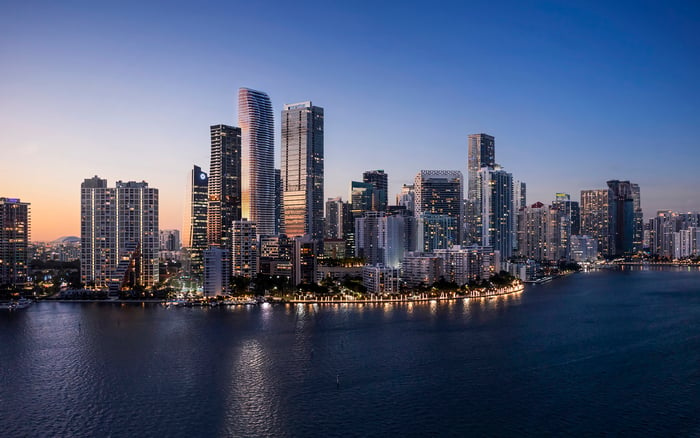
Florida has become a global hub for high end property, attracting international buyers to Miami, Sunny Isles Beach, Palm Beach and beyond. While many foreign buyers assume that cash is the only realistic option, sophisticated mortgage programs, from foreign national and DSCR loans to developer backed structures, mean that financing is both attainable and strategically attractive. With the right preparation, documentation and advisory team, global buyers can use leverage to secure Florida luxury real estate while preserving liquidity and managing currency and tax considerations.
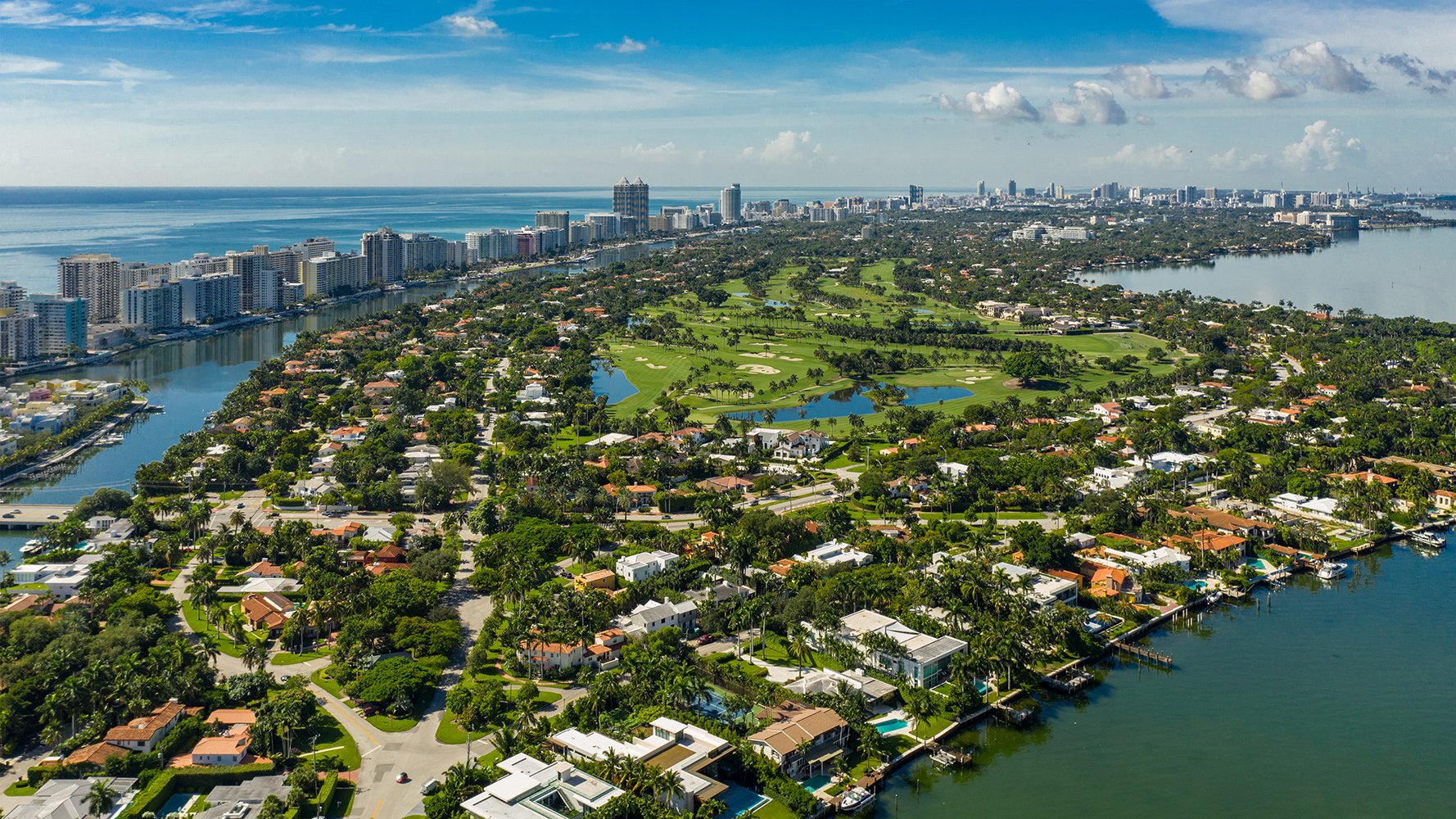
For international families and investors, Florida luxury real estate has become a preferred way to balance lifestyle and capital preservation. From glass walled penthouses in Miami to oceanfront estates in Palm Beach, the state offers a level of sun, service and security that is difficult to replicate elsewhere. Many buyers arrive expecting to pay in cash, particularly at the upper end of the market. Yet foreign buyer financing can be an elegant way to hold a larger cash position, diversify globally and still secure a prime address.
Contrary to a common misconception, securing a mortgage as a non resident is not only possible, it is routine in the upper tiers of the market. Specialist lenders have built dedicated programs for foreign nationals who may have no US credit history, no Social Security number and income earned entirely abroad. By understanding how these programs work before you begin touring properties, you position yourself to move quickly when the right residence appears and to negotiate from a position of strength.
Florida luxury real estate benefits from a rare combination of global connectivity, tax efficiency and lifestyle. Miami and its surrounding neighborhoods stand out for their year round climate, world class dining and cultural life, while enclaves such as Sunny Isles Beach and Palm Beach appeal to buyers seeking quieter waterfront living. There are no citizenship restrictions on ownership, and property rights are well established, which gives international owners confidence that wealth placed here is secure and transferable across generations.
At the very top of the market, branded developments set the tone. The St. Regis Residences in Brickell bring hotel level service to a residential tower, with formal lounges, signature spa experiences and staffed amenity floors that feel like a private members club. Along the shoreline of Sunny Isles Beach, the oceanfront Bentley Residences offers a striking sixty plus story profile, with private car lifts that deliver owners directly to their residence level and expansive terraces that blur the line between interior and sky. Further north, Waldorf Astoria Residences Miami, The Ritz-Carlton Residences and other marquee names give foreign owners a familiar brand standard in an unfamiliar market.
For many international buyers, these projects are aspirational assets rather than first homes. Financing becomes a strategic tool rather than a necessity. Used thoughtfully, a mortgage can allow you to control a best in class residence while allocating surplus capital to operating businesses, private equity, or simply holding cash in your home currency. The key is to choose a structure that matches your broader portfolio and the way you intend to live in or use the property.
Florida banks and specialty lenders offer several categories of loans that have been created specifically for non US clients. The most frequently used in the luxury segment include foreign national loans, DSCR loans for income producing property, ITIN mortgages, conventional loans for residents and private credit solutions. Each has its own documentation standard, pricing and ideal use case.
These programs are designed for buyers who live and earn primarily outside the United States. Instead of relying on a US credit score, lenders review international bank references, audited financial statements, business ownership records and global asset positions. Expect to contribute approximately 25 to 40 percent of the purchase price as a down payment, with interest rates typically somewhat higher than a comparable loan for a US borrower. For clients with substantial liquid reserves, the slight rate premium is often acceptable in exchange for preserving capital and establishing a long term US banking relationship.
A debt service coverage ratio, or DSCR, mortgage focuses on the ability of a property to pay for itself. The lender underwrites projected rental income against all debt obligations, including principal, interest, taxes and insurance. If the ratio is strong enough, approval may be granted with minimal review of the borrower’s personal income. For a foreign investor acquiring a Miami rental portfolio or a single branded residence that will be let when not in use, a DSCR loan can align financing with the investment thesis and create a clean separation between personal and investment cash flows.
Some foreign buyers obtain an Individual Taxpayer Identification Number, or ITIN, from the Internal Revenue Service. Originally intended for individuals who are not eligible for a Social Security number, ITINs can also support mortgage applications. Banks that offer ITIN programs will still require income and asset documentation, but the presence of a US tax identifier simplifies reporting, allows rental income to be declared and can make an underwriter more comfortable with long term exposure to a client who has no US citizenship or residency.
Foreign nationals who have become lawful permanent residents or who work in the United States on qualifying visas may be eligible for standard conforming mortgages. These loans usually require a history of US employment, tax returns and a credit score, but in exchange they offer lower down payment options and pricing similar to that of domestic borrowers. For an executive relocating to Miami or a family establishing a base in Florida, it can be worth building credit early and maintaining clean US banking relationships in order to access these structures.
When timing is critical or documentation is complex, private credit funds and boutique lenders step in. Their underwriting is driven primarily by the value of the collateral and the buyer’s overall financial profile, rather than rigid checklists. Rates are typically higher and terms shorter, which makes this form of borrowing best suited to bridging situations, for example closing quickly on a rare penthouse and refinancing later into a longer term facility once full documentation is in place. For the right profile, it can be the difference between securing an irreplaceable residence and watching it trade to a faster bidder.
Pre construction luxury condominiums often follow a deposit schedule that mirrors staged financing. A buyer may sign a contract with a series of deposits during construction and the balance due at closing, sometimes with a preferred lender ready to provide a mortgage on completion. For foreign clients, this structure eases capital outlay and can align payment timing with other liquidity events. In highly sought after towers, developers may also offer incentives or rate buydowns for buyers who partner with their chosen lending institutions.
Compared with domestic borrowers, foreign buyer financing typically involves more conservative loan to value ratios. Many banks in Florida request down payments of at least 30 percent for high value property, sometimes more for purely investment driven purchases. In addition, it is common to demonstrate six to twelve months of mortgage payments and expenses in reserve, held in a verifiable account. This level of equity serves as a cushion for the lender and an additional comfort for the owner in periods of market volatility.
Documentation standards are exacting but navigable with preparation. Expect to provide a current passport and visa where applicable, earnings statements or audited accounts, personal and business bank statements, and letters of reference from primary banking institutions. Global regulators have heightened their focus on source of funds, so full transparency around how purchase capital was accumulated is not only expected, it is mandatory. Approaching the process with organized files and clear narratives keeps approvals on track and avoids last minute requests.
Currency and interest rate dynamics are another element of risk management. A buyer whose income is denominated in euros, sterling or reais must consider both the cost of converting capital to dollars and the potential future movement of exchange rates relative to a long dated mortgage. Some clients choose to hedge currency exposure or maintain a mix of US and home currency assets. Others prefer a more conservative loan size to ensure that repayments remain comfortable under different FX scenarios and under varied interest rate environments.
Ownership structure sits at the intersection of privacy, estate planning and tax. Many international families purchase through a US limited liability company or trust, which can ring fence liability and streamline succession planning. However, these structures interact with financing and with US tax regimes such as FIRPTA, which governs tax withholding when foreign owners sell. Selecting the appropriate structure early, in tandem with lender counsel and cross border tax advice, is essential so that the loan, the title structure and the long term family plan all support one another.
Finally, the regulatory backdrop is evolving. Certain categories of buyers from specific countries may face restrictions on purchasing near sensitive sites or on agricultural land. While these rules rarely touch the beachfront and urban condominium segment, a seasoned Florida real estate attorney should review your plans to ensure compliance and to anticipate any documentation the bank may request in response. When properly guided, most international buyers investing in residential property in Miami, Sunny Isles Beach or similar markets encounter few practical obstacles.
The most efficient transactions are anchored by a specialist team that understands both the luxury market and the nuances of foreign buyer financing. A mortgage adviser accustomed to structuring loans for global entrepreneurs, a Florida real estate attorney with international clients, and a discreet agent who lives in the upper tier of the market together create a single channel of communication across time zones and languages. This reduces friction and keeps all parties aligned from offer through closing.
Securing a tailored pre approval before active home shopping brings discipline to the process. It clarifies your purchasing power, surfaces any documentation gaps early and signals to sellers in competitive neighborhoods that you are a serious counterparty. In markets such as Miami and Sunny Isles Beach, where prime penthouses can attract multiple offers, a strong pre approval often carries as much weight as a high cash deposit and can help you negotiate more favorable contract terms.
From a practical perspective, opening a US bank account well in advance, consolidating required capital and planning wire transfers are as important as selecting the right building stack. Florida luxury homes come with recurring costs such as association fees, property taxes, insurance and staffing. Aligning these obligations with rental income if you intend to lease your residence, or with other portfolio income if you do not, ensures that financing enhances your lifestyle rather than constraining it. The goal is a structure that feels seamless in daily life even as it is carefully engineered on paper.
At MILLION Luxury, we view financing as one component of a broader strategy to curate a life in Florida that feels both effortless and financially intelligent. For some clients that may mean a foreign national loan on a pied a terre in Miami, balanced by cash holdings abroad. For others it may involve DSCR financing on a portfolio of branded condos that are professionally managed as rentals. The common thread is that structure follows intention, and that every element of the transaction, from loan terms to building choice, is aligned with your family’s priorities.
Can I obtain a Florida mortgage without a US credit score? Yes. Many lenders offer foreign national loan programs that rely on international bank references, audited financial statements and global asset positions rather than a US credit score. You will still need to document income and liquidity carefully, but a lack of domestic credit history on its own does not prevent financing. Working with a broker who regularly places this type of loan can help you identify the most receptive institutions.
How much do foreign buyers typically need to put down on a Florida luxury property? Foreign buyers should generally plan for a down payment of at least 30 percent, and in some cases 40 percent or more for very high value or purely investment focused purchases. Lenders may also require several months of reserves in a verifiable account to cover mortgage payments, taxes and insurance. A larger equity position can improve your negotiating leverage on both rate and terms.
Can I buy through an LLC and still secure financing? Many international clients choose to acquire property through a US limited liability company or trust for privacy, liability and estate planning reasons. Several lenders are comfortable making loans to such entities, particularly where the beneficial owner provides a personal guarantee and full transparency on ownership. It is important to coordinate structure with both your attorney and your lender at the outset so that financing requirements and tax objectives are aligned.
What is the best way to finance a pre construction condo in Miami? Pre construction purchases are typically structured around a series of deposits during the build and a final payment at closing, which may be funded with a mortgage. Some developers partner with preferred lenders and may offer incentives for using them. The optimal approach depends on your liquidity, timing and currency considerations, so modelling different deposit and loan scenarios in advance is wise before you commit to a specific tower or line.
How can I get tailored advice on foreign buyer financing in Florida? Because every international buyer’s profile and objectives are distinct, bespoke guidance is essential. Your team should include a mortgage specialist experienced with foreign nationals, a Florida real estate attorney and a tax adviser who understands cross border planning. For a private conversation about your goals and a review of potential financing paths, you can connect with the advisory team at MILLION Luxury.
If branded residences are on your mind — as a home or as an allocation — we would be glad to share what we are seeing, privately.
Begin a quiet conversation