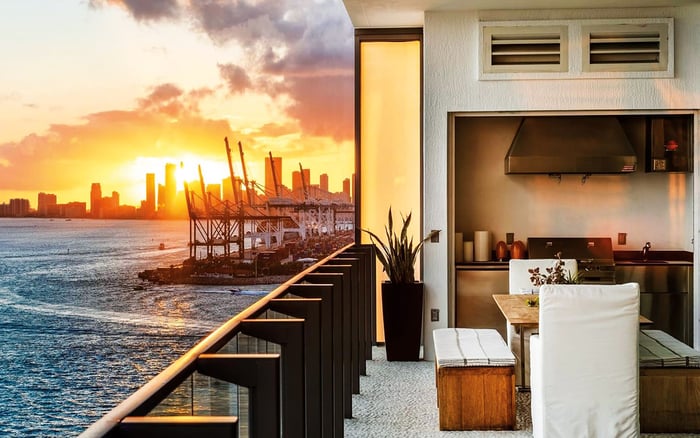
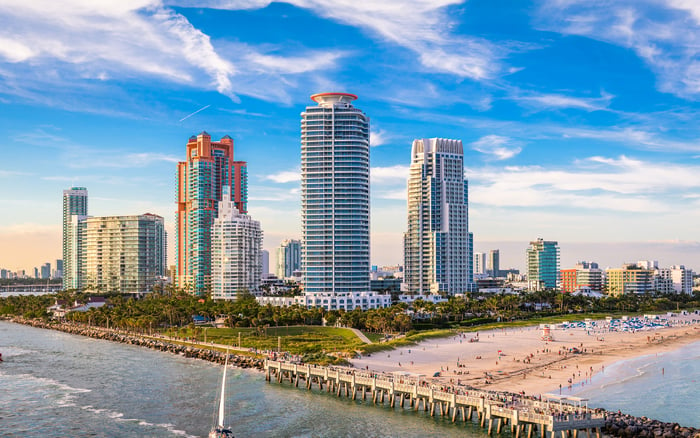
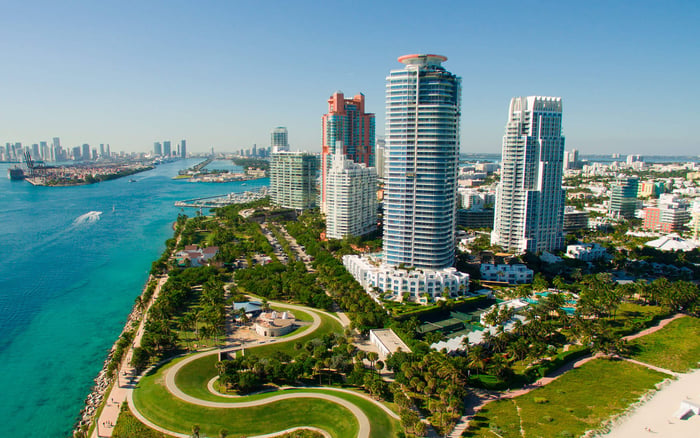
For ultra-premium buyers deciding between Miami’s vertical glamour and the Florida Keys’ low-key waterfront rhythm, the trade-offs are less about taste and more about use case. This ranked guide compares daily life, ownership logistics, rental flexibility, and long-horizon value signals, then translates them into actionable choices for primary residences, second homes, and legacy holdings.
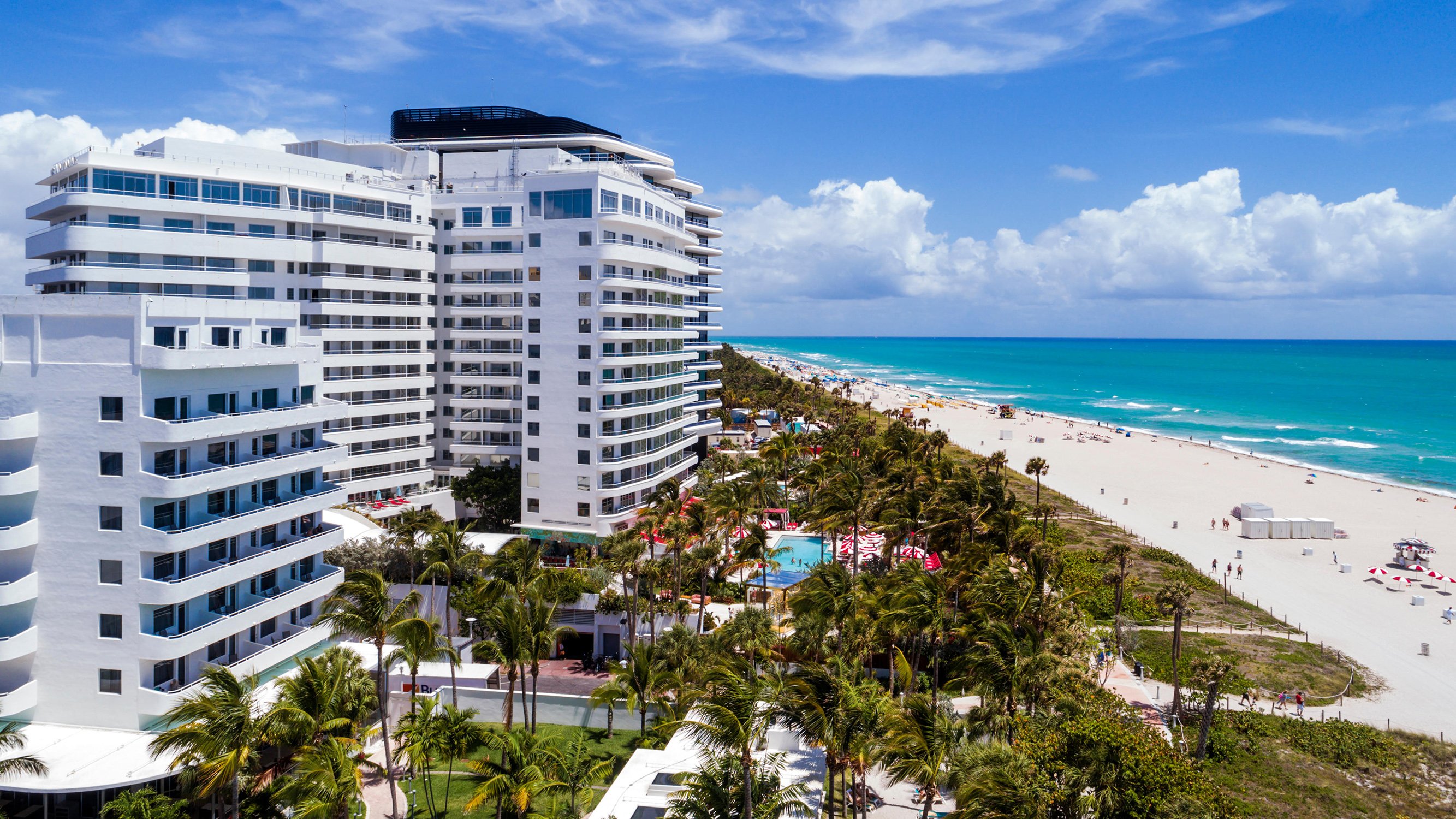
In South Florida, “Miami vs. the Florida Keys” can sound like a single binary choice. In practice, it is a portfolio question: where do you want your calendar to feel fast, and where do you want it to feel quiet? Miami delivers a curated, full-service rhythm with immediate access to dining, art, and a deep bench of luxury residential product. The Keys, by contrast, trade breadth for clarity: water in every direction, a nature-forward pace, and privacy that is reinforced by geography.
For many high-net-worth households, the right answer is not one address. It is a pairing: an urban base for weekdays and global connectivity, plus an island residence that functions as a true decompression asset. Below is a ranked set of lifestyle and real estate choices that most decisively separate Miami from the Keys, with buyer-oriented implications.
1. Full-service vertical living vs. house-first island living
Miami’s top-tier condo market is built for lock-and-leave ease: staffed lobbies, amenity floors, valet logistics, and an ownership culture that prioritizes discretion. If your travel schedule is dense, the building absorbs the “home management” work in the background.
In the Keys, the ideal is often a single-family waterfront home where the lifestyle is the amenity. That can be exceptional, but it also moves responsibility back to the owner: storm readiness, maintenance cadence, and vendor relationships become part of the cost of admission.
2. Price-per-square-foot clarity vs. wider dispersion
In Miami Beach’s rarefied submarkets, pricing can be remarkably legible at the top end. For example, Continuum I South has been marketed around $4,227 per square foot on average, a useful benchmark for buyers calibrating replacement cost and the value of proven oceanfront inventory.
Keys pricing tends to disperse more widely across micro-locations and property types. Luxury listings have been seen spanning roughly $495K to $75M, with average asking levels around $1.975M. The spread is the point: the Keys are not one market, but many small ones.
3. Leasing flexibility vs. deliberate constraint
Investors and second-home owners should treat rental rules as a first-order decision variable. In trophy Miami Beach condos, leasing can be intentionally limited. Apogee South Beach resales, for instance, are typically restricted to leasing no more than two times per year with a six-month minimum.
In the Keys, the rental conversation is often about short-term performance assumptions, seasonality, and operating costs. If income matters, underwriting should be as granular as your design taste, because variable expenses and management realities can move the needle as much as headline nightly rates.
4. Weekday intensity vs. low-key decompression
Miami’s energy is an asset when you want stimulation: business meetings, galleries, restaurants, and the pace of a global city. It suits owners who measure quality of life in options and immediacy.
The Lower Keys are positioned as nature-forward and slower by design, where reefs, wildlife, and long horizons do the work. The lifestyle dividend is psychological: fewer decisions, fewer crowds, more water time.
5. Multigenerational floor plans as a Miami and Keys crossover
Across Florida luxury, demand has been rising for multigenerational layouts and flexible spaces: multiple primary suites, discreet guest zones, and rooms that can pivot between office, wellness, and overflow sleeping.
In Miami, this often translates into larger residences, flow-through plans, and high-function service corridors. In the Keys, it reads as compound logic: separate guest quarters, quiet work-from-home zones, and the ability to host family without turning the main house into a hotel.
6. School optionality and proximity vs. intentional separation
For families anchoring in Miami-Dade, the region offers nationally ranked public high-school options, which can shape neighborhood choice as much as commute. For many buyers, this makes Miami more viable as a true primary residence rather than simply a pied-à-terre.
In the Keys, family life can be exceptional, but the decision often requires more intentional planning around daily logistics. If school proximity is a primary driver, it tends to favor Miami as the base and the Keys as the retreat.
7. Cost-of-living texture: higher rents in Key West, different daily spend
Even within a single state, lifestyle costs can invert expectations. In a directional comparison, Key West has shown higher rent prices than Miami, while restaurant prices have been lower than Miami. The practical takeaway is not the precise basket of goods; it is that the Keys can be expensive in the ways that matter most to residents, particularly housing scarcity.
For buyers deciding between leasing and buying, this contrast can quietly tip the scale toward ownership in the Keys when you plan to spend meaningful time there.
8. Wealth planning tailwinds and what they do not solve
Florida’s lack of a state personal income tax remains a major draw for relocations and long-range wealth planning. For many households, it makes Miami especially compelling as a primary residence, because the city premium is partially offset by the broader fiscal environment.
However, the absence of a Florida estate tax does not eliminate federal estate tax exposure. High-net-worth owners still benefit from bespoke planning, especially when real estate is held across entities, generations, or multiple states.
9. Coastal risk: flood coverage is not a footnote
In both Miami and the Keys, coastal ownership demands a mature view of risk. Florida homeowners insurance generally does not cover flood damage, and flood coverage is typically separate.
The lifestyle implication is straightforward: if you want the romance of oceanfront or bayfront living, you should also want a disciplined insurance review, resilient building standards, and a storm-season readiness plan that does not rely on last-minute improvisation.
10. Culture calendar vs. seasonal escape
Miami’s draw is not only the real estate; it is the city’s cultural muscle and event cadence. Even the public schedule for Art Deco Weekend 2026 reflects how Miami Beach can feel like a living stage set, with architecture, heritage, and street life woven into the identity of place.
The Keys deliver a different kind of richness: a seasonal pattern many owners come to protect. Instead of an event calendar, the anchor becomes the water, the weather windows, and the ability to live well with fewer inputs.
Miami’s most durable luxury value proposition is the combination of product depth and operational professionalism. If you want a residence that behaves like a high-end hotel suite-with privacy controls and staff-led execution-Miami’s condo ecosystem is unusually mature.
For buyers who want the confidence of an established Miami Beach address, Continuum on South Beach captures the archetype of oceanfront scale and amenity-forward living. If your preference is a smaller, more rarified inventory with a stricter leasing posture, Apogee South Beach is a relevant reference point for how governance can protect a building’s residential character.
Miami also excels when you want branded service integrated into daily life. In Sunny Isles, St. Regis® Residences Sunny Isles reflects the appetite for hospitality-grade staffing, curated amenities, and a recognizable service standard that can matter as much as the view.
The Florida Keys function differently from Miami. They are less about having every option and more about having the right ones. That difference has real estate consequences: buyers often prioritize waterfront orientation, dockage possibilities, and outdoor living that works in every month they plan to occupy.
Market signals in the Keys can be read directionally through home value indices. At one snapshot in time, Islamorada’s index was about $1.184M (with a -0.7% change over the prior year) and Key West’s index was about $994K (with a -5.9% year-over-year change). These are not transaction averages, but they underscore that the Keys can move in their own cycle-sometimes differently from mainland narratives.
If your primary goal is to protect a certain way of living, the Keys reward decisiveness: buy for the waterfront experience you want, then invest in the operational backbone that makes ownership feel effortless.
Many sophisticated households arrive at the same conclusion: Miami is best as a base and the Keys are best as an escape. The reverse can also be true for buyers who are fully retired or truly remote, but the decision should be deliberate.
Use-case clarity helps:
If you are in and out weekly, prioritize a building that absorbs friction: staff, security, service, and predictable rules.
If you are in residence for extended stretches, prioritize layouts that support multigenerational life and flexible work.
If income matters, start with leasing rules and then move to finishes. A stunning residence that cannot be leased as you intend is not an investment; it is a lifestyle purchase.
For buyers whose base is more urban and modern than Miami Beach, Brickell’s luxury pipeline remains a magnet. 2200 Brickell is a useful point of reference for a residential-forward approach in a neighborhood that still values proximity to business and dining.
Ultra-premium real estate is increasingly defined by what is invisible. The most valuable features may be the ones you do not photograph: sensible building policies, resilient operations, and a planning posture that anticipates life stages.
In Miami, that can mean choosing buildings whose leasing framework matches your intent and whose governance aligns with your privacy expectations. In the Keys, it can mean treating insurance, maintenance, and storm readiness as part of the design brief-not a post-closing task.
In both places, the highest form of luxury is control: over your schedule, your risk, your privacy, and your ability to host family without compromise.
Is Miami or the Florida Keys better for a primary residence? Miami typically fits primary living better due to broader services, schools, and daily convenience.
Do Miami Beach luxury condos allow short-term rentals? Many do not, and some buildings impose strict limits such as few leases per year and minimum terms.
Are the Florida Keys more expensive than Miami? It depends on the category; rent can run higher in Key West, while some daily costs may run lower.
What is a realistic way to compare Miami vs. Keys pricing? Use Miami’s price-per-square-foot benchmarks and the Keys’ wider range by micro-location and home type.
Is flood damage covered by standard homeowners insurance in Florida? Generally no; flood coverage is typically separate and should be evaluated for coastal properties.
Why are multigenerational layouts suddenly so important? Buyers increasingly want flexible rooms, guest zones, and multiple suites to support evolving households.
Can the Keys work as an investment property? They can, but performance depends on seasonality, operating costs, and local rental rules.
Does Florida’s no state income tax eliminate the need for planning? No; federal estate tax exposure can still apply, especially for high-net-worth families.
Is Miami Beach still compelling if I want quiet and privacy? Yes, if you choose buildings with strong governance and a residential, not transient, culture.
What is the cleanest two-home strategy for this region? Keep a turnkey Miami base for access and a Keys home designed as a true retreat for longer stays.
For a confidential assessment and a building-by-building shortlist, connect with MILLION Luxury.
If branded residences are on your mind — as a home or as an allocation — we would be glad to share what we are seeing, privately.
Begin a quiet conversation