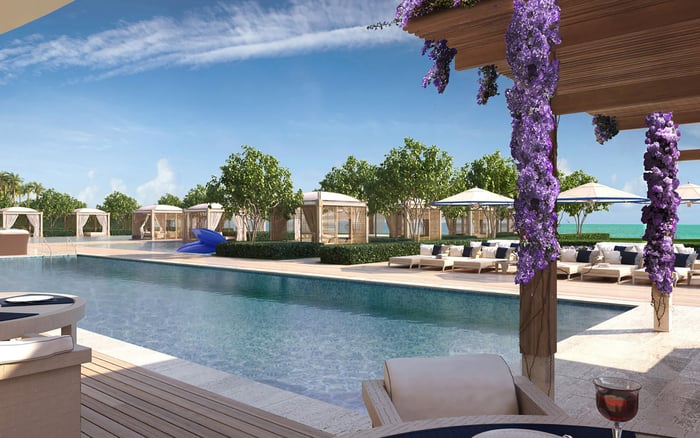
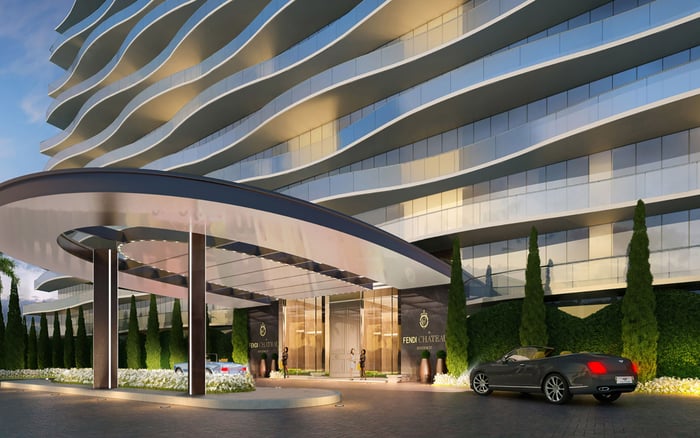
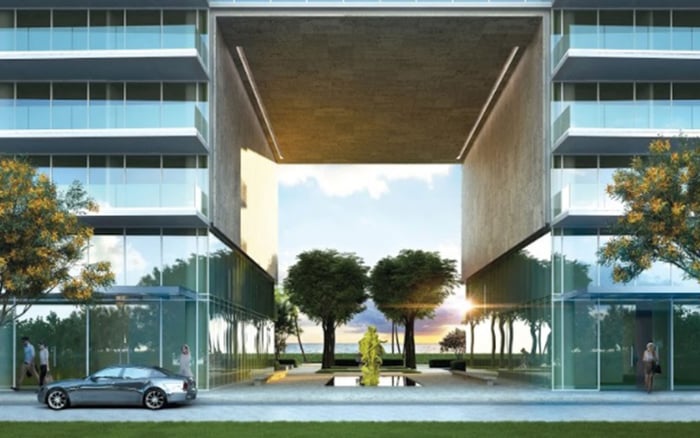
Surfside’s appeal lies in its ability to feel refined without becoming performative. For buyers who expect polished hospitality, private dining, and oceanfront calm, the town offers a quieter alternative to more socially programmed luxury enclaves.
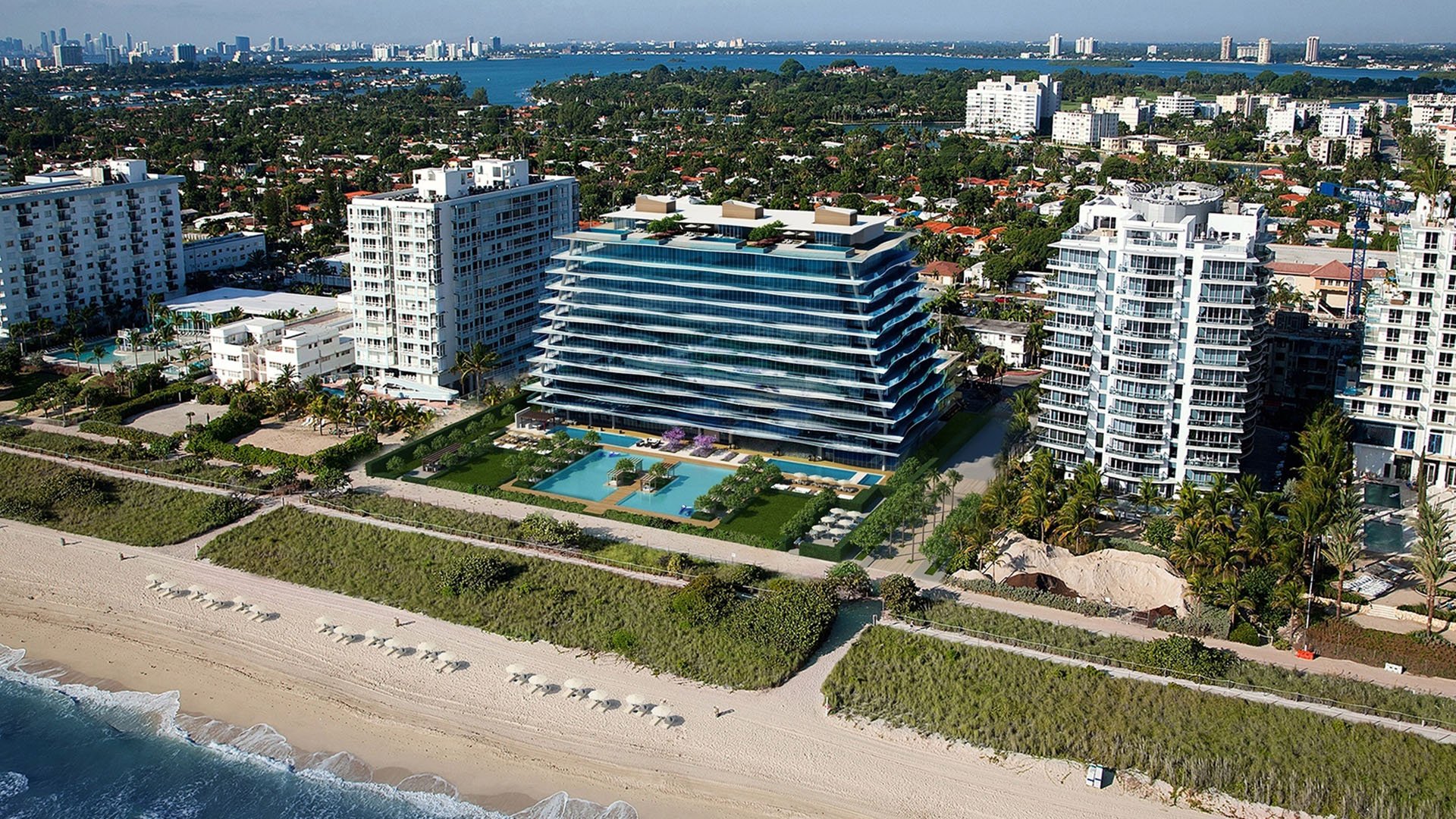
Surfside occupies a distinct place in the South Florida luxury conversation because it suggests refinement without insisting on performance. For a certain buyer, that distinction is the point. Private dining is not simply a room, a chef, or a menu. It is a way of living that allows residents to host with confidence, dine beautifully without entering the public circuit, and preserve the ease of home even when the experience is hotel-level.
The buyer drawn to Surfside is not rejecting service. Quite the opposite. This buyer expects service to be polished, intuitive, and quietly available. What they may resist is the atmosphere that can accompany a members-club model: constant visibility, social choreography, recurring introductions, and the soft pressure to participate. Surfside offers a more residential mood, where hospitality is present without becoming the organizing principle of one’s identity.
In that sense, private dining becomes a proxy for a larger preference. It signals a desire for discretion, control, and taste. It says the ideal evening may involve friends, family, a beautifully set table, and a view, not necessarily a crowded room where every arrival is observed.
The members-club atmosphere has its place, especially for buyers who want social infrastructure built into daily life. Surfside appeals to a different temperament. Here, the luxury is not being recognized at every meal. It is being able to decide when to be seen and when to disappear.
That matters for high-net-worth buyers who divide time between cities, travel often, or use South Florida as a calm counterpoint to more public lives. They may want a residence where dinner can be arranged, guests can be received, and dietary preferences can be handled gracefully. But they do not necessarily want the residence itself to feel like a networking room.
This is where Surfside’s tone becomes persuasive. The experience can feel elevated while remaining domestic. The architecture of the evening is private. The guest list is intentional. The service supports the moment rather than dominating it.
Surfside’s appeal is also geographic in mood. It is close enough to surrounding luxury destinations to feel connected, yet it maintains a quieter residential identity. Buyers can enjoy proximity without absorbing the constant tempo of more overtly social neighborhoods.
For many clients, the search language is almost elemental: Surfside for scale, Bal Harbour for proximity, oceanfront for daily rhythm, and boutique for privacy. Those words describe a lifestyle that is coastal but not casual, polished but not theatrical.
The town’s luxury conversation is often framed by names such as The Surf Club Four Seasons Surfside and Fendi Château Residences Surfside. Even when a buyer is comparing different buildings or ownership structures, these references help define the broader expectation: architecture, service, privacy, and a cultivated relationship to the ocean.
For the ultra-premium buyer, private dining is rarely about novelty. It is about whether a residence can support the way life actually unfolds. Can breakfast feel unhurried? Can a chef’s dinner be hosted without turning the home into a production site? Can family meals remain intimate while guest entertaining feels considered?
These questions are especially important for second-home owners and seasonal residents. A home that works only as a showpiece can become tiring. A home that supports dining gracefully becomes easier to return to, easier to lend to family, and easier to use across different phases of the year.
The best private dining environments allow residents to shift registers. A quiet lunch after a swim. A formal dinner for eight. A holiday table that feels personal rather than outsourced. A last-minute meal that still feels composed. Surfside’s buyer is often looking for precisely that elasticity.
There is a subtle but important difference between amenities and atmosphere. A building or residence may offer highly refined services yet still feel fundamentally private. Another may have exceptional amenities, but the social energy can become more prominent than the living experience.
Buyers who prefer Surfside often understand that distinction quickly. They may enjoy restaurants, lounges, wellness spaces, and cultural access, but they do not want every dinner to carry the ambient charge of a public room. The absence of a club-like atmosphere can itself become a luxury feature.
This does not mean austerity. It means restraint. The best version of Surfside luxury is not stripped down. It is edited. Dining is available, beautiful, and serious, but it does not demand performance from the resident.
A buyer evaluating Surfside through the lens of private dining should look beyond the headline amenity list. The more revealing questions are operational. How does the residence handle arrivals? Is there enough separation between service flow and private living areas? Can the dining space carry both casual and formal use? Does the kitchen support serious entertaining, even if outside culinary support is involved?
Equally important is acoustic privacy. Private dining is only truly private if conversation feels protected. The most desirable environments allow guests to relax, linger, and speak naturally. This is where floor plan, elevator access, terrace design, and staff movement can matter as much as finishes.
The emotional test is simple: does the residence make hosting feel lighter? If the answer is yes, private dining becomes less of an amenity and more of a lifestyle foundation.
Surfside is particularly compelling for buyers who want a sense of address without the burden of constant social display. They may already belong to clubs elsewhere. They may have preferred restaurants, private chefs, or long-standing hospitality relationships. What they want at home is not another membership culture, but a sanctuary that can still perform when called upon.
This is why Surfside resonates with families, collectors, international owners, and privacy-minded executives. The setting can support elegant entertaining, yet it does not require a public-facing routine. The result is a form of luxury that feels adult, composed, and deeply livable.
In a market where branded experience and social access are often promoted as the pinnacle, Surfside offers a quieter counterargument. The highest form of hospitality may be the one that lets residents remain fully themselves.
Why does Surfside appeal to buyers who want private dining? Surfside offers a refined residential mood where dining can feel elevated without becoming public or performative.
Is Surfside a good fit for buyers who dislike members-club energy? Yes. Its appeal often lies in privacy, discretion, and service that supports daily life without imposing a social agenda.
What makes private dining different from a restaurant amenity? Private dining prioritizes control, comfort, and guest selection, while a restaurant amenity usually carries a more public rhythm.
Does Surfside still feel connected to nearby luxury destinations? Yes. Buyers can enjoy a quieter home environment while remaining close to surrounding coastal and retail destinations.
Who is the typical buyer for this lifestyle? The fit is strongest for privacy-minded owners, families, second-home buyers, and executives who entertain selectively.
Should buyers focus only on amenity menus? No. Floor plan, service circulation, acoustic privacy, and hosting flow can matter as much as the stated amenities.
Why is oceanfront living important to this buyer? The oceanfront setting supports calm, routine, and a sense of retreat, especially for owners balancing travel and work.
Can private dining still feel warm and personal? Yes. The most successful private dining experiences feel intimate, flexible, and tailored rather than staged.
How does boutique living relate to Surfside’s appeal? Boutique scale can support discretion and familiarity, two qualities many Surfside buyers value in daily residential life.
Is Surfside more about understatement than spectacle? For many luxury buyers, yes. Its strongest appeal is polished living with a quieter, more residential expression.
For a tailored shortlist and next-step guidance, connect with MILLION.
If branded residences are on your mind — as a home or as an allocation — we would be glad to share what we are seeing, privately.
Begin a quiet conversation