A buyer-focused guide to reviewing amenity operating budgets, reserves, insurance, staffing, and assessment risk before purchasing at 57 Ocean Miami Beach.
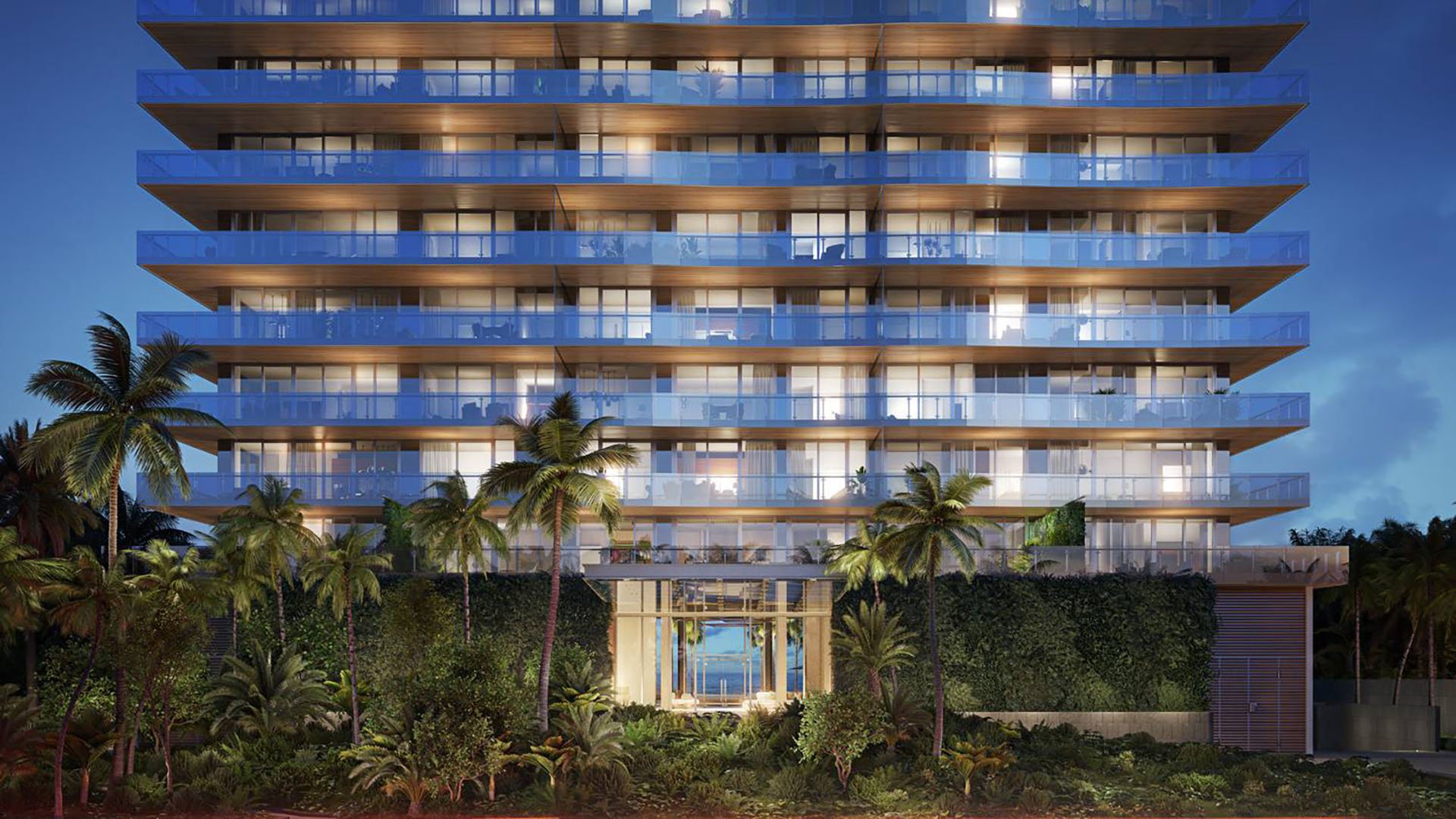
At 57 Ocean Miami Beach, the purchase decision should not stop at views, interiors, beach access, or the calm of a boutique oceanfront address. For a serious buyer, the more durable question is whether the building’s amenity operating budget supports the level of service being promised-and the cost structure required to sustain it.
This is a Buyer's Guides question as much as a Pricing & Trends question. Oceanfront ownership in Miami Beach comes with recurring obligations that are often invisible during a showing: staffing, insurance, cleaning, maintenance, utilities, salt-air exposure, pool operations, reserve contributions, and vendor contracts. In a Boutique building, fixed costs are shared by fewer owners, making the allocation formula as important as the total assessment itself.
The first request is simple: the current annual condominium association operating budget. Not a summary, not a verbal estimate, and not only the monthly assessment listed beside a residence. Ask how amenity expenses are separated from general building expenses, and whether the association tracks categories such as pool areas, beach access, fitness and wellness spaces, resident lounges, landscaping, utilities, cleaning, and consumables.
A buyer comparing 57 Ocean with other luxury Miami Beach addresses, such as The Perigon Miami Beach or The Ritz-Carlton Residences® Miami Beach, should focus less on which building has the longest amenity list and more on how each amenity is funded. A smaller building with high service expectations may feel more private, but privacy does not remove operating cost.
Monthly assessments can be allocated by unit size, percentage interest, or another formula. Before signing, ask exactly how the formula applies to the residence you are considering, especially if it is a larger home or penthouse. Two owners may enjoy the same pool deck, wellness area, lobby service, and beach program, yet their monthly obligations may differ substantially if the governing documents weight costs by ownership interest or square footage.
The essential question is not whether the monthly number appears high or low in isolation. It is whether the number is explainable, consistent with the documents, and sustainable for the services offered. For ultra-premium buyers, predictability is its own form of luxury.
At a luxury oceanfront condominium, labor is often central to the experience. Ask for the staffing costs tied to concierge, valet, security, beach service, pool operations, spa or wellness areas, and common-area maintenance. Then ask which services are handled in-house and which are outsourced.
Vendor contracts deserve particular attention. A beach service contract, security contract, valet arrangement, landscaping agreement, or pool maintenance contract can influence future increases if pricing changes. Buyers should ask when major contracts renew, whether increases are built into those contracts, and whether service levels are discretionary. If an amenity can be expanded, reduced, or charged separately in a future budget, that should be understood before closing.
This is where comparison matters. A buyer looking across Oceanfront buildings, from Miami Beach to nearby Surfside examples such as Eighty Seven Park Surfside, should evaluate not only the elegance of the amenity experience, but also the operating model behind it.
Reserves are not abstract accounting. They are the future of the building’s physical experience. Ask whether the association’s reserves cover major amenity replacements, including pool systems, elevators serving amenity levels, HVAC systems, fitness equipment, furniture, outdoor areas near the façade, and waterproofing.
Request the most recent reserve study and ask whether reserve contributions are fully funded, partially funded, or dependent on future special assessments. A polished amenity deck can still carry future capital needs. Planned upgrades, deferred maintenance, or large projects may affect assessments after closing, even if the current monthly fee appears manageable.
For a buyer accustomed to the service profile of trophy buildings such as Faena House Miami Beach, the question is not whether a building feels complete today. It is whether the financial plan supports that standard through replacement cycles, weather exposure, and evolving owner expectations.
Insurance can meaningfully shape monthly carrying costs at an oceanfront condominium. Ask how much of the operating budget is driven by insurance, and whether premiums, deductibles, or coverage limits have changed materially in recent budget cycles. A refined building can still face the practical realities of coastal risk.
Storm exposure, salt-air corrosion, water intrusion prevention, and beachside maintenance should appear somewhere in the budget conversation. These are not optional concerns for Miami Beach real estate; they are part of the operating environment. Buyers should also ask whether the association has recently increased assessments to maintain luxury-service standards, absorb insurance pressure, or fund required building maintenance.
The headline monthly assessment is only the beginning. Ask for recent financial statements, meeting minutes, reserve disclosures, pending litigation disclosures, and board communications. These documents can reveal budget pressure that may not be visible in marketing materials or in a single monthly figure.
Then compare 57 Ocean’s per-square-foot monthly assessments against comparable Miami Beach luxury oceanfront condominiums, not only against larger towers with different cost-sharing economics. A larger building may distribute certain fixed costs across more residences. A boutique building may offer a more intimate lifestyle, but buyers should understand how that intimacy is financed.
Finally, evaluate your own use. Owners pay for shared services whether or not they use the gym, pool, beach program, lounge, or wellness spaces. The best building is not simply the one with the richest amenity language. It is the one whose services, reserves, and budget philosophy match the way you intend to live.
Before waiving due diligence or closing, have a real estate attorney, CPA, or condo-finance advisor review the operating budget, reserve study, insurance schedule, meeting minutes, and association disclosures. The goal is not to avoid amenities. It is to understand the cost of preserving them.
At this level of the market, informed ownership is part of the privilege. A buyer at 57 Ocean Miami Beach should be able to say not only what the building offers, but how those offerings are funded, maintained, insured, and renewed.
What is the first budget document to request at 57 Ocean Miami Beach? Ask for the current annual condominium association operating budget, including how amenity-related costs are categorized.
Why do amenity budgets matter more in a boutique building? Fixed costs for staffing, maintenance, insurance, and services may be shared by a smaller owner base.
Should I focus only on the monthly assessment? No. The headline fee should be reviewed alongside reserves, insurance, vendor contracts, and recent financial statements.
How are monthly assessments usually allocated? They may be based on unit size, percentage interest, or another formula defined by the condominium documents.
Which amenity staffing costs should I ask about? Ask about concierge, valet, security, beach service, pool operations, wellness areas, and common-area maintenance.
Why do vendor contracts matter? Outsourced services can affect future budgets when contracts renew, pricing changes, or service levels expand.
What should reserves cover for amenities? Reserves may need to address pool systems, HVAC, fitness equipment, furniture, waterproofing, and related infrastructure.
Can insurance affect amenity operating costs? Yes. Oceanfront condominium insurance can meaningfully influence total monthly carrying costs.
What documents can reveal hidden budget pressure? Meeting minutes, financial statements, reserve disclosures, litigation disclosures, and board communications are important.
Who should review the budget before closing? A real estate attorney, CPA, or condo-finance advisor should review the documents before you waive due diligence.
When you're ready to tour or underwrite the options, connect with MILLION.
If branded residences are on your mind — as a home or as an allocation — we would be glad to share what we are seeing, privately.
Begin a quiet conversation