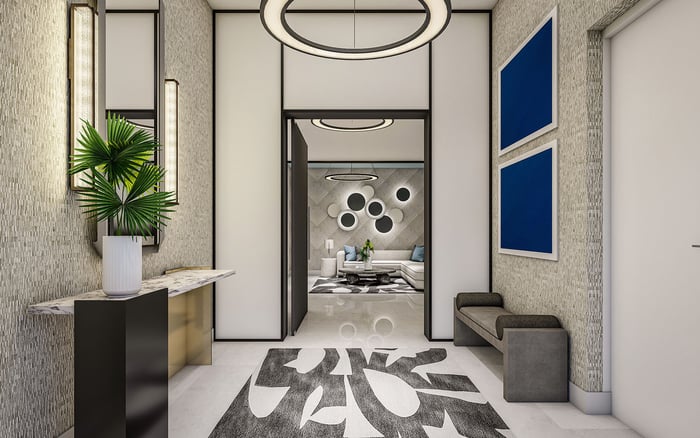
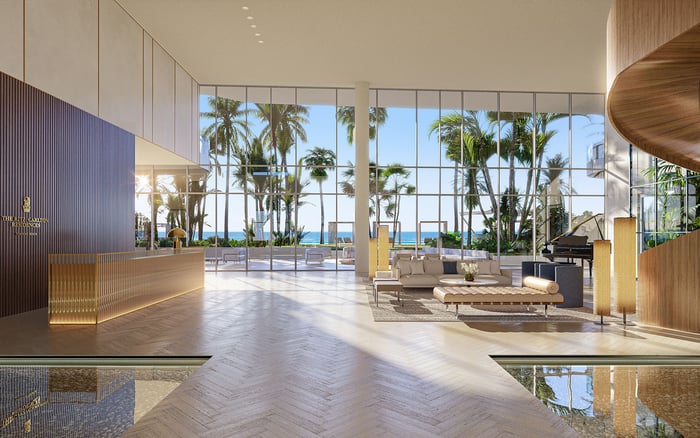
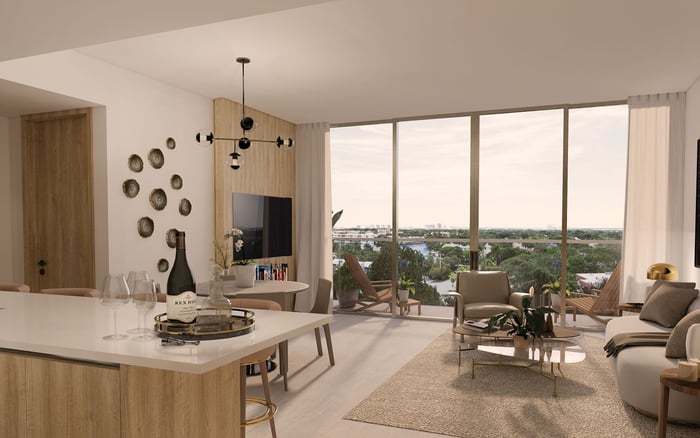
For affluent buyers, Fort Lauderdale is increasingly evaluated through the lens of civic rhythm, residency planning, philanthropic commitments, and everyday ease rather than square footage alone.
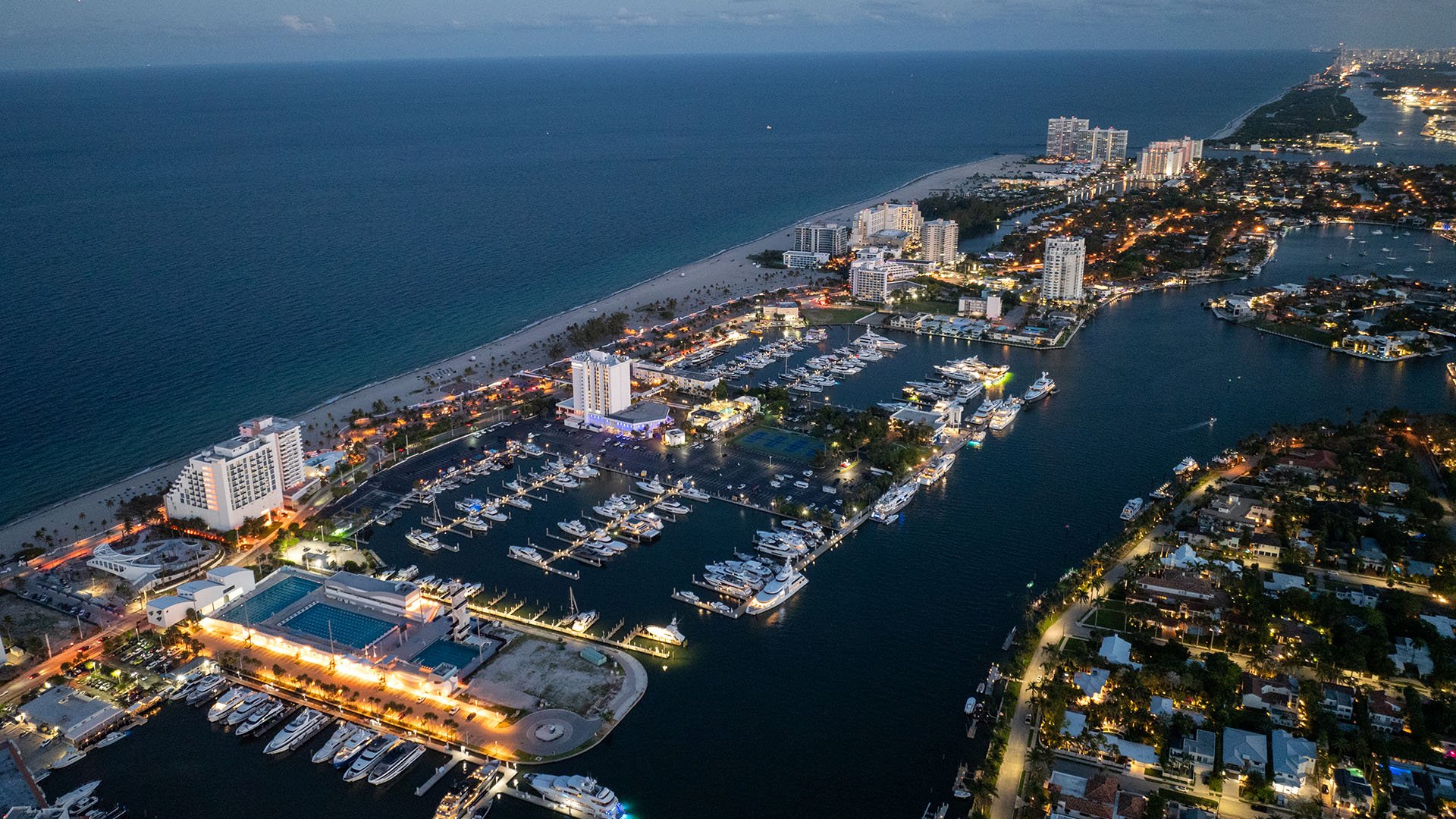
For a certain kind of South Florida buyer, the question is no longer simply where to live. It is where a life can be arranged with grace. In Fort Lauderdale, that life often includes family visits, club dinners, board meetings, school events, medical appointments, yacht weekends, and a charitable calendar that can fill the season before a buyer has chosen a dining table.
This is why philanthropic obligations now belong in the real estate conversation. A home is not just a private retreat. It is a base for presence, discretion, and participation. The buyer who expects to support museum benefits, hospital galas, education causes, conservation events, or intimate patron dinners needs more than a beautiful view. They need a residence that allows them to arrive composed, host without friction, and maintain a consistent civic life.
In Fort Lauderdale, that often means studying access with care. A home that feels perfect in isolation may be less compelling if every meaningful evening requires complicated logistics. Proximity to Las Olas, Fort Lauderdale Beach, private clubs, marinas, and cultural venues can matter as much as finishes. The most successful purchases begin with a calendar, not a floor plan.
Florida residency is often discussed as if it were a single decision. In practice, serious buyers usually treat it as an ongoing pattern of life to be reviewed with legal and tax advisors. The residence must support the buyer’s intended behavior, not merely symbolize it.
That is where real estate selection becomes strategic. If a buyer expects to spend meaningful time in Florida, the property should make that time feel natural. It should be easy to return to, easy to work from, easy to receive family in, and easy to occupy for longer stretches without feeling like a hotel suite. A residence chosen only for occasional weekends may not support the same lifestyle rhythm as one intended to anchor a broader Florida presence.
For this reason, buyers considering Four Seasons Hotel & Private Residences Fort Lauderdale often think beyond the beauty of the address. They ask whether the building’s service culture, location, and daily convenience align with the way they plan to live in Florida. The best answer is rarely abstract. It is found in the buyer’s actual week.
A philanthropic calendar reveals how a buyer will move through Fort Lauderdale. Some evenings call for black tie. Others call for quiet dinners with trustees, early breakfasts, or informal gatherings after a performance or waterfront event. The right residence makes these transitions feel effortless.
This is especially important for buyers arriving from established social ecosystems elsewhere. They may already have a charitable identity in New York, Chicago, Boston, Washington, Toronto, London, or Latin America. In Fort Lauderdale, they may be deciding whether to participate deeply, selectively, or seasonally. Their home should not overcommit them, but it should not isolate them either.
A buyer who prefers a strong coastal identity may evaluate St. Regis® Residences Bahia Mar Fort Lauderdale through that lens: not simply as a residence, but as a setting for public and private life connected to the water, the beach, and the city’s social orbit. For another buyer, the draw may be quieter access, a building that supports privacy, and a location that allows participation without constant visibility.
The phrase lifestyle can feel overused, but in this context it is precise. A buyer’s lifestyle is the choreography of recurring needs. Where will guests stay? How often will adult children visit? Is the residence expected to hold pre-event cocktails? Does the buyer need a calm morning routine after late charitable evenings? Will the property function as a second home, a primary base, or something in between?
Waterfront preferences add another layer. Some buyers want direct visual contact with the water as part of their daily emotional calculus. Others care more about marina access, walkability, or speed to restaurants and cultural venues. A trophy view is not always the same thing as a practical life.
This is where Riva Residenze Fort Lauderdale can enter the conversation naturally for buyers weighing a Fort Lauderdale address against a more familiar coastal pattern elsewhere in South Florida. The question is not whether one building is universally better. It is whether a particular residence supports the way the buyer intends to participate in the city.
Charitable life in South Florida often depends on hospitality, but not every buyer wants a home that feels like a stage. The more refined approach is to define the home’s social role early.
Some buyers want to host donors, trustees, artists, physicians, founders, or close friends in a polished private setting. Others prefer the residence to remain a sanctuary, using clubs, restaurants, or event venues for public commitments. Both choices are valid. The mistake is buying a home designed for one mode while expecting it to perform as the other.
In practical terms, this means studying arrival sequences, elevator privacy, guest parking, staff circulation, kitchen functionality, terrace proportions, acoustic separation, and the ease of moving from living areas to more private rooms. None of these details needs to be theatrical. In the ultra-premium market, the most important luxuries are often the ones a guest never notices.
Buyers drawn to a more urban river and downtown rhythm may consider Sixth & Rio Fort Lauderdale as part of a broader conversation about daily access and civic proximity. The appeal rests not only in the residence, but in how it may shorten the distance between private life and public commitments.
Before signing, sophisticated buyers often benefit from a simple exercise: build a fictional year. Mark the charitable events they expect to attend, the family weekends they hope to host, the business days they will work from Florida, the travel periods they cannot avoid, and the quiet weeks they want to protect.
Then test the residence against that year. Would it still feel convenient in season? Would it encourage longer stays? Would it make family visits easier or harder? Would the buyer feel proud to host there, but equally able to retreat? Would the building’s culture feel aligned with the buyer’s level of formality?
This is also the moment to distinguish aspiration from actual use. Many buyers imagine a more public life than they ultimately want. Others underestimate how quickly Fort Lauderdale’s civic and charitable circles can become meaningful once they have a comfortable base. The residence should leave room for both discretion and involvement.
Fort Lauderdale offers a rare combination for affluent buyers: coastal ease, yachting culture, established neighborhoods, urban dining, beach access, and a quieter alternative to more performative markets. Its appeal is not merely that it is relaxed. It is that it can be selectively formal when the occasion requires it.
That balance matters to buyers navigating charitable calendars and Florida residency questions. A residence here can support the visible parts of life while protecting the private ones. It can place a buyer near the water without requiring a resort mindset every day. It can allow a family to gather comfortably, then let the owner move seamlessly into a civic evening.
For buyers who want a beach-oriented address with a known luxury identity, Auberge Beach Residences & Spa Fort Lauderdale may be part of the comparison set. Others will look inland, toward Las Olas or riverfront settings, in search of a different balance between access, privacy, and daily routine.
The central point is not to chase the most visible property. It is to buy the residence that makes the intended life easiest to repeat.
Questions around Florida residency should be addressed before the emotional favorite becomes the assumed answer. Legal, tax, insurance, estate, and family office advisors may each see the property through a different lens. Their input can influence ownership structure, timing, financing, documentation, and practical use.
For the buyer, this does not diminish the romance of the purchase. It protects it. A residence that fits both the heart and the file is far easier to enjoy. When charitable commitments, family obligations, and residency planning align, the home becomes an asset of continuity rather than another beautiful complication.
That is the quiet luxury Fort Lauderdale can offer: a life arranged with intention, close to the water, close to the city, and close to the causes that define the owner’s presence.
Should charitable commitments influence where I buy in Fort Lauderdale? Yes, if those commitments are a recurring part of your season. Location, arrival ease, and entertaining capacity can all affect how comfortably you participate.
Is a Fort Lauderdale residence enough to establish Florida residency? Residency is a broader legal and tax question that should be reviewed with qualified advisors. The property should support the pattern of life you intend to document.
Why does Las Olas matter to some luxury buyers? Las Olas can be relevant for dining, social plans, professional meetings, and cultural access. Its importance depends on how often you expect to move through the city.
Is Fort Lauderdale Beach better for philanthropic entertaining? It may suit buyers who want a coastal setting and strong guest appeal. Others may prefer riverfront, downtown, or quieter residential environments.
Should I buy differently for a second home than for a primary residence? Yes, because frequency of use changes priorities. A second home may emphasize lock-and-leave ease, while a primary base may require deeper daily functionality.
How should I evaluate waterfront property for this purpose? Look beyond the view and consider access, privacy, guest flow, and how the water setting supports your daily routine. Practical fit matters as much as visual impact.
Can a condo support serious entertaining? It can, if the floor plan, building culture, arrival experience, and service model align with how you host. Not every luxury residence is designed for the same social role.
When should advisors become involved in the purchase? Early, ideally before a favorite property dictates the conversation. Their guidance can help align the purchase with residency, estate, tax, and family objectives.
What is the biggest mistake buyers make in this category? They sometimes choose the most glamorous option rather than the most repeatable one. The right residence should make your intended life easier, not more complex.
How can I compare Fort Lauderdale buildings discreetly? Start with your calendar, privacy needs, hosting style, and residency goals. Then narrow the search to residences that support those patterns with minimal friction.
To compare the best-fit options with clarity, connect with MILLION.
If branded residences are on your mind — as a home or as an allocation — we would be glad to share what we are seeing, privately.
Begin a quiet conversation